
Manta Rays Hawaii: Do Mantas Have Scales?
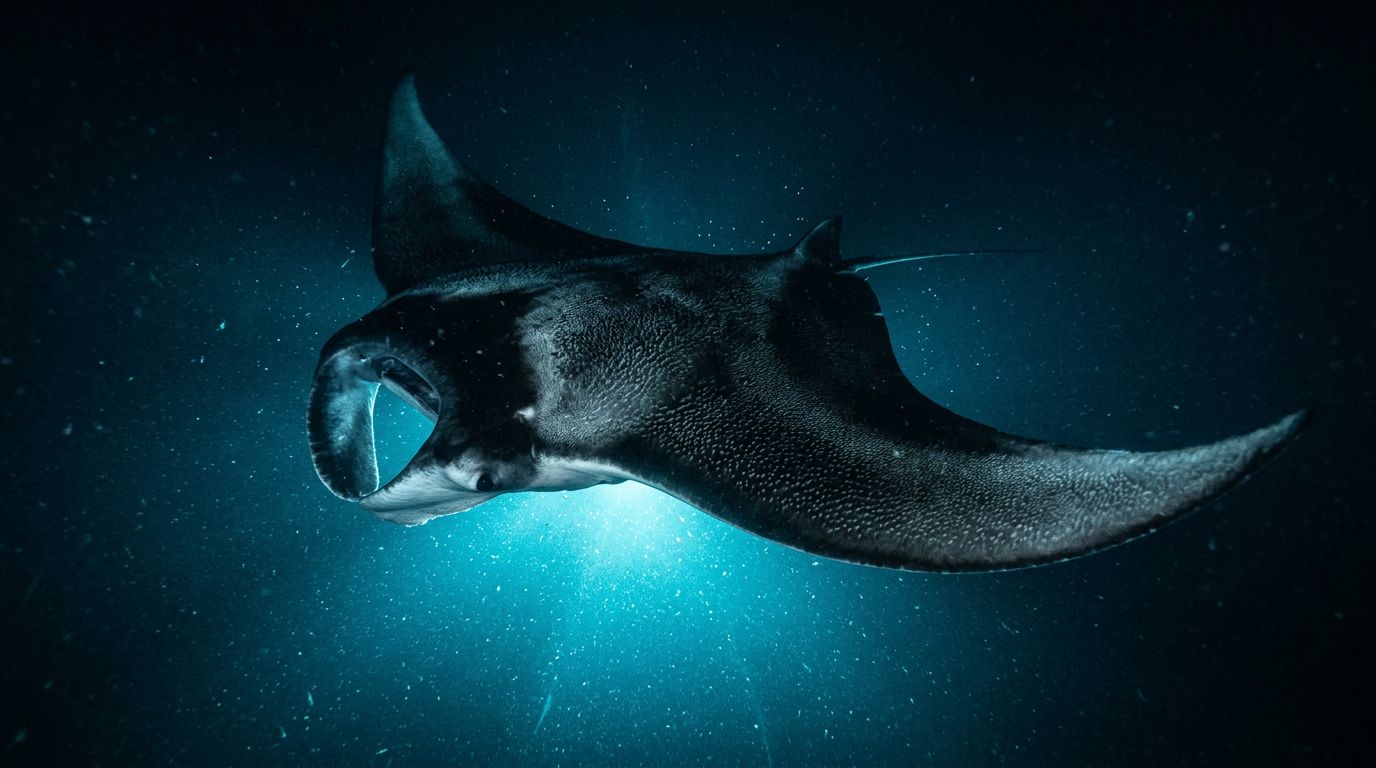
On a night snorkel, a manta ray can glide within feet of you, its broad wings lit by beams from below. A question often comes up on manta rays Hawaii tours: do these gentle giants have scales, or does their skin only look smooth?
Kona Snorkel Trips brings you close to these animals with small-group trips, lifeguard-certified guides, custom light boards, and reef-safe practices. Once you understand what covers a manta’s skin, the encounter becomes even more fascinating.
Manta Rays Hawaii Encounters Reveal Tiny Skin Teeth
Yes, manta rays have scales. However, they don’t have the large, overlapping scales you may picture on a reef fish. Their scales are called dermal denticles, or placoid scales.
The word “denticle” means a tiny tooth. Under magnification, these structures look more like miniature teeth than flat fish scales. They grow from the skin and contain hard tissue, with a tooth-like outer surface.
Mantas belong to the elasmobranch group, which also includes sharks, skates, and other rays. Members of this group have skeletons made from cartilage instead of bone. Their dermal denticles are one feature that separates them from most bony fish.
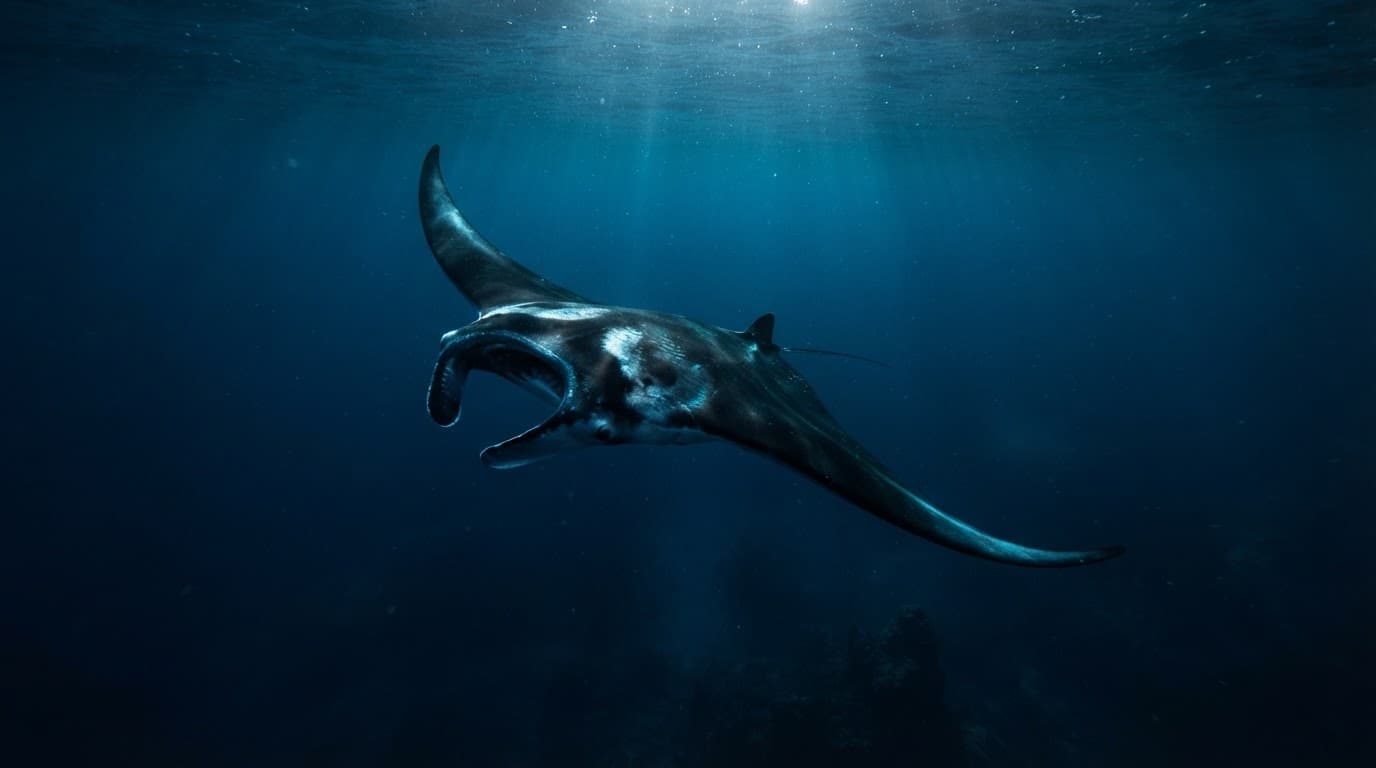
The scales are so small and closely arranged that a manta usually looks smooth as it passes through the water. You won’t see individual scales from a snorkeler’s distance, even in Kona’s clear conditions.
Mission Blue’s explanation of manta skin describes these structures as “tiny skin teeth.” The description is simple, but it gives you a good picture of their shape.
How Manta Scales Differ from Fish Scales
Bony fish usually have scales that form visible layers across the body. Many are thin, flexible, and overlapping. They protect the fish while allowing its body to bend as it swims.
Manta denticles work differently. They sit within the skin and have a much smaller, tooth-like shape. Their arrangement varies across the body, and the surface can feel rougher than it appears.
You shouldn’t touch a manta to test the difference. Contact can remove its protective mucus layer, cause stress, and expose the animal to bacteria or chemicals from human skin. Responsible operators keep guests close enough to observe mantas without encouraging contact.
Dermal denticles also interest marine researchers because their shapes and patterns can reveal information about elasmobranchs. A research study on dermal denticles examines how these structures can help reconstruct shark communities from reef sediments.
That study focuses on sharks, not Kona’s manta rays, but it shows why these tiny skin structures matter. They can tell scientists about an animal’s biology and, in some cases, its presence in a habitat.
What Manta Skin Does in the Water
Manta skin has several jobs. The denticles provide a layer of protection, and their texture affects how water moves along the body.
A manta’s body is built for efficient gliding. Its wide pectoral fins create lift, while its flexible wingbeats push it forward. Smooth-looking skin helps the animal move through the water without the obvious drag you might expect from its enormous size.
The denticles may also influence water flow across different parts of the body. Scientists study the placement and shape of denticles in sharks and rays because surface texture can affect turbulence and swimming efficiency.
Mantas spend much of their time filter-feeding. They swim through plankton-rich water with their mouths open, while specialized structures called gill rakers strain tiny organisms from the water. The scales don’t filter food, but they form part of the manta’s overall body design.
Their skin may also carry sensory information. Like other sharks and rays, mantas have sensory systems that help them respond to movement and changes in the surrounding water. The result is an animal that can glide, feed, and maneuver without relying on eyesight alone.
The skin tells you something important about manta rays. Their bodies may look soft and peaceful, but they are highly specialized predators of microscopic prey.
How a Kona Manta Night Snorkel Works
Kona’s famous manta encounters happen after sunset because the animals follow plankton near the surface. Tour operators place lights in the water, and those lights attract plankton. Mantas then arrive to feed on the concentrated food source.
The light doesn’t tame or train the animals. It creates a natural feeding opportunity, while the mantas decide how close they want to swim. You may see them make slow passes, roll beneath the light, or turn sharply as they collect plankton.
Guests typically float at the surface near a custom light board. The board provides illumination beneath you, so you can watch the animals from above without chasing them. A guide explains where to position yourself and how to keep your fins away from the mantas.
Unlike stingrays, manta rays don’t have a functional stinging spine. Still, they’re wild animals, and their size demands respectful behavior. A reef manta can weigh hundreds of pounds, with a wingspan that makes even a calm pass feel impressive.
If you’re researching snorkeling Big Island Hawaii, check how each operator handles safety before booking. Ask about guide qualifications, flotation support, group size, equipment, and the plan for changing ocean conditions.
To snorkel Big Island waters at night, you should feel comfortable floating and breathing through a snorkel. You don’t need to be an expert swimmer, but you should tell your guide about any concerns before entering the water.
Choosing a Responsible Manta Ray Tour in Hawaii
The manta rays Hawaii travelers hope to see are wild animals, so the quality of the operation matters. A good tour gives you clear instructions, uses appropriate equipment, and protects the animals during every encounter.
Look for an operator that:
- Keeps guests in a controlled viewing area instead of allowing people to pursue mantas.
- Trains guides in water safety and local marine-life behavior.
- Uses stable flotation equipment for guests who need extra support.
- Limits unnecessary contact with the reef and wildlife.
- Explains why you shouldn’t touch, feed, or block a manta’s path.
Kona Snorkel Trips follows a “Reef to Rays” philosophy across its guided ocean adventures. The company uses small-group trips, high-quality snorkeling equipment, custom-built light boards, and lifeguard-certified guides. Its approach combines close wildlife viewing with education about Hawaii’s volcanic reef ecosystems.
You can browse the company’s Big Island snorkeling tours to compare available experiences. For another manta-focused option, Manta Ray Night Snorkel Hawaii also provides information about nighttime manta encounters in Kona.
If a guided trip fits your plans, you can check availability before choosing your date. Night trips can fill quickly during busy travel periods.
When you’re specifically looking for a manta ray snorkel trip, review the departure time, meeting location, water-entry method, and minimum age requirements. Those details affect how comfortable the experience feels once the sun goes down.
For a manta-specific departure, you can also check availability for Kona Snorkel Trips’ night snorkeling experience.
Why You Should Never Touch a Manta
Manta skin has a protective mucus coating that helps reduce irritation and infection. Touching the animal can remove that coating, even if your hand feels gentle.
Physical contact can also interrupt feeding. A manta may change direction, dive, or leave the viewing area when a swimmer reaches toward it. Repeated contact from several guests creates more stress than a single brief interaction.
Your behavior in the water is easy to control. Keep your body horizontal, leave space for the manta to turn, and avoid swimming directly over its back. Follow your guide’s instructions about where to place your hands and how to use fins.
Reef-safe sunscreen, a proper mask fit, and comfortable flotation gear also improve the experience. If your mask leaks or your fins don’t fit, tell the crew before you enter the water.
Snorkeling Big Island conditions can change with wind, swell, visibility, and currents. A responsible guide may move the viewing location or cancel a trip when conditions aren’t safe. That decision protects guests and gives the animals a quieter environment.
The Simple Answer About Manta Scales
Mantas do have scales, but their scales are tiny dermal denticles rather than the large overlapping scales found on many bony fish. These tooth-like structures help protect the skin and may influence water flow across the manta’s body.
When you watch manta rays Hawaii visitors come to see in Kona, remember that their smooth appearance hides a specialized design. Give them room, follow your guide, and let the animals control the encounter.
The best view is the one that leaves the manta feeding calmly after you return to shore. The tiny scales beneath its skin are part of what makes that peaceful, powerful animal so well suited to life in the open Pacific.