
How Manta Ray Spot Patterns Identify Rays in Hawaii
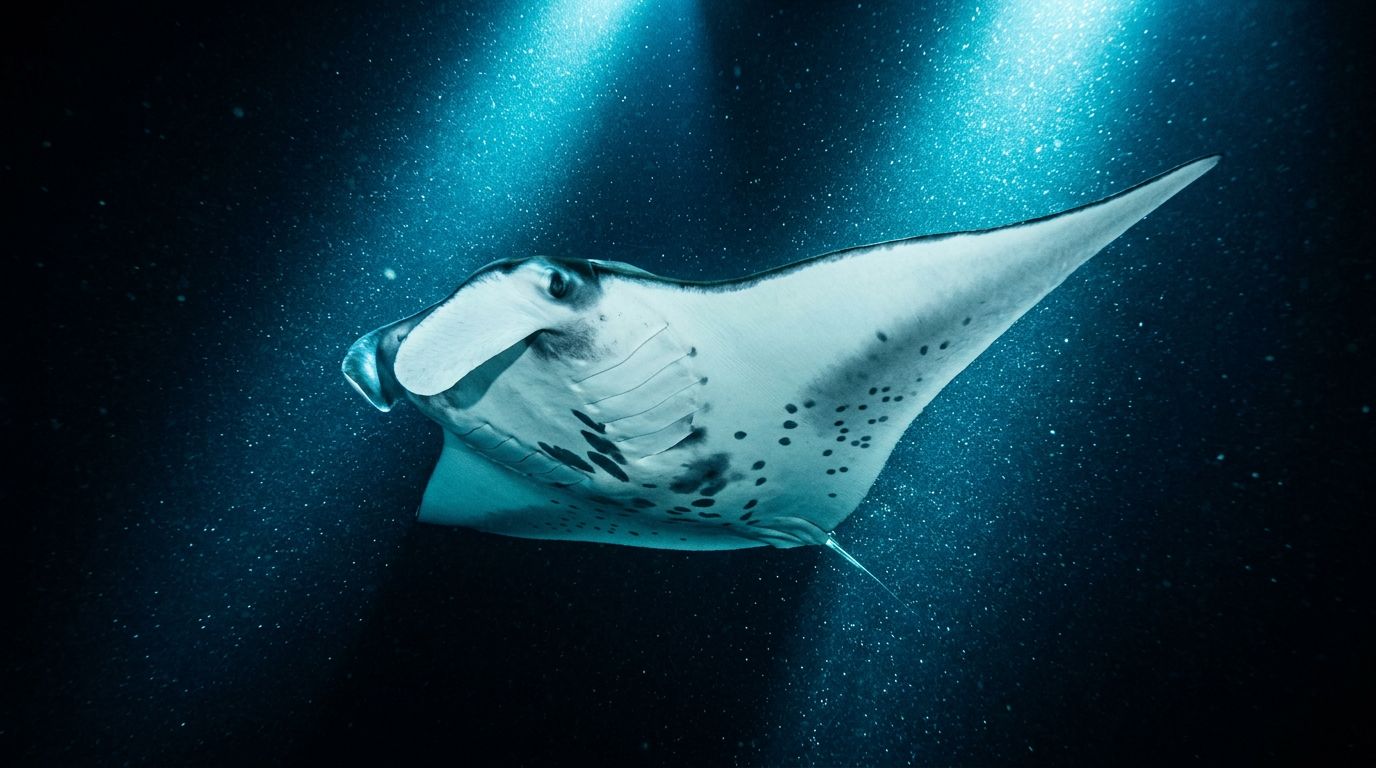
At night off Kona, manta ray spot patterns can turn a graceful silhouette into a recognizable individual. Each ray’s underside carries a distinct arrangement of dark marks, much like a fingerprint you can learn to recognize.
If you’re planning snorkeling Big Island Hawaii adventures, these markings add a fascinating layer to your encounter. Instead of seeing one large animal glide past, you can begin noticing which manta you are watching and how researchers track returning rays.
Why Manta Ray Spot Patterns Matter
Kona’s manta encounters usually involve reef manta rays, scientifically known as Mobula alfredi. These animals can grow several feet across and move with wide, graceful wingbeats. Their pale bellies face the surface when they feed, giving swimmers a clear view of the markings researchers use for identification.
The underside is called the ventral surface. This surface often has dark spots, blotches, freckles, or connected markings across a lighter background. The exact placement differs between individuals, even when two manta rays look similar in size and shape.
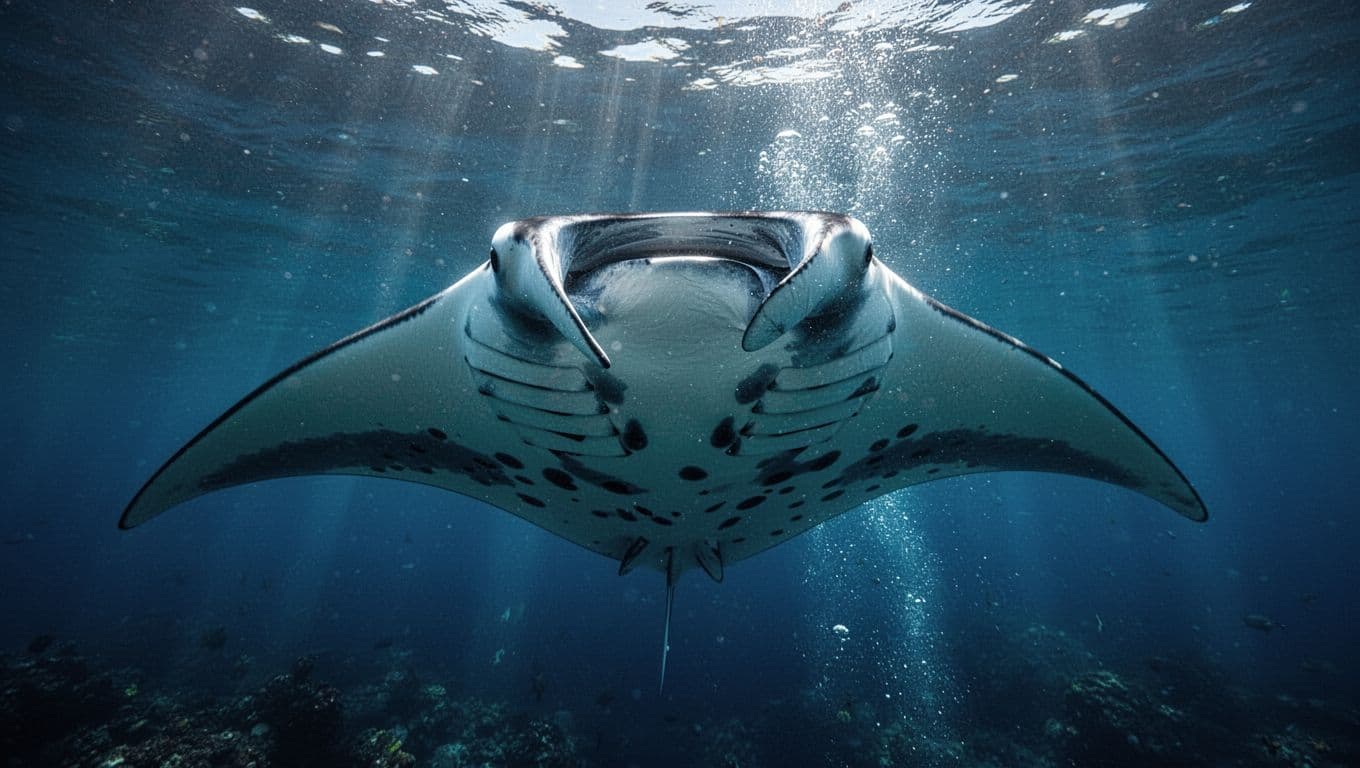
The belly provides the clearest view
You may notice a manta’s dark back first when it approaches. However, the dorsal surface usually offers less detail for individual identification. The belly gives you a broader, brighter area to compare.
A useful photograph shows the entire underside whenever possible. Researchers can then compare the shape and position of markings around the head, gill slits, central belly, and the base of the wings.
The left and right sides may also differ. One side can have a heavier patch near the gill area, while the other shows smaller separated spots. That uneven arrangement helps confirm an individual.
A manta’s identity often depends on the exact location of its spots, not the overall amount of black or white on its belly.
The pattern stays useful over time
Pigmentation usually remains stable enough for repeated identification. A manta can return to the same feeding area months or years later, and a clear photograph may match an earlier sighting.
Still, the pattern isn’t the only clue. Scars, missing tissue, unusual marks, body size, and the shape of the cephalic fins can support the match. A healed injury may add a mark that wasn’t present in an older photograph.
You also shouldn’t treat spots as a complete record of a manta’s life. They don’t tell you the animal’s exact age, mood, health, or feeding history. Instead, they give you a reliable visual feature that works alongside other observations.
How Researchers Read Manta Ray Spot Patterns
Spot identification begins with a good view and ends with comparison. A researcher or trained guide studies a photograph, checks the visible markings, and compares them with known individuals.
The process is more careful than matching a general color. A ray with a mostly white belly may still have a unique cluster of dark marks near one gill slit. Another may show a connected crescent across the lower abdomen.
A useful identification record can include:
- A clear image of the ventral surface.
- The date and location of the sighting.
- The animal’s sex, when known.
- Distinctive scars or physical features.
- The approximate size and behavior of the ray.
- Multiple images showing different parts of the body.
Four features that help confirm an individual
| Feature | What you look for | How it helps |
|---|---|---|
| Ventral spots | The number, shape, and position of dark markings | Provides the main visual match |
| Side-to-side layout | Differences between the left and right belly | Helps confirm that the pattern is unique |
| Scars and marks | Healed scratches, notches, or missing tissue | Adds supporting evidence |
| Body features | Cephalic fins, wing shape, and size | Helps separate similar-looking rays |
The cephalic fins are the rolled or curled structures on either side of the manta’s mouth. They can look different depending on whether the animal is feeding, turning, or swimming. Because their position changes, they work best as supporting evidence rather than the main identifier.
Body size also has limits. A ray may look larger when it swims closer to your camera or smaller when it stays farther below you. Water depth, perspective, and lighting can distort your impression.
For that reason, a strong match relies on the arrangement of marks. The pattern around the central belly can matter more than the ray’s apparent size.
Why one photograph may not be enough
A single image can show a promising match, but poor visibility may hide important details. Night water, movement, bubbles, glare, and partial views can make a familiar manta look different.
Multiple photographs create a better record. One frame may show the left side clearly, while another captures the center of the belly. Even if you aren’t collecting research images, taking several respectful photos can help you remember the encounter.
Guides may also recognize individuals by behavior. One manta might make repeated slow passes over the lights. Another could circle wider or arrive later in the feeding area. Behavior supports identification, but it doesn’t replace the spot pattern.
What You Can See During a Kona Manta Night Snorkel
During a night snorkel, lights on the surface attract plankton. Manta rays move through the illuminated water and filter the tiny organisms from the sea as they feed.
Their movements can bring the belly close enough for you to see the markings clearly. A manta may roll above you, turn on its side, or sweep through the light with its mouth open. These moments often reveal the underside better than a distant daytime sighting.

Kona Snorkel Trips builds its guided experiences around a “Reef to Rays” philosophy. The company uses small-group outings, quality snorkeling equipment, and lifeguard-certified guides who help you observe marine life without crowding it.
Its night trips include custom-built lighted boards that illuminate the water below you. That setup gives you a stable place to rest while you watch the rays feed. It also makes it easier to stay focused on the animals instead of constantly managing your position.
If you want a private outing, private Kona snorkel tours can be customized around your group, reef interests, and preferred pace. The company also places strong attention on reef-safe practices and ocean education.
For another manta-focused option, Manta Ray Night Snorkel offers guided nighttime encounters in Kona. Whichever operator you choose, look for clear safety instructions, appropriate equipment, and guides who respect the animals’ space.
Kona Snorkel Trips has built a five-star reputation through personal service and careful attention to guest safety. You can check availability before choosing a date for your ocean adventure.
“`
A manta encounter is still a wild-animal experience. Conditions, plankton levels, water movement, and animal behavior can change from one evening to the next. Responsible operators explain that sightings are never guaranteed, even in a location known for regular manta activity.
“`
You can also check availability for a Kona manta ray night snorkeling trip.
How to Notice and Photograph the Markings
You don’t need to be a marine biologist to appreciate an individual manta’s pattern. A few simple habits can help you pay closer attention during the encounter.
First, watch for the animal’s belly as it enters the light. The ray may approach from below with its back facing you, then roll slightly as it feeds. Wait for the turn instead of chasing it.
Next, compare the two sides when you get the chance. The marks may not be symmetrical, and one side may be much easier to recognize. A photograph that includes the mouth, both gill areas, and the center of the belly is especially useful.
When you take photos, follow your guide’s instructions about equipment and positioning. Keep your body relaxed, avoid reaching toward the animal, and let the ray decide how close it comes. Sudden movements can interrupt its feeding path.
A few practical habits make your images more useful:
- Hold your camera steady and allow the ray to move through the frame.
- Take several images rather than relying on one blurred shot.
- Keep the entire manta visible when the distance allows.
- Avoid swimming underneath or directly into the ray’s path.
- Record the date and location after the trip if you want to remember the sighting.
- Follow all instructions about flash photography and underwater lights.
The best image isn’t always the closest image. A wider photograph that shows the entire belly can reveal more than a close-up of one dark spot.
You should also avoid touching, feeding, riding, or blocking a manta. Mantas are filter feeders, and their open-mouth feeding passes are part of their natural behavior. Give the animal room to turn and leave.
What the Patterns Can and Cannot Tell You
Manta ray spot patterns can identify individuals, but they don’t answer every question you may have.
The marks can help show that the same ray has returned to a location. They may also help guides and researchers distinguish one animal from another during repeated encounters. Over time, those records can add to knowledge about local manta movements and site use.
However, you shouldn’t use belly markings alone to decide whether a manta is male or female. Sex identification depends on physical features that may not be visible during a brief surface encounter. Size can also mislead you because perspective changes underwater.
The markings don’t indicate that a ray is dangerous. Mantas aren’t stingrays, and they don’t have a venomous tail spine. Their large wings and open mouths can look intimidating when the animal passes close, but their feeding behavior is focused on plankton.
Color can create confusion as well. Low light, blue illumination, suspended particles, and camera exposure may make pale areas appear darker or dark areas appear larger. A ray can look different in two photographs without its actual pattern changing.
For a dependable identification, compare several features:
- The placement of spots around the belly.
- The shape of larger connected patches.
- Differences between the left and right sides.
- Scars, notches, or unusual marks.
- The animal’s size and body proportions.
- The quality and angle of each photograph.
A guide may say, “That looks like a known individual,” rather than make an instant identification. That caution is useful. Good records leave room for comparison instead of forcing a match from limited evidence.
Other Marine Life to Watch While Snorkeling Big Island Waters
Manta rays are one reason visitors snorkel Big Island waters, but the daytime reefs give you a different view of Hawaii’s marine life. Bright sunlight reveals coral structure, small reef fish, sea urchins, and changing water depth.
Kealakekua Bay is a popular destination near the Captain Cook Monument. Its clear water and protected marine environment can offer excellent conditions for observing reef life when the sea is calm.
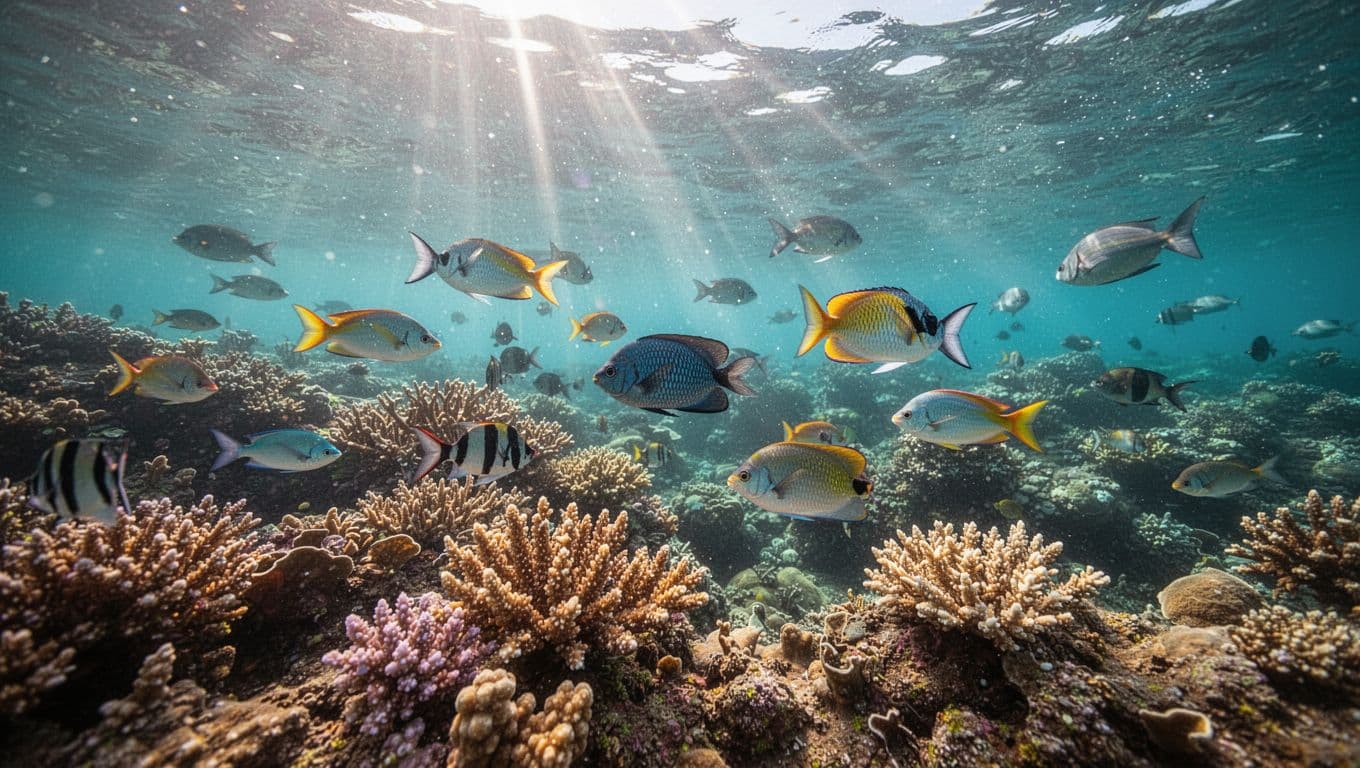
A daytime snorkel can sharpen your appreciation for manta identification. You see how fish use color and shape to blend into the reef, while mantas stand out through their size and underside patterns. The contrast helps you understand why researchers rely on a combination of features rather than a quick glance.
Good conditions matter when your plans include snorkeling Big Island reefs. Ask about sea conditions, departure timing, water temperature, and the activity level expected during your trip. A calm morning can provide better visibility, although marine conditions can change quickly.
If you want to snorkel Big Island sites at your own pace, a private charter can give your group more flexibility. You may be able to spend longer at a preferred reef, adjust the pace for children, or combine snorkeling with time on the boat.
Kona Snorkel Trips also offers Captain Cook and Kealakekua Bay excursions for guests who want to explore a daytime reef before or after a manta night. You can check availability for a Captain Cook snorkeling trip.
“`
The same respect applies on every reef trip. Keep your hands off coral and wildlife, use reef-safe sun protection, and follow your guide’s instructions around protected areas. Your choices help keep these waters healthy for the next group of swimmers.
Conclusion
Manta ray spot patterns give you a practical way to recognize individual rays in Hawaii. The most useful clues appear on the ventral surface, where the position of each mark can remain distinctive over time.
During a Kona night snorkel, watch patiently for the belly, compare both sides, and take respectful photographs when conditions allow. You may arrive expecting to see a manta ray, then leave remembering a specific animal by the pattern that makes it different from every other ray below you.