
How to Put On a Wetsuit for Manta Ray Snorkeling
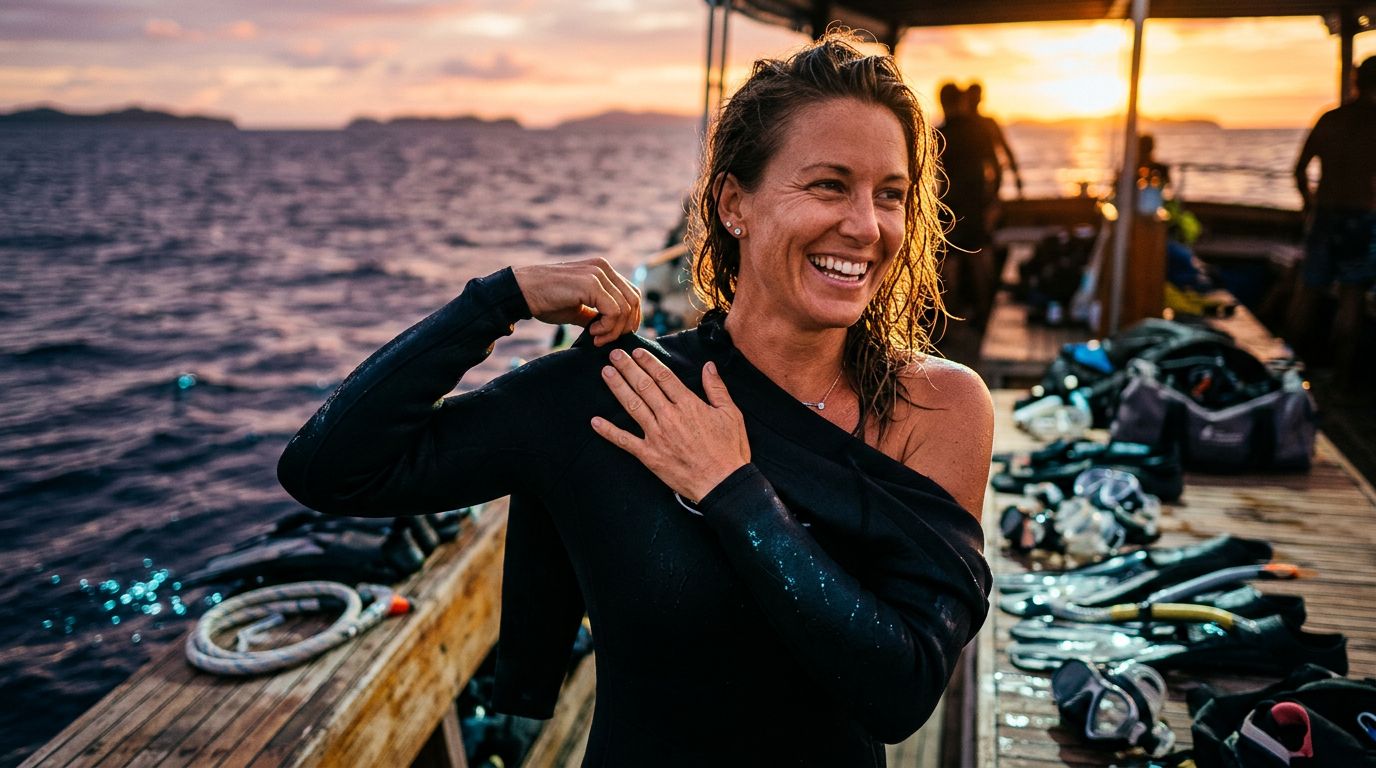
The first few minutes of a manta ray night snorkel can feel rushed. You are watching the sunset, listening to safety instructions, and trying to pull tight neoprene over damp skin. The right method makes the process easier and protects your wetsuit from damage.
Kona Snorkel Trips helps you prepare for nighttime ocean adventures with quality gear, lifeguard-certified guides, and custom lighted boards for manta encounters. For another manta-focused option, you can also visit Manta Ray Night Snorkel Hawaii. Once you know how the suit should fit, getting ready becomes a calm part of the experience.
Key Takeaways
- Put on your wetsuit gradually, starting at the ankles and smoothing each section upward.
- Use your palms and fingertips, not your fingernails, to pull the neoprene.
- A good fit feels snug without restricting your breathing or shoulder movement.
- Ask your guide for help before forcing a zipper, seam, or tight section.
- Rinse the wetsuit with fresh water after your snorkeling trip and keep it away from direct heat.
Why You Wear a Wetsuit for a Night Snorkel
A wetsuit helps you stay comfortable while you float on the surface and watch manta rays feed below. Even in Hawaii, you can feel cool after spending an extended period in the water, especially after sunset. A wetsuit adds insulation and can make it easier to relax during the experience.
Most manta ray tours provide a neoprene wetsuit top, shorty suit, or another layer suited to local conditions. The exact style depends on the operator, water temperature, your body size, and the day’s conditions. Always follow the crew’s recommendation instead of bringing an unrelated suit that may interfere with your mask, snorkel, or flotation equipment.
The suit should fit close to your body. Loose areas allow water to flush through the neoprene, while an overly tight suit can make your shoulders and chest feel restricted. You should be able to breathe normally, turn your head, and move your arms without fighting the material.
Your wetsuit should feel snug like a second skin, not painfully tight like a compression garment.
Before you start, check the suit for obvious tears, twisted seams, or a damaged zipper. If the material feels unusually stiff or the zipper won’t move, tell the crew. A guide can replace the suit or show you a safer way to adjust it.
For extra visual guidance, watch this wetsuit fitting demonstration before your trip. Seeing the gradual pulling technique can help you recognize the correct motion.
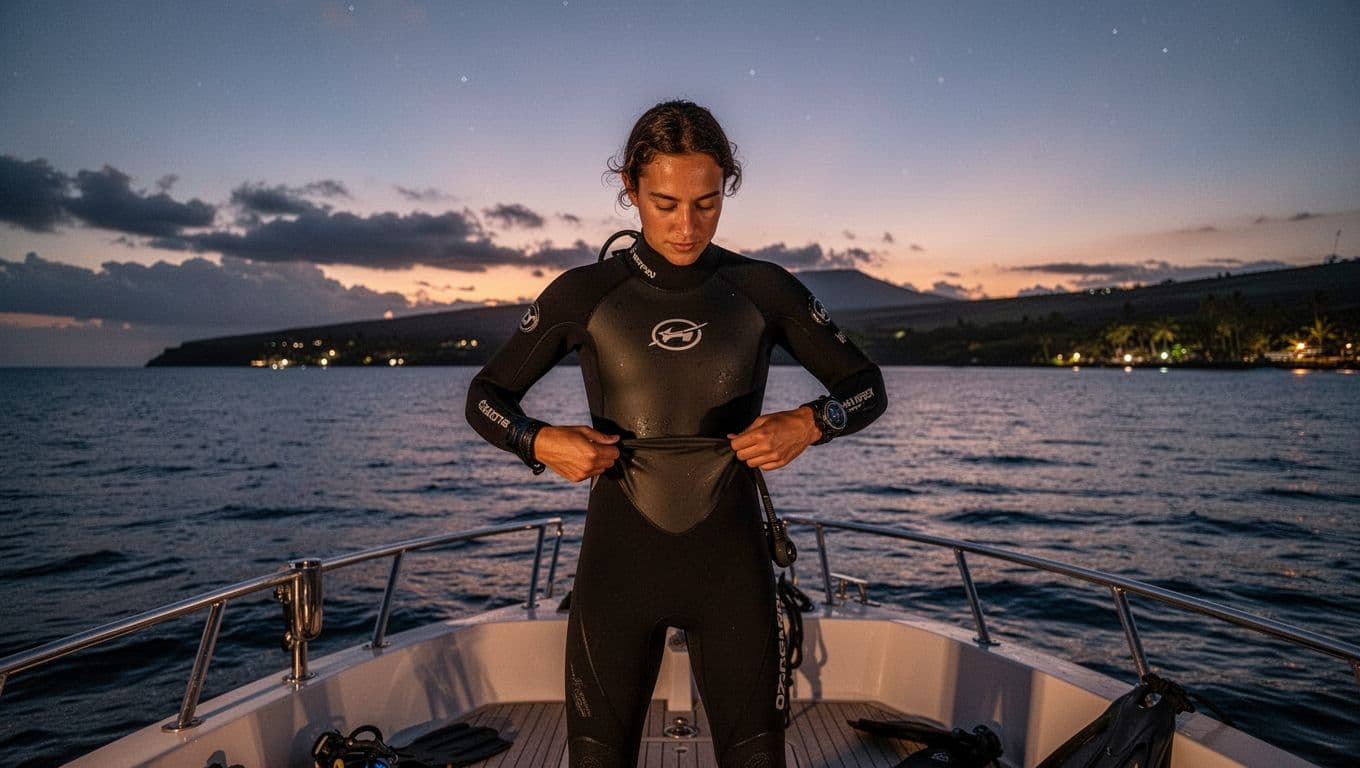
Choose the Right Fit Before You Pull It On
Try the wetsuit on before you board if the operator gives you that option. A dry fitting area makes it easier to notice problems before you are standing on a moving boat deck.
Start by checking the thickness and style. A wetsuit top may be enough for some swimmers, while others may feel more comfortable in a shorty or full suit. If you tend to get cold, mention it to your guide. Your comfort matters because relaxed swimmers usually breathe more evenly and enjoy longer time in the water.
Next, check the main fit points:
- The collar should sit close to your neck without pressing hard against your throat.
- The shoulders should move freely when you reach forward.
- The waist and hips should stay in place without large gaps.
- The cuffs should lie flat around your wrists or ankles.
- The zipper should close smoothly without pulling the suit sideways.
If you are between sizes, ask the crew to compare two options. A suit that feels slightly snug on land may feel more comfortable in the water, but it should never cause pain, numbness, or shortness of breath.
Remove watches, bracelets, rings, and sharp hair accessories before dressing. These items can snag the neoprene or scratch your skin. If you have long hair, secure it with a soft tie that won’t catch in the zipper.
Some people use a small amount of water to help a wetsuit slide over damp skin. Don’t apply sunscreen, oil, petroleum jelly, or household lubricants to the neoprene. Those products can damage the material and leave residue in the water.
Step-by-Step: How to Put On a Wetsuit
Take your time, especially when the suit is dry. Neoprene stretches, but it doesn’t respond well to sudden force. Sit down whenever possible so you can keep your balance and work on one section at a time.
- Open the suit fully.
Unzip the back or front zipper and turn the upper portion inside out if needed. Make sure the legs are separated and the ankle openings aren’t twisted. - Start with one foot.
Guide your toes through the opening, then pull the neoprene over your heel. If the ankle feels tight, use your fingertips to widen the opening gently. Never hook your fingernails into the fabric. - Work the material over your calf.
Pull the suit a few inches at a time. Then smooth the fabric around your lower leg before pulling again. Remove folds as you go instead of leaving all the adjustments for the end. - Repeat on the other leg.
Bring both legs to the same height before moving higher. The suit should sit evenly around your knees and thighs. If one leg is higher, the material may twist at the hips. - Pull the suit over your hips.
Use flat hands to gather the neoprene and lift it upward. You may need to fold the suit at the knees, pull the lower sections into place, and then continue. A diver discussion on putting on wetsuits without stretching seams includes this same sit-down approach. - Settle the torso and shoulders.
Reach inside the suit and pull the fabric into place from the waist upward. Smooth the material across your stomach, back, and chest. Then place your arms through the sleeves one at a time. - Close the zipper carefully.
Keep the suit straight while you zip it. If the zipper catches, stop and back it up slightly. Ask a guide for assistance rather than pulling harder. - Check the collar and cuffs.
Flatten any rolled edges around your neck, wrists, and ankles. You should have a close seal without pinching your skin.
The most common mistake is pulling from the sleeve or shoulder before the lower half sits correctly. That motion places stress on the seams and creates folds that can rub your skin. Always work upward from the ankles and hips.
When you finish, raise both arms, rotate your shoulders, and take several normal breaths. Bend your knees and walk a few steps. If you can’t move comfortably, remove the suit and try a different size.
Get Dressed Without Damaging the Neoprene
Boat decks can be wet, narrow, and busy, so choose a stable spot away from the boarding area. Sit on a bench or use a changing mat if one is available. Keep your fins, mask, and personal items nearby, but don’t place sharp objects under the suit.
Your guide may help pull the suit over your shoulders or check the zipper. Accept that help early. Guides who work with snorkeling groups see fit problems every day, and a quick adjustment can prevent discomfort later.
Avoid standing on rough concrete or dragging the suit across the deck. Salt, grit, and rough surfaces can wear down the outer lining. If you need to remove the suit, reverse the same process slowly. Push the material down with your palms instead of yanking from the cuffs.
Once dressed, listen for instructions about entering the water. Night snorkeling requires attention to the guide, flotation board, lighting equipment, and other swimmers. Stay with your group and keep your mask and snorkel secure before you enter.
For travelers researching snorkeling Big Island Hawaii activities, the same preparation matters on daytime reef trips. When you snorkel Big Island waters at night, however, calm movement and careful gear checks become even more important because visibility changes after sunset.
Preparing for a Kona Manta Ray Tour
Kona Snorkel Trips follows a “Reef to Rays” philosophy, with small-group outings, well-maintained snorkeling gear, and guides who focus on safety and reef care. During its manta ray night snorkel, you may use a custom-built lighted board that attracts plankton near the surface. Manta rays then feed beneath the board while you watch from the water.
The crew can help you choose the right wetsuit layer, adjust your mask, and check your equipment before you enter. That personal attention is useful if you are a first-time snorkeler, traveling with children, or unsure how snug the suit should feel.
You can explore Big Island snorkeling excursions to compare available trips, including manta ray experiences and other guided ocean adventures. If you want a night manta tour, you can also check availability before choosing your date.
Nighttime water can make small discomforts feel larger. Tell your guide if your collar rubs, your shoulders feel restricted, or you can’t breathe normally. Adjusting your wetsuit before you swim is far easier than trying to fix it while floating.
After the tour, rinse the suit if the crew directs you to do so. Hang it in a shaded, ventilated place and keep it away from hot car interiors, radiators, and direct sunlight. Proper care keeps the neoprene flexible for your next ocean outing.
Conclusion
Putting on a wetsuit for manta ray night snorkeling takes patience more than strength. Start at your ankles, smooth each section upward, use your palms instead of your nails, and ask your guide for help when something doesn’t fit.
Once the suit feels comfortable, you can focus on the lighted board, the quiet water, and the manta rays moving below you. Good preparation keeps the first minutes of your trip calm, so the rest of the night belongs to the ocean.