
When No Mantas Appear on a Kona Night Snorkel
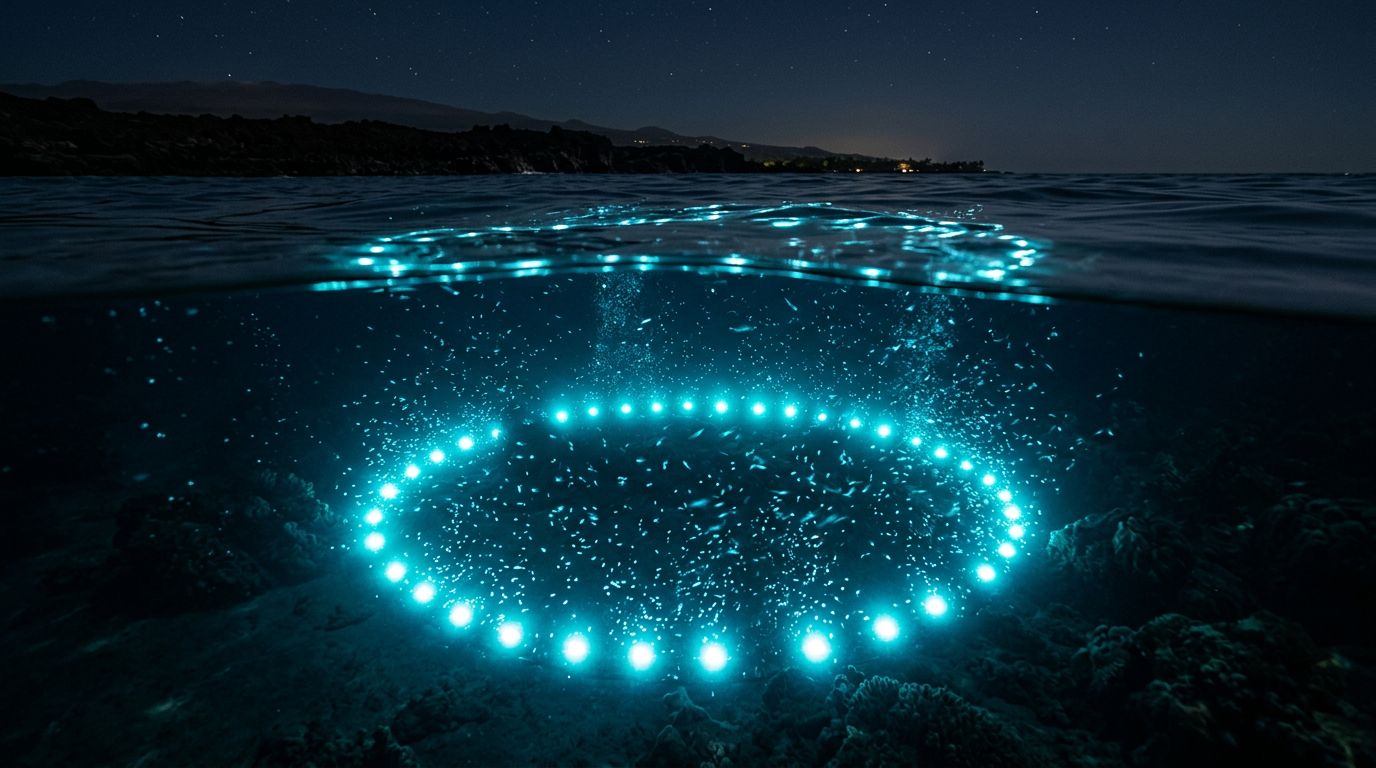
A manta ray night snorkel can give you one of Hawaii’s most memorable ocean experiences, but wild animals never follow a schedule. Sometimes the water stays dark, the lights attract plankton, and no manta rays arrive.
That outcome can feel disappointing, especially after planning your evening around it. However, a no-sighting trip should still include safe guidance, honest communication, and a clear explanation of your options. Your experience starts with choosing the right operator and understanding what the ocean can and cannot promise.
A no-sighting night can still be a worthwhile trip
Manta rays are wild marine animals, not performers waiting for a show time. Tour crews can choose a productive site, set up lights, and follow local conditions, but they can’t call a manta to the surface.
The ocean may look calm from shore while conditions below remain less favorable. Mantas might find food in another area, follow a different current, or stay away because plankton concentrations have shifted. Even a location known for regular encounters can have an empty night.
Your guide should explain this before you enter the water. You deserve a realistic description of the experience, including the possibility that rays may not appear. A thoughtful crew won’t promise a guaranteed encounter or pressure you to stay in rough water.
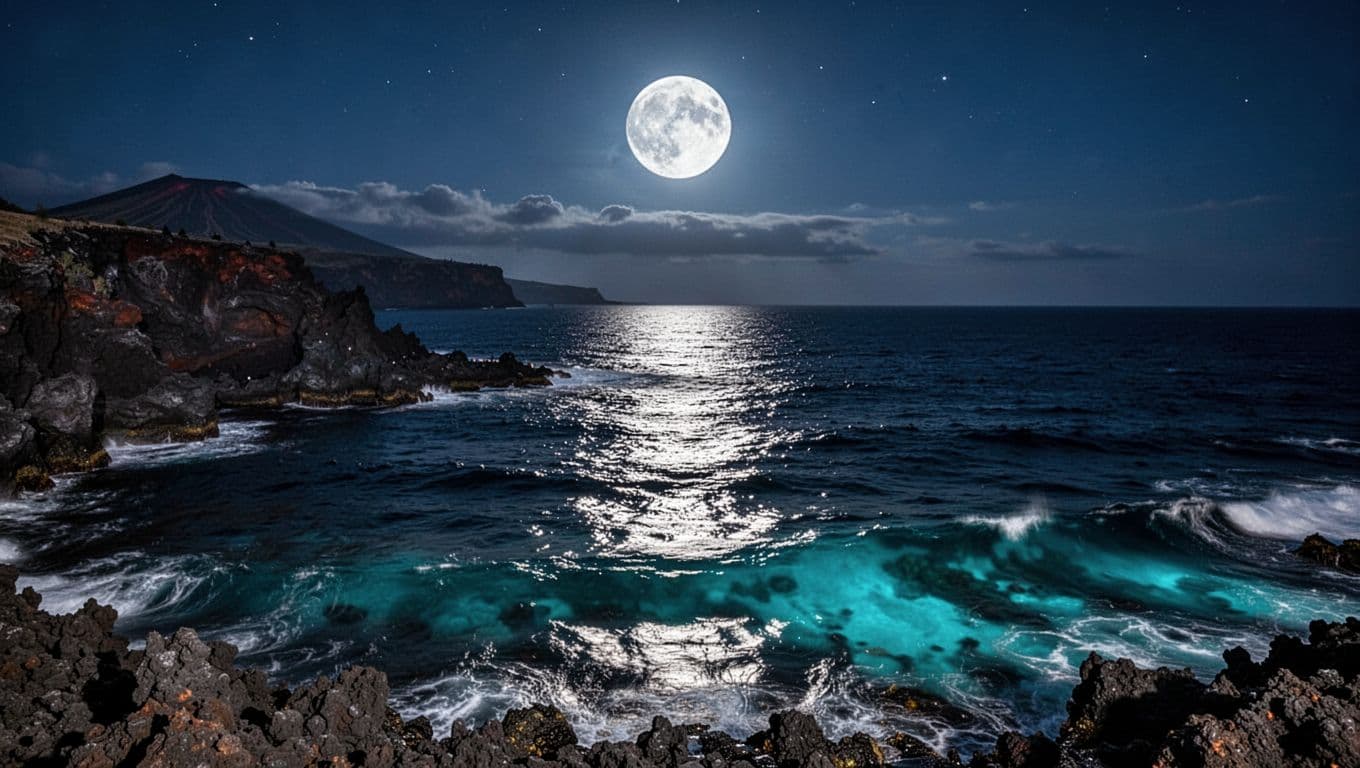
Kona Snorkel Trips follows a “Reef to Rays” philosophy that places safety, personal service, and reef protection at the center of its tours. Small groups, quality snorkeling equipment, custom-built lighted boards, and Lifeguard Certified guides help you feel prepared in the water. The crew also teaches reef-safe practices and asks you to observe marine life without touching or chasing it.
You can compare available Kona snorkel tours before choosing your evening. Another company to compare is Manta Ray Night Snorkel Hawaii, which also discusses what happens when mantas don’t show up.
A no-sighting night doesn’t erase the value of a guided ocean trip. You still get time on the Kona coast, learn how night snorkeling works, and practice observing a living reef with care.
If you want to compare dates for a guided trip, you can check availability.
Why manta rays may not appear
Several natural factors can change the outcome of your Big Island night snorkel. The most important factor is food. Manta rays visit the lights because microscopic plankton gathers near the surface. When the food moves, the rays may follow it.
Water movement also matters. Strong currents can spread plankton across a larger area, which makes the feeding conditions less concentrated. Wind, swell, and changing weather can affect visibility and make the surface less comfortable for both swimmers and rays.
The moon may influence the amount of natural light in the water, although artificial tour lights remain the main tool used at many sites. Water clarity can change after rain or rough weather. A cloudy surface doesn’t always mean poor visibility below, but it can affect the overall setting.
Mantas may also arrive later than expected or make only a brief pass. You could see one ray before it disappears, or the animals might remain outside the group. Guides need to balance your viewing opportunity with safe spacing and respectful wildlife practices.
Your own behavior can help. Sudden splashing, chasing, touching, or blocking a ray’s path can disturb the animal and reduce the quality of the encounter. Slow movements and steady breathing make it easier for you to watch without interfering.
For practical preparation, review these manta ray snorkeling tips before your trip. You can learn what to expect from the light boards, how to move in the water, and why guides ask you to keep your hands to yourself.
The calendar can affect expectations too. A busy holiday week doesn’t create more mantas, and a quiet travel period doesn’t remove them. Each night depends on the animals and conditions present at that moment.
What a responsible crew should do when there are no rays
Your crew should tell you clearly when the wait is no longer productive. Guides may give the water time to develop, adjust the light setup, or move within the permitted operating area. They shouldn’t chase animals, crowd another group, or keep you in uncomfortable conditions to protect a promise.
Safety comes first when you snorkel at night. You need to stay near your guide, keep your flotation support close, and follow instructions about position and spacing. If you feel cold, tired, seasick, or anxious, tell the crew immediately. You never need to remain in the water to prove your commitment.
After the trip, ask what the operator’s no-sighting policy covers. Some companies offer a return trip based on availability, while others may provide a different form of compensation. The policy may apply only when no manta appears, not when weather forces a cancellation or you choose to leave early.
Read the terms before booking, especially if seeing a manta is the main reason for your trip. Manta Ray Night Snorkel Hawaii explains a return option for nights without sightings, subject to availability. That kind of policy can give you more flexibility, but you should confirm the current terms directly with the company.
Kona Snorkel Trips can also explain its current booking and trip policies when you reserve. If the date matters to you, ask whether a return visit is possible, how cancellations work, and what happens if sea conditions make the tour unsafe.
When your tour operator communicates well, a disappointing sighting becomes easier to handle. You know what happened, what the crew tried, and whether you have a reasonable next step.
If you choose a Kona Snorkel Trips manta tour, you can check availability before your travel dates fill up.
How to improve your chances without disturbing the animals
You can’t control manta behavior, but you can make smart choices that protect your time and comfort.
Book your manta excursion early in your stay rather than on your final night. If the trip gets canceled because of weather, or the rays don’t appear, you may have another evening available. This approach also gives you room to choose a daytime snorkeling trip later in the week.
Before booking, ask these questions:
- Does the tour have a no-sighting or return policy?
- What swimming ability does the trip require?
- How does the crew handle cold water, seasickness, or fatigue?
- What happens if weather conditions make the trip unsafe?
Arrive ready for the conditions. Bring a warm layer for the boat ride, even if the afternoon felt hot. Avoid a heavy meal immediately before boarding, and follow the operator’s instructions about medications if you are prone to motion sickness.
You should also judge your swimming comfort honestly. Night snorkeling can feel different from daytime swimming because the water around you appears dark. Families should discuss the experience with children in advance, and every participant should understand that staying calm matters more than swimming toward a ray.
A recent Big Island traveler discussion about manta snorkel safety shows the kinds of questions guests often ask before booking. Personal stories can help you prepare, but your tour crew remains the best source for current conditions and policies.
Most importantly, don’t measure the trip only by the number of animals you see. You are entering a living environment at night. Respectful observation protects the experience for future guests and keeps the focus on the health of the reef.
Have a backup plan for snorkeling on the Big Island
If your main goal is time in the ocean, plan more than one water activity. Your search for snorkeling Big Island Hawaii may begin with manta rays, but the island offers strong daytime options too.
Kealakekua Bay is known for clear water, volcanic coastline, and a protected marine environment near the Captain Cook Monument. A daytime trip lets you see the reef in natural light, when fish behavior and coral details are easier to observe. You can also choose a standard reef tour if you prefer a shorter outing.
When you snorkel Big Island waters, remember that conditions vary by coastline. Kona’s west side often offers calmer access than exposed areas, but every site still depends on wind, swell, and visibility. Your guide can select an appropriate location instead of sending you into poor conditions.
Seasonal whale watching can also fill a different evening during humpback season. A private boat charter gives you more flexibility for timing, route, and group needs, although wildlife sightings remain unpredictable there too.
Kona Snorkel Trips offers guided reef trips, Captain Cook excursions, whale watching, and private ocean outings alongside its manta experience. That range makes it easier to build a snorkeling Big Island itinerary with more than one type of marine encounter.
A backup plan doesn’t mean you expect failure. It means you give yourself several ways to enjoy the coast, whether you watch a manta beneath the lights, explore a daytime reef, or spend an afternoon above the volcanic shoreline.
Conclusion
A night without manta rays can disappoint you, but it shouldn’t leave you confused or unsafe. Wild animals control the encounter, while a responsible crew controls preparation, communication, and the decision to protect guests and wildlife.
Book early, ask about the no-sighting policy, and choose an operator that values safety and reef care. With a flexible plan, your manta ray night snorkel can remain a meaningful part of your Hawaii trip, even when the ocean keeps its visitors out of sight.