
Can You Touch Manta Rays on a Manta Ray Night Snorkel?
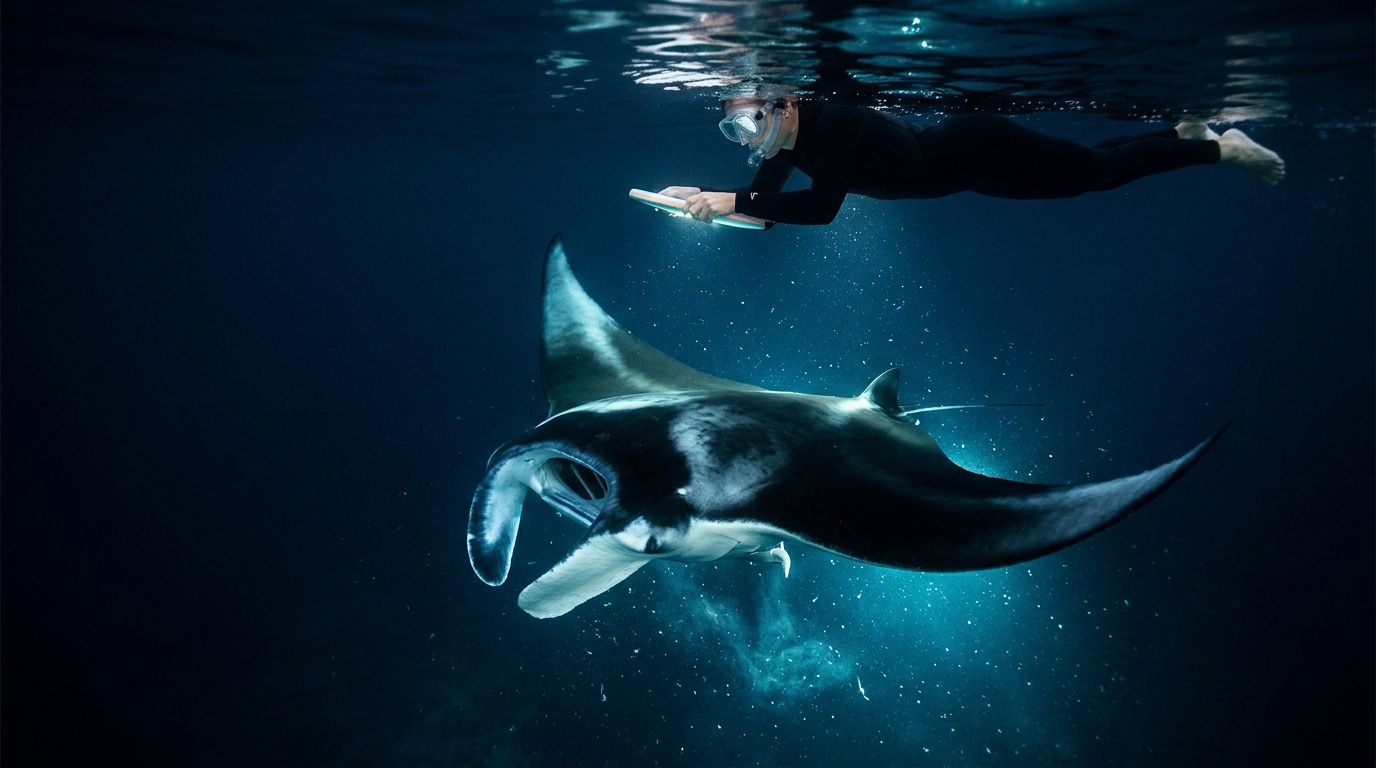
A manta ray may glide within inches of your face during a manta ray night snorkel, but you must keep your hands off. The close approach is part of the magic, not an invitation to make contact.
Kona Snorkel Trips follows a “Reef to Rays” approach with small-group tours, quality snorkeling gear, custom-built lighted boards, and lifeguard-certified guides. For another manta-focused option, you can visit Manta Ray Night Snorkel Hawaii, where the same hands-off standard applies. Your best encounter happens when you let the manta control the distance.
Can You Touch Manta Rays on a Night Snorkel?
No. Organized manta ray tours in Kona use a strict no-touch rule.
You can watch the rays glide, turn, roll, and feed beneath you. You can’t reach toward them, hold them, push them away, ride them, or swim after them. You also shouldn’t dive down to get closer. The safest position is on the surface, usually holding the edge of a lighted float board while you watch the animals below.
Manta rays are peaceful filter feeders. They don’t have the venomous tail barb associated with many stingrays, and they don’t hunt people. Still, their calm behavior doesn’t make physical contact safe for them.
A manta may approach so closely that its wingtip or belly appears within arm’s reach. When that happens, keep your hands on the board or close to your body. Let the animal turn away on its own.
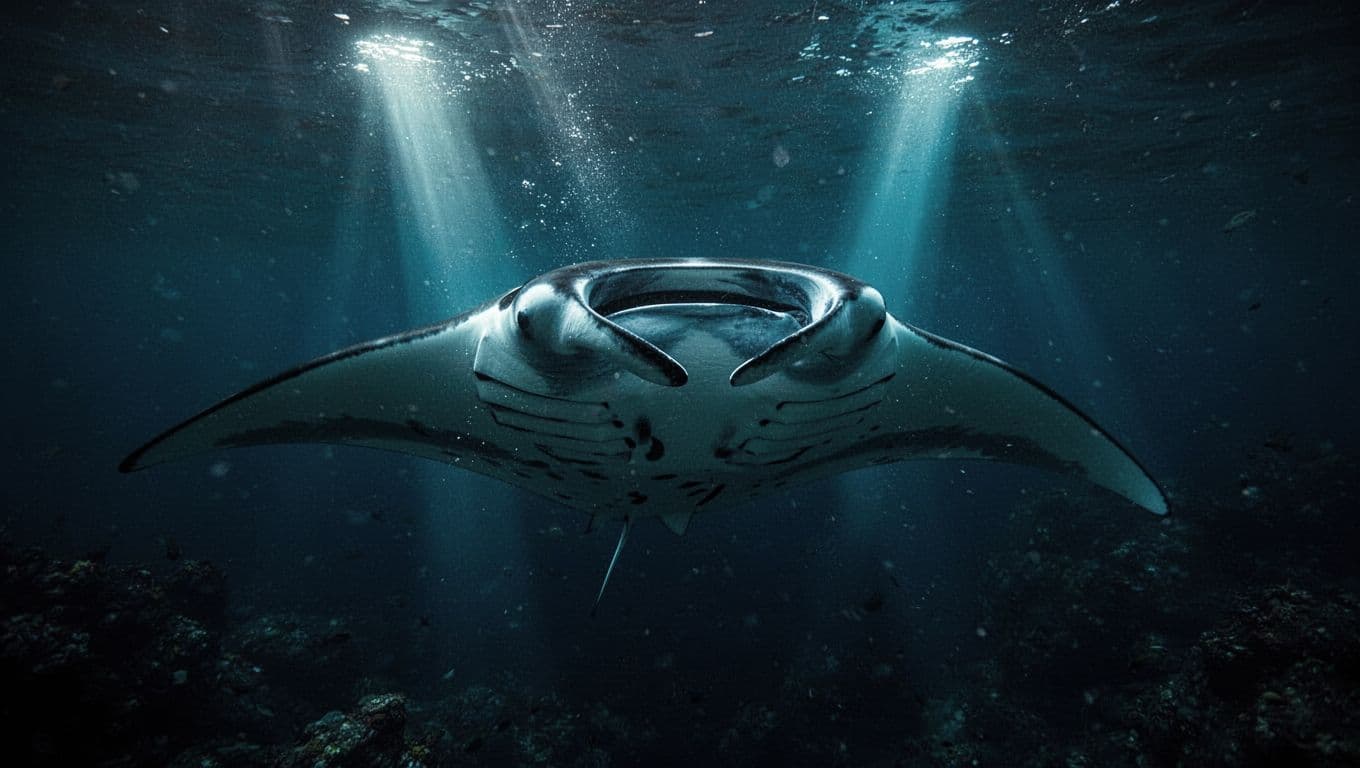
The rule is simple: look, but don’t touch. That applies even when the ray appears curious, relaxed, or comfortable around swimmers.
Why a Manta Ray Night Snorkel Has a No-Touch Rule
The no-touch rule protects the manta’s body and helps preserve its natural feeding behavior. It also gives you a safer, calmer way to observe a wild animal.
Manta rays have a protective mucus layer
Manta rays have a thin mucus coating on their skin. This layer helps protect them from bacteria, parasites, and infection. Human hands can rub away part of that coating, especially when contact happens repeatedly in the same busy viewing area.
You may not see damage after touching a manta. That doesn’t mean the contact had no effect. A small disturbance to the mucus layer can create a problem later, after the animal leaves the site.
Sunscreen, lotion, insect repellent, and other products on your skin can add another concern. Even reef-friendly products shouldn’t be treated as harmless to every marine animal. Keeping your hands off the manta removes that risk.
Hawaii Ocean Watch has also described manta-viewing standards that call for passive observation. The goal is to let the animal approach voluntarily while you remain still.
Contact can change the animal’s behavior
Manta rays visit illuminated areas because light attracts plankton, their food source. The animals sweep through the water with their mouths open, filter tiny organisms, and move away when the food concentration changes.
A swimmer who reaches, kicks, or blocks the ray can interrupt that pattern. The manta may leave the feeding area, change direction, or avoid the lights for a while. One person’s attempt to touch it can affect everyone in the water.
Mantas are also large, powerful animals. Even a gentle turn can create a strong current. Keeping your distance protects you from an unexpected collision and gives the ray room to move.
How a Manta Ray Night Snorkel Works in Kona
A typical Kona night tour begins with a safety briefing before you enter the water. Your guide explains how to use the mask, snorkel, flotation equipment, and lighted board. You also learn where to place your hands and how to move without kicking toward the animals.
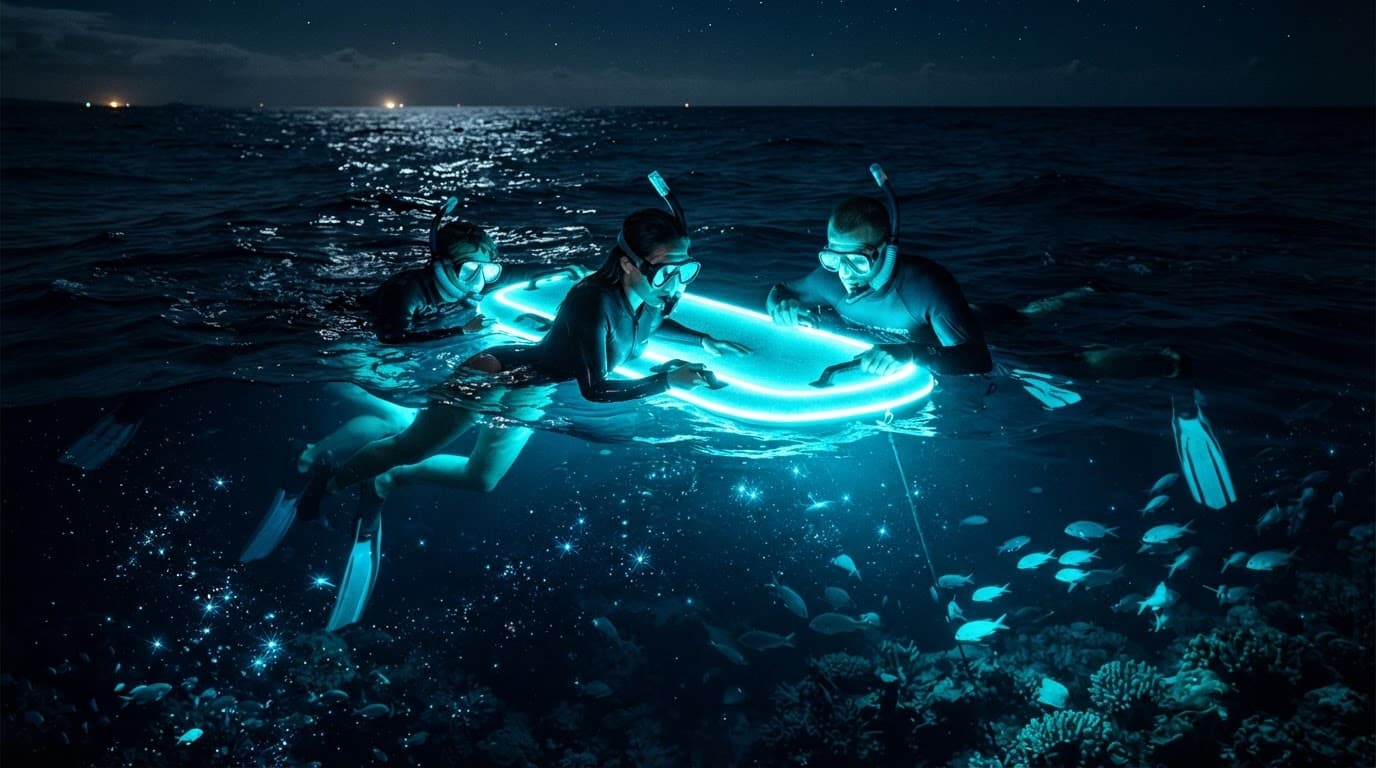
After sunset, the boat travels to an established manta viewing area. The crew positions the lighted board at the surface, and the lights shine downward through the water. Plankton gathers around the illumination, which can attract manta rays as they feed.
You then enter the water and hold the board with the rest of your group. Most of your body stays at the surface while you look down into the illuminated water column. The dark surroundings make the light beam feel much brighter, and the mantas can appear suddenly from below or the side.
Your guide watches the group and the animals. Follow directions about spacing, hand placement, and when to enter or leave the water. Conditions can change with wind, current, visibility, and animal activity, so the crew may adjust the setup during the tour.
A good manta snorkel doesn’t require you to chase anything. The light does the work, and the animals decide whether to pass through the area.
At some moments, a manta may turn on its side or loop beneath the board. This behavior can make the animal seem almost playful, but you still need to remain passive. The best view often comes when you stay still.
You can check availability for a Kona manta night snorkel before choosing your date.
What Should You Do When a Manta Ray Swims Close?
Your response matters most when the manta comes near. Instead of reaching out, use the following approach:
- Keep both hands on the float board or folded calmly near your body.
- Hold your position and let the guide manage the group.
- Keep your fins still when a manta passes beneath you.
- Leave an open path so the animal can turn or swim away.
- Stay at the surface unless your guide gives different instructions.
- Avoid flash photography unless the crew specifically permits it.
Don’t follow a manta that moves away. Chasing creates pressure and can push the animal out of the feeding area. If you lose sight of it, stay with the board rather than swimming after it.
You also shouldn’t position yourself directly in front of a manta’s path. The animal may be focused on feeding and may not react quickly to a person in the water. Your guide can help you move safely without crowding the ray.
If you accidentally brush against a manta, don’t panic. Move away slowly, avoid trying to touch it again, and tell your guide what happened. Accidental contact is different from reaching out, but the right response is still to give the animal space.
The closest encounter often happens when you stop trying to make it happen.
Is Touching Manta Rays Illegal in Hawaii?
You should treat touching as prohibited, whether the rule comes from state regulations, operator standards, or the safety briefing on your boat.
The legal details are more complicated than a simple statewide statement that covers every type of contact. Hawaii Ocean Watch has noted criminal penalties and administrative fines established in 2009 for knowingly killing or capturing manta rays in state waters. Its materials also distinguish those offenses from incidents such as harassment, collisions, and entanglement, which may not carry the same penalties in every situation.
A Maui Now report on proposed manta-viewing rules shows that activity-specific guidance has developed over time. Operator policies remain the clearest rule for you during a tour.
A captain or guide can remove a guest from the water for touching, chasing, or harassing wildlife. That decision protects the animal, the rest of the group, and the operator’s permit and safety standards.
You don’t need to debate the legal wording at the dock. Follow the hands-off rule every time. Responsible wildlife viewing starts with respecting the instructions that keep the encounter passive.
How to Choose a Responsible Kona Manta Tour
The operator you choose affects both your comfort and the quality of the encounter. Look for a company that gives you a clear briefing before entering the water and explains why touching is prohibited.
Small groups can make it easier to hear your guide and keep a comfortable position around the board. Ask how many guests the boat carries, what flotation equipment is provided, and whether a guide remains in the water with the group.
Safety matters even more during a night activity. Check whether the crew has current lifeguard or water-safety training, and ask how the company handles changing weather or rough conditions. You should also understand the cancellation policy before you pay.
Kona Snorkel Trips builds its manta tours around small-group service, quality gear, custom-built lighted boards, and lifeguard-certified guides. Its Reef to Rays philosophy combines marine education with reef-safe practices, so you receive instructions about both personal safety and wildlife protection.
The company also offers other Big Island ocean trips. If your plans include daytime reefs, private snorkel tours can give your group more control over timing, locations, and the pace of the day.
When you compare tours, pay attention to the details behind the photo opportunities. A company that teaches passive observation is helping you enjoy a better wildlife encounter.
What Should You Bring to a Night Manta Snorkel?
Your tour company usually provides the main snorkeling equipment, but you should arrive prepared for an evening on the water.
Bring a swimsuit, towel, dry clothes, and a warm layer for the boat ride back to shore. Even in Hawaii, you can feel chilled after spending time in the water at night. A waterproof phone pouch can help protect personal items, but keep phones and cameras secured so they don’t become a distraction.
If you get motion sickness, ask your medical provider about suitable options before the trip. Follow the operator’s timing instructions, since some products need to be taken before boarding.
Eat a light meal before departure and drink water during the day. Avoid arriving dehydrated or overly full. You also need to tell the crew about medical conditions, swimming concerns, or previous problems in open water.
A night snorkel may not be the right activity if you aren’t comfortable floating in the ocean. Ask about flotation support and the required swimming ability before booking. A good guide can explain the setup, but no tour can remove every challenge associated with open water after dark.
Leave jewelry and loose accessories at your accommodation. They can catch on equipment or fall into the ocean. Reef-safe habits also matter before you enter the water, so avoid applying oily products immediately before the tour unless your operator gives different instructions.
Can You Snorkel Other Big Island Reefs Without Touching Wildlife?
Yes, and the same rule applies during daytime snorkeling. Many travelers plan a snorkeling Big Island itinerary around clear-water reefs, then add the manta encounter after dark. If your Hawaii plans include snorkeling Big Island Hawaii reefs during the day, treat fish, coral, sea turtles, and other wildlife as observation-only subjects.
A Captain Cook snorkel tour at Kealakekua Bay gives you a different view of the island’s marine environment. Daylight makes it easier to see reef structure, fish behavior, and the volcanic coastline. You still need to keep your fins away from coral and avoid grabbing rocks or animals.
Coral may look tough, but living colonies can break from a fin strike or handhold. Sea turtles also need room to breathe and swim. If one appears nearby, stay still and let it choose the distance.
This approach helps you snorkel Big Island waters without treating the reef as an interactive exhibit. You can enjoy a close view while leaving the habitat in place for the next group.
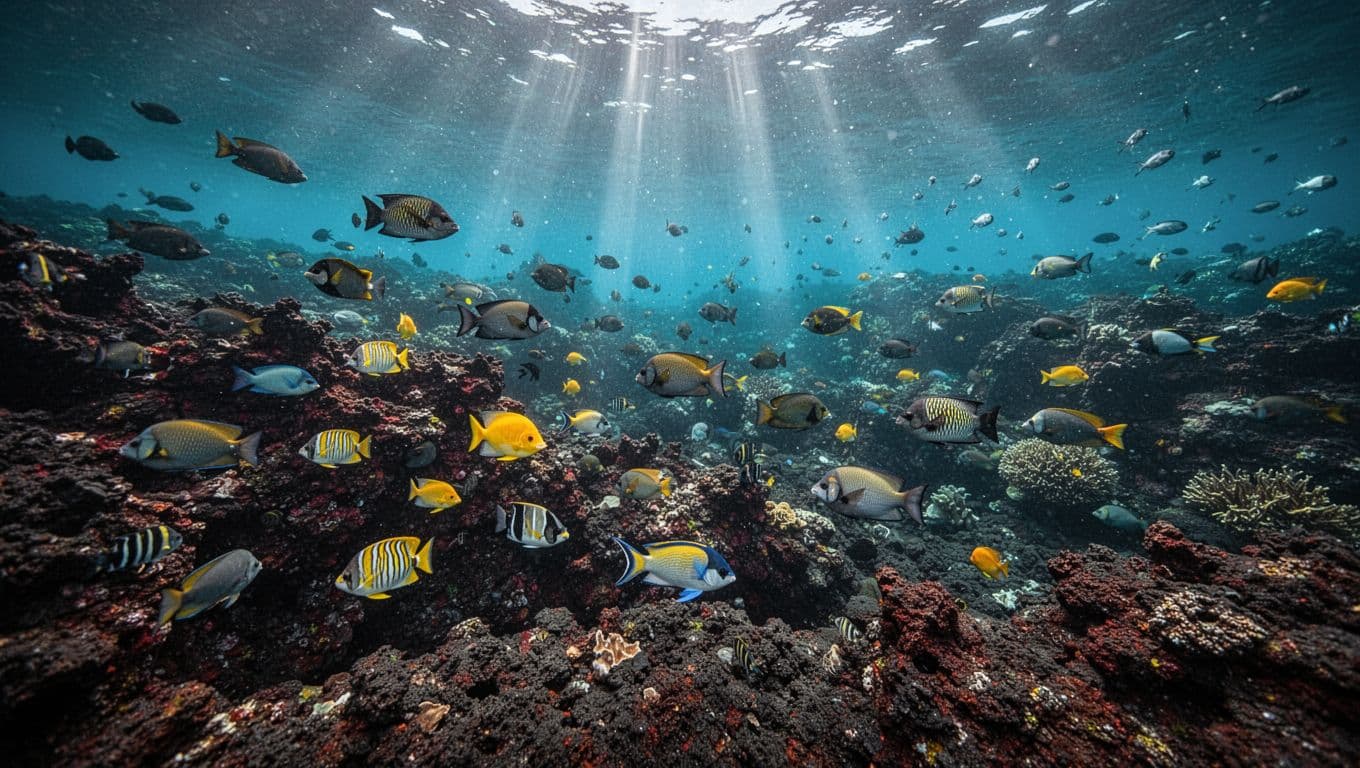
The night manta tour and a daytime reef trip complement each other. One shows you open-water feeding behavior under artificial lights. The other reveals the colors and structure of a volcanic reef in the sun.
The Hands-Off Rule Gives You a Better Encounter
You can’t touch manta rays during an organized night snorkel, and you shouldn’t try. Keep your hands on the board, stay at the surface, and let each manta choose how close it comes.
The animals’ peaceful nature makes the encounter special, but their calm behavior also makes them vulnerable to careless contact. A responsible operator will explain the no-touch rule, watch the group, and give you the tools to observe without chasing.
When a manta glides within inches of your mask, staying still is the respectful choice. You get the unforgettable view, and the ray can keep feeding on its own terms.