
What to Eat Before a Manta Ray Night Snorkel

A manta ray night snorkel asks your body to do two things at once: stay relaxed in the water and handle a boat ride after dark. The right pre-snorkel meal gives you steady energy without leaving you bloated, sleepy, or seasick.
Your best choice is usually a small, familiar meal with easy-to-digest carbohydrates, modest protein, and limited fat. Timing matters just as much as the food itself, so plan dinner around your tour check-in rather than eating a large meal at the last minute.
Why your pre-snorkel meal matters
Night snorkeling in Kona often involves a boat ride, floating in open water, and steady swimming or kicking. Even when the sea feels calm at the harbor, conditions can feel different once you’re offshore. A heavy meal may sit uncomfortably during the ride, while skipping food can leave you shaky or distracted.
Carbohydrates are useful before activity because they provide accessible energy. Rice, toast, oatmeal, fruit, potatoes, and crackers are practical choices. You don’t need a huge portion. A moderate serving can help you feel fueled without making you feel full.
A little protein can also help you stay satisfied. Eggs, yogurt, tofu, or lean chicken work well in small portions. However, meals high in fat take longer to digest for many people. Fried foods, creamy sauces, and large portions of cheese can feel especially unpleasant when you’re moving on a boat.
Your meal should also match your normal habits. If you rarely eat spicy food, a manta ray tour isn’t the time to test an extra-hot poke bowl. Familiar foods let you focus on the water, your guide, and the rays instead of wondering whether your stomach will cooperate.
A good rule is to finish your main meal two to three hours before departure. If your schedule doesn’t allow that, eat a smaller snack 60 to 90 minutes before check-in. You can adjust the amount based on your appetite, body size, and past experience with swimming or boat trips.
For a broader look at food ideas, you can also review these pre-snorkel meal suggestions before planning your evening.
When to eat before your manta ray night snorkel
Tour schedules vary, so use your check-in time as your anchor. If you need to meet your guide at 5:00 p.m., try to eat your main meal around 2:00 or 2:30 p.m. A small snack later can fill the gap without creating a heavy feeling.
You may prefer an early dinner before leaving your hotel. In that case, give yourself enough time to eat slowly and use the restroom before heading to the harbor. Rushing through a meal in the car can increase discomfort, especially if you already feel nervous about the boat ride.
A simple timing guide looks like this:
| Time before check-in | What to eat |
|---|---|
| 3 hours | Small meal with rice, potatoes, toast, fruit, and a little protein |
| 2 hours | Light meal, such as oatmeal with banana or a turkey sandwich |
| 60 to 90 minutes | Small snack, such as applesauce, crackers, or a banana |
| Less than 45 minutes | A few bland bites and small sips of water |
You don’t need to force yourself to eat if you’re still full from lunch. Instead, pack a simple snack and eat only what feels comfortable. A banana, plain crackers, or applesauce can work better than a full meal close to departure.
If your tour starts late, avoid grazing continuously throughout the afternoon. Constant snacking can leave you feeling full by the time you board. Eat a planned meal, allow time to digest, then choose a small top-up only if you need it.
After the tour, you may feel hungry because you’ve been active and awake late. Save a more substantial meal for afterward. You can even look through local Big Island dining recommendations when deciding where to eat after your evening on the water.
The best foods to eat before snorkeling
The most reliable pre-snorkel foods are mild, familiar, and fairly low in fat. They should give you energy without requiring a long digestion period.
Easy carbohydrates
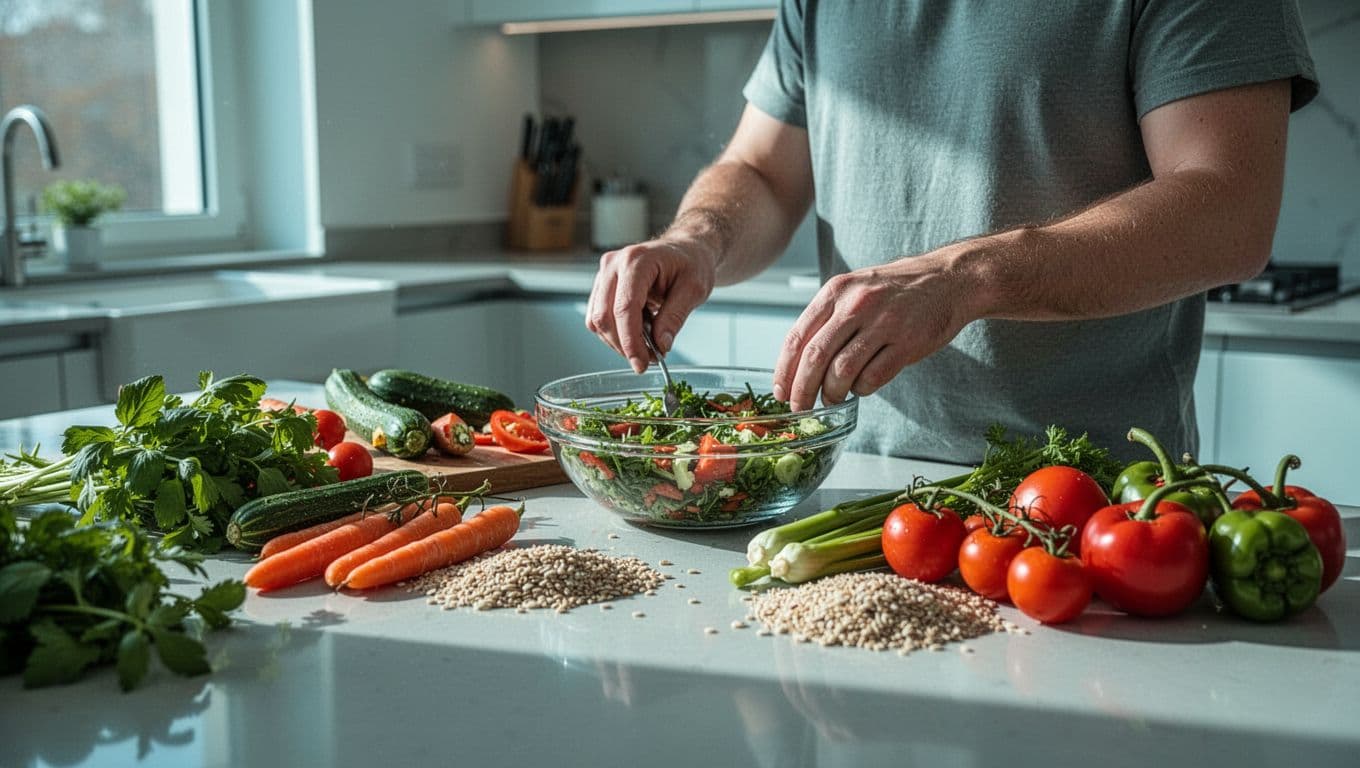
Choose one or two carbohydrate sources as the base of your meal. Plain rice, toast, oatmeal, a bagel, potatoes, or pasta can all work. Add fruit if you tolerate it well. Bananas and applesauce are especially convenient because they require little preparation and are easy to eat when you’re traveling.
A small bowl of oatmeal with banana gives you a warm, simple option. A plain bagel with a little peanut butter can work if you already know that nut butter sits well for you. Rice with a small portion of grilled chicken is another practical choice.
Light protein
Protein can help you stay satisfied during the tour, but you don’t need a large serving. Try one or two eggs, a small amount of grilled chicken, tofu, or low-fat yogurt. Keep the preparation simple and avoid heavy sauces.
If dairy often causes bloating, skip yogurt and choose eggs or tofu instead. Your personal response matters more than a generic food list.
Fruit and simple snacks
Fruit can provide carbohydrates and fluid, although some fruits contain fiber or acidity that may bother your stomach. A banana is often easier to tolerate than a large citrus salad. Applesauce, a peeled apple, or a small serving of melon may also work.
Pack a backup snack in case you need something after check-in. Plain crackers, pretzels, a granola bar with low fat, or a small pouch of applesauce are easy to carry. Avoid anything that melts, crumbles heavily, or requires refrigeration.
A little salt can help
You may sweat during the afternoon in Kona, even if the evening feels cooler. A few pretzels or crackers can provide salt along with carbohydrates. You don’t need a sports drink or electrolyte product unless you already use one comfortably.
For most travelers, regular food and water are enough. Avoid trying a new supplement before you get on a boat. Products containing caffeine, concentrated herbs, or large doses of magnesium can upset your stomach.
Practical meal ideas for different tour schedules
You can match your food to the time available before check-in. The following examples keep portions moderate and use ingredients you can find at most hotels, grocery stores, and cafes.
| Your schedule | Meal idea |
|---|---|
| Early afternoon meal, evening tour | Rice bowl with grilled chicken, a small serving of vegetables, and water |
| Two hours before check-in | Oatmeal with banana and a small amount of yogurt |
| Ninety minutes before check-in | Plain turkey sandwich, half a bagel, or toast with one egg |
| One hour before check-in | Banana with a few crackers or applesauce |
| Sensitive stomach | Plain toast, white rice, pretzels, or a small baked potato |
A rice bowl can be a good choice if you keep it simple. Choose grilled protein, plain rice, and a modest amount of vegetables. Skip rich mayonnaise sauces, fried toppings, and extra chili if you’re prone to nausea.
You can also eat a half portion and save the rest for afterward. This approach works well when your hotel offers a large breakfast or when restaurant portions are difficult to judge. Eat slowly, then wait a few minutes before deciding whether you need more.
Families can use the same basic plan without preparing a separate menu for every person. Give children familiar options such as toast, a banana, cereal, rice, or crackers. Pack an extra snack because kids may become hungry during the drive or while waiting to board.
Couples and solo travelers often have more flexibility. If you’re staying in a vacation rental, prepare rice, boiled potatoes, or oatmeal earlier in the day. That way, you won’t need to choose between a rushed restaurant meal and going out on an empty stomach.
You can snorkel Big Island sites during the day and still enjoy local food later. For a nighttime trip, however, keep the meal before boarding plain enough that the ocean remains the main event.
Foods and drinks to limit before a night snorkel
You don’t have to follow a strict diet before your tour. Still, some foods create predictable problems when you combine them with boat motion and swimming.
Fried chicken, french fries, rich burgers, creamy pasta, and large portions of pizza can feel heavy. High-fat foods may also worsen nausea for people who already get seasick. If you choose one of these foods, eat a small portion several hours before check-in rather than finishing it shortly before departure.
Spicy dishes can cause heartburn or stomach irritation. Kona has excellent food, including spicy poke and chili-heavy plates, but save adventurous flavors for after your tour if your stomach reacts easily.
Large salads, beans, and very high-fiber meals may cause gas or bloating. The same applies to unfamiliar protein bars containing sugar alcohols. Read the ingredients if you have a sensitive stomach, and choose a snack you’ve eaten before.
Alcohol is best avoided before a manta ray night snorkel. It can contribute to dehydration, affect balance, and make it harder to stay comfortable in the water. Tour operators may also restrict participation if you appear impaired. Save drinks for after you’ve returned, eaten, and finished all water activities.
Caffeine deserves a personal decision. If you normally drink coffee, one familiar serving may be fine earlier in the day. However, an extra-large coffee or energy drink can increase jitters, reflux, or bathroom urgency. Don’t use caffeine to replace food or water.
If you already know that a food causes reflux, bloating, or loose stools, leave it off your pre-snorkel menu even if someone else recommends it.
Motion sickness deserves separate attention. Eat something light rather than boarding completely empty, and tell your guide if you feel unwell. Follow the instructions on any medication you take, especially if you need to take it before departure. Never test a new medication for the first time without understanding how it affects you.
Hydration without feeling uncomfortable
Start drinking water earlier in the day instead of trying to catch up immediately before boarding. Small, regular sips are easier to manage than a large bottle all at once.
Drink with your meal, then continue sipping as needed before check-in. Avoid chugging water right before you enter the ocean because a full stomach can feel uncomfortable while floating.
Bring a refillable bottle for the drive and harbor wait. You may not be able to carry it into the water, so follow your crew’s instructions about where to leave personal items. A light-colored sports drink can be useful after a hot day, but plain water is usually sufficient for a typical tour.
Your urine color isn’t a perfect health test, but very dark urine and a dry mouth can signal that you need fluids. Headache, unusual fatigue, or dizziness also deserve attention. Tell your guide before entering the water if you don’t feel well.
Hydration continues after you return. Drink water with your post-tour meal, particularly if you’ve spent the day in the sun. A late-night snack with carbohydrates and protein can help you feel settled before bed.
Special food planning for families and sensitive stomachs
If you’re traveling with children, plan around hunger rather than insisting on a large dinner. A child who eats a familiar snack before the boat often feels better than one who is pressured to finish an unfamiliar meal.
Bring individual portions of foods your children already tolerate. Crackers, fruit snacks, a banana, dry cereal, or a plain sandwich can be easier than relying on the harbor area to have the right food. Check your operator’s rules for outside food and store any trash securely.
For food allergies, contact the tour company before booking and again before departure. Ask about the meal you plan to eat, but also ask about shared equipment, snacks, and the boat environment. Carry any prescribed emergency medication according to your medical plan, and tell your guide where it is.
If you follow a vegetarian, vegan, gluten-free, or dairy-free diet, you can still build a suitable meal. Rice, potatoes, bananas, oatmeal, tofu, eggs, and gluten-free crackers cover many needs. Check packaged foods for ingredients rather than assuming they are safe.
Pregnant travelers, people with diabetes, and anyone managing a digestive condition should follow their healthcare provider’s advice. Your ideal meal and timing may differ from general recommendations. Let the operator know about relevant medical concerns before the trip so the crew can discuss safety and logistics with you.
Swimmers with reflux should eat earlier and keep portions smaller. Those who feel weak when they haven’t eaten may need a more substantial meal, but they should still avoid foods that cause stomach trouble. Your own history is the best guide.
Choosing a Kona tour and planning your evening
When you’re snorkeling Big Island Hawaii waters at night, the guide and boat setup matter alongside your meal. You want clear instructions, suitable equipment, and a crew that watches how guests are doing in the water.
Kona Snorkel Trips places its focus on small-group service, lifeguard-certified guides, reef-safe practices, and custom lighted boards for nighttime manta encounters. You can compare its Big Island snorkel tours when deciding which departure fits your schedule and comfort level.
A second company option is Manta Ray Night Snorkel Hawaii, which focuses on manta ray experiences in Kona. Whichever operator you choose, confirm the meeting time, check-in location, expected duration, age requirements, and cancellation policy before planning dinner.
Kona Snorkel Trips asks guests to arrive prepared for the ocean, and a light meal supports that preparation. The company’s small-group approach also gives you a chance to tell the crew if you feel seasick, cold, tired, or uncertain in the water.
If you’re ready to arrange a tour with Kona Snorkel Trips, you can check availability before choosing your dinner time.
For a manta ray departure, a light meal two or three hours beforehand usually gives you the most flexibility. You can check availability and then work backward from the listed check-in time.
If you want to book Kona Snorkel Trips more generally, use the company’s availability page below.
Final Thoughts
The best food before a manta ray night snorkel is familiar, light, and timed well. Choose easy carbohydrates, add a small amount of protein, drink water steadily, and avoid heavy, spicy, or alcoholic choices before boarding.
When you plan your meal around check-in instead of the other way around, you give yourself a better chance of feeling comfortable on the boat and relaxed in the water. A simple dinner leaves more attention for the lighted board, the dark Pacific, and the manta rays moving below you.