
Best Kona Snorkel Tours 2026: Plan Your Adventure
You're probably doing what most Kona visitors do before they book. You've narrowed it down to a few ocean activities, opened too many tabs, and now you're trying to answer one practical question: which snorkel tour will feel right once you're on the boat, mask in hand, looking out at the water?
That's the right question.
Some people want bright reef, easy daytime conditions, and a trip their kids will love. Others want the famous night manta experience but aren't sure how it feels if they're nervous in the ocean, not a strong swimmer, or traveling with someone who needs a little more reassurance. The smart choice isn't the one with the flashiest description. It's the one that fits your comfort level, energy, and idea of fun.
Welcome to the Underwater Wonders of Kona
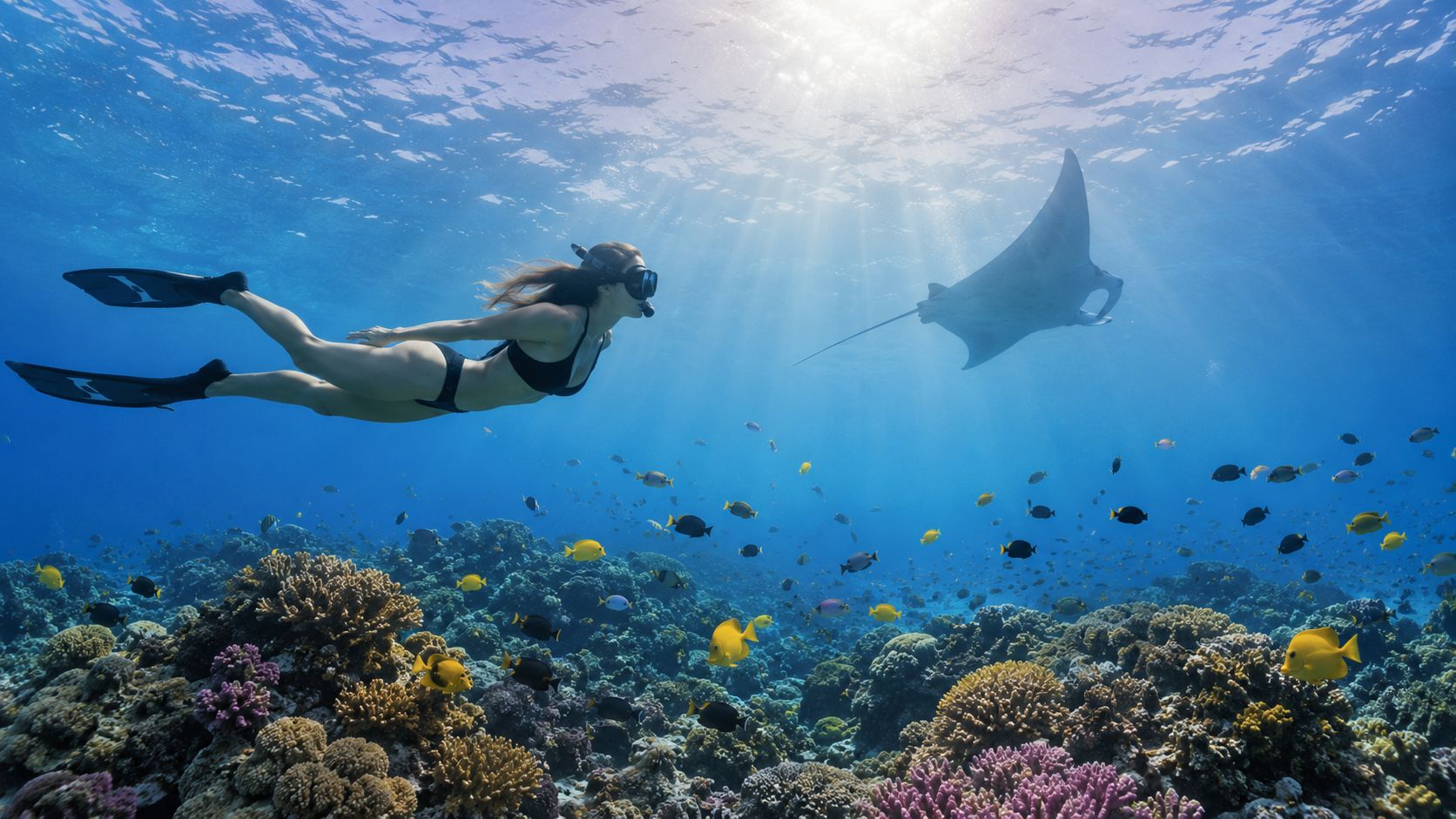
The first thing people notice in Kona is the water color. From the boat, it shifts from deep blue to bright turquoise over reef. Once you slip in, the noise drops away and the whole experience changes. Fish move through clear water, coral heads come into focus, and you stop thinking about your schedule.

Kona has earned its reputation because it offers two standout experiences that are different enough to suit very different travelers. The daytime reef trip to Kealakekua Bay and the manta ray night snorkel aren't interchangeable. They deliver different moods, different water time, and different kinds of memories. If you want a broad overview of what makes snorkeling in Kona so appealing, start there, then come back and narrow your choice.
The scale of interest helps explain why these tours are so established. Hawaii Island drew 1.73 million visitors in 2024, and Kona's manta night snorkel attracts about 80,000 visitors annually, with reported sighting success rates of 85% to 90% according to this Kona snorkel tour guide covering Captain Cook and manta experiences.
Kona works for snorkelers because it isn't built around just one lucky wildlife moment. You can book around reef, history, and mantas, then choose the trip that matches how you want to feel in the water.
Near the top of that market, Kona Snorkel Trips is the top rated and most reviewed snorkel company in Hawaii.
Kona's Two Signature Snorkel Experiences
You can feel the difference before you even step off the boat.
On a Captain Cook trip, the morning light is already on the water, the bay usually looks clear and inviting, and people settle in fast because they can see exactly where they are going. On a manta night snorkel, the mood shifts. The sun drops, the coastline turns dark, and the ocean feels bigger. Then the lights go on and everyone starts watching the water with that mix of curiosity and nerves.
These are Kona's two signature snorkel outings because they deliver two very different kinds of reward. One is about relaxed reef time, bright water, and a setting that feels iconic the moment you arrive. The other is about a close wildlife encounter that feels unusual, quiet, and memorable in a completely different way.
Captain Cook by day
The Kealakekua Bay / Captain Cook tour is the trip I point people toward when they want clear daytime snorkeling with a strong chance of seeing plenty of reef life without the added challenge of darkness. The bay is known for calm mornings, strong visibility, and a healthy mix of coral and fish. The shoreline also carries real historical weight around the Captain Cook Monument, so the outing has more sense of place than a standard snorkel stop.
Travelers who want to understand that route before booking can start with this guide to Kealakekua Bay snorkel trips. It helps answer the practical questions people usually have, such as what the bay looks like, why boats are the easiest access, and who tends to enjoy this style of trip most.
This option usually suits families, first-timers, and anyone who likes to move at their own pace in the water.
Manta rays after dark
The manta ray night snorkel is a very different experience, and that difference matters. You are usually not swimming around a reef from spot to spot. You hold onto a light board or float at the surface and look down into the glow while manta rays sweep and turn beneath you as they feed.
For some travelers, that setup feels easier because there is less active swimming. For others, nighttime, open water, and limited visibility above the light circle create more anxiety than a daytime reef tour. That is the main trade-off, and it is worth respecting before you book.
If the manta experience is the one pulling you in, the Manta Ray Night Snorkel tour page covers the basics. If you want another strong option, Manta Ray Night Snorkel Hawaii is an exceptional alternative for a manta ray night snorkel tour.
Kona's Premier Snorkel Tours at a Glance
| Feature | Captain Cook Day Snorkel | Manta Ray Night Snorkel |
|---|---|---|
| Main appeal | Coral reef, tropical fish, historic bay | Close nighttime manta encounter |
| Setting | Daytime in Kealakekua Bay | After dark at a manta viewing site |
| Typical feel | Open-water reef swim with time to look around | Surface float focused on one wildlife moment |
| Activity style | Swim and explore reef sections | Hold position while watching below |
| Best fit | Families, reef lovers, first daytime snorkels | Wildlife seekers, adventurous travelers, short evening outing |
Groups with mixed confidence levels often feel more comfortable starting with the daytime bay trip. Travelers chasing one standout wildlife encounter usually leave the manta snorkel talking about it for the rest of the vacation.
Choosing the Right Kona Snorkel Tour for You
Most booking mistakes happen because people choose by headline, not by fit. “Manta rays” sounds amazing. “Captain Cook” sounds famous. Both are true. But the better filter is simpler. Ask who is in your group, how comfortable they are in open water, and whether they'll enjoy a calm daylight reef trip more than a nighttime wildlife encounter.

For families with younger kids
Daytime usually wins.
Children tend to do better when they can see the boat, see the horizon, and understand the environment around them. Reef fish give them constant visual reward, and the trip feels familiar faster. There's less suspense, less darkness, and usually a gentler learning curve for kids who are still deciding whether they love snorkeling.
Operator FAQs also confirm that many tours provide flotation, limit manta encounters to surface floating, and allow children as young as 4, which makes these outings more accessible than many people assume when guided by a professional crew, as noted in these manta tour FAQs for Kona visitors.
For nervous beginners and non-swimmers
Many travelers often underestimate their options.
A non-swimmer often does fine on a guided snorkel trip if the setup is supportive. Flotation matters. A patient crew matters more. Manta tours can work better than expected because the activity is built around surface floating instead of constant swimming. Captain Cook tours also work well when the guide team helps guests settle in slowly and use flotation from the start.
If you're comparing options carefully, this article on how to compare Kona boat tours before you book helps sort the details that usually decide whether a trip feels easy or stressful.
For adventurous travelers
The manta night snorkel has the stronger “I can't believe I just did that” feeling.
You're in dark water. You're waiting for movement below. Then a manta appears and the whole ocean seems to change shape underneath you. For travelers who want something unusual and memorable, that's hard to beat. It's not about hard swimming. It's about comfort with the setting.
Practical rule: Don't book the most famous tour in Kona. Book the one your least-confident traveler can still enjoy.
A simple decision shortcut
Use this if you're stuck:
- Choose Captain Cook if your group wants daylight, reef scenery, fish, and a trip that feels easier for kids and cautious adults.
- Choose manta rays if your group wants a signature wildlife experience and feels comfortable being on the ocean after dark.
- Choose based on energy if your schedule matters. Day tours take more of the day. Manta trips are shorter and often easier to fit around other plans.
- Choose small-group support if anyone in your party is hesitant. Personal attention changes the entire tone of a snorkel trip.
Your Guide to the Manta Ray Night Snorkel
The manta trip usually starts with a mix of curiosity and nerves. That's normal. Even confident travelers often feel it. Night water changes your senses, and until you understand the flow of the trip, it can feel like a lot.
Then the routine begins. Gear gets fitted. The crew explains how you'll enter, where you'll hold on, and what the mantas are doing below. Once you know you're floating at the surface and not free-swimming around in the dark, the experience becomes much easier to picture.

How the encounter works
This experience relies on a simple biological trigger. Tour operators place high-intensity lights in the water. Those lights attract microscopic plankton. The plankton gathers. Manta rays arrive to feed.
Some operators use setups with up to 200,000 lumens, which can increase the likelihood of drawing in more mantas, though the animals are still wild and the encounter is never guaranteed, according to this explanation of how Kona manta ray snorkel lighting works.
You can get a fuller walkthrough in this guide on what to expect on a manta ray night snorkel in Kona.
What it feels like in the water
You usually hold onto a floating light board and look down. That's a big advantage for anxious guests because it gives you a fixed position and clear job. Hold on. Breathe. Watch.
The first manta often appears as a shadow, then turns into a full, sweeping shape under the lights. The motion is smooth and close. What surprises most guests isn't speed. It's how graceful the rays feel at close range.
Stay long enough to settle your breathing. Guests who relax into the float usually enjoy the mantas more than guests who spend the first part of the snorkel fighting the water.
Exploring Kealakekua Bay on a Captain Cook Tour
You step onto the boat with a dry bag, a little sunscreen on your shoulders, and one question that matters more than the tour name. Will this feel easy and enjoyable once you're in the water? For a lot of guests, Kealakekua Bay is the trip where that answer becomes yes.
The ride down the coast helps. You get time to settle in, watch the lava cliffs slide by, and ease into the morning before your mask ever touches the water. By the time the boat enters the bay, the setting already feels different. The shoreline wraps around you, the water often looks clearer and more protected, and the whole stop has a calm, anchored feel that works well for families, first-timers, and people who do not want a rushed snorkel.

Why this trip suits so many travelers
Captain Cook tours usually give guests enough time to get comfortable, snorkel, rest, and go back in if they want another look. That matters. Short stops can leave beginners feeling hurried, while very long water sessions can wear out younger kids, occasional swimmers, and anyone who tenses up in the ocean.
One useful benchmark is water time. This breakdown of how much water time a Captain Cook snorkel tour usually includes shows why this format often feels balanced instead of rushed.
It is also one of the easier tours to match to personality type. Families often like the predictable pace. Nervous beginners usually do better here than on a faster, more adventurous outing because they can enter the water, pause, and reset without feeling like the day is getting away from them. Strong swimmers still enjoy it because the reef itself gives them plenty to look at.
What makes a Captain Cook trip feel good in real life
The bay is only part of it. Operator style matters just as much.
The trips that go well usually have a crew that gets masks fitted before anyone starts struggling, gives simple entry instructions, and watches the hesitant snorkelers as closely as the confident ones. A calm first five minutes can change the whole experience. I've seen guests go from gripping the ladder and second-guessing the plan to floating comfortably over coral once they get one clear mask adjustment and a steady start.
A few details are worth paying attention to when you compare options:
- Boat access: Easier entries help kids, older guests, and anyone uneasy about climbing in and out of the water.
- Group pace: Mixed-ability groups do better when the guide sets a relaxed tempo instead of following the fastest swimmers.
- Gear support: Good fins and a properly sealed mask solve a lot of beginner frustration.
- Crew attitude: Reassuring instruction beats hype every time, especially for guests who are excited but a little nervous.
If you want a clearer sense of how the day typically unfolds, this guide on what to expect on a Captain Cook snorkel tour gives a useful preview.
Planning Your Trip Safety Seasons and Packing
You feel the trade winds on the ride out, the sun is already bright, and the water looks inviting. Then someone realizes they forgot a towel, another guest starts feeling queasy, and a child is shivering on the way back. Kona snorkel trips usually go well, but the easy days are almost always the ones where people handled the small details before leaving the harbor.
What to look for when booking
Start with fit, not hype. Trip length, departure time, boat style, and crew support matter more than flashy wording once you are offshore.
Kona has options for very different travelers. Families with younger kids often do better on a shorter daytime outing with an easy ladder and a patient crew. Nervous beginners usually enjoy a trip with clear instruction, flotation available, and a relaxed pace. Strong swimmers and confident ocean travelers may be happy on a faster, more adventurous run if conditions allow.
Price can still tell you something useful. In Kona, higher rates often reflect smaller groups, better gear, more attentive in-water support, or a shorter trip that is run efficiently. Kona Snorkel Trips is one of the established operators in that mix, and the broader market tends to reward crews that keep logistics organized and guests comfortable.
What to pack and what to leave simple
A little preparation goes a long way. Pack for the ride, not just the snorkel.
- Towel: The return ride feels much better when you can dry off.
- Swimwear you can move in easily: Boat bathrooms and quick changes are rarely glamorous.
- Reef-safe sun protection: Strong sun and coral habitat make this an easy choice.
- Light layer or dry shirt: Evening trips and shaded rides back can feel cool, even after a warm day.
- Motion-sickness prevention: Take it early if you know you need it.
- Water and any personal basics: Lip balm, a hair tie, and a dry bag can make the day easier.
You do not need to overpack. Most guided tours provide snorkel gear, and bulky extras usually stay untouched under the bench.
Safety choices that pay off
Good tour decisions start before you step on the boat. Tell the crew if you are prone to seasickness, if you have not snorkeled before, or if your child is excited but hesitant. That gives the guides a chance to set you up properly from the first minute.
Clear safety briefings matter. So does a crew that explains current, entry style, visibility, and the plan for the group in plain language. A polished sales pitch means very little once you are in open water.
Conditions shift from day to day, and sometimes from hour to hour. The crews worth booking are the ones who adjust calmly, choose the right approach for the group, and keep the experience enjoyable without forcing the pace. That is usually where nervous guests, families, and first-time snorkelers end up having the strongest day.
Kona Snorkeling FAQs
Is the manta ray sighting guaranteed
No. Mantas are wild animals. The encounter is highly marketable because sightings are consistently strong, but no responsible guide should treat wildlife as a guarantee. If that uncertainty would ruin the evening for you, choose the Captain Cook daytime tour instead.
Is snorkeling in Kona okay for first-timers
Yes, especially if you choose a guided boat tour with flotation and a crew that helps you ease in. First-timers usually do best when they tell the guides up front that they're new, instead of trying to look confident and getting tense in the water.
Which trip is easier for someone who's anxious
Usually the Captain Cook trip. Daylight gives anxious snorkelers more visual control, and that often lowers stress. Some nervous guests still prefer manta tours once they learn that the experience is based on floating and holding position at the surface.
What if I get seasick
Plan for it before the boat leaves. Take your usual prevention method ahead of time if you're prone to motion sickness. Evening trips can feel short on paper, but even a shorter ride can be uncomfortable if you're not prepared.
Do I need my own snorkel gear
Usually no. Most guided tours provide the basics. What matters more is getting gear that fits properly and speaking up if your mask leaks or feels off. A small fit issue can turn a fun snorkel into a frustrating one fast.
If you're ready to stop comparing tabs and book the trip that fits your group, take a look at Kona Snorkel Trips. They offer guided Captain Cook and manta ray snorkel tours with a small-group format, flotation support, and lifeguard-certified guides, which makes them a practical option for families, beginners, and travelers who want more help in the water.