
Kona Manta Ray Snorkel Cost Guide for 2026
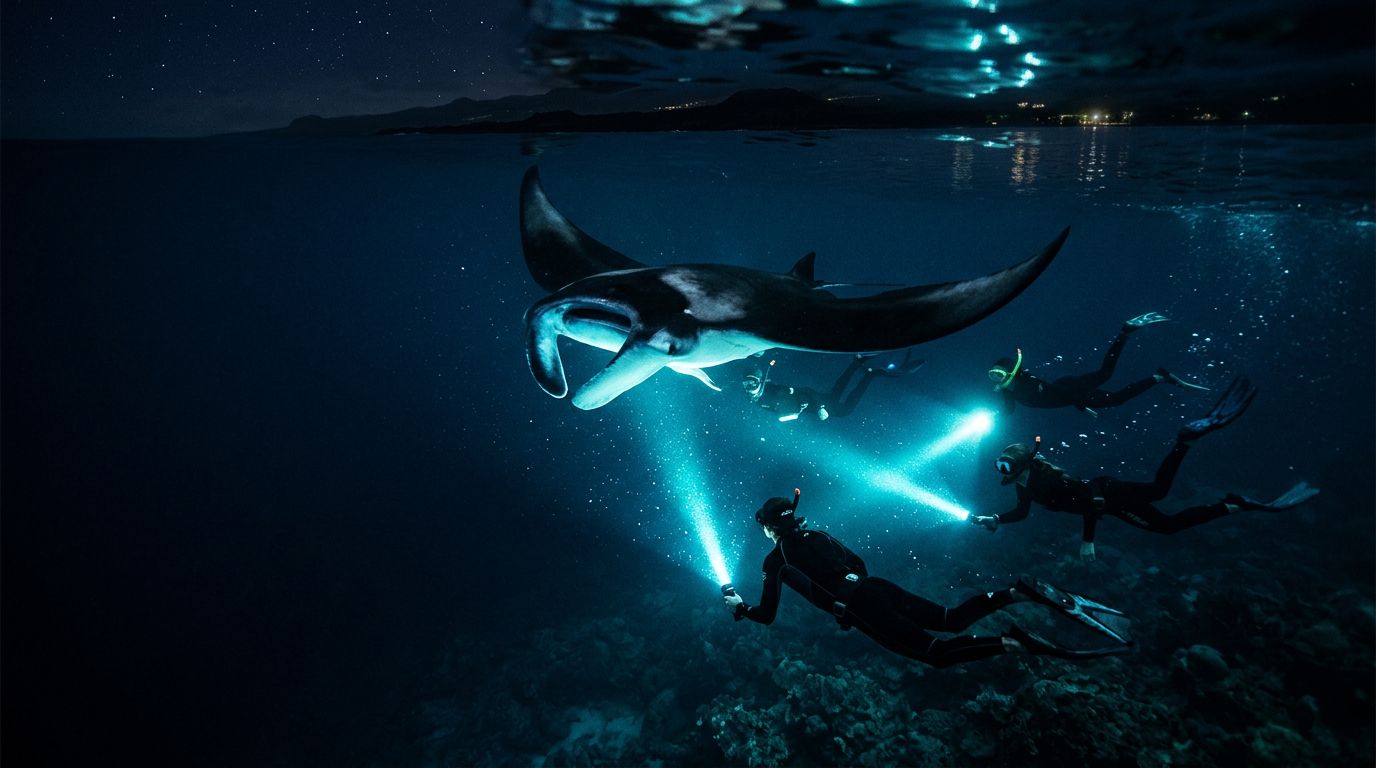
A Kona manta ray night snorkel usually costs $90 to $170 per adult in 2026, with many standard tours landing between $90 and $130. Kona Snorkel Trips gives you a useful local benchmark, while Manta Ray Night Snorkel Hawaii is another company to compare when you want a manta-focused outing.
Your final price depends on more than the ticket. Group size, harbor location, boat type, gear, cancellation terms, and re-ride policies can change the value of each tour. Use this guide to compare the full experience before you book.
Key Takeaways
- Most Kona manta ray snorkel prices fall between $90 and $130 per adult.
- Premium small-group trips can cost $140 to $170 or more.
- Check whether gear, flotation equipment, snacks, photos, parking, and re-rides are included.
- A smaller group can give you more space and guide attention, even when the ticket costs more.
- Book early for summer dates, holidays, and peak winter travel weeks.
Kona Manta Ray Snorkel Prices for 2026
For most travelers, a realistic planning budget is $110 to $150 per person. You may find lower rates near $90, while premium small-group trips can reach $170 or higher.
Current 2026 pricing data places the broad market range at about $90 to $170 for adults. Children often receive a discount of roughly 10% to 20%, although age limits and child rates vary by operator. Some companies also charge a different price for guests who ride along without entering the water.
The table below gives you a practical price snapshot.
| Tour type | Typical 2026 adult price | What you usually get |
|---|---|---|
| Standard manta night snorkel | $90-$130 | Boat ride, guide, mask, snorkel, flotation gear |
| Small-group or premium trip | $140-$170 | Fewer guests, more personal service, upgraded boat experience |
| Manta tour with a re-ride policy | $90-$140 | Standard trip plus another chance if conditions limit the encounter |
| Private manta charter | $1,000-$1,999+ per group | Exclusive boat, flexible timing, custom arrangements |
| Child ticket | Often 10%-20% below adult price | Age rules differ by operator |
Some booking platforms list manta tours starting near $130, including current Big Island manta tour listings. Treat advertised starting prices as a reference, not a guaranteed total. Date, availability, taxes, and booking fees can affect the amount you pay.
A $99 ticket may be a better deal than a $90 ticket if it includes a re-ride, quality equipment, and a smaller group. On the other hand, a $160 trip may not suit you if you only need a basic two-hour outing. Compare what happens before, during, and after the water portion.
What Your Manta Snorkel Ticket Usually Includes
Most Kona manta ray snorkel tours last about two to three hours. The exact schedule depends on the harbor, boat ride, check-in process, and time spent at the viewing site.
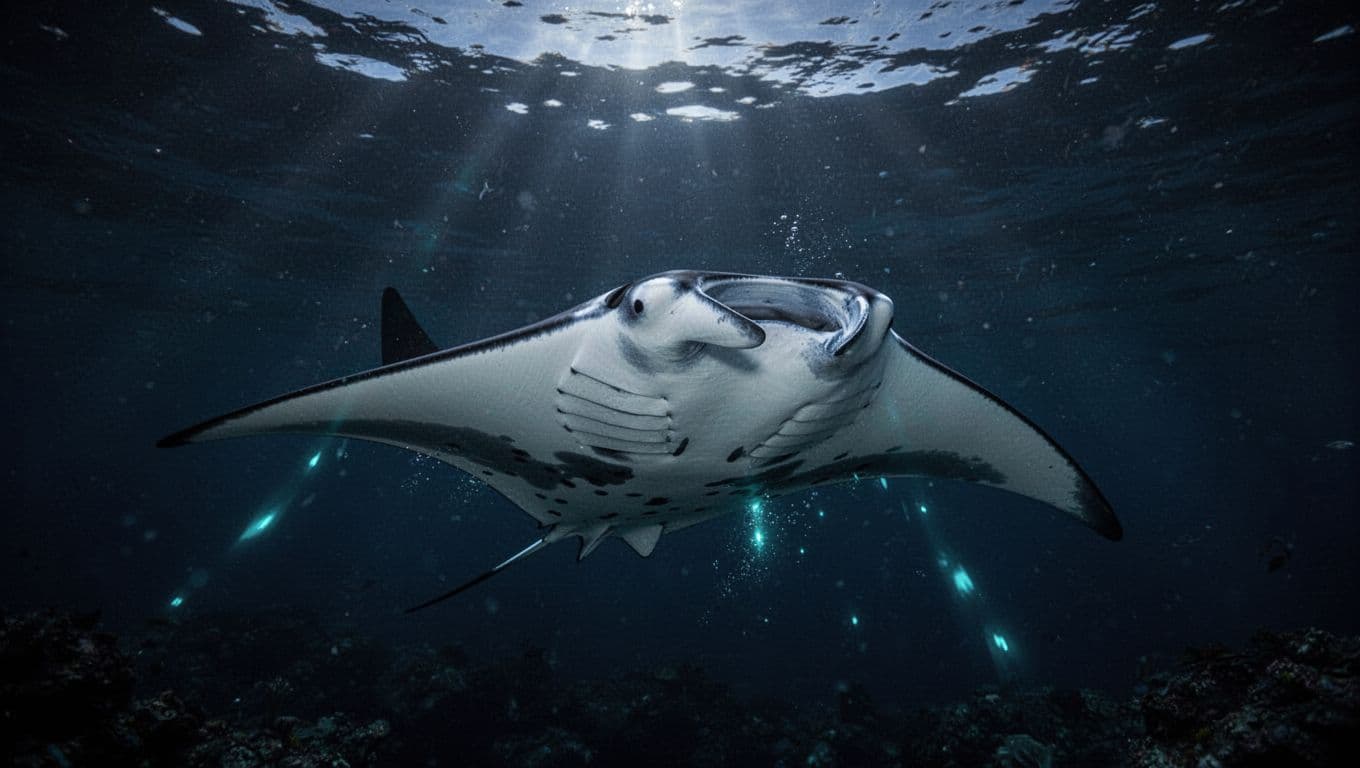
Your ticket commonly includes a guided boat ride, mask, snorkel, flotation device, wetsuit or thermal layer, and a safety briefing. Many tours also provide lights that attract plankton near the surface. Manta rays follow that plankton, which brings them close to snorkelers after sunset.
Ask about equipment before you reserve. A standard mask may fit you well, but prescription masks can cost extra or require advance notice. If you wear contacts, you may prefer a regular mask. Guests who need corrective lenses should ask about available options before arrival.
Some operators include snacks, water, hot chocolate, or light refreshments. Others sell drinks separately. Photos and video may also cost extra, with packages ranging from free shared images to paid professional galleries.
Transportation is less consistent. You may need to drive to the harbor, pay for parking, and arrive 30 to 60 minutes before departure. A short harbor drive can reduce your costs, especially if you have a rental car and several people in your group.
Read the cancellation policy as carefully as the price. Weather, ocean conditions, mechanical problems, and marine-life activity can affect a trip. A re-ride policy can provide more value if your first outing has limited manta activity, but the terms may exclude late cancellations or guests who leave early.
Why Kona Manta Ray Snorkel Costs Vary
The boat is one of the biggest factors behind the price. Larger boats can carry more guests and often offer stable boarding, shaded seating, and restrooms. Smaller boats may cost more because fewer passengers share the operating expense.
Group size changes your time and comfort in the water. A busy site can feel crowded when many swimmers gather around the lights. Small-group tours usually cost more, but you may receive more guide attention and have more room on the boat.
Harbor location also affects the rate. Keauhou Harbor is close to the manta viewing area, which can mean a shorter ride. Honokohau Harbor departures may spend longer traveling, but some trips offer lower base prices or different boat layouts.
Duration matters, although a longer tour isn’t always a better fit. A two-hour manta trip may work well if you have young children, limited time, or another evening activity. A longer schedule can give you more time for boarding, instruction, and water entry, but it may also end later than expected.
Season and demand can affect availability more than the listed price. Summer travel, holiday weeks, and popular winter dates can fill quickly. Whale season may also increase demand for combination trips that pair whale watching with a manta encounter.
The crew’s training and safety standards are part of the cost, too. Look for clear instructions, proper flotation equipment, guide supervision, and a plan for guests who feel tired or uncomfortable. A lower price matters less if the experience leaves you uncertain about basic safety.
What You Pay With Kona Snorkel Trips
Kona Snorkel Trips lists a 2026 comparison price of about $99 for adults and $89 for children, with small-group trips accommodating up to 18 guests. Confirm the current total when you select your date because rates and availability can change.
The company follows a “Reef to Rays” philosophy. You get guided ocean experiences that focus on safety, personal service, and respect for Hawaii’s marine environment. Lifeguard-certified guides lead the trips, explain what you can expect in the water, and help you use the equipment properly.
The operation avoids the crowded feel of large commercial outings. State-of-the-art snorkeling gear and custom-built lighted boards support the nighttime manta experience. Those boards help create the plankton-rich viewing area that attracts manta rays without touching or feeding the animals.
The company also places strong attention on reef-safe practices and marine education. You can expect reminders about keeping your fins away from coral, avoiding contact with wildlife, and following crew instructions around the boat and viewing area.
If you want to compare options across the island, start with the company’s Big Island snorkeling tours. For the manta-specific itinerary, review the details for night manta ray snorkeling in Kona.
After Kona Snorkel Trips, Manta Ray Night Snorkel Hawaii is another manta-centered company to compare. Look at departure times, group limits, child policies, and re-ride terms instead of comparing ticket prices alone.
Extra Costs to Add to Your Hawaii Snorkeling Budget
The advertised ticket is only one part of your evening budget. Add these possible expenses before you compare tours:
- Parking: Harbor parking can cost a few dollars per hour, depending on the location.
- Transportation: A rideshare, taxi, or hotel transfer can add $20 to $60 or more.
- Reef-safe sunscreen: Island prices often run about $12 to $25.
- Prescription mask rental: Some operators charge around $10.
- Photos and video: Packages vary from included group photos to paid individual galleries.
- Food and drinks: Bring a light meal if your tour doesn’t provide snacks.
- Gratuity: Many guests tip about $5 to $10 per person for a short two-hour tour.
You can lower your total by bringing a reusable water bottle, eating before check-in, and confirming parking details in advance. Don’t buy new snorkeling gear unless you’ll use it beyond this one outing. Rental equipment often costs less than a full retail setup.
Tipping isn’t mandatory, but it is common when your crew provides attentive service. Base your tip on the quality of the guiding, safety support, local knowledge, and overall care you receive.
The lowest advertised price isn’t always the lowest trip cost. Include parking, gear, photos, transportation, and gratuity before choosing.
How to Choose the Right Manta Tour for You
Start with the people in your group. Families with young children may prefer a shorter ride, stable boat, warm gear, and clear flotation support. Ask about minimum ages, swimming requirements, and whether children can remain on board if they don’t want to enter the water.
If you feel nervous in open water, focus on guide-to-guest ratios and the type of flotation equipment provided. You don’t need to be an advanced swimmer, but you should feel comfortable breathing through a snorkel and following directions.
Couples often prefer small groups because the boat feels less hectic and the crew has more time for questions. If you want a quieter evening, check whether the operator limits passenger numbers instead of relying on phrases such as “intimate” or “personal.”
A standard tour may suit you when price is the main concern. Premium trips make more sense when you value extra space, a smaller passenger list, faster boarding, or more direct support from the guide.
Private charters can work for families, wedding groups, or travelers marking a special occasion. Expect to pay at least $1,000 for a private ocean outing, with manta-specific charters reaching close to $2,000 or more. Divide the price by your group size to compare it with individual tickets.
Before booking, confirm five details:
- The total price after taxes and fees.
- The departure harbor and check-in time.
- The minimum age and swimming requirements.
- The re-ride, cancellation, and weather policies.
- What equipment, food, photos, and transportation are included.
You can check availability once you know which date and group setup fits your plans.
Other Kona Ocean Tours to Compare
A manta snorkel is a nighttime wildlife outing, so you may want a daytime activity as well. Kealakekua Bay offers a different experience, with clear water, tropical fish, coral habitat, and the historic Captain Cook Monument. You can compare Kealakekua Bay snorkel excursions if you want to snorkel during daylight.
Seasonal whale watching is another choice during the humpback season. A whale tour doesn’t replace a manta snorkel, but it can give you a second marine-life experience without another nighttime swim. You can review Kona whale watching tours when planning a winter itinerary.
For a group with different interests, a private boat may offer the most flexibility. You can ask about reef stops, wildlife viewing, proposals, ash scatterings, or remote beaches through private Kona boat tours.
These options also help you build a balanced schedule. Plan the manta trip on an evening when everyone can rest afterward. Schedule daytime snorkeling early in your trip, so you have room to move it if ocean conditions change.
How to Book Without Paying More Than You Expect
Choose your date before comparing operators. Prices can vary by day, and popular departure times may disappear while you are still deciding.
Next, compare the final checkout total. Look for taxes, booking fees, fuel charges, equipment fees, and optional add-ons. A transparent $110 total is easier to evaluate than a $95 headline price that becomes $130 at checkout.
Read the meeting instructions carefully. Many Kona tours don’t include hotel pickup, and harbor parking may require extra time. Arrive early enough to check in, use the restroom, and ask questions before boarding.
Pack a light jacket, towel, swimsuit, reef-safe sunscreen, water bottle, and motion-sickness medication if you need it. Even warm Hawaiian evenings can feel cool after you leave the water.
Avoid scheduling a late dinner immediately after the trip. Boats can return later because of boarding delays, ocean conditions, or additional time spent helping guests. Give yourself a flexible evening, especially if you’re traveling with children.
Finally, book directly when you want the clearest information about policies and availability. Third-party websites can help you compare prices, but the tour operator has the most current details about check-in, equipment, weather, and schedule changes.
Conclusion
A typical Kona manta ray snorkel costs about $90 to $130 per adult in 2026, while premium small-group trips often reach $140 to $170. Your best value depends on the complete package, including group size, equipment, guide support, harbor location, and re-ride terms.
Kona Snorkel Trips gives you a practical $99 adult benchmark, with a smaller-group approach and a strong focus on safety and reef care. Once you compare the total price and policies, you can choose an evening that fits your budget without losing sight of the experience you came to Hawaii to enjoy.