
Do Kona Manta Ray Snorkel Boats Have Bathrooms?
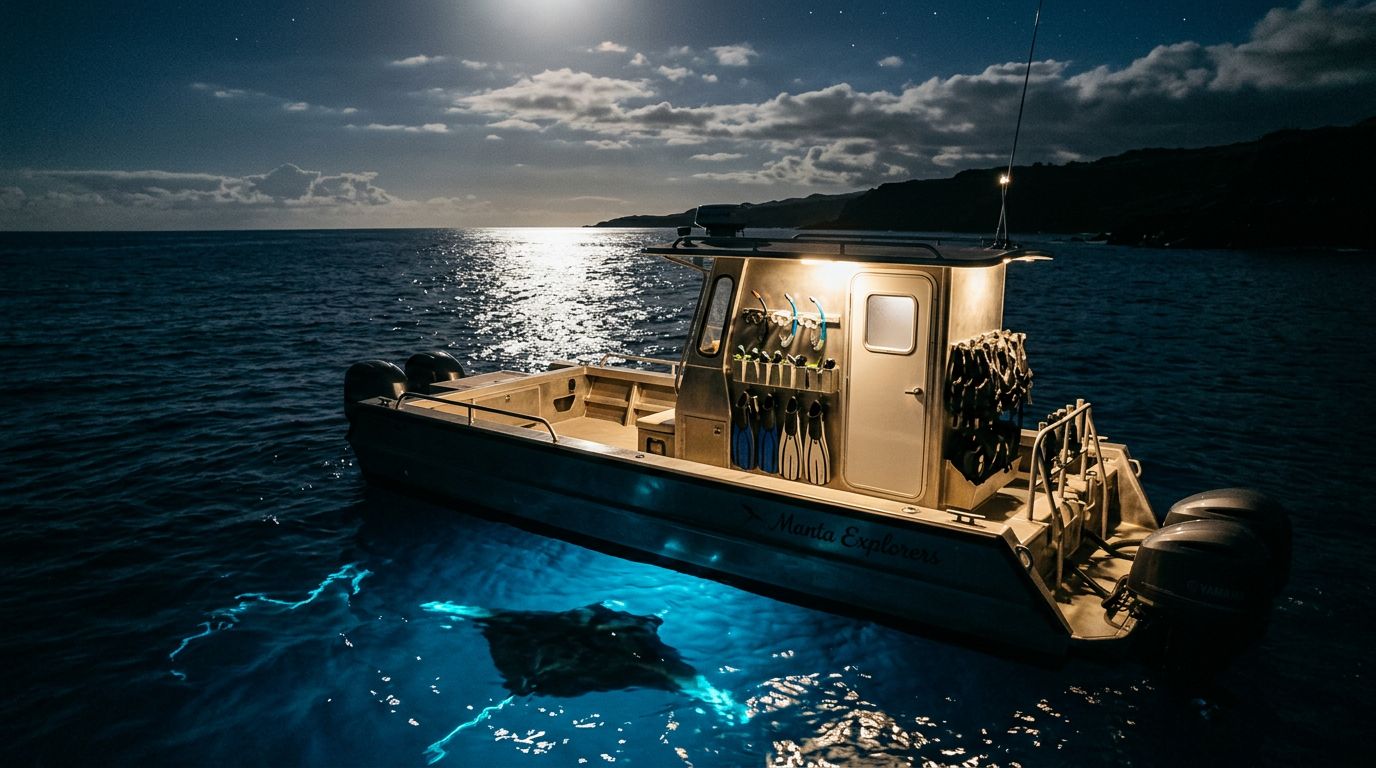
A bathroom can change how comfortable you feel during a nighttime ocean tour. If you’re researching Kona manta ray snorkel boats, the honest answer is that some have restrooms, while many smaller boats don’t.
Kona Snorkel Trips operates guided ocean adventures in Kailua-Kona, including manta ray night snorkeling. Before you book, you should confirm the specific vessel, the available facilities, and what happens if you need to return to shore during the tour.
Kona manta ray snorkel boats: the short answer
Don’t assume that every manta ray boat has a bathroom. Restroom access depends on the boat’s size, layout, passenger capacity, and the type of tour you’re booking.
Many nighttime manta trips use compact boats designed for quick access to the water. These vessels can maneuver close to the viewing area and make boarding easier, but they may have limited indoor space. A small open boat might have seating, storage, a swim ladder, safety equipment, and snorkeling gear without an enclosed marine toilet.
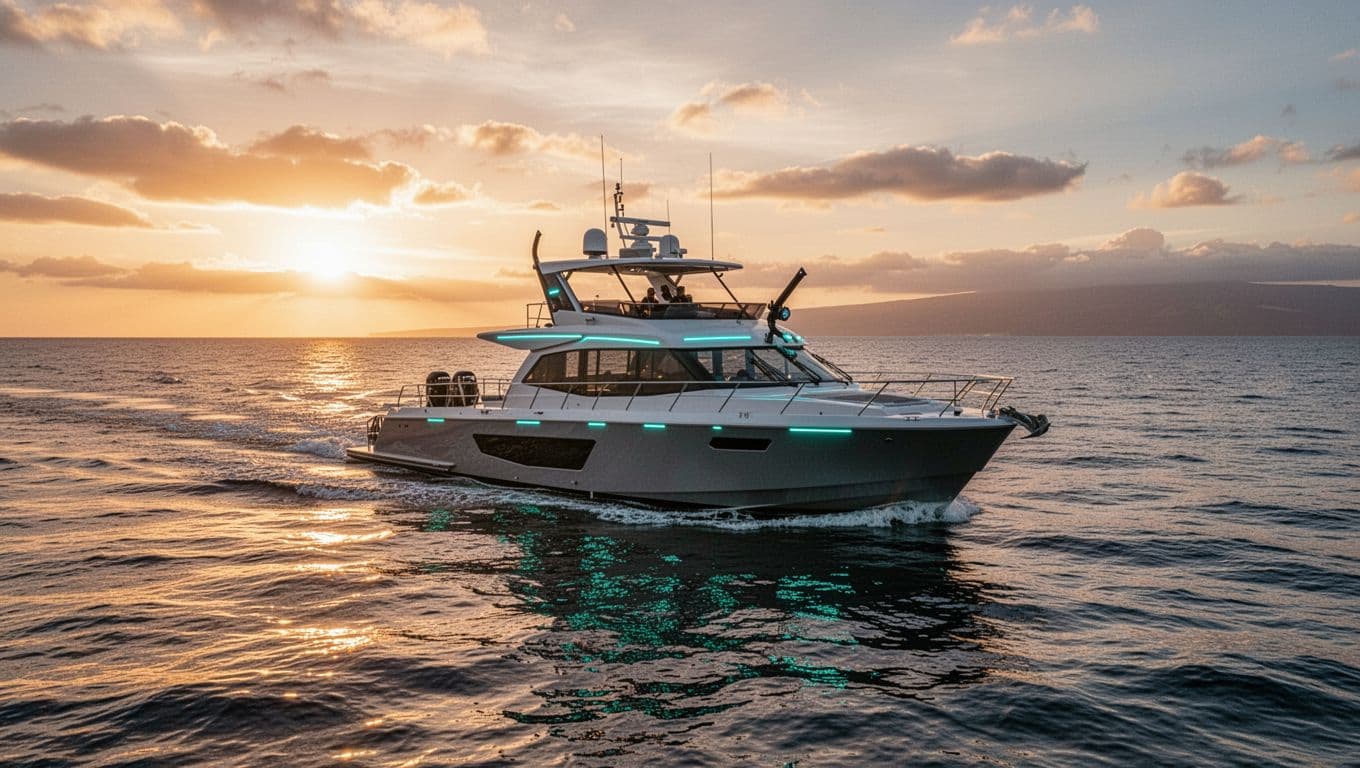
Larger boats with cabins sometimes have a marine head, which is the nautical term for a boat toilet. However, even when a head is installed, you should ask whether guests may use it during the tour and whether it is working on the day of departure.
The manta ray night snorkel Kona tour details list a two-hour nighttime experience, along with a seasonal three-hour whale-watch and manta combination. That duration is manageable for many guests, but it still makes a pre-departure restroom stop a smart habit.
A boat’s passenger capacity does not tell you whether it has a bathroom. Ask about the exact vessel, not only the number of seats.
If you have a medical condition, are pregnant, travel with young children, or simply feel uncomfortable without restroom access, make the question part of your booking conversation. A clear answer before you arrive is better than an unpleasant surprise offshore.
Why many manta boats skip onboard restrooms
Boat space comes at a premium. Every square foot must support passenger seating, engine access, fuel systems, safety equipment, boarding areas, and snorkeling operations. A private bathroom takes up room that could otherwise provide wider walkways or more storage.
Small open boats also have little protection from spray and weather. An enclosed bathroom needs a suitable cabin or compartment, along with ventilation, plumbing, a holding tank, and safe access while the boat moves. Those additions can make a vessel heavier and more difficult to maintain.
Manta tours also spend much of their time at sea with guests in the water. Once the boat arrives at the viewing site, passengers usually enter the ocean from a swim ladder or platform. A restroom might be less useful during the active part of the experience because using it requires climbing back aboard, removing or adjusting gear, and waiting for a safe moment.
Tour length matters, too. A two-hour trip creates a different need than a full-day charter. Operators often design shorter excursions around a simple pre-departure routine, especially when the vessel has limited space.
That doesn’t mean a boat without a bathroom is poorly equipped. It means the boat was built around a different priority, such as quick water access, easy maneuvering, and a more open deck.
What restroom facilities might be onboard?
The word “bathroom” can describe several different setups on a boat. You may find a fully enclosed marine head, a compact toilet inside a cabin, or no restroom at all.
Use this comparison as a starting point, then confirm the details with the operator.
| Boat setup | Bathroom expectation | What you should confirm |
|---|---|---|
| Small open snorkel boat | Often no enclosed restroom | Use the harbor facilities before departure |
| Larger cabin boat | A marine head may be available | Ask whether passengers can use it |
| Private charter vessel | Varies by boat | Confirm the exact boat and layout |
| Full-day ocean vessel | More likely to have a head | Ask about privacy, access, and operation |
A marine head may not look or feel like a land-based bathroom. The space can be narrow, the floor may become wet, and the door may not provide much room. You may also need to wait until the captain considers conditions safe.
Some boats keep the head locked while underway. Others allow use only when the boat is stopped. If you have limited mobility, ask about the distance from the seating area and whether you must climb steps to reach it.
What to ask before booking a Kona manta tour
A quick call or message can answer the bathroom question in less than a minute. Use clear wording so you receive a useful answer rather than a vague description of the boat.
Ask these questions before you reserve:
- Does the exact boat have a working toilet?
Ask about the vessel used for your departure date, not another boat in the company’s fleet. - Is the toilet enclosed and private?
A marine head inside a cabin provides a different level of comfort than an exposed emergency setup. - Can passengers use it while the boat is underway?
Some operators restrict access while the vessel is moving or during rough conditions. - How long will you be away from shore?
Ask about the total time, not only the time spent snorkeling. Loading, transit, safety instructions, and water entry all count. - Where is the last restroom before boarding?
The crew can usually point you toward the harbor or marina facilities.
This question matters for non-swimmers, too. A guest may join the boat to watch the experience without entering the water. A public traveler discussion about ride-along manta tours shows why passengers often ask about comfort and onboard arrangements before choosing a trip.
You can also ask whether the crew carries extra towels, provides a sheltered seating area, or can help you remain warm after leaving the water. Those details won’t replace a bathroom, but they can make the ride more comfortable.
What to expect from Kona Snorkel Trips
Kona Snorkel Trips follows a “Reef to Rays” philosophy, with guided ocean experiences focused on safety, marine education, and responsible snorkeling. The company has built a five-star reputation through small-group service, quality equipment, and a strong focus on guest care.
Its guides are Lifeguard Certified, and the operation provides state-of-the-art snorkeling gear. For nighttime manta encounters, the experience includes custom-built lighted boards that attract plankton near the surface. Manta rays then approach naturally to feed.
The company doesn’t present an onboard bathroom as a guaranteed feature for every manta vessel in the available tour information. Therefore, you should ask about the specific boat if restroom access affects your decision.
You can review the available Big Island snorkeling tours and contact the team with questions about the boat, departure point, group size, and facilities. You can also check availability for the dates that fit your Hawaii itinerary.
Manta Ray Night Snorkel Hawaii is another local company you may compare when planning a manta encounter. Its manta ray night snorkeling company page can give you another point of contact, but you should still ask every operator about the exact vessel and restroom setup.
How the nighttime format changes your bathroom plan
Night manta snorkeling has a different rhythm than a daytime reef trip. You usually board before sunset or around dusk, listen to a safety briefing, travel to the viewing area, and enter the water after the crew sets up the lights.
Once you reach the site, you’ll spend time floating at the surface while looking down into the illuminated water. The boat may remain nearby, but you won’t want to leave the group every few minutes. Climbing out can also take time, especially when you are wearing fins, a mask, and a wetsuit.
For that reason, use the restroom shortly before boarding. Arrive early enough to find the marina facilities without rushing through check-in. If you need to go again before departure, tell a guide instead of waiting until the last moment.
Avoid drinking large amounts of water immediately before boarding, but don’t dehydrate yourself. Kona evenings can still feel warm, and snorkeling requires steady breathing and physical effort. Drink normally earlier in the day, then take smaller sips as your departure approaches.
Bring a towel and a dry layer for the ride back. A cool breeze can feel stronger after you leave the water. You may also want a small waterproof pouch for medication, although you should ask the crew about safe storage.
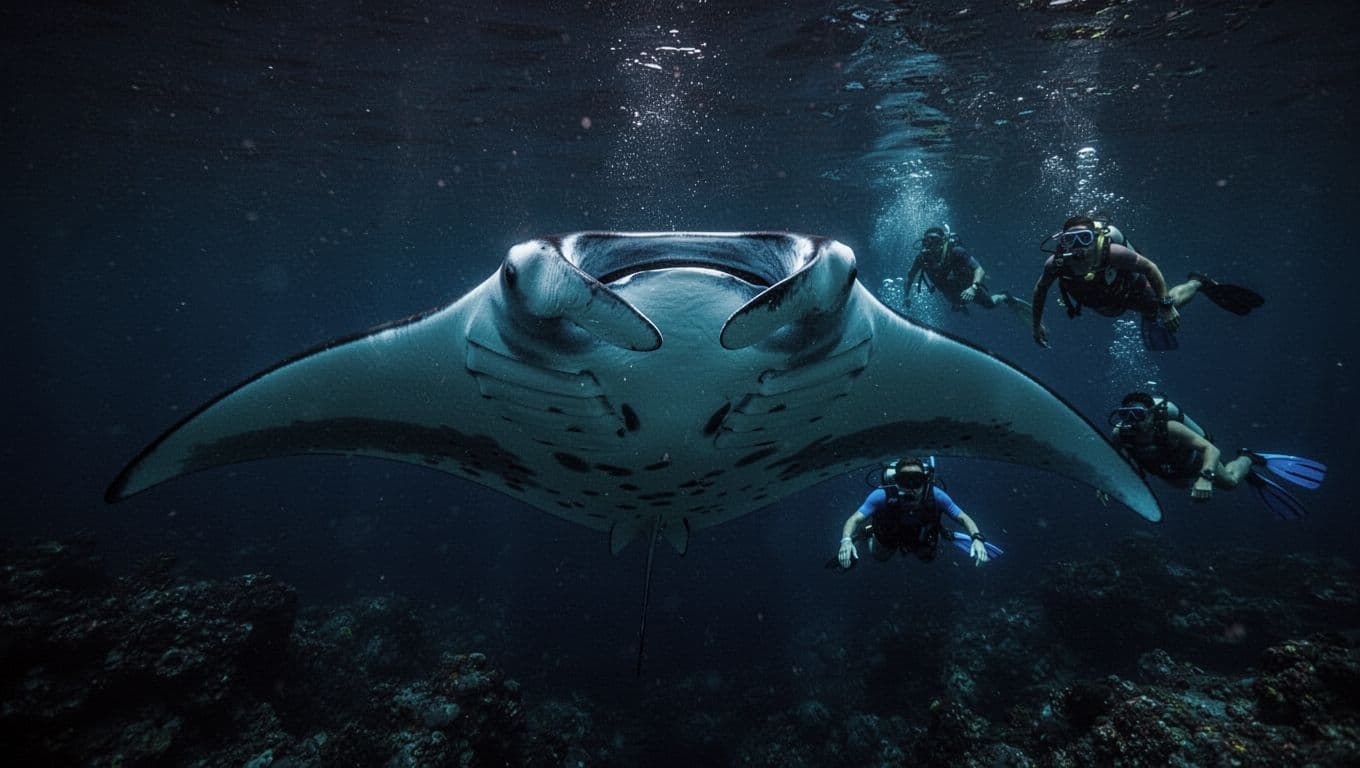
When you’re ready to reserve a manta trip, you can check availability for a Kona Snorkel Trips nighttime departure.
Snorkeling Big Island Hawaii: compare comfort by tour type
Bathroom expectations can change when you choose a different ocean experience. A short reef tour, a Kealakekua Bay trip, a whale watch, and a private charter may all use different vessels.
Daytime trips often include more open-water viewing and longer time on the boat. A visit to Kealakekua Bay may involve a longer transit, so ask about restroom access when you compare the trip with a two-hour manta excursion. The Captain Cook snorkel tour is a useful example of another Big Island water activity with its own boat, route, and timing considerations.
A private charter can give you more control over the schedule and boat choice. You may be able to select a vessel with a cabin or plan a shore break, but those features depend on the boat you reserve. Ask for the vessel description before assuming the charter includes a head.
Families should pay particular attention to age, swimming ability, and comfort on the ladder. A child who can handle the water may still struggle with a long boat ride without easy restroom access. Older adults may also prefer a boat with stable boarding areas and a sheltered place to sit.
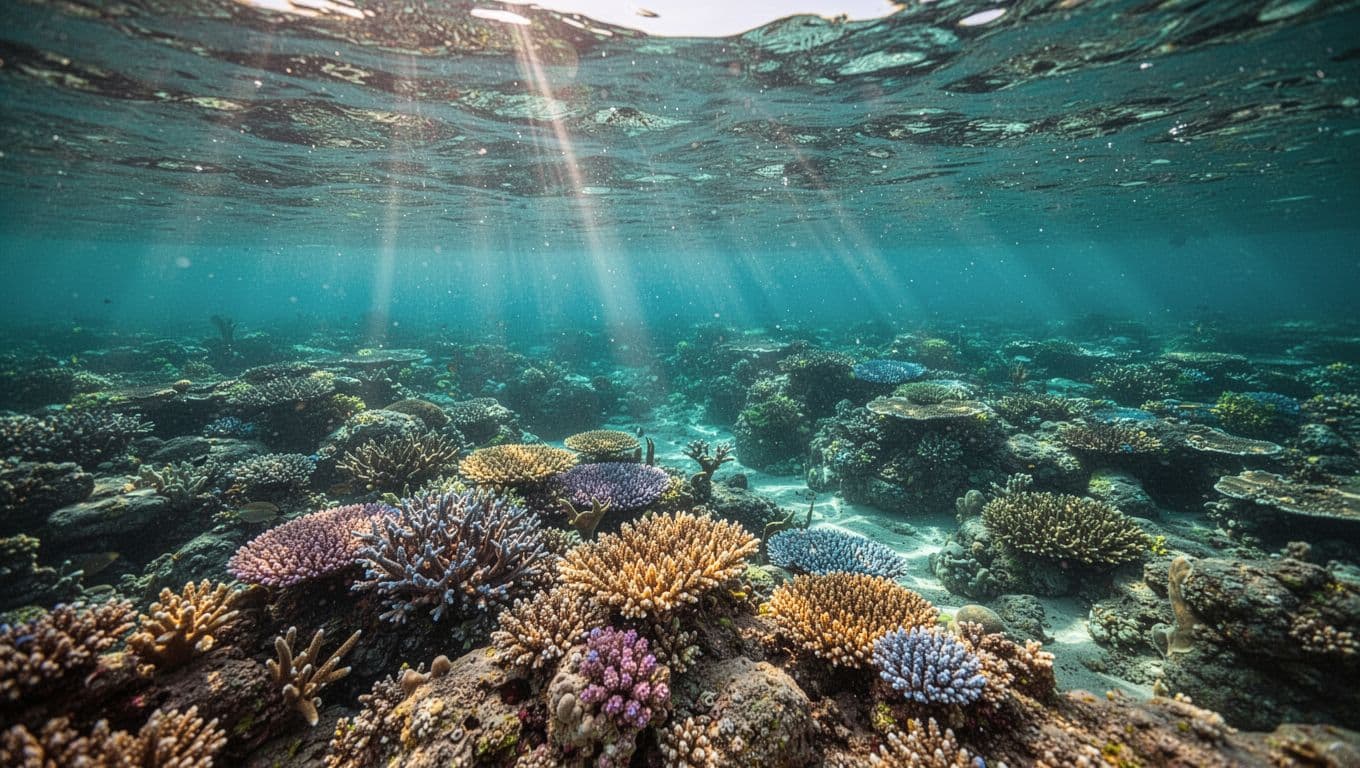
If you want a daytime Captain Cook or Kealakekua Bay outing, you can check availability before building the rest of your schedule around it.
A simple pre-departure routine
You can prevent most bathroom worries with a few practical steps:
- Use the restroom at your hotel before leaving, then use the marina facilities when you arrive.
- Give yourself extra time for parking, check-in, and gear fitting.
- Tell the crew privately if you need frequent restroom access or have a medical concern.
- Choose normal hydration rather than avoiding fluids all day.
- Wear clothing that makes it easy to use a restroom before boarding.
- If you travel with children, have them use the facilities before the safety briefing begins.
Pack light. A towel, dry shirt, light jacket, reef-safe sunscreen, and any required medication are usually more useful than a large beach bag. Keep personal items secured because wet decks and boat movement can send loose belongings across the floor.
If motion sickness concerns you, ask where the most stable seating is before departure. A seat near the center of the boat usually has less movement than the bow, although the crew should make the final recommendation based on the vessel and conditions.
What happens if you need a bathroom mid-tour?
Tell the guide as soon as you realize you need help. Don’t wait until the situation becomes urgent, and don’t enter the water or climb the ladder without the crew’s direction.
If the boat has a marine head, the guide can explain when and how to use it safely. If it doesn’t, the captain may decide whether returning to shore is practical. That decision depends on distance, weather, passenger safety, and the rest of the group.
You shouldn’t expect a captain to stop at an unplanned beach or let you swim toward shore. Night conditions, currents, rocks, and boat traffic make that unsafe. The crew’s job is to keep everyone together and return the vessel safely.
Guests with strict restroom needs should choose a vessel with confirmed facilities or select a private trip where timing may be more flexible. Make that request before booking, because the crew can’t always change boats after you arrive.
Bathroom access isn’t the only comfort question
A toilet matters, but several other details affect your experience just as much. Ask whether the boat has a stable boarding ladder, enough seating, and a sheltered area for guests who don’t snorkel.
You should also confirm how the crew handles changing sea conditions. Manta rays are wild animals, and the captain may adjust the route, timing, or water entry plan when conditions change. A reputable crew will explain those decisions clearly rather than rushing guests into the ocean.
Safety equipment matters as well. Ask whether flotation aids are available, whether guides remain in the water, and how the crew supports first-time snorkelers. Lifeguard-certified guides, clear instructions, and a manageable group size can make the experience feel far more comfortable.
For families, check life-jacket sizing and minimum age requirements. For couples, ask whether the boat has a dry place for phones and cameras. For non-swimmers, confirm whether they can remain on board during the water portion.
The right boat is the one that fits your actual needs. A compact vessel may be ideal if you value quick water access and a small group. A larger boat may be a better fit if you need more interior space and a confirmed marine head.
Conclusion
Some Kona manta ray snorkel boats have bathrooms, but restroom access is never something you should assume. Many smaller boats focus on open-deck snorkeling and may not include an enclosed marine head.
Use the harbor facilities before departure, ask about the exact vessel, and tell the operator about any medical or family needs. With that one conversation handled early, you can focus on the glowing water, calm breathing, and the manta rays moving below you.