
Does Rain Cancel a Kona Manta Ray Snorkel?
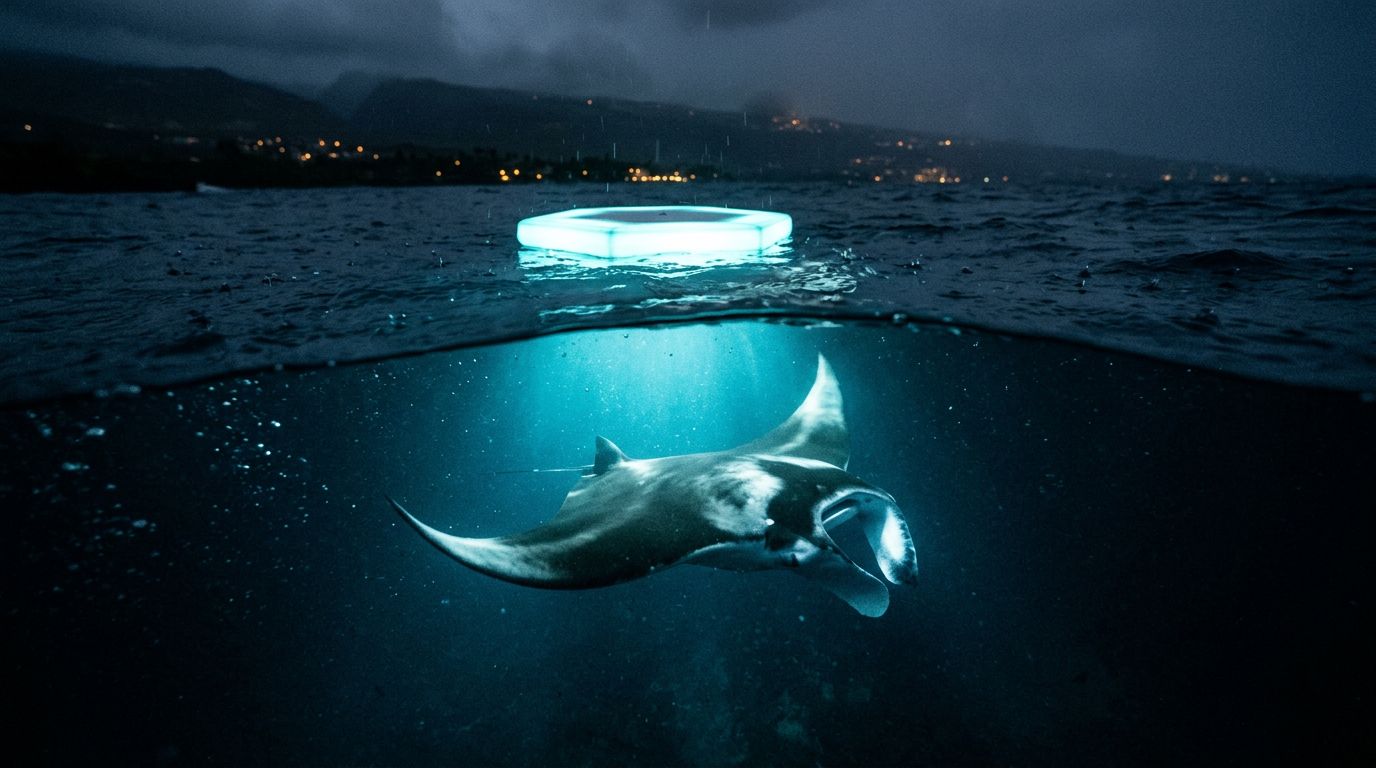
Rain doesn’t automatically cancel a Kona manta ray snorkel. A short shower can move across the Kona coast while the sea stays calm enough for the boat and swimmers.
If you’re researching snorkeling Big Island Hawaii trips, the forecast can look worse than the actual conditions at the launch site. Kona Snorkel Trips is one local option, while Manta Ray Night Snorkel Hawaii is another manta-focused company you may compare. The captain’s decision depends on lightning, wind, swell, water clarity, and safety, not rain alone.
What Rain Means for a Kona Manta Ray Snorkel
The short answer is usually no, rain alone doesn’t cancel the tour.
Kona’s nighttime manta excursions take place in the ocean, so getting wet is already part of the experience. A light shower may make the boat ride feel cooler, but it doesn’t automatically make the water unsafe. Many rain showers along the coast are brief or localized, and conditions can differ between Kailua-Kona, the harbor, and the offshore viewing area.
The more important question is what the rain brings with it. A passing shower with little wind is very different from a storm cell with lightning, rough water, or heavy runoff.
| Weather condition | What it may mean for your tour |
|---|---|
| Light, passing rain | The trip may continue if the sea remains calm. |
| Steady rain with good visibility | The captain may still operate after checking conditions. |
| Heavy rain near shore | Runoff may reduce water clarity at some sites. |
| High winds or large swell | The tour may be delayed or canceled for safety. |
| Lightning or thunderstorms | The crew may cancel or leave the water. |
Rain can also affect your comfort on deck. When the boat is moving, wind and spray may make a warm tropical shower feel much colder than expected. Once you enter the water, however, the main concerns become visibility, current, wave action, and your ability to remain comfortable.
Kona Snorkel Trips explains that a manta ray night snorkel after rain can often proceed when the ocean stays calm and visibility remains suitable. You should still treat that information as general guidance. The captain has the final say on the day of your trip.
Why a Kona Shower May Not Stop the Night
Kona sits on the leeward side of the Big Island, so local weather can change quickly along the coast. A rain cloud over the mountains may not produce the same conditions at the harbor. Likewise, rain at your hotel doesn’t prove that the offshore water is rough.
Forecast apps also cover broad areas. They can’t show every small shower moving across the coastline. A weather icon that displays rain for Kailua-Kona may describe a brief afternoon shower while the evening viewing area remains calm.
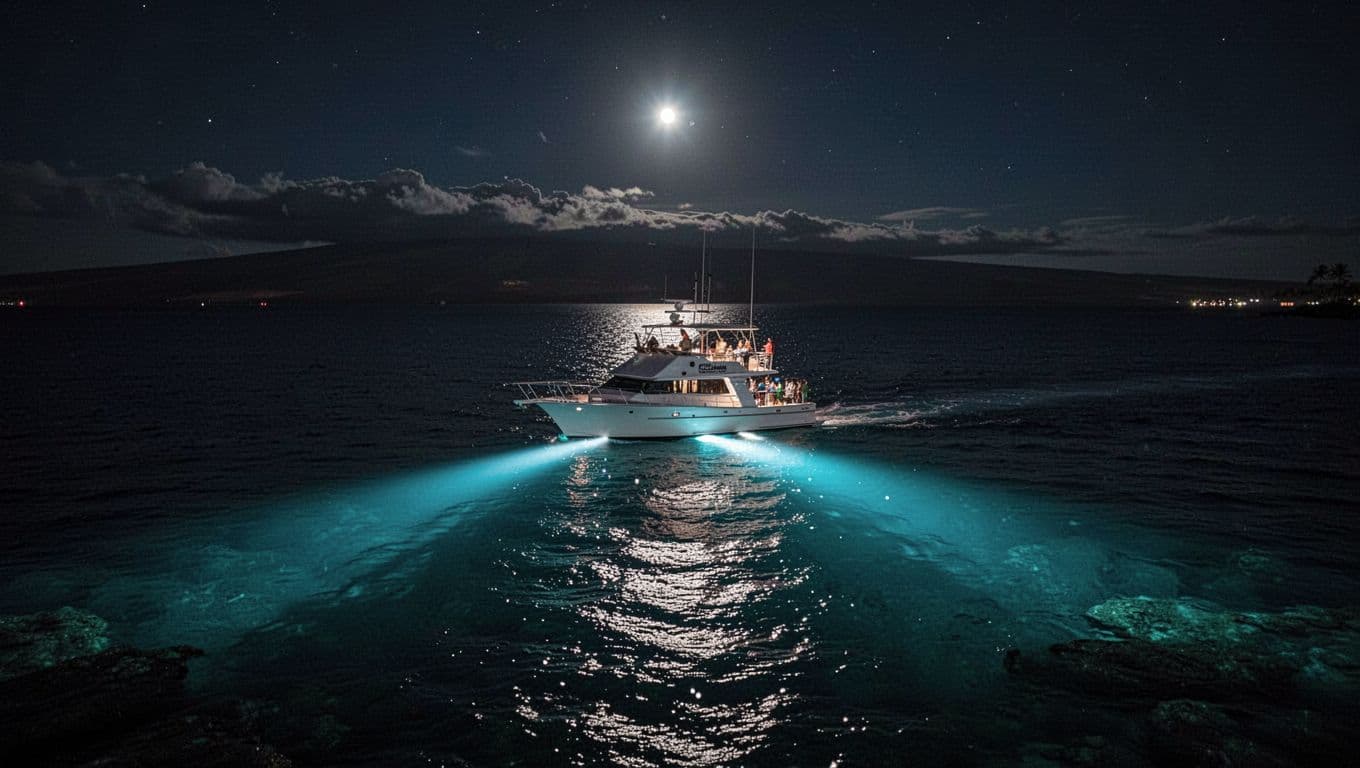
Night snorkeling has another advantage. You aren’t depending on bright sunlight to see the manta rays. Tour lights shine into the water and attract plankton, which can bring manta rays close to the surface. Underwater visibility still matters, but cloud cover by itself doesn’t create darkness below the surface in the same way it affects a daytime reef trip.
You can still snorkel Big Island waters during a rainy forecast when the sea is suitable. The rain may fall above you while the water remains clear enough for the lights and wildlife viewing.
Heavy rain can create a different situation. Water flowing off the land may carry sediment into nearshore areas. That runoff can make the water cloudy, especially close to beaches or rocky drainage points. The effect depends on how much rain fell, where it fell, and how long the water has had to disperse.
A shower may also pass before your boat reaches the viewing site. For that reason, crews look at current conditions instead of relying on a single forecast from earlier in the day.
When Does Rain Cancel a Kona Manta Ray Snorkel?
A Kona manta ray snorkel is more likely to be canceled when rain is part of a larger safety problem. The captain and crew may stop the trip if any of these conditions create unacceptable risk:
- Lightning is present near the boat or expected during the excursion.
- Wind makes the ride rough or prevents the crew from holding a safe position.
- Swell or waves make entering, swimming, or climbing back aboard difficult.
- Currents become too strong for the group to remain together.
- Heavy runoff reduces visibility around the viewing area.
- The harbor, vessel, or local authorities restrict departures.
- Conditions deteriorate after the boat leaves the harbor.
Lightning deserves special attention because you are swimming in open water at night. Even if the rain feels mild, electrical activity can make the water unsafe. A responsible operator may cancel or return early rather than wait for the storm to move closer.
High wind can also matter more than rain. Wind affects the boat ride, surface chop, drifting, and the crew’s ability to keep the vessel positioned near the lights. A calm rain shower is often manageable, while a windy day with no rain can still create a cancellation.
A rain forecast tells you precipitation is possible. It doesn’t tell you whether the ocean is safe.
Visibility matters for two reasons. First, the crew needs a clear view of the water and nearby vessels. Second, swimmers need to stay oriented around the light boards and boat. If murky water or rough surface conditions make the group difficult to monitor, the tour may not proceed.
A cancellation can happen even when the weather looks acceptable from shore. Conditions offshore may differ, and captains have to evaluate the entire route rather than a single viewpoint at the beach.
How Captains Judge Conditions Before Departure
Tour operators usually review weather and ocean conditions more than once. A forecast from the previous evening helps with planning, but it doesn’t replace a same-day assessment.
The process often includes several practical checks:
- The crew reviews the latest forecast for wind, swell, rain, and lightning.
- Staff monitor harbor conditions and the outlook near the viewing area.
- The captain checks the water and sky before departure.
- The crew continues watching conditions during the trip.
- If safety changes, the captain can delay, alter the plan, or return.
You may not receive a final decision until close to departure. That can feel inconvenient when you’re arranging dinner, transportation, or other activities. Still, conditions can change quickly, and an early promise that the trip will operate would be less useful than an honest update.
Ask the operator how and when they communicate weather decisions. Some companies call, text, or email guests. Others update reservations through a booking platform. Confirm that your phone number and email address are correct when you reserve.
Also ask what happens financially if the company cancels. Policies vary. You may receive a refund, a rescheduling option, or credit for another date. Don’t assume that canceling the reservation yourself gives you the same result as an operator cancellation.
If your trip is still scheduled, arrive prepared to go. Bring the items you need for a wet boat ride, then let the crew make the final safety call.
What to Expect from Kona Snorkel Trips in Wet Weather
Kona Snorkel Trips follows a “Reef to Rays” approach that combines guided ocean experiences with reef-safe practices and marine education. Its tours focus on personalized service, safety, and small-group time on the water rather than a crowded, impersonal boat experience.
The crew includes lifeguard-certified guides, and the operation provides quality snorkeling equipment for its ocean excursions. For the manta experience, custom-built lighted boards help create a stable viewing setup at the surface. The lights attract plankton, while guests float nearby and watch the rays move through the illuminated water.
A light shower may change the deck experience without changing the encounter itself. You might spend more time under a covered area before entering the water, wear a rain jacket during the ride, or use towels and dry layers after swimming. The guide will explain the entry plan, flotation equipment, group boundaries, and signals before you get in.
The company also places attention on the volcanic reef environment. You should avoid touching coral or marine life, keep your fins away from the bottom, and follow the crew’s directions around the light boards. Manta rays are wild animals, so sightings and behavior can never be guaranteed, even on a clear night.
You can review the available manta ray night snorkel Kona tours before choosing a date. If you want to compare additional ocean experiences, the company’s Big Island snorkeling tours include other guided options along the Kona coast.
If you’re ready to look at dates, you can check availability for Kona Snorkel Trips.
For the manta ray night trip, check the meeting details, timing, age requirements, and equipment information before you book. You can also check availability for the manta excursion.
What to Pack for a Rainy Manta Tour
You don’t need a separate set of equipment because rain is in the forecast. You do need clothing that helps you stay comfortable before and after the swim.
Pack a light rain jacket or windbreaker for the boat ride. A quick-drying shirt, towel, and complete change of clothes are useful after the tour. Store your phone, wallet, and other valuables in a properly sealed dry bag rather than a regular tote.
Bring sunscreen for the parts of the trip exposed to the sun, even if the evening forecast includes clouds. Choose reef-conscious products and follow the operator’s directions about applying them before entering the water.
If you get cold easily, ask whether the tour provides thermal protection and what gear is included. Don’t assume every operator supplies the same items. The water may feel comfortable while you swim, but wind and rain can make the ride back feel cooler.
Motion sickness can also feel worse when the ocean has surface chop. If you use medication, follow the product directions and ask your healthcare provider whether it is suitable for you. Eat a light meal, drink water, and tell the crew if you begin feeling unwell.
How to Read the Forecast Before You Go
Rain percentage is only one part of the forecast. Before your manta excursion, check the predicted wind, wave conditions, thunderstorms, and timing of the weather system.
A forecast for the afternoon may not describe the evening accurately. Tropical showers can develop or clear during the day, and conditions near the harbor may differ from those farther offshore. Use the forecast as a planning tool, then contact the operator for the latest local update.
Look for these details:
- Rain timing: A passing shower is different from hours of continuous rain.
- Wind: Strong wind can create uncomfortable or unsafe surface conditions.
- Swell: Larger waves can affect boarding, swimming, and returning to the boat.
- Lightning: Electrical activity is a serious reason to avoid open water.
- Visibility: Heavy rainfall and runoff may affect water clarity.
- Temperature: Wet clothing and wind can make the ride feel cold.
The most useful message to a tour company is direct: “Is the trip currently expected to operate, and what happens if the captain cancels?” Ask on the day of the tour if the forecast has changed.
For families, consider the least confident swimmer in your group. Someone who feels fine in calm water may struggle when rain, darkness, and surface chop combine. Couples and solo travelers should make the same assessment. Comfort and swimming ability matter as much as the weather icon on your phone.
What Happens If Your Tour Is Canceled?
If the operator cancels, follow the company’s instructions rather than heading to the harbor without confirmation. Ask whether you can move to another date, receive a refund, or choose a different activity.
Policies differ, so read the terms attached to your reservation. A company cancellation for unsafe conditions may receive different treatment from a guest who decides not to attend because rain is possible. If you’re unsure, contact the operator before the check-in time.
Keep one flexible evening in your itinerary when possible. That gives you room to reschedule if weather interrupts the original plan. Booking the manta trip early in your vacation can also provide more options, although availability varies during busy travel periods.
A daytime reef tour can offer a useful alternative if the night trip can’t operate and conditions improve later. For example, a Kealakekua Bay snorkel tour provides a different experience around clear water, reef habitat, and the Captain Cook monument. It isn’t an automatic substitute because daytime tours also depend on safe ocean conditions.
Don’t book a second ocean trip until you know why the first one was canceled. If lightning or strong winds caused the problem, another boat excursion may face the same conditions. A weather-related change of plan is frustrating, but avoiding a risky swim protects your vacation and your group.
Questions to Ask Before You Book
A few clear questions can prevent confusion when rain appears in the forecast:
- What conditions cause the captain to cancel?
- How close to departure do you make the final decision?
- Will you contact guests by phone, text, or email?
- Do you offer a refund, rescheduling, or credit after a cancellation?
- What snorkeling and thermal gear is included?
- Is the trip suitable for children or inexperienced swimmers?
- What should guests bring if rain is likely?
Ask whether the operator has covered seating or a protected place for personal items. You should also find out where to meet and whether the check-in time changes during unsettled weather.
When you compare tours, look beyond the rain policy. A small group can make it easier for guides to monitor swimmers. Clear safety briefings, suitable flotation equipment, and experienced crew members matter during every night trip, including a dry one.
The goal isn’t to predict the weather perfectly. It’s to understand the decision process and choose an operator that communicates clearly. That preparation lets you enjoy the experience when conditions cooperate and respond calmly if the ocean doesn’t.
Conclusion: Rain Is Not the Main Test
A rainy forecast doesn’t automatically cancel your Kona manta ray snorkel. Light showers may pass while the boat, water, and visibility remain suitable. Lightning, strong wind, rough swell, unsafe currents, and poor visibility carry more weight.
Check the latest forecast, ask about the operator’s cancellation policy, and pack for a wet ride. Then let the captain judge the conditions on the water. For many visitors, snorkeling Big Island is a highlight precisely because the ocean experience changes with the island’s weather, and a passing shower doesn’t have to end the night.