
Can You Bring Food on a Captain Cook Snorkel Tour?
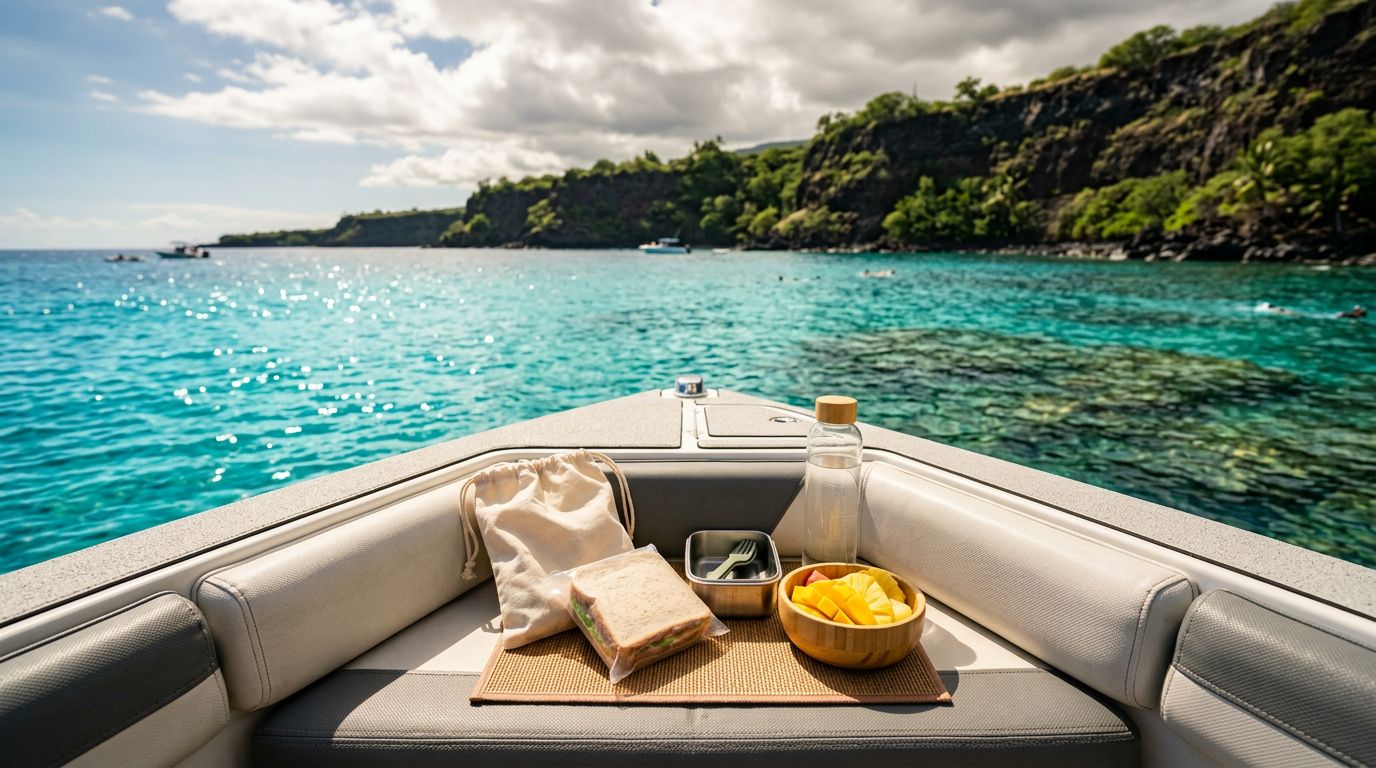
A boat trip can work up an appetite, especially after swimming in Kealakekua Bay. If you are booking a Captain Cook snorkel tour, you may wonder whether you can bring your own sandwich, snacks, or a small cooler.
The short answer is usually yes, but every operator sets its own rules. Most tours provide water, drinks, or light snacks, so you may not need to pack a full meal. Before you board, confirm what is included, what outside food is allowed, and where you can store it.
Can You Bring Food on a Captain Cook snorkel tour?
Most Captain Cook boat tours allow guests to bring a small amount of food. However, outside food must be practical for a moving boat. A sealed snack tucked into a day bag is easier to manage than a large picnic basket, cooler, or hot meal.
Your operator may limit outside food because of storage space, cleanup, passenger comfort, and safety. Boats have narrow walkways, wet decks, and shared seating areas. Loose wrappers or spilled drinks can quickly create a slipping hazard.
You also shouldn’t assume that a tour includes lunch. A half-day snorkeling trip may provide light refreshments without offering a full meal. Read the booking details carefully, then contact the company if the information isn’t clear.
| What you want to bring | The sensible approach |
|---|---|
| Bottled water or a refillable bottle | Ask whether drinks are supplied before packing extra beverages. |
| Granola bars or crackers | Choose sealed, low-mess snacks that can stay in your bag. |
| Sandwiches | Use a leak-proof container and avoid sauces that spill easily. |
| A large cooler | Ask first because storage space may be limited. |
| Alcohol | Leave it at your accommodation unless the operator gives written permission. |
| Glass containers | Avoid them because they can break on a moving boat. |
Food belongs on the boat, not in the water. Never throw crumbs overboard or feed fish and other marine life. Even a small amount of human food can change animal behavior and create an unhealthy relationship between wildlife and visitors.
The safest rule is simple: bring a small, sealed snack only after the operator confirms that outside food is welcome.
If your tour includes snacks and drinks, use those provisions instead of carrying extra bags. You will have more room for towels, reef-safe sunscreen, and dry clothing.
What food and snacks are provided on board?
Food service varies by tour company, boat, departure time, and trip length. A morning excursion may offer light snacks and drinks, while a longer private charter may handle refreshments differently. The word “snacks” doesn’t always mean breakfast or lunch.
Kona Snorkel Trips includes snacks and drinks on its Captain Cook snorkeling experience. That means you generally won’t need to pack a full meal for the boat. Still, you should ask about the current menu if you have allergies, dietary restrictions, or strong preferences.
The company follows a “Reef to Rays” philosophy, with small-group ocean trips led by Lifeguard Certified guides. Its focus includes guest safety, personal service, quality snorkeling gear, and responsible behavior around Hawaii’s marine life.
You may still want to pack one personal snack if you get hungry between refreshments. Choose something dry and easy to eat, such as a sealed bar, plain crackers, or a simple sandwich. Keep it in a small waterproof pouch or a tightly closed food container.
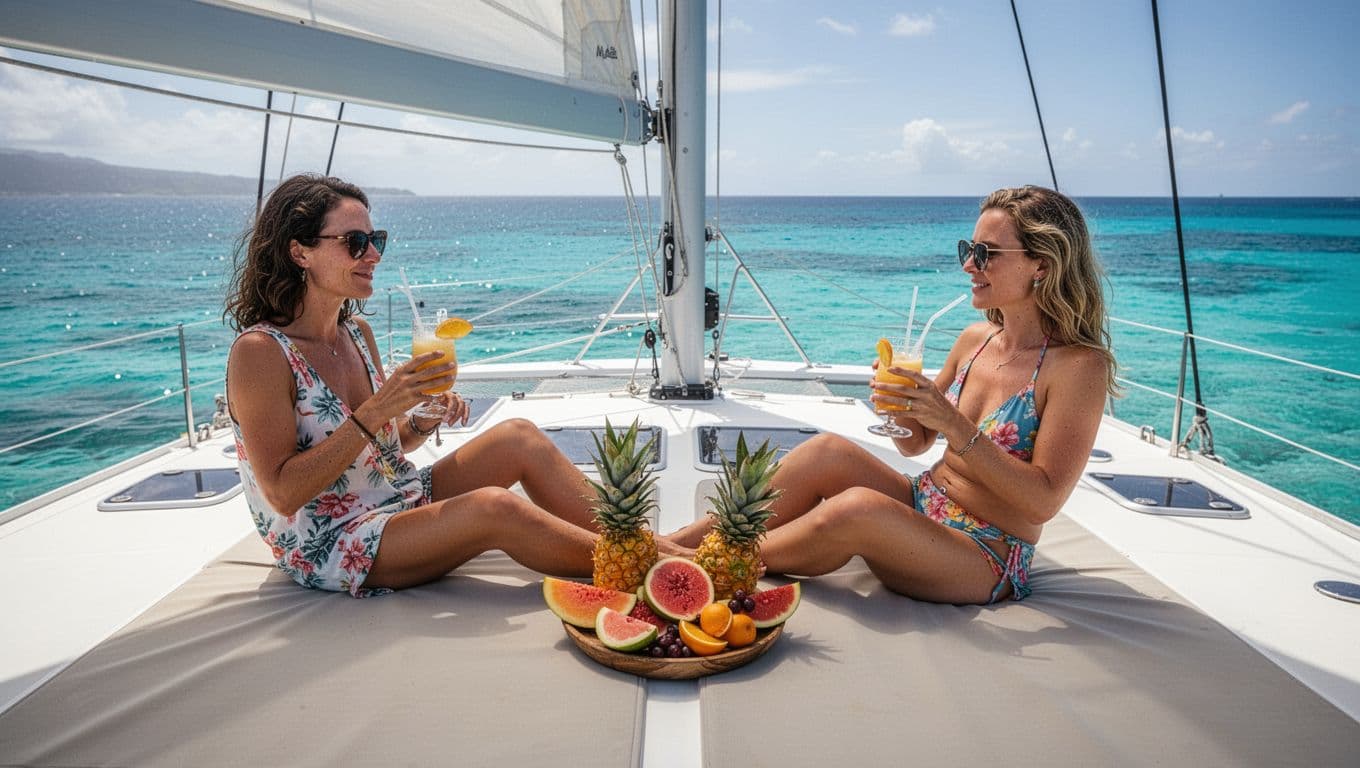
A Captain Cook snorkel tour is active even when the boat is resting at anchor. You may swim, climb a boarding ladder, adjust your gear, and move between shaded and sunny areas. Light refreshments are easier to manage than a heavy meal.
If you need a specific food for medical or dietary reasons, tell the operator before the trip. Don’t wait until boarding. The crew may be able to suggest what to bring or confirm whether the supplied snacks meet your needs.
Parents should also ask about children’s food options. Younger swimmers often prefer familiar snacks, and a small sealed item can help during the ride back to the harbor. Avoid foods that melt, crumble heavily, or require utensils.
What outside food works best on a boat?
The best boat snacks are compact, clean, and stable in warm weather. You want food that stays edible in a day bag and doesn’t create a mess if the boat moves through choppy water.
Good choices include:
- Sealed granola or protein bars that won’t melt easily.
- Crackers, pretzels, or dry cereal in a resealable bag.
- A simple sandwich inside a leak-proof container.
- Fresh fruit that doesn’t require peeling over the deck.
- Small packets of trail mix, provided they meet your allergy needs.
- Electrolyte powder that you can add to water if the crew allows it.
Avoid foods with runny sauces, strong odors, or loose pieces. A burrito covered in salsa may taste good at your hotel, but it can become difficult to eat on a wet deck. The same applies to soups, yogurt cups, and anything that needs a knife.
Glass containers are a poor choice. They can break if dropped, and fragments are dangerous on a boat. Pack food in lightweight plastic or reusable containers instead.
Large coolers create another problem. They take up limited deck space and may block walkways or access to safety equipment. Ask the company before bringing one, even if you plan to leave it closed.
Alcohol also deserves a direct answer. Never assume you can bring beer, wine, or spirits. Operators may prohibit alcohol because of safety rules, licensing, passenger comfort, or the physical demands of snorkeling.
Before you leave your hotel, place food in one small bag. Keep wrappers and containers inside it throughout the trip. That habit protects the deck, reduces cleanup, and makes it easier for the crew to keep shared spaces safe.
Pack for the ride, not only the swim
Many people focus on what they will eat after entering the water. The boat ride can affect your appetite more than the snorkeling itself, especially if you are sensitive to motion.
A light snack may sit better than greasy or spicy food. Eat a modest amount before departure, and avoid boarding with either a heavy stomach or no food at all. Drink water, but don’t force yourself to consume a large amount right before the boat leaves.
If you often experience motion sickness, ask your healthcare professional about suitable medication before your vacation. Follow the product directions, including any timing instructions. You can also tell the crew when you board, since guides may help you choose a steadier position on the boat.
Children may need more frequent snacks than adults. Pack familiar foods in small portions rather than one large meal. A snack that can be eaten quickly is easier to manage when the boat is moving or when the group is preparing to enter the water.
Account for allergies and shared spaces
Shared snack areas require extra care when someone in your group has a severe allergy. Tell the operator before booking and ask how packaged foods are handled. Don’t rely on a label that only says “snacks included.”
You may need to bring a personal substitute in its original packaging. Keep it separate from shared food, and tell the crew which item belongs to you. The operator can explain what its staff can and cannot do for allergy-related concerns.
Dietary preferences also deserve advance notice. Vegetarian, vegan, gluten-free, and dairy-free options may vary. A short phone call can prevent an uncomfortable surprise once you are offshore.
Why food rules matter in Kealakekua Bay
Kealakekua Bay is known for clear water, coral habitat, and dense tropical fish populations near the Captain Cook Monument. The waters around the monument are managed as a protected marine area, so your behavior affects a sensitive ecosystem.
Food creates several concerns in a marine sanctuary. Fish may begin associating boats and swimmers with handouts. That can change their natural feeding behavior and bring animals closer to people than they should be. Crumbs and packaging also create pollution when they reach the water.
During a Captain Cook snorkel tour, keep every snack on the boat. Don’t carry food into the water, even if you plan to eat it near the boat. Never hold food out for fish, turtles, dolphins, or any other wildlife.
Your sunscreen and personal care products matter too. Apply reef-conscious products before boarding, and follow the operator’s instructions about what to use. Avoid touching coral, standing on the reef, or dragging fins across shallow areas.
The local area has separate rules for boating, shoreline access, and protected marine resources. If you are planning a land-based visit as well, review this Kealakekua Bay visitor guide for access details and local planning information.
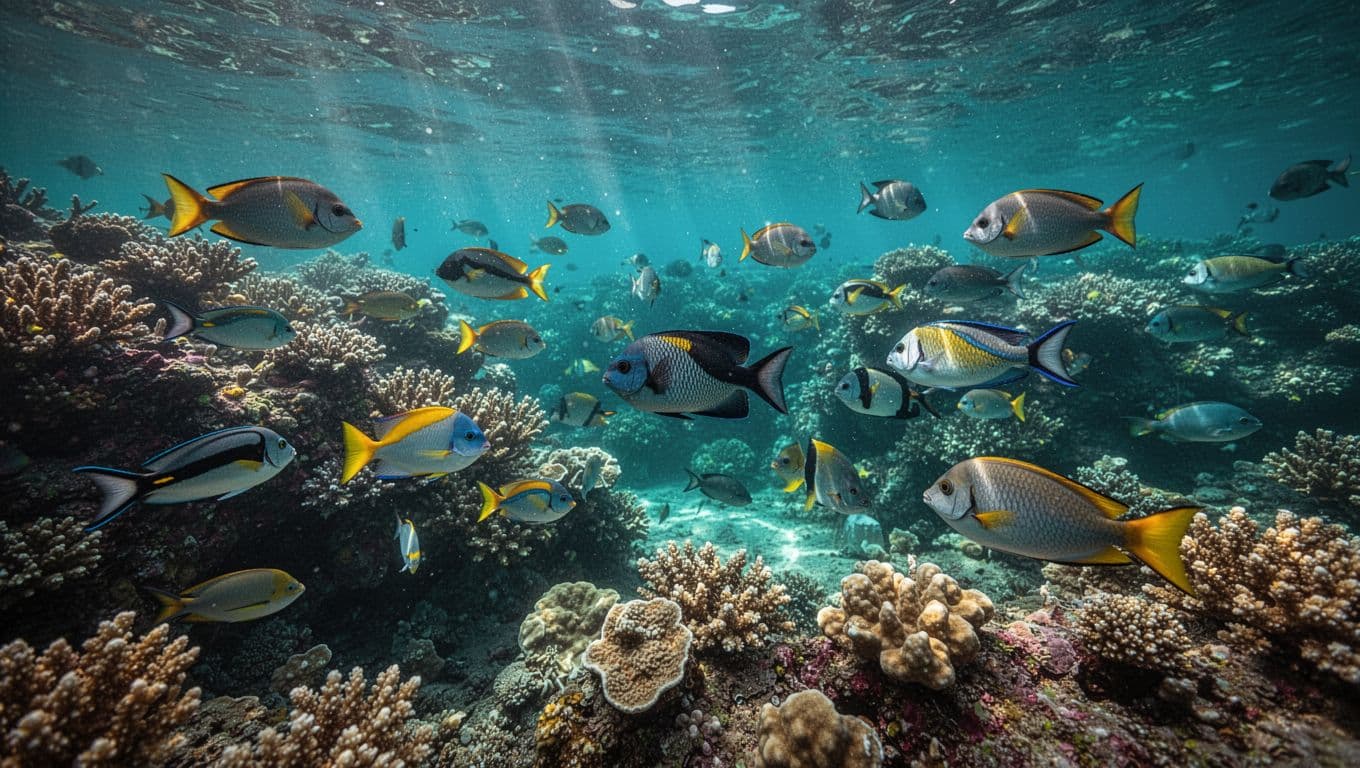
A good guide will explain where you can swim and how to move through the area without damaging the reef. Stay with the group, keep your fins away from coral, and follow directions about entry and exit points.
You may also see signs of human history during your visit. Captain James Cook arrived at Kealakekua Bay in 1779, and the monument commemorates the location connected to his death. The bay is both a cultural site and a marine habitat, which gives your visit more meaning than a standard swim stop.
If you want a picnic after snorkeling, plan it for a permitted land area rather than the boat or water. Traveler information for Kealakekua Bay State Historical Park includes practical details about shore facilities and visitor experiences. Check current park information before relying on any facility.
How Kona Snorkel Trips handles the food question
Kona Snorkel Trips is a useful option when you want a guided Kealakekua Bay outing with refreshments already planned. Its tour information lists snacks and drinks, along with snorkeling gear and guidance for the trip.
The company keeps groups personal rather than packing the boat with as many passengers as possible. Lifeguard Certified guides lead the experience, provide safety instructions, and help guests of different swimming abilities feel prepared.
That setup works well for families and couples who don’t want to manage a large cooler. You can ask what food and drinks are scheduled for your departure, then bring only a small personal snack if you still need one.
You can compare the available Big Island snorkeling tours before choosing a departure. Look at the trip length, meeting instructions, included gear, refreshment details, and cancellation terms. Those details answer more practical questions than the tour title alone.
For another company focused on this area, you can also review Captain Cook Snorkeling Tours and confirm its current outside-food policy before booking. Policies can change with boat assignments, weather, and trip schedules.
Kona Snorkel Trips also emphasizes reef-safe practices and education during its ocean outings. That matters when you visit a protected bay where the reef and wildlife need space. You get time to enjoy the water without turning the snorkeling stop into a floating picnic.
If you want to reserve a general snorkeling trip with Kona Snorkel Trips, you can use the booking calendar below.
For the Captain Cook route, confirm the departure time and refreshment details when you book. You can also check avaialbility for the Kealakekua Bay snorkeling trip.
What to ask before your snorkeling day
A quick message to the tour company can remove most uncertainty. Ask these questions before you pack:
- Are outside snacks allowed on this specific boat?
- Are water and other drinks included?
- Does the trip provide a full meal or only light snacks?
- Can you bring a small cooler or insulated lunch bag?
- Are there food options for allergies or dietary restrictions?
- Is alcohol prohibited?
- Where should you store food during the ride and swim?
- Are there any special rules for food near Kealakekua Bay?
The answers may differ between a standard group tour and a private charter. A private boat often gives you more control over timing and food, but you still need to follow the captain’s safety and marine-protection rules.
Your departure time also affects your plan. An early trip may make breakfast at your hotel the easiest option. A midday trip may fit between meals, while a longer excursion could call for an extra snack.
When you plan a day of snorkeling Big Island Hawaii waters, leave enough time for the drive, parking, check-in, safety briefing, boat ride, and return. Rushing through breakfast can make the first part of the trip uncomfortable.
Pack a towel, dry clothes, sun protection, and any needed medication in addition to food. Keep valuables and unnecessary bags at your accommodation when possible. A lighter bag is easier to store and less likely to get wet.
The best food plan for families and couples
Families should decide in advance whether everyone can eat the snacks supplied by the operator. If a child needs a familiar item, bring one small sealed portion instead of a full lunch. Tell the guide about allergies before the boat departs.
Couples often prefer to keep the day simple. Eat a proper breakfast, bring one compact snack, and use the drinks supplied on board if they meet your needs. That leaves your hands free for boarding, adjusting masks, and holding the boat ladder when directed.
Solo travelers can follow the same approach. A small waterproof pouch with one snack and a refillable bottle is enough for many half-day trips. Ask before bringing equipment or bags that could take up shared deck space.
If you snorkel Big Island reefs with a mixed-age group, plan around the least comfortable swimmer. Someone who needs a break may also need water or a quick snack. Follow the guide’s instructions instead of eating while the group is preparing for a water entry.
A day of snorkeling Big Island conditions can include sun, wind, saltwater, and boat motion. Food planning won’t control the weather, but it can prevent a small hunger problem from affecting the whole group.
What to do if you get hungry after the tour
The boat trip should remain focused on safe movement, swimming, and respect for the bay. If you want a substantial meal, schedule it after returning to shore. That gives you access to more food choices and avoids carrying unnecessary containers offshore.
Don’t leave wrappers, fruit peels, bottles, or other waste behind. Bring every item back to the dock, including food you didn’t finish. A reusable bag makes cleanup quick and keeps small pieces from blowing across the deck.
You can also eat before check-in, provided you leave enough time to settle your stomach. A light meal is often more comfortable than a large, rich breakfast immediately before a boat ride.
For visitors who plan to stay in the area afterward, confirm parking, facilities, and access rules before setting up a shore meal. Conditions and park operations can change, so current information matters more than an old travel post.
Conclusion
You can often bring a small snack on a Captain Cook snorkel tour, but you should confirm the operator’s policy first. Most importantly, choose sealed, low-mess food, avoid glass and alcohol, and keep every item out of the water.
Kona Snorkel Trips includes snacks and drinks on its Kealakekua Bay experience, which makes packing a full meal unnecessary for many guests. With a little planning, you can focus on the clear water, tropical fish, and historic Captain Cook Monument instead of worrying about lunch.