
Kona Manta Ray Snorkel Water Temperature by Month
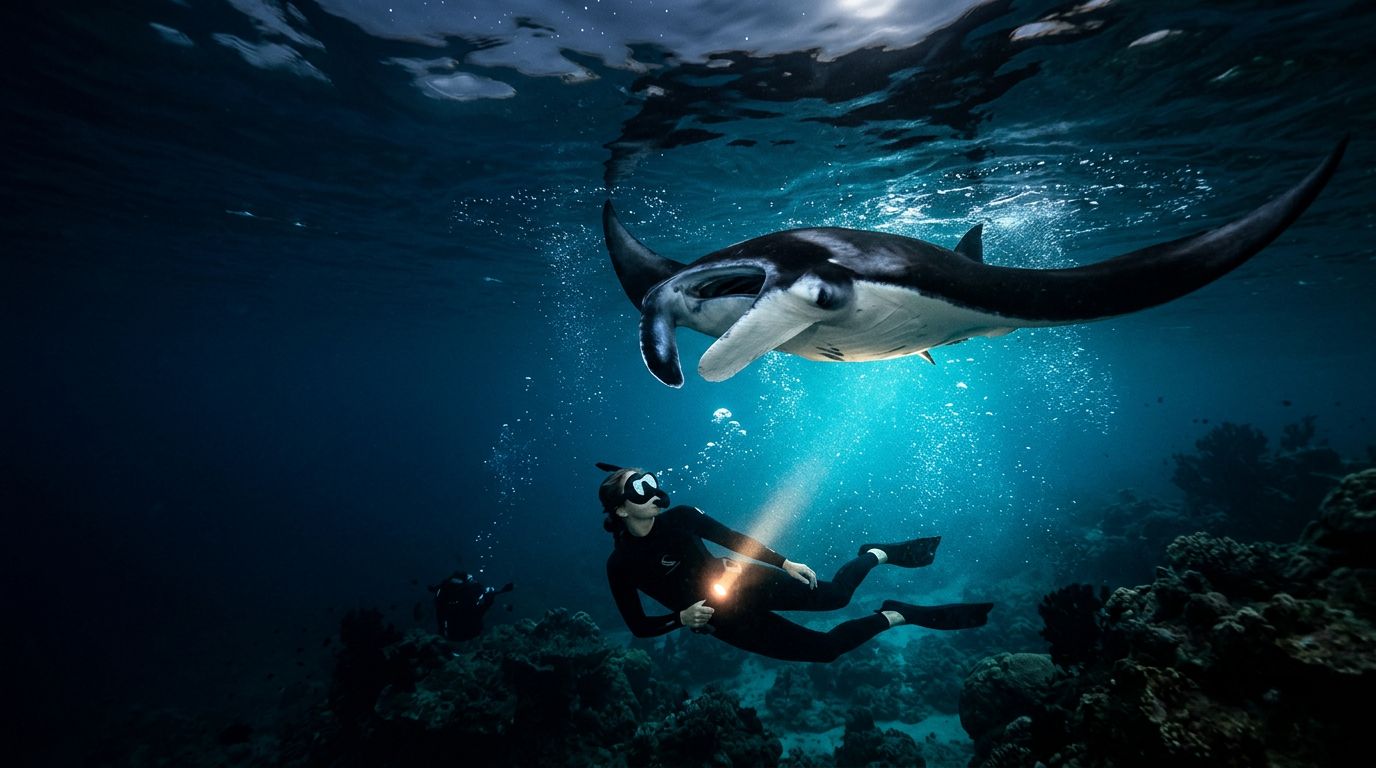
When you plan a Kona manta ray snorkel, water temperature can decide whether you feel relaxed or spend the evening tensing your shoulders. In Kailua-Kona, the ocean stays comfortable year-round, with monthly averages ranging from about 76.6°F to 81°F.
Kona Snorkel Trips pairs small-group guidance, lifeguard-certified guides, quality equipment, and custom lighted boards for nighttime manta encounters. You may also compare Manta Ray Night Snorkel Hawaii when choosing a manta-focused operator. The monthly guide below will help you pick the right gear and travel dates.
Kona’s Ocean Temperature Stays Warm All Year
Kona has one of Hawaii’s most consistent ocean climates. The water does cool slightly during late winter, but the change is modest. You won’t see the sharp seasonal swings common in many mainland destinations.
The coolest average arrives around March at approximately 76.6°F, or 24.8°C. September is usually the warmest month, with an average near 81°F, or 27.2°C.
Here are practical planning averages for Kailua-Kona:
| Month | Average water temperature | Approximate Celsius |
|---|---|---|
| January | 77.4°F | 25.2°C |
| February | 76.8°F | 24.9°C |
| March | 76.6°F | 24.8°C |
| April | 77.2°F | 25.1°C |
| May | 78.1°F | 25.6°C |
| June | 79.0°F | 26.1°C |
| July | 79.9°F | 26.6°C |
| August | 80.6°F | 27.0°C |
| September | 81.0°F | 27.2°C |
| October | 80.8°F | 27.1°C |
| November | 79.9°F | 26.6°C |
| December | 78.4°F | 25.8°C |
These figures are monthly averages, not a guarantee for one evening. Wind, recent weather, the exact launch area, and offshore conditions can change how the water feels.
A difference of four or five degrees may look small on paper. You can still notice it during a long surface float, especially when you leave the water and catch an evening breeze. For most visitors, though, Kona’s ocean is swimmable in every month.
Kona manta ray snorkel water temperature by month
The calendar affects comfort more than manta viewing potential. Since the water remains warm throughout the year, you can plan a nighttime encounter in winter, spring, summer, or fall.
January through March: the coolest water
January averages around 77.4°F, while February and March fall closer to 77°F and 76.6°F. These are the coolest months for a Kona manta ray snorkel, but the water still feels mild compared with most cold-water destinations.
You may appreciate a thin wetsuit during this period, particularly if you get cold easily. A rash guard can work for warm swimmers, but the evening air often matters as much as the sea temperature.
March is usually the low point of the annual water cycle. The change happens gradually, so you won’t feel a sudden shift when February becomes March. If you prefer slightly cooler water and don’t mind bringing an extra layer, late winter can be comfortable.
January also brings seasonal whale activity around Hawaii. A whale watch and manta experience may appeal to you if your schedule falls during this period, although whale sightings are never guaranteed.
The water is coolest in March, but wet skin and a breezy night can make January through March feel cooler than the thermometer suggests.
April through June: a gradual warm-up
April stays near 77.2°F, then May climbs to about 78.1°F. By June, the average reaches approximately 79°F.
This period works well if your group has mixed comfort levels. The water is no longer at its yearly low, yet it hasn’t reached the warmest late-summer temperatures. You can still pack a light wetsuit for extra comfort without expecting a cold swim.
April and May can also suit travelers who want to combine nighttime snorkeling with daytime reef outings. Snorkeling Big Island reefs during the day gives you a useful comparison because sunlight, warm air, and active swimming make daytime water feel different.
June offers a particularly comfortable balance. Water near 79°F feels warm for many swimmers, while a thin layer can help you stay relaxed during a longer float.
July through August: warm summer water
July averages close to 79.9°F, and August rises to around 80.6°F. These months provide some of the warmest conditions for night snorkeling in Kona.
Many swimmers feel comfortable in a rash guard or swimsuit during summer. Even then, you may want a wetsuit if you tend to get cold while floating rather than swimming. Manta snorkeling involves steady observation, so your body may produce less heat than it would during an active reef swim.
August is a strong choice for families and first-time snorkelers who worry about cold water. You still need to consider wind and air temperature after sunset, but the ocean itself is usually at its most inviting.
September through December: warm water into winter
September usually reaches the annual high near 81°F. October remains close behind at approximately 80.8°F, while November averages around 79.9°F. December cools slightly to about 78.4°F.
Early fall offers the warmest conditions for visitors who want to minimize the chance of feeling chilled. By November and December, the water remains warm, but you may notice the difference if you spend a long time floating.
December is still a comfortable month for most travelers. Pack a cover-up or dry layer for the boat ride back, especially if your hair and swimwear stay wet.
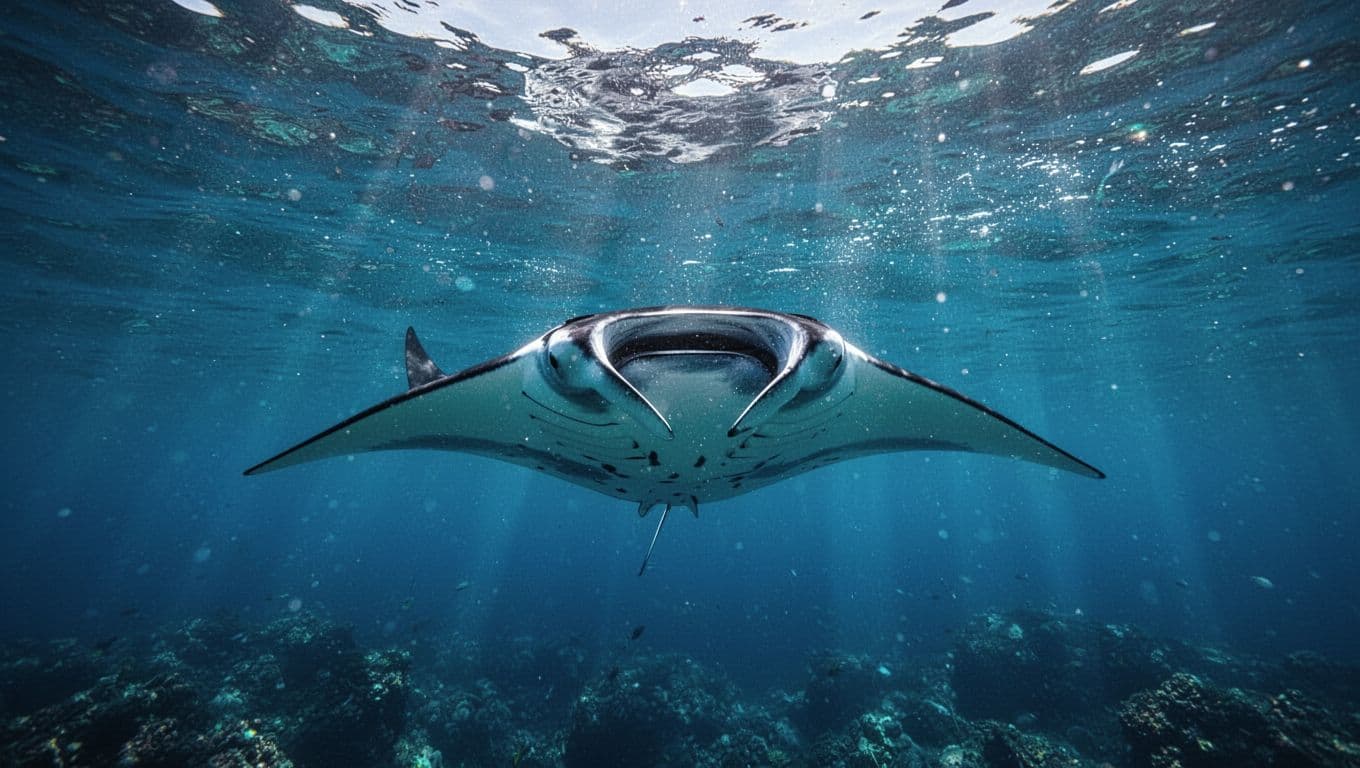
Why warm water can feel cool during a night snorkel
Your body doesn’t experience water temperature in isolation. The air, wind, boat ride, and time spent floating all affect your comfort.
During a manta encounter, you usually spend much of your time at the surface. You may kick gently, hold onto a flotation aid, and watch the rays pass below you. That calm position is excellent for viewing, but it creates less body heat than continuous swimming.
Once you leave the water, evaporation cools your skin. A breeze across wet shoulders can make a 79°F ocean feel cooler than expected. The ride back to shore may also feel chilly if you don’t have a dry towel or warm layer nearby.
Water temperature also varies slightly by location. A protected area near the coast may feel different from an offshore site. Local currents can move water with a different temperature into the viewing area.
Your personal experience matters too. People who swim regularly often tolerate cooler water better than people who rarely enter the ocean. Children, older adults, and anyone who feels cold quickly may prefer more thermal protection, even during summer.
You don’t need to judge your comfort by the average alone. Ask the operator what guests are wearing during your travel month. That answer can be more useful than a general weather chart.
What to wear for each season
You can prepare for a Kona manta ray night snorkel without overpacking. The right choice depends on your comfort, the length of your water time, and the operator’s equipment policy.
For most visitors, these options cover the year:
- A swimsuit works for warm-water swimmers, especially in August through October.
- A rash guard adds light insulation and protects your shoulders from sun during daytime activities.
- A 2mm or 3mm wetsuit can make late-winter and spring swims more comfortable.
- A shorty wetsuit offers warmth without the bulk of a full suit.
- A dry shirt, sweatshirt, or windbreaker helps after you climb back aboard.
- A towel and dry change of clothes matter more than many travelers expect.
Some operators provide wetsuits, while others offer them as an optional rental. Confirm what your tour includes before you arrive. A suit that fits closely retains heat better than one with loose gaps around the neck, wrists, or waist.
Your mask fit also affects the experience. If you spend the evening adjusting a leaking mask, you’ll move more and lose focus. Tour operators typically help you select and fit equipment before entering the water, but mention any vision needs or comfort concerns early.
Families should check whether thermal gear comes in children’s sizes. Younger swimmers may cool down faster, and a properly fitted flotation device can help them stay calm without excessive kicking.
Avoid applying ordinary sunscreen immediately before entering the ocean. Use reef-conscious products and follow your guide’s instructions. At night, you won’t need sun protection once the sun has set, but sunscreen may still matter during the boat ride or an earlier daytime excursion.
Wind, waves, and visibility matter as much as temperature
A warm ocean doesn’t automatically create perfect snorkeling conditions. Water temperature is one part of your planning decision.
Wind can roughen the surface and make it harder to relax while you float. Swell can affect the boat ride and the feel of the water. Rain may reduce surface visibility for a time, although a passing shower doesn’t always ruin an evening.
Visibility depends on several local conditions. Recent weather, runoff, currents, plankton levels, and the viewing site’s exposure can all play a role. Manta rays may still visit when the surface looks less than perfect, but your guide makes the final call based on safety and conditions.
For a short-term update, check the PacIOOS water temperature forecast. PacIOOS provides a seven-day model forecast for Hawaii and nearby Pacific locations. It can help you see whether current conditions are tracking close to seasonal averages.
For broader historical patterns, NOAA’s Climate at a Glance data offers climate comparisons. It isn’t a substitute for a same-day marine report, but it helps put unusual weather into context.
Your tour operator also watches conditions that a monthly chart cannot show. Ask about the forecasted wind, expected water time, and recommended clothing when you book.
How to choose a Kona manta ray snorkel by travel month
The best month for you depends on your cold tolerance, travel schedule, and priorities. Since Kona’s water stays within a narrow range, you don’t need to avoid winter solely because of temperature.
If you feel cold easily, choose July through October. Average water temperatures sit near 80°F or higher, and the warmest period arrives in September. You should still bring a dry layer because the boat ride takes place after sunset.
If you prefer mild conditions with a little less heat, April through June offers a comfortable middle ground. A thin wetsuit gives you flexibility if the evening turns windy.
Traveling in January through March doesn’t mean you need to skip the experience. The water remains close to 77°F, and the right thermal layer can keep you comfortable. Ask about equipment before booking, then plan to dry off quickly after the swim.
Small groups can also improve your comfort. You’ll have more room to get fitted, ask questions, and settle into the water without feeling rushed. Kona Snorkel Trips follows a “Reef to Rays” philosophy, with a focus on personal service, safety, and responsible interaction with the reef.
The company has built its reputation around small-group ocean adventures rather than crowded, impersonal outings. Lifeguard Certified guides provide instruction and local marine-life knowledge. State-of-the-art snorkeling equipment and custom-built lighted boards support the nighttime viewing experience.
You can review the Kona manta ray night snorkel tour when comparing trip details. Kona Snorkel Trips also offers Big Island snorkeling tours for travelers who want a daytime reef outing during the same vacation.
If your group includes guests who don’t want a nighttime swim, a daytime Kealakekua Bay snorkel tour can add another ocean experience to your itinerary. Daylight, active swimming, and warm sun can make similar water temperatures feel different.
When you’re ready to compare dates for a Kona Snorkel Trips outing, you can check availability.
For the specific manta experience, use the manta booking option rather than assuming every departure follows the same schedule.
If you add a Captain Cook outing, book it as a separate daytime plan. The water may be similar, but the sun and activity level change how the swim feels.
Match your dates to your comfort level
Your decision becomes easier when you focus on the experience you want.
January through March suits travelers who don’t mind mild water and may want to add seasonal whale watching. Bring a warm layer and ask about wetsuit availability.
April through June offers steady, moderate temperatures. These months work well when your itinerary includes both daytime snorkeling and a night manta outing.
July through October provides the warmest water. This period is a good fit for families, first-time snorkelers, and anyone who prefers to swim with minimal thermal gear.
November and December keep the ocean comfortable while bringing slightly cooler evenings. Pack a cover-up, especially if you plan to spend extra time on deck after the encounter.
If you’re researching snorkeling Big Island Hawaii options, remember that Kona’s leeward coast often offers a different experience from more exposed shorelines. If you want to snorkel Big Island waters at night, the operator’s forecast and safety briefing matter more than a one-degree difference in the monthly average.
A water temperature of 76.6°F isn’t cold for most travelers, but it can feel cool during a stationary float. Conversely, 81°F doesn’t remove the need for good equipment, calm conditions, or sensible planning.
What to check before you leave your hotel
Look at the marine forecast on the day of your tour. Pay attention to wind and swell, not only temperature. A calm 77°F evening may feel more comfortable than a windy 81°F evening.
Wear your swimwear under clothes that are easy to remove. Bring a towel and a dry layer in a small bag. If you use prescription glasses, tell the crew before equipment fitting so they can help you choose the right mask.
Eat a light meal and drink water before departure. You don’t need to overprepare, but hydration can help you feel better during a boat ride and surface float. If you have motion sensitivity, ask the operator about practical ways to reduce discomfort.
Tell your guide if you feel cold, tired, or uncomfortable. You can adjust your position, request assistance, or leave the water when needed. Staying comfortable helps you watch the rays without focusing on the temperature.
Snorkeling Big Island reefs in the daytime can help you get used to the equipment before your night outing. That preparation is especially useful for children and first-time snorkelers.
Conclusion
Kona’s ocean temperature stays within a comfortable range throughout the year. March is usually the coolest month near 76.6°F, while September is the warmest near 81°F. The difference is small, but wind, wet skin, and a long surface float can affect how you feel.
Choose summer or early fall if you want the warmest water. For winter and spring, bring a light wetsuit or ask about available thermal gear. With the right preparation, your Kona manta ray snorkel can feel comfortable in any month.