
Can You Book a Same-Day Kona Manta Ray Snorkel?
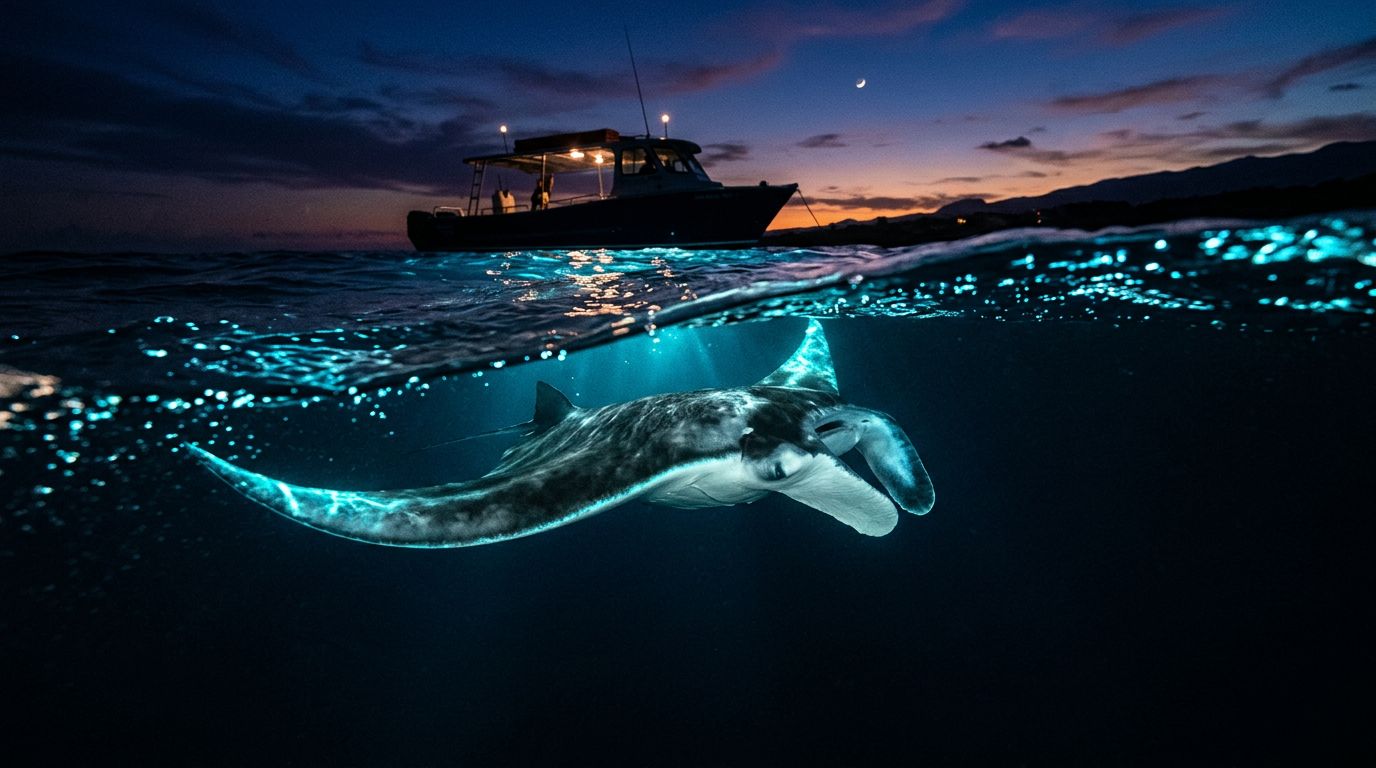
A same-day Kona manta ray snorkel is possible, but you shouldn’t count on finding an open seat at the last minute. Evening departures have limited space, and popular dates can fill before you arrive on the Big Island.
Kona Snorkel Trips is a practical first call because its small-group manta tours leave the Kona coast with professional guides, quality gear, and a strong focus on guest safety. If you act early, stay flexible, and confirm the meeting details, you have a reasonable chance of getting on the water that night.
Same-Day Kona manta ray snorkel bookings are possible
You may find an open manta ray tour on the same day, especially if you contact the operator early. Cancellations can also create openings later in the day. However, availability depends on the date, group size, departure time, weather, and how many travelers booked ahead.
Most manta tours operate after sunset, which gives you several hours to check schedules after arriving in Kona. Still, waiting until two or three hours before departure is risky. A tour may show one remaining seat but have no room for a family or larger group.
Your best first step is to check Kona Snorkel Trips. The company follows a “Reef to Rays” philosophy, with lifeguard-certified guides, state-of-the-art snorkeling equipment, and custom-built lighted boards for nighttime encounters. Its small-group approach gives you a more personal experience than a crowded boat with dozens of guests.
The crew also teaches reef-safe practices and treats the ocean as a living habitat, not simply a backdrop for a tour. That matters during a night encounter, when calm guest behavior helps protect the animals and keeps the experience comfortable for everyone.
If Kona Snorkel Trips has no space, you can also check Manta Ray Night Snorkel Hawaii, another manta-focused company serving visitors on the Kona coast. Comparing the available departure times may help you find a workable option without changing your entire evening.
What affects last-minute manta tour availability?
A same-day booking usually depends on more than an empty calendar. Operators must account for boat capacity, crew schedules, safety requirements, and departure logistics. An open space for one person may not help if you need four seats together.
The date also makes a difference. Weekends, holidays, school breaks, and nights around a full moon can attract more visitors. If your trip falls during a busy travel period, book as soon as you know your plans.
Departure times can limit your choices, too. Manta tours often leave around sunset or later in the evening. Once the first boat departs, you may have only one later option, if any. Arriving at the harbor without a reservation can leave you watching the boats leave while you wait for a cancellation.
A real-time booking calendar is helpful, but you should still contact the operator directly when your plans are urgent. Calendars can change when someone cancels, reschedules, or fails to complete a reservation. A phone call or direct message can sometimes reveal an opening that hasn’t appeared clearly online.
The same rule applies to booking platforms. A listing may show a general tour date while the operator’s own schedule has different departure times or meeting instructions. Confirm the reservation with the company that actually runs the boat.
A published guide from Love Big Island’s manta ray tour guide lists many Kona manta experiences in the approximate $118 to $135 range. Prices change, so treat that figure as a planning reference rather than a guaranteed rate. Same-day reservations may also have different terms or fewer choices.
A vacant seat doesn’t always mean a tour is ready for immediate boarding. You still need to confirm the check-in time, harbor, equipment, and swimming requirements.
If you are traveling with children or a group, mention the total number of guests in your first message. The operator can then tell you whether everyone can board together instead of offering a single remaining seat.
How to book a Kona manta ray snorkel on the same day
You can make the process faster by having your travel details ready. Include your preferred date, number of swimmers, hotel area, and whether you can accept more than one departure time.
Follow these steps:
- Check the operator’s official booking page for open spaces and departure times.
- Contact the company directly if the calendar looks full or unclear.
- Ask about the exact meeting point, check-in deadline, and swimming requirements.
- Confirm the cancellation and weather policy before paying.
- Save the confirmation email and directions on your phone.
Kona Snorkel Trips lists Honokohau Harbor as the departure location for its manta experience. That detail matters because Kona manta tours don’t all leave from the same harbor. Other operators may use Keauhou Bay or another nearby launch point, so never assume the harbor based on the tour name alone.
The company’s manta ray snorkel Kona tour page includes the tour details and guest requirements. Review that information before you request a same-day seat, particularly if someone in your group has limited swimming experience.
You can also check availability for Kona Snorkel Trips’ current tour options. If the schedule shows no obvious opening, contact the company and ask whether a cancellation list is available.
When you speak with the operator, ask direct questions:
- “Do you have enough spaces for my entire group?”
- “What time should we arrive?”
- “Where exactly do we check in?”
- “Can guests use flotation equipment?”
- “What happens if ocean conditions cancel the trip?”
- “Is this departure suitable for first-time night snorkelers?”
For the manta-specific reservation, you can also check availability before contacting the crew. Keep your phone nearby because a same-day opening may disappear quickly.
What to confirm before you pay
A quick reservation is useful only when you know what you’re buying. Before you submit payment, read the details that affect your comfort and ability to participate.
Check the departure location
Kona’s coastline includes several harbors and meeting points. Honokohau Harbor and Keauhou Bay are not interchangeable, especially when traffic or sunset conditions affect your drive. Put the exact address into your map before leaving your hotel.
Ask whether parking is included, where you should meet the crew, and how early you need to arrive. Many tours require check-in before departure, and a late arrival can mean missing the boat without a refund.
Review the swimming requirement
Manta ray snorkeling takes place in open ocean water at night. You need to feel comfortable floating and swimming while following the guide’s instructions.
Kona Snorkel Trips states that guests on its manta tour must be able to swim 50 yards without additional flotation. If you are unsure whether that requirement fits your abilities, ask before booking. A guide can explain the available equipment, but flotation support doesn’t replace the ability to stay calm and move through the water.
People with medical concerns should also speak with the operator before reserving. Tell the crew about motion sickness, breathing conditions, injuries, or other issues that could affect your time in the ocean.
Understand the weather policy
Manta rays are wild animals, and ocean conditions can change. Wind, waves, visibility, or other safety concerns may affect a departure. Ask whether the company reschedules, refunds, or offers another option when the crew cancels.
You should also confirm what happens if you become uncomfortable in the water. A clear policy helps you make a better decision, especially when you are booking only hours before departure.
Compare the real cost
Look at the full price for every guest, including children or ride-along passengers if those options apply. Check whether taxes, harbor fees, equipment, snacks, and photos are included.
A low advertised price may not offer the same group size, boat time, or equipment as another tour. Cost matters, but the best same-day choice is the one that fits your group, swimming ability, meeting location, and schedule.
What happens during a night manta snorkel?
Your evening usually starts with check-in, a safety briefing, and equipment fitting. The guide explains how to use the mask, snorkel, fins, and any flotation gear. You should have time to ask questions before entering the water.
After the boat reaches the viewing area, underwater lights attract plankton near the surface. Manta rays may then glide through the illuminated water as they feed. You remain at the surface while the animals pass below and around you.
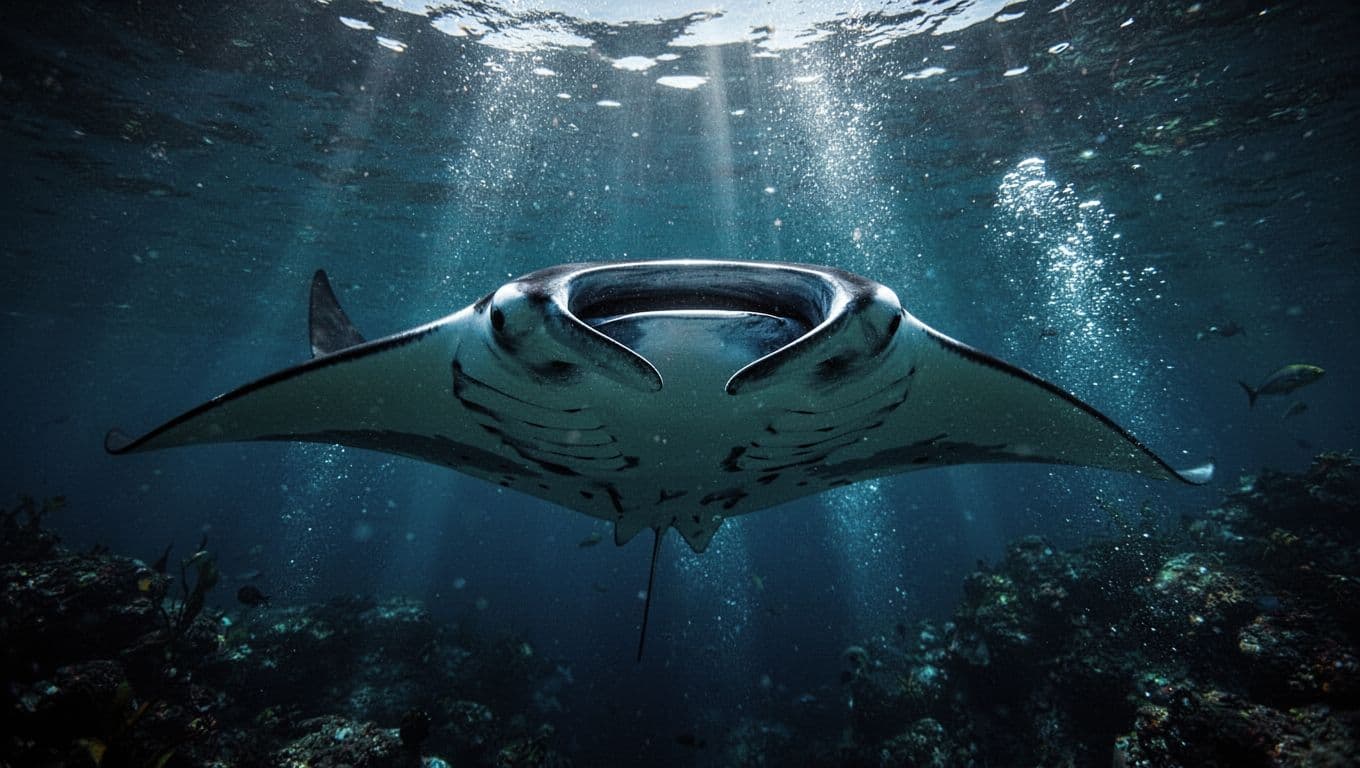
The encounter can feel intense because you see the rays at close range, but you shouldn’t chase, touch, or block them. Stay with the group and follow the guide’s directions. Calm movements give the animals room to move naturally.
Night snorkeling also feels different from daytime reef snorkeling. You see only what the lights reveal, and the rest of the ocean remains dark. That contrast makes guide communication and boat procedures especially important.
Kona Snorkel Trips uses custom-built lighted boards for its nighttime experiences. These give guests a stable place to hold while watching the manta rays, although you still need to meet the tour’s swimming requirements.
A guide should explain where to position yourself, how to enter and exit the water, and what to do if you need assistance. Lifeguard-certified guides add an important layer of confidence, especially for families and travelers who have never snorkeled at night.
Bring a swimsuit, towel, dry clothes, water, and any medication you may need. Eat a light meal if you tend to feel motion sick, and allow enough time to arrive without rushing. You want your attention on the water, not on finding the harbor after sunset.
What if the same-day tour is sold out?
A full calendar doesn’t always mean every possibility is gone. Ask whether the operator keeps a waitlist or can contact you after a cancellation. Travelers change plans, flights run late, and weather can alter reservations.
Stay flexible when you speak with the crew. You may find space if you can accept a later departure, a different date, or a seat on another boat. A group of two may have more options than a group of six, so give the operator the exact number in your party.
If no manta tour opens, use the evening for a different activity and book the manta experience on your next available night. You can also ask about a daytime reef trip if your schedule allows it. This gives you time in the water without treating a sold-out night tour as a reason to choose an unfamiliar operator without checking its safety information.
Your plans for snorkeling Big Island Hawaii may come together at the last minute, but the same-day approach works better when you keep a backup plan. A reservation for the following evening may be easier to find than a seat for tonight.
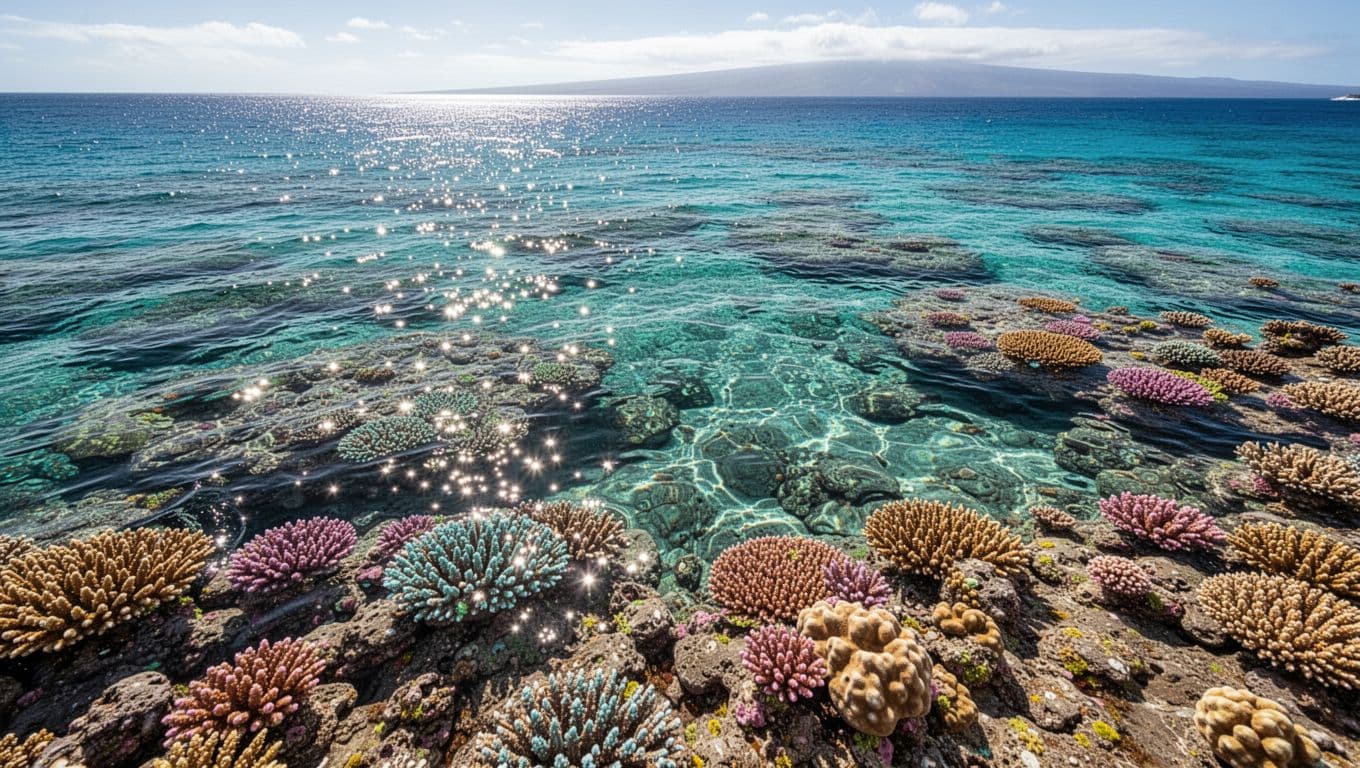
If you still want to snorkel Big Island waters during daylight, ask about reef locations, boat capacity, and the swimming level required. Day trips can offer more scheduling choices because they don’t depend on a narrow nighttime departure window.
How to choose a last-minute operator
A same-day opening is useful, but it shouldn’t be your only deciding factor. Look for an operator that gives clear information before payment and answers practical questions without rushing you.
Start with the guide qualifications and safety briefing. You should know who supervises the group, what equipment is included, and how the crew handles changing ocean conditions. A company that explains these details clearly is easier to trust with a nighttime ocean activity.
Next, consider the group size. A small group can make it easier to hear instructions and stay close to the guide. It may also feel less crowded when several guests are gathered around the lighted viewing area.
Equipment quality matters as well. Masks should fit properly, fins should be available in the right size, and lighted boards or flotation equipment should be maintained. Ask what happens if your mask leaks or you need help adjusting your gear.
Environmental conduct should influence your choice. Manta rays are wild animals, so guests should observe them without touching, grabbing, riding, or forcing contact. Guides should explain how to protect the reef and avoid disturbing marine life.
Finally, read recent guest feedback before you book. A Tripadvisor manta ray snorkel listing can help you compare comments about crew communication, boat comfort, and the overall experience. Look for details that match your needs instead of relying only on a star rating.
Should you book now or wait?
Book the same day when tonight is your only available evening, you can accept a flexible departure time, and the operator confirms every important detail. This approach works best for solo travelers and couples because smaller parties may fit into a cancellation more easily.
Book ahead when you have children, a larger group, limited vacation time, or a preferred departure window. You should also reserve early if the manta snorkel is one of the main reasons you chose Kona.
A day spent snorkeling Big Island reefs can fill your schedule, but a night manta encounter requires a different plan. Give yourself enough time to reach the harbor, listen to the briefing, and enter the water without feeling hurried.
The best last-minute booking is still a confirmed booking. If you find an open seat, verify the location, check-in time, swimming requirement, weather policy, and total cost before paying.
Conclusion
You can book a same-day Kona manta ray snorkel, especially when you contact the operator early and stay open to different departure times. Cancellations may create opportunities, but popular nights and larger groups need more advance planning.
Kona Snorkel Trips is a strong first option for travelers who want small-group service, lifeguard-certified guides, quality equipment, and responsible wildlife viewing. Check the official schedule, ask clear questions, and choose a tour that matches your swimming ability.
A last-minute opening can lead to an unforgettable night on the Kona coast, but preparation still matters. The sooner you confirm the details, the more time you’ll have to enjoy the manta rays instead of worrying about whether you’ll get on the boat.