
How to Prevent Seasickness on a Kona Manta Ray Snorkel
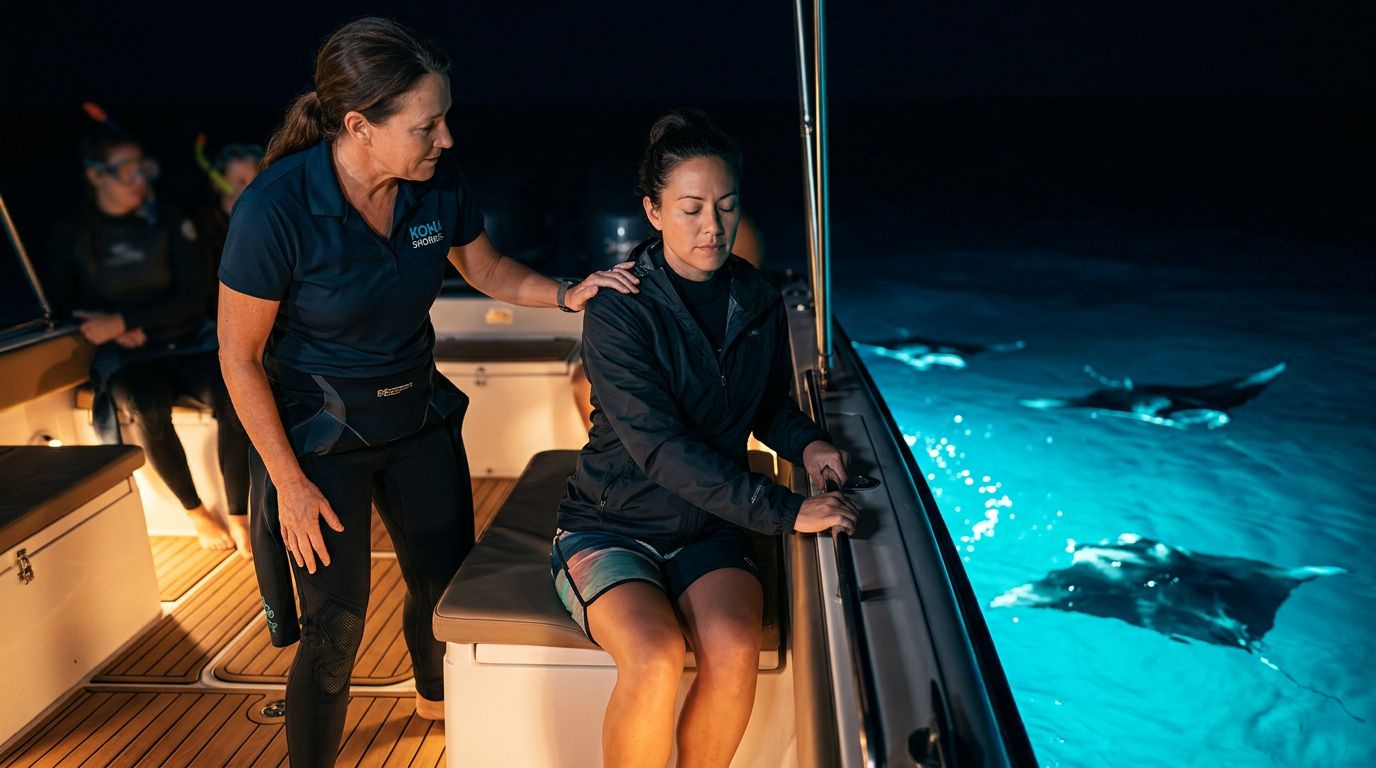
Your Kona manta ray snorkel should be about watching graceful rays glide beneath you, not fighting nausea on the ride out. The right meal, seating choice, medication plan, and communication with your crew can make a major difference.
Kona Snorkel Trips offers small-group ocean adventures with Lifeguard Certified guides, high-quality equipment, and custom-built lighted boards for nighttime manta encounters. Whether you are an experienced swimmer or planning your first nighttime snorkel, start managing motion sickness before you board.
Why Seasickness Happens on a Night Manta Snorkel
Seasickness develops when your eyes, inner ears, and brain receive conflicting information. Your inner ear feels the boat rise and fall, while your eyes may focus on a deck, snorkel gear, or a dark horizon that appears motionless. Your brain has trouble matching those signals, which can lead to dizziness, sweating, nausea, headache, and vomiting.
Night trips can feel different from daytime excursions because the horizon is harder to see. You may also spend more time looking down at the deck or toward the water. Even a calm ocean can cause symptoms if your body is sensitive to repeated motion.
The discomfort often begins before you reach the snorkeling site. A short period of nausea can become harder to control once you are already tired, dehydrated, or anxious. That is why prevention works better than waiting until symptoms become severe.
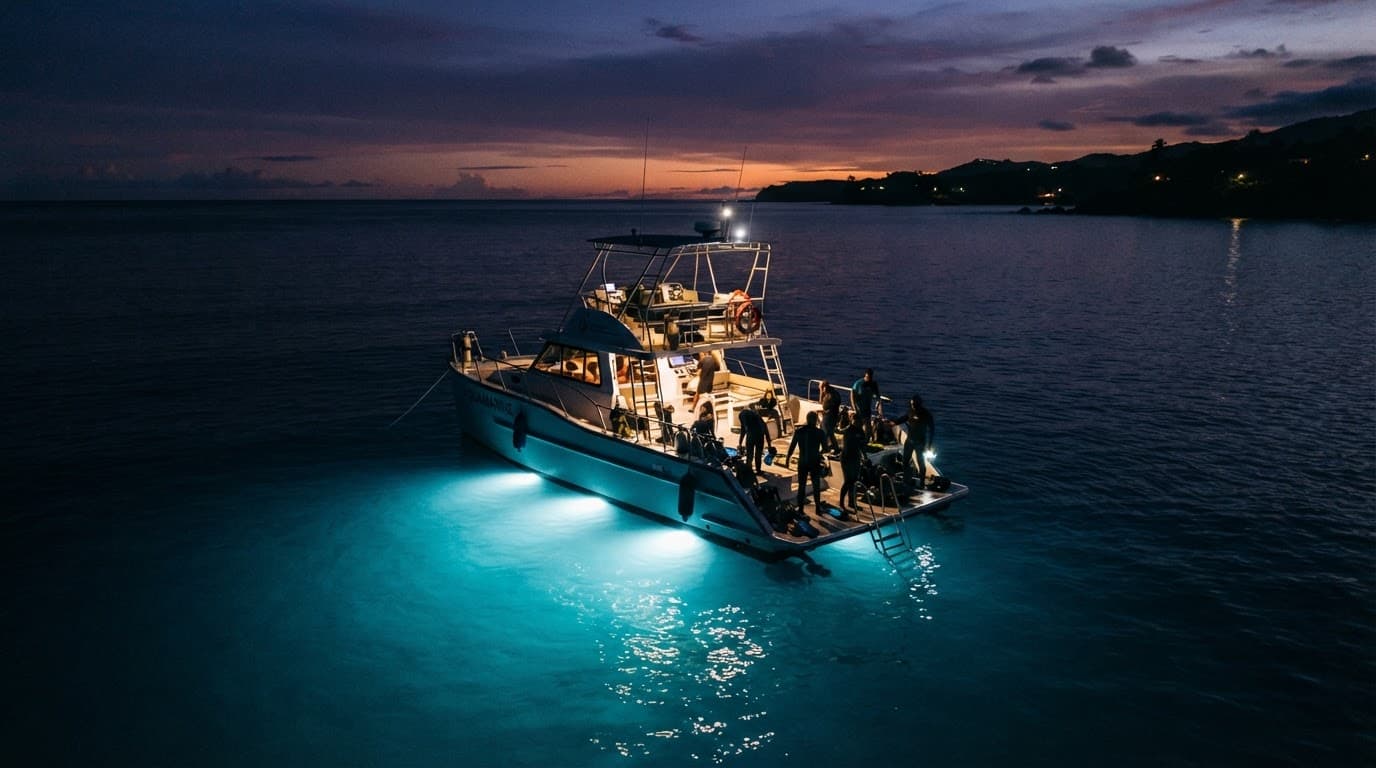
People who rarely get carsick can still feel seasick. Boat motion is different from road travel, and nighttime conditions remove some of the visual references your brain normally uses to stay oriented. You might also notice symptoms when you stop swimming and hold still in the water.
The Divers Alert Network’s seasickness guidance recommends practical steps such as avoiding alcohol and heavy meals, choosing a suitable position on the boat, and considering antiemetic medication. These measures are useful for snorkelers as well as divers.
Plan Your Kona Manta Ray Snorkel Around Your Comfort Level
The boat and the conditions matter. Kona’s leeward coast often has favorable ocean conditions, but wind, swell, current, and weather can change. No operator can promise perfectly flat water every night.
Before booking, ask where the boat departs, how long you will travel before entering the water, and where guests usually sit during the ride. If you are prone to motion sickness, a spot near the center of the boat is often more comfortable than the bow or stern because those areas usually move more.
You should also ask what support the crew provides if you feel ill. A safety-focused operator will explain where to get fresh air, how to notify the guide, and what to do if you need a break. You should never feel embarrassed about mentioning your history of seasickness before departure.
Kona Snorkel Trips builds its manta tours around small-group service, professional guidance, reef-safe practices, and guest safety. Guides provide quality snorkeling equipment and use custom-built lighted boards that help guests observe manta rays without chasing or touching them. The company also emphasizes education about Hawaii’s reef ecosystems.
You can review the Kona manta ray tour details before booking. The page includes departure information, swimming requirements, and details about the nighttime experience. If you want to snorkel Big Island waters but worry about crowded boats, the group size and layout deserve as much attention as the manta encounter itself.
Manta Ray Night Snorkel Hawaii is another company you may compare when planning a manta outing. Reviewing both operators can help you choose the departure time, group style, and safety approach that suit you.
For a more personal experience, consider a private manta tour in Kona. A private charter may give your group more flexibility to discuss comfort needs with the crew before leaving the harbor. If you are considering a seasonal whale watch and manta combo tour, ask how much time you will spend underway before the snorkel begins.
Kona Snorkel Trips also provides information through its booking system, so you can check availability before finalizing your plans.
Eat Lightly and Hydrate Before You Board
Your pre-trip meal can influence how you feel on the water. A heavy dinner, greasy food, or large portions may make nausea more likely. However, boarding with an empty stomach can also leave you weak and more vulnerable to motion.
Eat a light meal a couple of hours before departure. Choose foods you already tolerate well, such as rice, toast, oatmeal, bananas, yogurt, or a simple sandwich. Avoid trying unfamiliar spicy or rich foods before a nighttime boat trip.
Give yourself enough time to digest. Eating in the car on the way to the harbor or rushing through a large meal immediately before boarding can make the first part of the ride uncomfortable.
Hydration matters, especially in Hawaii’s warm climate. Drink water during the day, then take small sips before and during the trip. Avoid drinking a large amount all at once because a full stomach can feel unsettled when the boat moves.
Alcohol is a poor choice before a manta snorkel. It can contribute to dehydration, interfere with balance, and make it harder to judge how you feel. It can also interact with motion-sickness medication. Save alcoholic drinks for after you return to shore.
Caffeine affects people differently. If coffee usually makes you jittery or unsettles your stomach, reduce it before the tour. If you drink coffee every morning, avoid making a sudden, uncomfortable change on an important vacation day. A small familiar amount may be easier than either excess or complete withdrawal.
Ginger products may help some travelers, though their effects vary. Ginger chews, tea, or capsules can be a reasonable addition to your plan if you already know they agree with you. They should not replace medication or professional medical advice when you regularly experience severe seasickness.
Consider Motion-Sickness Medication Before Symptoms Begin
Motion-sickness medicine usually works better when taken before exposure rather than after nausea starts. Ask a doctor or pharmacist which option fits your health history, current medications, age, and planned water activity.
Common choices include meclizine, dimenhydrinate, and prescription scopolamine. Each has different timing instructions and side effects. Some people experience drowsiness, dry mouth, blurred vision, or reduced alertness.
| Option | What to discuss with a medical professional | Important caution |
|---|---|---|
| Meclizine | Whether it fits your health history and trip timing | May cause drowsiness |
| Dimenhydrinate | Dose timing and interactions with other medicines | Can cause sleepiness and dry mouth |
| Scopolamine patch | Whether a prescription patch is appropriate | May cause blurred vision or other side effects |
| Ginger | Whether it is suitable with your medications | Results vary between people |
Never assume a nonprescription medicine is harmless because you can buy it without a prescription. Read the label, follow professional advice, and avoid combining it with alcohol or other sedating products.
If you have never used a particular medicine, ask whether you should test it before your vacation. You do not want to discover its sedating effects for the first time while preparing to snorkel at night. Drowsiness can affect your coordination, awareness, and ability to follow instructions in the water.
People with glaucoma, urinary retention, certain heart conditions, pregnancy, medication sensitivities, or other health concerns may need extra guidance before using motion-sickness products. Parents should ask a pediatrician or pharmacist about age-appropriate options for children.
Natural remedies can complement a plan, but they are not guaranteed. Acupressure bands help some travelers, while others notice no change. Fresh air, a steady view of the horizon, and good hydration often provide more predictable support.
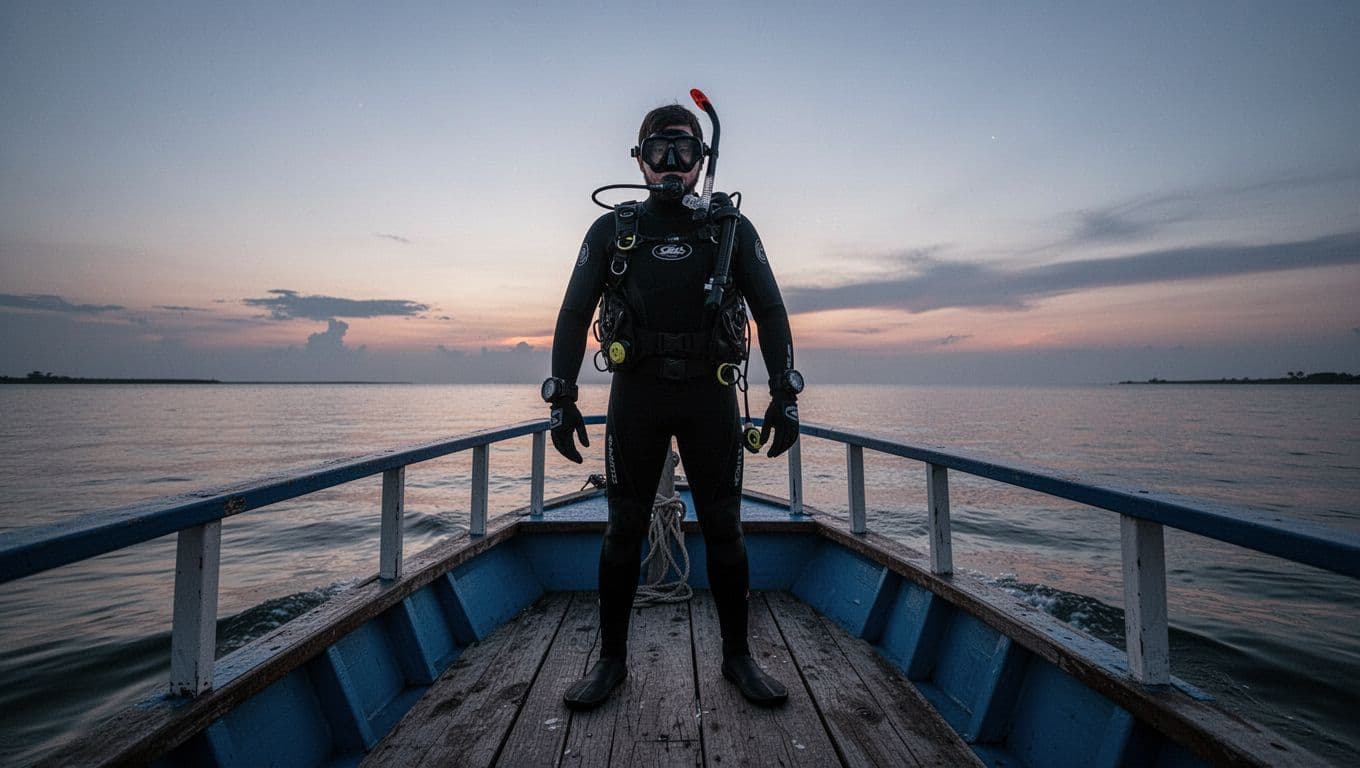
If a medication makes you feel unusually sleepy or confused, tell the crew before entering the water. Your safety matters more than completing the snorkel. You can always choose to remain on the boat or return to shore if your symptoms do not improve.
When you are ready to book a manta trip, you can check availability and confirm the current tour details.
Choose the Best Place to Sit on the Boat
Your position during the ride can affect how much motion you feel. The bow rises and falls more noticeably when the boat meets small swells. The stern may feel the engine vibration and turning motion. The middle section, closer to the boat’s center of movement, is often a better choice.
Ask the crew where they recommend sitting. They know the boat’s layout and can point you toward an area with good airflow. Stay outside or in an open-air section if fresh air helps you, but follow all crew instructions and keep clear of equipment.
Look toward the horizon whenever you can. A stable distant reference gives your eyes useful information while your inner ear senses the boat moving. Avoid reading, scrolling on your phone, or staring at nearby gear during the ride. Those activities make the mismatch between your visual system and inner ear worse.
Keep your head still and face forward. Rapidly turning your head, leaning over the side, or looking down at the water can increase discomfort. Sit upright with your shoulders relaxed, and take slow breaths through your nose when possible.
Tell a guide as soon as you notice warmth, sweating, burping, dizziness, or a sudden change in your mouth. Nausea often builds in stages. Reporting early gives the crew more time to help you find fresh air, adjust your position, or decide whether you should remain on board.
The best time to tell your guide about seasickness is at the first hint of discomfort, not after you begin vomiting.
Avoid spending unnecessary time below deck if you already feel unwell. Enclosed spaces can have less fresh air and fewer visual references. If symptoms start, focus on the horizon, keep your head steady, and follow the crew’s instructions.
You may also want to keep a small personal comfort kit in an accessible bag. Water, ginger chews, tissues, a light layer, and a spare shirt can help you feel more prepared. Keep the bag secured so it does not move around the deck.
Use the Water Entry to Your Advantage
Some people feel better once they enter the water because swimming removes the boat’s rolling motion. Others need a few minutes to adjust because the water still moves beneath them and the nighttime setting can feel unfamiliar.
Do not rush into the water to prove that you can handle it. Tell your guide how you feel, listen to the safety briefing, and enter only when you are ready. If you feel dizzy, weak, or disoriented, remain on the boat until the crew helps you decide what to do.
Once you are in the water, keep your breathing slow and steady. Avoid rapid swimming or unnecessary movement. Stay with the group and follow the guide’s instructions about where to position yourself around the lighted board.
The board’s lights attract plankton, which can bring manta rays close to the viewing area. You do not need to chase the animals or swim after them. Remaining calm protects your energy and supports responsible wildlife viewing.
If looking upward toward the lights worsens your symptoms, keep your face in the water and focus on slow breathing. If your mask fogs or your breathing feels uncomfortable, signal the guide rather than struggling alone.
Night snorkeling requires extra awareness. Follow all flotation and swimming requirements for your selected tour. Kona Snorkel Trips’ manta tour information notes that guests must meet stated swimming requirements, so review them before booking. A strong swimmer should still speak up when feeling unwell.
Follow a Simple Seasickness Plan on Tour Day
A clear plan reduces last-minute decisions. Use this sequence before your Kona manta ray snorkel:
- Eat a familiar, light meal and finish it a couple of hours before departure.
- Drink water throughout the day, but avoid alcohol before the tour.
- Take any approved motion-sickness medicine according to your doctor’s or pharmacist’s instructions.
- Arrive early enough to ask the crew about the calmest seating area and fresh-air options.
- Keep your eyes on the horizon during the ride, and avoid reading or looking down at your phone.
- Tell the guide about your history of seasickness before the boat leaves.
- At the first sign of nausea, change position, slow your breathing, and ask for help.
- Enter the water only when you feel steady and can follow the safety briefing.
If you are planning snorkeling Big Island outings with children, discuss medicine and meals with their pediatrician ahead of time. Children may not describe early symptoms clearly, so watch for unusual quietness, pale skin, sweating, or repeated complaints of feeling warm.
A snorkeling Big Island Hawaii itinerary can include long travel days, heat, and several activities. Avoid scheduling your manta trip immediately after a demanding hike or full day in the sun. Resting beforehand can leave you better prepared for the boat ride and the swim.
During a snorkeling Big Island trip, you do not need to force every activity. If your body says you need to sit out, listen to it. You can still enjoy the lights, the harbor, and the stories from the crew without entering the water.
Conclusion
Preventing seasickness on a Kona manta ray snorkel starts before you reach the harbor. Eat lightly, hydrate, avoid alcohol, consider medication with professional guidance, sit near the boat’s center, and tell your guide about symptoms early.
The strongest plan combines preparation with flexibility. A calm, well-supported approach gives you a better chance to focus on the manta rays instead of your stomach, while still keeping safety ahead of the experience.