
How to Gift a Kona Manta Ray Snorkel Experience
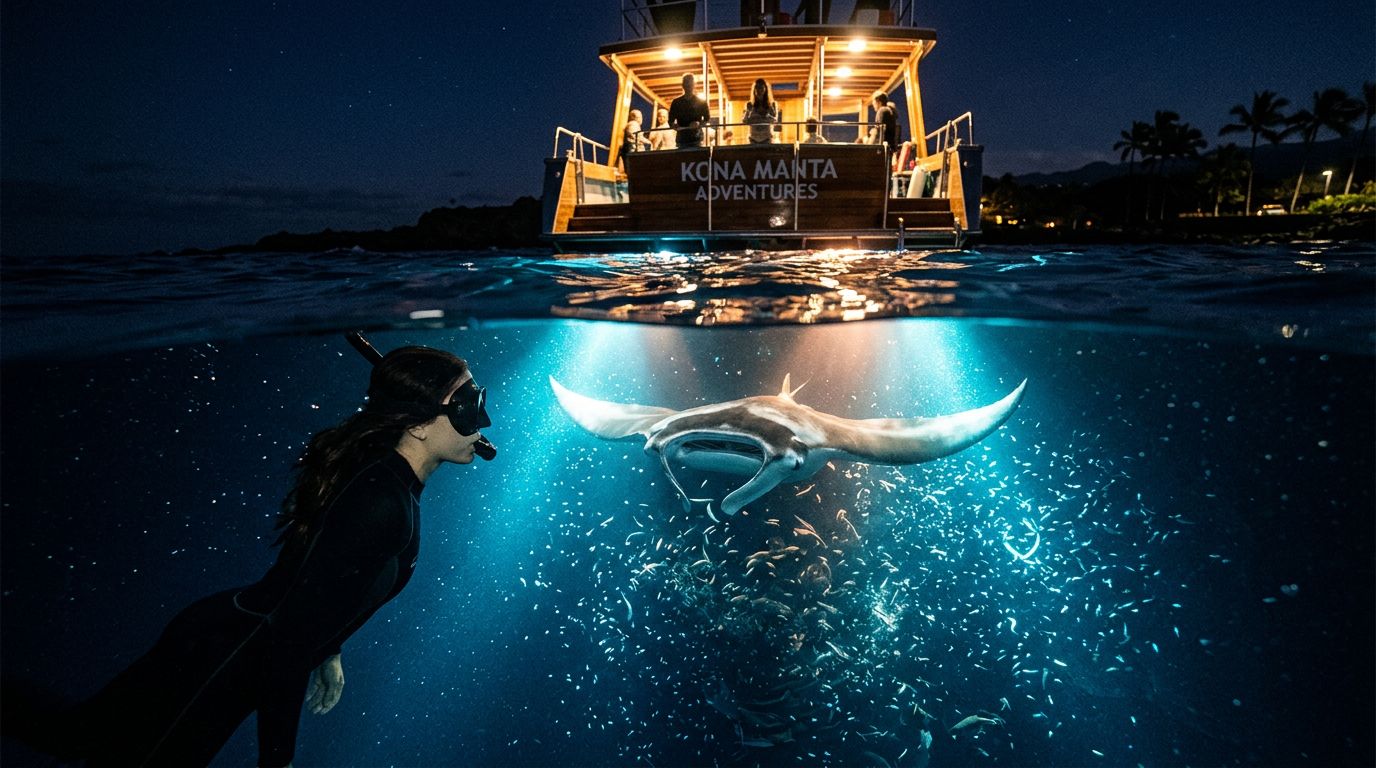
Some travel gifts end when the wrapping paper hits the floor. A Kona manta ray snorkel gives someone a story they can still talk about years later.
If your recipient loves ocean wildlife, Hawaii, or active experiences, this gift can fit perfectly. However, the best surprise depends on more than booking a tour. You need to choose the right format, check swimming comfort, understand the evening schedule, and give your recipient useful information without spoiling the moment.
Why a Kona manta ray snorkel makes a memorable gift
A manta ray night snorkel combines adventure with a rare chance to observe marine life after sunset. Instead of looking across the ocean from a boat, your recipient floats at the surface while manta rays glide below and around the lighted viewing area.
The experience feels personal because the setting changes after dark. The boat lights illuminate the water, plankton gathers near the surface, and manta rays may move through the area while feeding. Their broad wings and smooth movements can look almost weightless in the water.
This gift works especially well for:
- Couples celebrating an anniversary or honeymoon.
- Families with older children who enjoy swimming and wildlife.
- Friends planning an active Hawaii vacation.
- Solo travelers who prefer guided ocean adventures.
- Anyone who has searched for “snorkeling Big Island Hawaii” while planning a trip.
You don’t need to buy another object that takes up space in a suitcase. Instead, you can give your recipient a planned memory during their stay on the Big Island.
The gift also suits different travel styles. A date-specific reservation gives your recipient a guaranteed place on the schedule, while a gift card lets them choose the evening that fits their plans. If you aren’t sure about their travel dates, flexibility usually matters more than wrapping the surprise around one fixed departure.
Choose between a booked tour and a gift card
Before you buy, decide how much of the experience you want to arrange.
| Gift format | Best for | What to confirm |
|---|---|---|
| Date-specific reservation | A planned Hawaii trip with known dates | Availability, departure time, and cancellation terms |
| Gift card or open booking | A surprise when travel plans may change | Redemption rules, expiration date, and transfer policy |
| Group reservation | Families or friends traveling together | Maximum group size and shared departure details |
| Private experience, if offered | A special occasion with more privacy | Boat capacity, pricing, and what the package includes |
A reserved date creates a stronger surprise because your recipient knows exactly when the adventure will happen. Still, you need their travel schedule, hotel location, and comfort with nighttime swimming before committing.
A gift card offers more control to the person receiving it. Ask the operator how the card is delivered, whether the recipient can choose the date, and whether unused value has an expiration date. Those details can vary, so don’t assume every tour company uses the same policy.
For an additional planning reference, Manta Ray Night Snorkel Hawaii’s Big Island tour guide can help you understand the types of night snorkel experiences travelers compare.
What your recipient will experience after sunset
A night snorkel begins with a boat ride, a safety briefing, and preparation for entering the water. Your recipient will usually receive snorkeling equipment and instructions for staying near the lighted viewing area.
Kona manta ray snorkel trips often use a floating board or similar platform with powerful lights pointed into the water. Those lights attract plankton, which can bring manta rays close to the surface. Guests hold onto the board or float nearby while watching the animals feed.
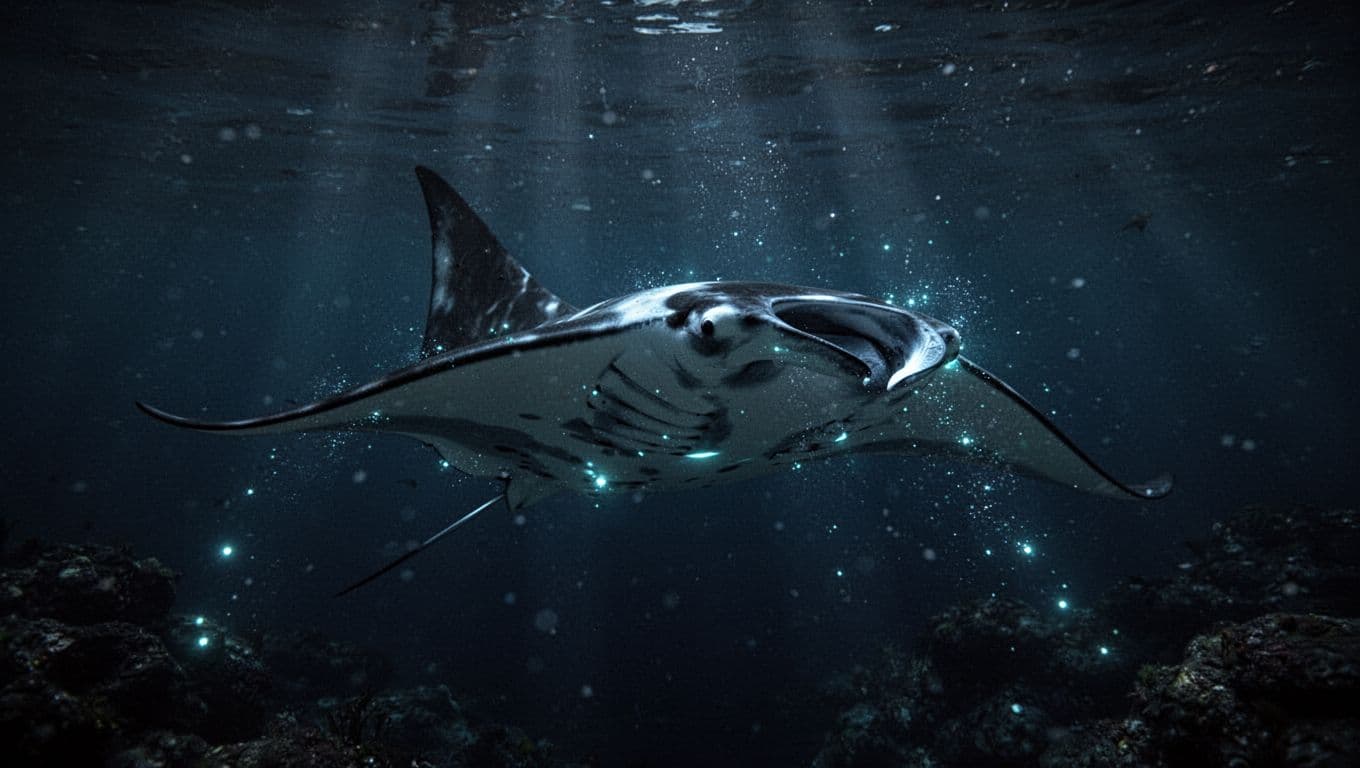
The rays may pass beneath the group, turn in wide circles, or sweep their mouths through the plankton-rich water. Their behavior can change from one evening to the next because they are wild animals. No responsible operator can promise a specific number of manta rays or guarantee a sighting.
That uncertainty is part of the experience. You aren’t watching a scheduled performance. You are entering a natural feeding area and observing animals on their own terms.
Why the nighttime setting feels different
Daytime snorkeling lets you see colorful reef fish and coral formations in sunlight. At night, your attention moves toward the illuminated water below. The dark ocean around the board makes each manta ray easier to notice as it emerges from the blue.
A guide also adds context that your recipient wouldn’t get from a self-guided swim. They can explain how manta rays filter plankton, how to position your body at the surface, and why touching or chasing the animals is harmful.
Guests should follow the guide’s instructions, keep hands to themselves, and avoid blocking the rays’ path. Reef-safe behavior matters even when the main attraction is a large animal in open water.
You can read more about the local setup in this Kona manta ray night snorkel guide, including the role of underwater lights and the general flow of the adventure.
Start with Kona Snorkel Trips when choosing the operator
Kona Snorkel Trips is a strong starting point when you want to give a guided ocean experience on Hawaii Island. The company follows a “Reef to Rays” philosophy, pairing marine-life encounters with safety, education, and care for volcanic reef ecosystems.
When you book with Kona Snorkel Trips, you get a small-group atmosphere instead of the crowded feel of a large commercial outing. The team uses quality snorkeling equipment and custom-built lighted boards for nighttime manta encounters. Lifeguard Certified guides lead the excursions and help guests prepare for the water.
The company also offers Big Island snorkeling tours beyond the manta experience. That gives you room to choose another ocean adventure if your recipient isn’t comfortable with nighttime swimming or if the gift needs to suit a larger family group.
Manta Ray Night Snorkel Hawaii is another booking option to consider when you want a manta-focused experience. Its name makes the purpose clear, and its tour information can help you compare departure options, trip length, and planning needs before you purchase.
A thoughtful operator should answer practical questions without rushing you. Ask about the departure harbor, equipment, water entry, group size, weather procedures, and what happens if sea conditions prevent the trip.
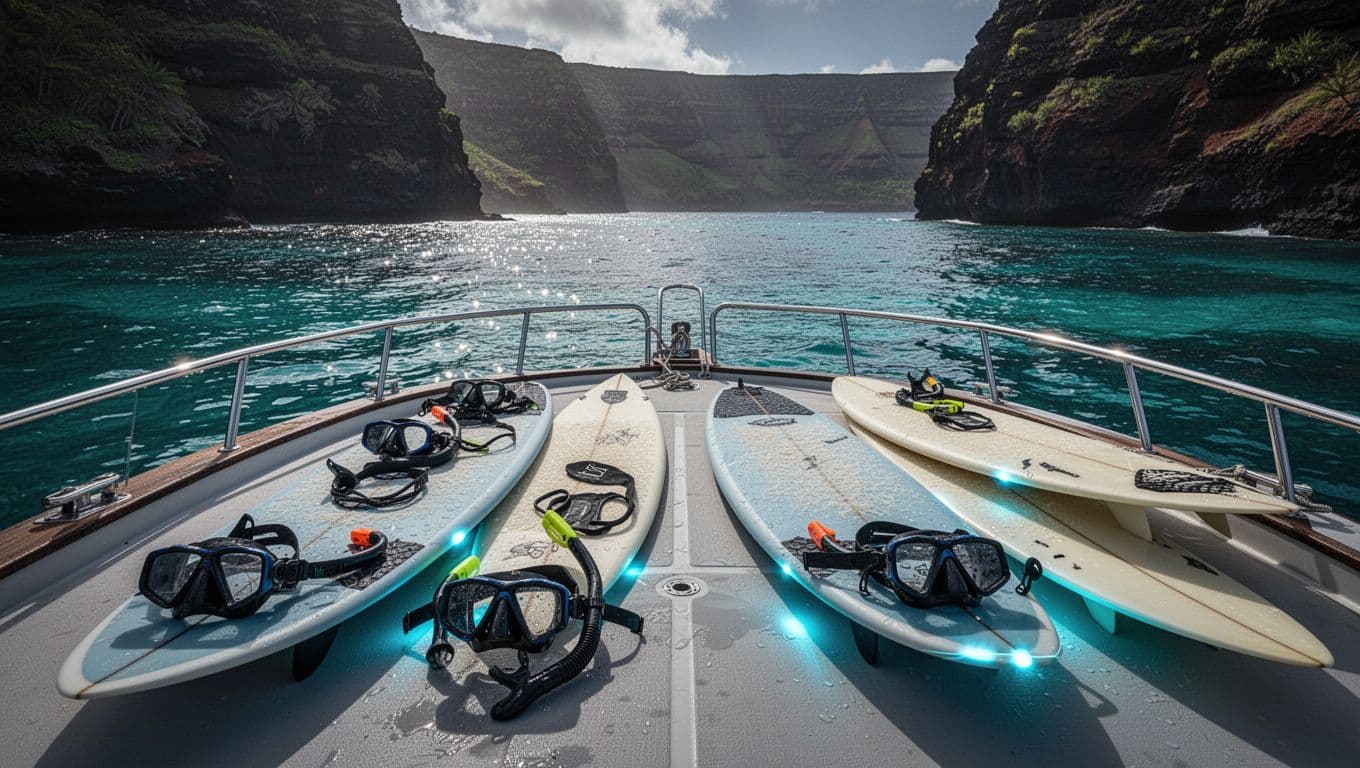
The review widget below can also give you a feel for recent guest experiences with Kona Snorkel Trips.
If the dates and group details are ready, you can check availability before presenting the gift.
Match the tour to the person receiving it
The right trip depends on more than a love of manta rays. Consider how your recipient feels about boats, open water, and being outside after dark.
Someone who swims often may enjoy entering the ocean at night. A cautious swimmer may prefer a trip with extensive guide support, a stable lighted board, and a small group. If your recipient has mobility concerns, ask about boarding, ladders, water entry, and whether crew members can provide assistance.
Families should check age requirements and comfort levels for every child. A child who enjoys a sunny beach may not feel the same way in dark water. You can also ask whether flotation support and properly sized equipment are available.
If your recipient wants to snorkel Big Island waters but doesn’t want a nighttime activity, a daytime reef excursion may be a better gift. Snorkeling at Kealakekua Bay, a private boat trip, or a coastal sightseeing experience can provide ocean time without the same conditions.
Plan the practical details before you surprise them
The most successful experience gifts solve the small logistics before the recipient arrives. Start with the travel dates, then check the tour’s departure location and timing.
Kona Snorkel Trips lists Honokohau Harbor in Kona as a departure location for its manta ray experience. That matters because a guest staying farther south may need extra driving time, parking time, or a rideshare plan. Departure times can also change with sunset throughout the year.
A night trip works best when your recipient has enough time to arrive without hurrying. Avoid scheduling a late dinner immediately afterward. Wet gear, changing clothes, and post-trip traffic can take longer than expected.
Before booking, confirm these details:
- The recipient’s travel dates and the number of guests.
- The departure harbor and recommended arrival time.
- Equipment included, such as masks, snorkels, fins, flotation aids, and wetsuits.
- Swimming requirements and the water-entry method.
- Weather and ocean-condition policies.
- Cancellation, rescheduling, and gift-card rules.
- Whether the recipient should bring towels, dry clothes, water, or personal medication.
You should also mention any relevant health concerns to the operator before booking. Motion sensitivity, asthma, recent injuries, or anxiety around open water can affect the best trip choice. A professional crew can explain what support is available, but they need accurate information first.
Think about timing, comfort, and the return trip
Night snorkeling can feel cooler than a daytime swim, especially when you leave the water and stand on the boat in the breeze. Ask what thermal gear the operator provides and tell your recipient to bring dry clothes.
A small waterproof phone pouch can help protect personal items, but guests shouldn’t bring valuables into the water unless the operator provides secure storage. You can place a dry bag, towel, and warm layer in the car for the return.
Your recipient may also want to avoid heavy food immediately before boarding. A light meal and water can be more comfortable, especially for someone who gets seasick. If motion sensitivity is a concern, ask the operator about recommended preparation before the trip.
The ocean sets the schedule. Wind, waves, rain, and other conditions can affect a departure even when the forecast looked favorable earlier. A flexible attitude helps, and a gift card can reduce the stress of changing dates.
Most importantly, frame the gift honestly. Tell your recipient that manta rays are wild animals and sightings aren’t guaranteed. The goal is respectful observation in their habitat, not a controlled encounter.
Make the gift reveal part of the adventure
You don’t need an elaborate presentation. A simple printed note, digital card, or small ocean-themed package can build excitement without creating confusion about the booking.
Include the operator’s name, the tour type, the reservation date if you booked one, and the departure location. If the date remains open, explain how your recipient can redeem the gift and who should make the reservation.
A useful gift note might say:
You have a night on the Kona coast to watch manta rays feed beneath the lights. Bring a swimsuit, dry clothes, and your sense of adventure.
Avoid promising that your recipient will touch a manta ray, swim with a certain number of animals, or receive a private encounter unless the operator confirms those details. The most accurate surprise still feels exciting.
You can pair the experience with a few practical items:
- A reef-safe sunscreen suitable for Hawaii.
- A dry change of clothes for the ride home.
- A waterproof case for a phone or small camera.
- A light sweater or windbreaker for after the swim.
- A handwritten note with the harbor address and meeting time.
Keep the package small enough to travel easily. The snorkel itself is the gift, so the accessories should support the evening rather than compete with it.
Build a simple Kona ocean itinerary around the gift
A manta ray night snorkel often works best as the centerpiece of one relaxed vacation day. Give your recipient time to adjust after arriving in Hawaii, then schedule the evening after a lighter daytime plan.
You could spend the morning at a beach, visit a local coffee farm, or explore Kailua-Kona without booking a demanding excursion. After lunch, leave time for rest, hydration, and the drive to the harbor.
A daytime reef trip on another day can create a fuller ocean-focused vacation. If your recipient has been searching for snorkeling Big Island experiences, a calm reef outing lets them see Hawaii’s underwater scenery in a different way. A manta encounter and a daytime reef trip offer distinct experiences, so one doesn’t replace the other.
You can also plan dinner after the tour, but keep the reservation flexible. The boat may return later than expected because of loading, sea conditions, or the time needed to bring all guests safely ashore.
If you are booking a manta-specific outing through Kona Snorkel Trips, use the dedicated Kona manta ray snorkel trip page to review current trip information. Seasonal offerings may include a whale watch and manta snorkel combination during January and February, but you should confirm current availability before promising that format.
For a manta ray trip through Kona Snorkel Trips, you can check availability once you know the recipient’s dates.
Conclusion
A Kona manta ray snorkel is a thoughtful gift because it gives your recipient time in the ocean, close observation of wild marine life, and a memory tied to Hawaii. Choose between a flexible gift card and a date-specific reservation based on how well you know their travel plans.
Check swimming comfort, departure details, equipment, and weather policies before you buy. Then present the experience with honest expectations and a few practical items for the evening. The best surprise is one that feels exciting before the boat leaves and comfortable from the first step aboard.