
Kona Boat Tours for Whale Season: How to Choose
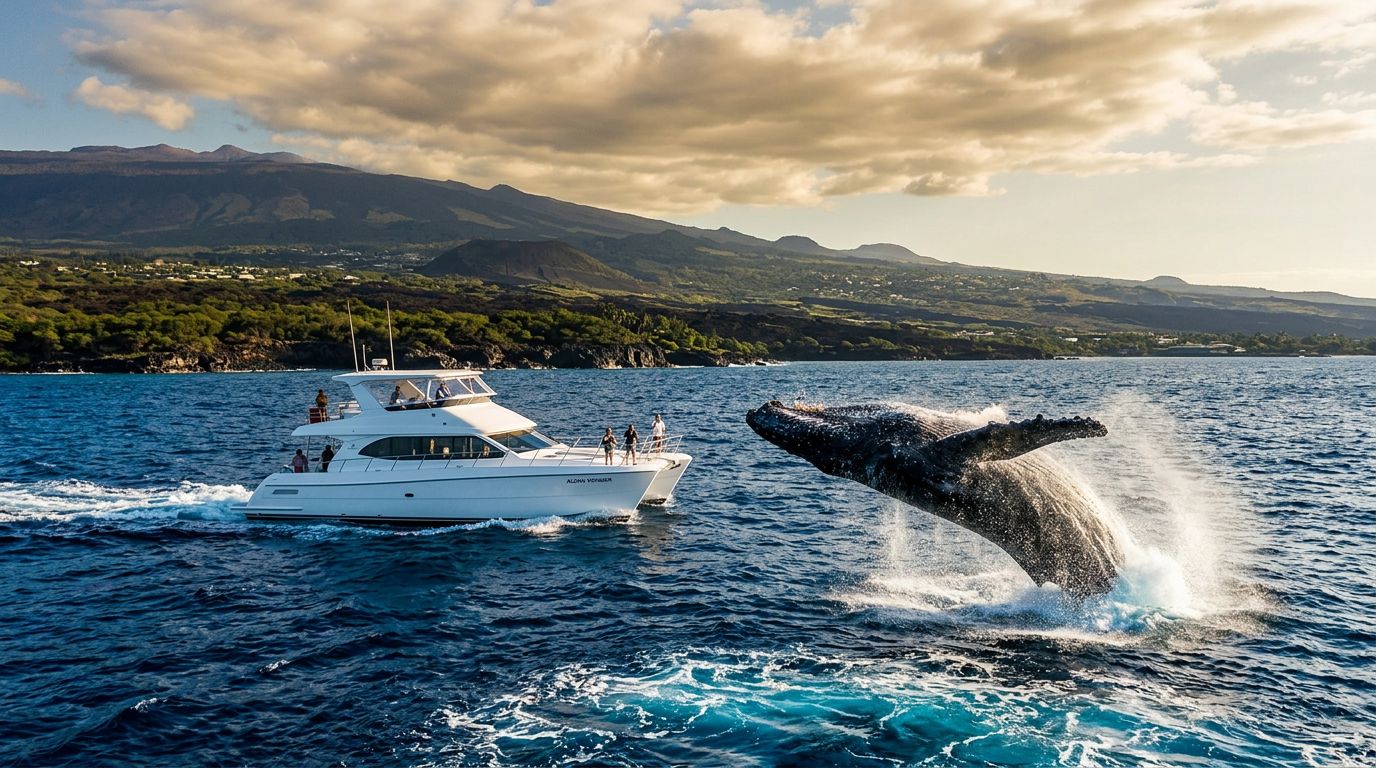
Whale season can turn a simple boat ride off Kailua-Kona into a memorable view of Hawaii’s most impressive visitors. Yet choosing among Kona boat tours isn’t as simple as picking the first date with a whale icon.
You need to match the trip to sea conditions, your group, swimming plans, boat size, and the kind of wildlife experience you want. Once you know those details, finding the right departure becomes much easier.
How whale season changes Kona boat tours
Humpback whales usually visit Hawaii during the cooler months, with sightings commonly reported from late fall through spring. In practice, December through April is a popular planning window, while January through March often brings strong whale-watching interest. The exact timing and activity level can change each year.
NOAA’s Hawaiian Islands Humpback Whale National Marine Sanctuary provides current information about humpback whales, responsible viewing, and conservation in Hawaii. The sanctuary is also a useful reference when you want to understand why captains follow strict approach distances.
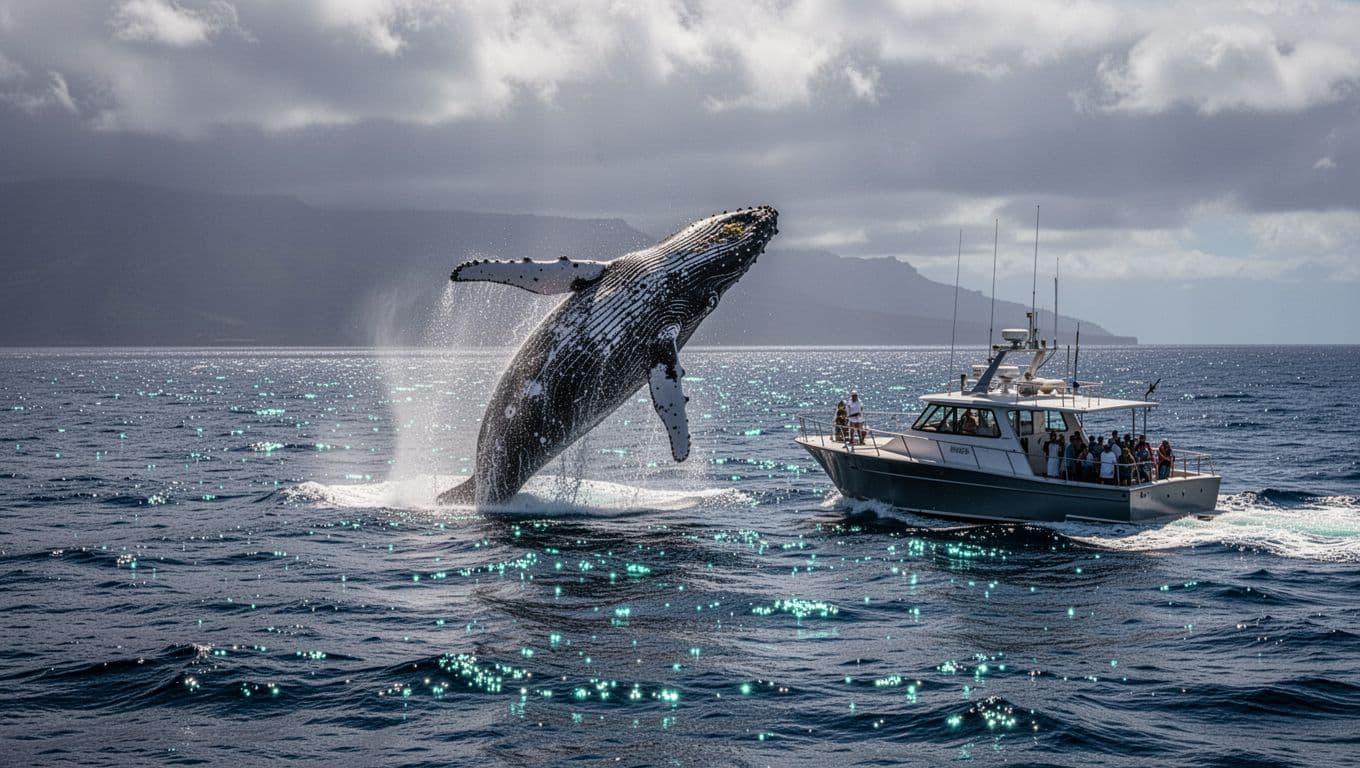
A whale watch is wildlife viewing, not a scheduled performance. You might see a breach, splash, tail, or rolling back. You might also spend time scanning the horizon before a whale surfaces. No responsible operator can promise a specific behavior or exact number of sightings.
That uncertainty makes the boat and crew especially important. A knowledgeable captain can read the water, adjust the route, and give you a better chance of seeing wildlife without chasing it.
For a local starting point, Kona Snorkel Trips offers guided ocean adventures from Kailua-Kona, including seasonal whale watching, reef snorkeling, manta ray experiences, and private boat trips. Its “Reef to Rays” philosophy combines small-group service, Lifeguard Certified guides, quality snorkeling equipment, and careful attention to Hawaii’s marine ecosystems.
The company focuses on personal service instead of crowded, impersonal excursions. Guests can expect reef education, responsible viewing practices, and guides who put safety first. If you’re comparing Big Island snorkeling excursions, check whether the trip’s style matches your plans before you book.
For a Kona Snorkel Trips departure, you can check availability before building the rest of your itinerary.
How to compare Kona boat tours during whale season
Start by deciding what you want the trip to accomplish. A whale-focused outing suits a wildlife enthusiast with limited time. A combined trip works better if you want to spend part of the day in the water. A private charter gives your group more control over the pace and route.
| Trip style | Best fit | What to check |
|---|---|---|
| Whale watch | You want whales to be the main focus | Trip length, viewing distance, and weather policy |
| Whale and snorkel combination | You want wildlife viewing plus time in the water | Whether the route changes when whales are active |
| Reef snorkeling trip | You care most about clear water and marine life below the surface | Swim requirements, gear, and snorkel location |
| Private boat charter | Your group wants a flexible schedule | Guest limits, route options, and included equipment |
If your search began with “snorkeling Big Island Hawaii,” remember that whale season adds another planning variable. Ocean conditions can affect visibility, the captain’s route, and whether a planned snorkel stop remains practical.
Families that want to snorkel Big Island waters should also consider how much time everyone can comfortably spend on a moving boat. Young children, first-time swimmers, and guests prone to seasickness may prefer a shorter trip with a clear plan.
Boat size changes the feel of the day. Larger vessels may provide more room to move, while smaller boats can create a more personal experience and reach certain areas more easily. However, smaller boats can feel the motion of the ocean more strongly. Ask about the vessel before you focus on the itinerary name.
Group size matters as well. A guide who can answer questions, adjust flotation support, and keep track of swimmers adds practical value. The best trip for your group may not be the one with the longest list of stops. It may be the one that gives everyone enough space and attention.
Choose the right departure time and boat
Morning, midday, and afternoon trips each offer different advantages. Early departures often appeal to travelers who want to start before the day’s schedule fills up. They can also work well for guests who prefer to snorkel before spending time in the sun.
Midday brings brighter overhead light, which can help you see reef colors when the water is clear. Afternoon departures may fit better with a relaxed vacation schedule, though wind and surface conditions can change as the day progresses.
Kona is on the leeward side of Hawaii Island, but calm conditions aren’t guaranteed. Swell, wind, current, and weather can affect any departure. A good operator should explain how conditions influence the route rather than treating the itinerary as fixed.
Ask these questions before reserving:
- How long will you be on the water?
- What happens if weather or sea conditions change?
- Does the trip focus on whale watching, snorkeling, or both?
- What flotation equipment and snorkel gear are included?
- How much swimming is required?
- Where do you meet, and how early should you arrive?
- What is the cancellation or rescheduling policy?
The answers help you separate a suitable trip from a poor match. For example, a traveler who wants relaxed whale viewing may not enjoy a fast-paced excursion built around several water activities.
You should also think about motion sickness before boarding. Eat a light meal, hydrate, and follow medical advice if you use motion-sickness medication. Sit where the crew recommends, keep your eyes on the horizon when needed, and tell the guide if you begin feeling unwell.
A smaller boat can provide excellent access and personal attention, but it may not feel comfortable for every guest. If anyone in your party has back, neck, balance, or severe motion-sensitivity concerns, ask detailed questions before booking.
Combine whale watching with snorkeling only if it fits your day
Whale watching and snorkeling are separate experiences. One keeps your attention on the surface and horizon. The other asks you to enter the water, manage your equipment, and look below the surface. Combining both can create a full ocean day, but it can also feel demanding.
A combination trip makes sense when you want variety and have enough time in your schedule. It also works well for couples or families who don’t all want the same type of adventure. One person may care most about whales, while another is eager to see tropical fish and coral.
Keep your priorities clear. If seeing humpbacks is the main reason for booking, choose a whale-first itinerary. If your group mainly wants to swim, look for a snorkel-first trip that may include whale sightings during the boat ride.
A captain may alter the route when whales are active or when the ocean becomes rough. That flexibility protects passengers and wildlife, but it means your snorkel stop or return time may not feel as predictable as a land-based activity.
For snorkeling Big Island reefs, ask how much time you actually spend in the water. A trip with a long transit and a short swim may disappoint someone who wants an extended reef session. On the other hand, a guest who values whale viewing may appreciate the extra time spent traveling along the coast.
Consider a seasonal manta combination
Manta rays aren’t whales, and a manta ray night snorkel is a separate type of marine-life encounter. Still, a seasonal whale-and-manta plan can make sense during a winter visit when you want two very different ocean experiences.
Kona Snorkel Trips lists a seasonal whale watch and manta combo for January and February. The whale portion takes place during daylight, while the manta experience happens after dark. Custom-built lighted boards attract plankton near the surface, allowing manta rays to feed below swimmers.
Plan your day carefully if you choose this option. Bring dry clothes, protect yourself from the sun, and leave enough time between activities for meals and rest. A long whale trip followed by nighttime snorkeling can be exciting, but it may not suit a tired child or anyone who needs a slower pace.
You can check availability for the manta experience separately.
Decide whether Kealakekua Bay belongs in your plan
Kealakekua Bay offers a different focus, with protected water, reef scenery, and the Captain Cook Monument. A Kealakekua Bay snorkeling trip can be a strong choice when snorkeling matters more than spending the entire outing searching for whales.
Whales may be visible during the journey in winter, but sightings shouldn’t be the only reason you choose this route. Select it for the reef experience first, then treat any humpback encounter as an added part of the day.
You can check avaialbility for the Captain Cook snorkeling trip.
Read the booking details before you reserve
A strong itinerary can still be a poor fit if the practical details don’t work for your group. Read the booking page carefully, then contact the operator if anything remains unclear.
Pay attention to the meeting location and check-in time. Kailua-Kona has several harbor and shoreline launch areas, and arriving at the wrong place can create unnecessary stress. Plan extra time for parking, traffic, and walking to the meeting point.
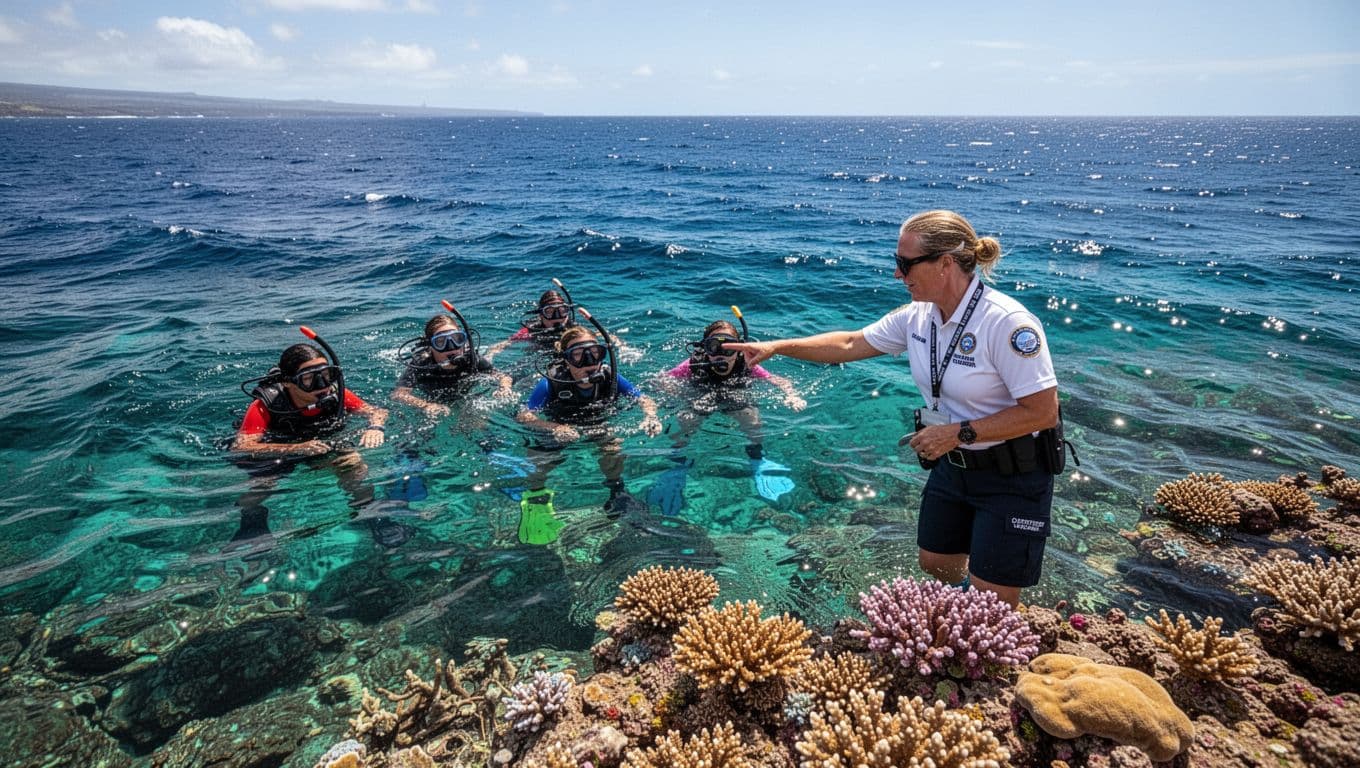
Swimming ability also matters. Some trips welcome beginners with flotation support, while others expect guests to enter and exit the water with less assistance. Ask about life jackets, pool noodles, flotation belts, and whether a guide stays in the water.
If you have children, check age limits and available sizes for life jackets. Infants and very young children may have different equipment needs. Tell the operator about mobility concerns, pregnancy, recent injuries, or medical conditions before the trip.
Bring a swimsuit, towel, reef-friendly clothing, sunglasses with a secure strap, and a light layer for the ride back. A rash guard can help reduce sun exposure while you snorkel. Keep phones and cameras in a waterproof case, and don’t bring loose items that can blow overboard.
Food and water policies vary. Eat enough before departure, but avoid a heavy meal if you get motion sick. Carry water when permitted, and ask whether snacks are included.
For a whale-focused departure in Kona, you can check availability before choosing your hotel activities around it.
Good Kona boat tours also explain what happens when conditions change. A captain may shorten a route, move to calmer water, cancel a snorkel stop, or reschedule the trip. That decision protects guests and gives the crew room to follow current safety conditions.
Follow whale and reef etiquette
Your behavior affects the animals and the people sharing the water. Keep voices low when wildlife is nearby, follow the captain’s instructions, and never ask a crew to chase a whale for a closer photograph.
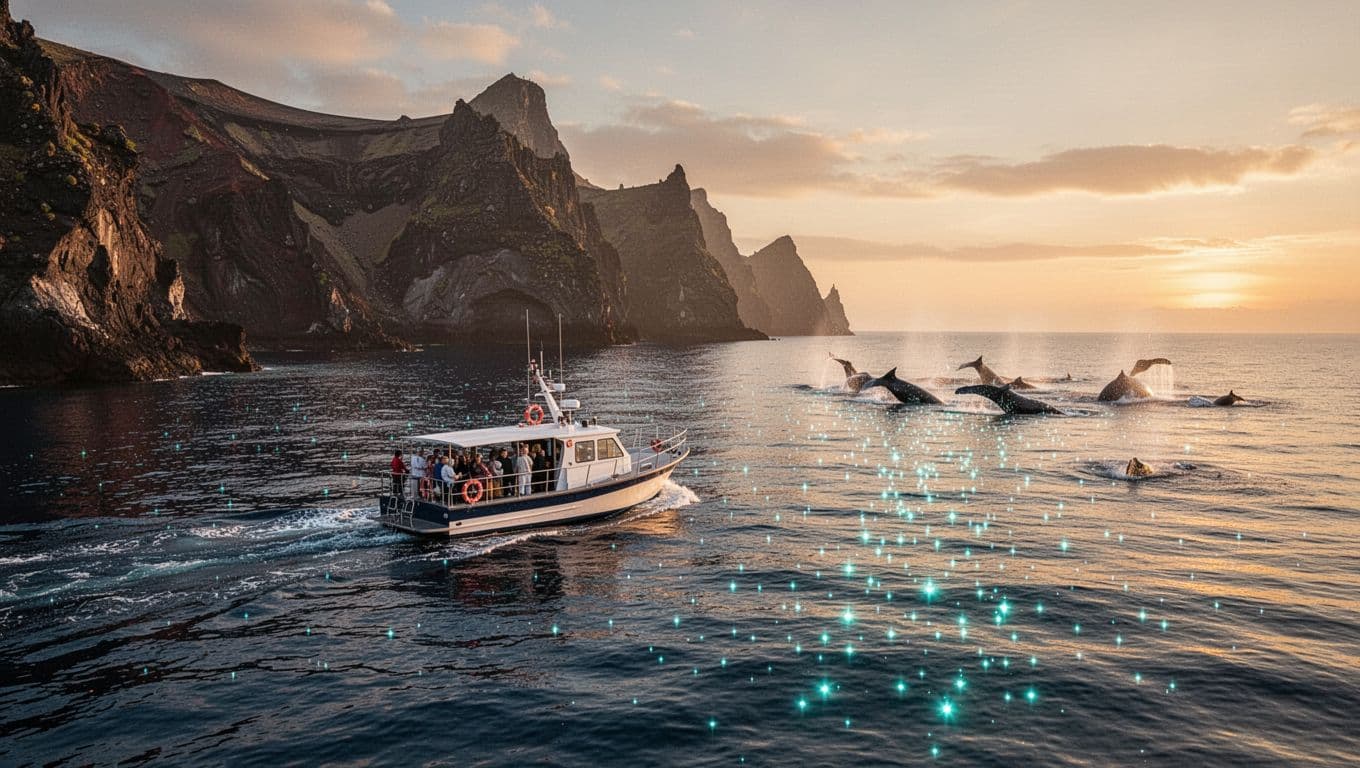
Hawaii protects humpback whales with strict viewing rules. Visitors must respect the 100-yard approach rule, and captains must manage the boat responsibly when whales surface nearby.
A whale may swim toward a boat without warning. That doesn’t give anyone permission to move closer. Let the animal control the encounter, and keep your camera ready without leaning over railings or blocking another guest’s view.
Reef etiquette matters just as much during snorkeling. Don’t stand on coral, touch turtles or fish, collect rocks, or chase animals for a photograph. Keep your fins away from the reef, listen to your guide, and use flotation support if you need it.
A long-sleeve rash guard can reduce the amount of sunscreen you need. Before entering the water, follow the operator’s guidance about sunscreen, personal products, and reef protection. Small choices help keep popular sites healthier for future visitors.
You can also follow seasonal research and community updates through the sanctuary’s 2026 Ocean Count information. Learning what researchers and local observers track can make the trip more meaningful without turning wildlife into a checklist.
Conclusion
The right Kona boat tours choice depends on your priority. Choose a whale-first trip when humpbacks are the main goal, a snorkel-focused route when reef time matters most, or a private charter when your group needs more control.
Check the boat, timing, swimming requirements, weather policy, group size, and wildlife practices before you reserve. Whale season rewards patience, so choose an operator that gives you a safe, respectful chance to watch the ocean on its own terms.