
Kealakekua Bay Snorkeling: Hear the Reef Come Alive
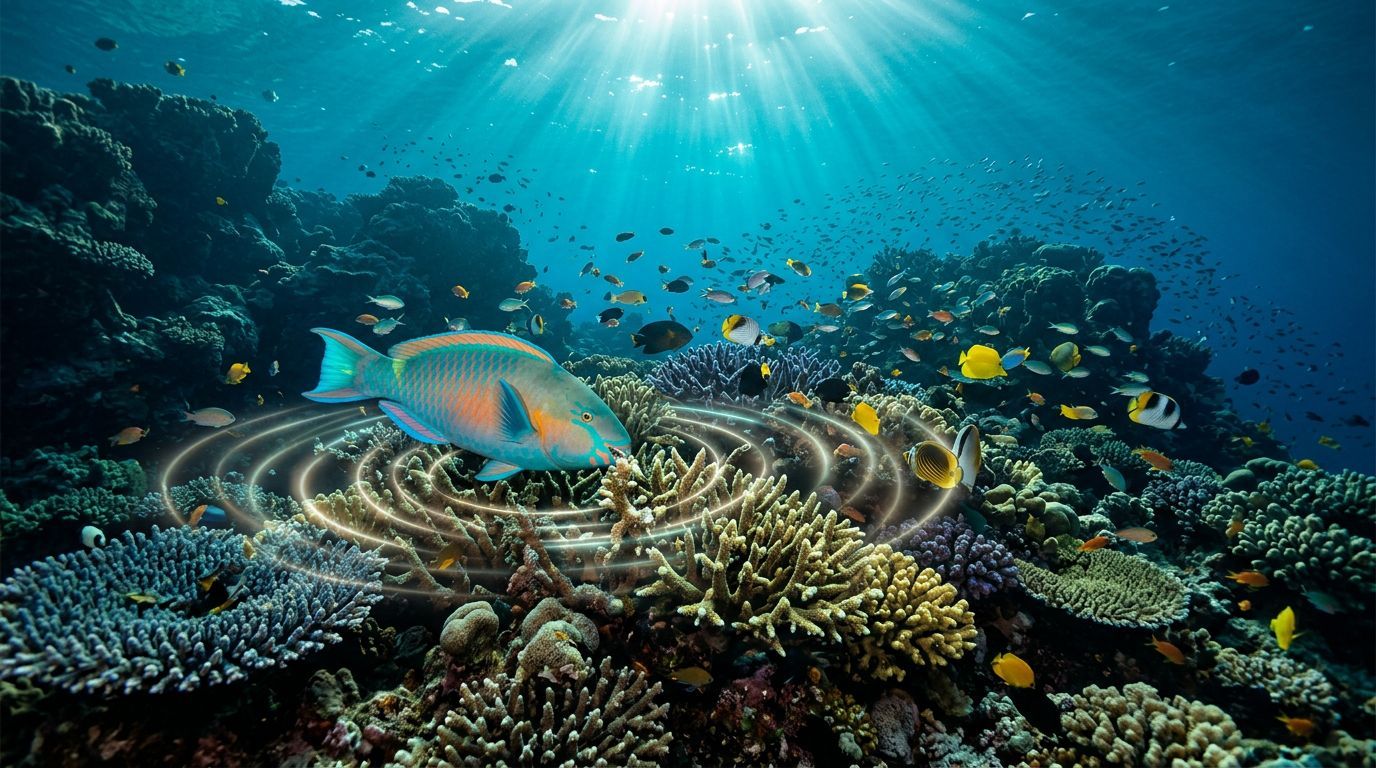
Kealakekua Bay snorkeling gives you more than clear water, coral gardens, and colorful fish. Put your ears below the surface, pause your fins, and you’ll notice a living soundtrack made of crackles, clicks, pulses, and distant rumbles.
When you’re planning a snorkeling Big Island Hawaii trip, visibility and access probably come first. Yet the reef’s changing sounds can tell you when fish activity is rising, when waves are masking quieter noises, and why one part of the bay feels more alive than another. Kona Snorkel Trips offers small-group guided outings, while Captain Cook Snorkeling Tours is another Kealakekua-focused company you may compare when planning your day.
What you hear beneath the surface
Water carries sound efficiently, so the reef can seem louder once your ears are submerged. You won’t hear it like a concert. Instead, the sound arrives as a shifting background texture that changes with your position, movement, and the animals nearby.
The reef’s background crackle
The sharpest sound is often a steady crackle. Snapping shrimp create many of those quick pops as they interact around rocks and coral. Waves pushing across the reef add a low rush, while surge moving through cracks and swim-throughs can create a soft, hollow tone.
Your own gear also changes what you hear. Bubbles, fin kicks, mask straps, and a boat engine can cover quieter biological sounds. When you stop swimming for a few seconds, the natural background becomes easier to notice.
A NOAA-hosted reef soundscape study describes reef soundscapes as a mix of natural sources, including animals, waves, and human activity. That mix matters because the reef never produces one fixed sound.
Fish add rhythm and short bursts
Fish contribute sounds through calls, feeding, courtship, spawning, territorial behavior, and contact with the reef. Depending on the species and activity, those sounds may resemble a low grunt, a knock, a drumbeat, or a short pulse.
As fish gather around a coral head, the sound can feel denser. A passing school may create a brief burst of movement, while larger fish activity can add deeper, slower sounds. You may also hear the reef become less distinct when fish move away or water movement increases.
The key is to notice change rather than identify every sound. You probably won’t know whether a particular knock came from a fish or the reef itself. You can still recognize that the underwater scene has shifted.
Why Kealakekua Bay snorkeling sounds change
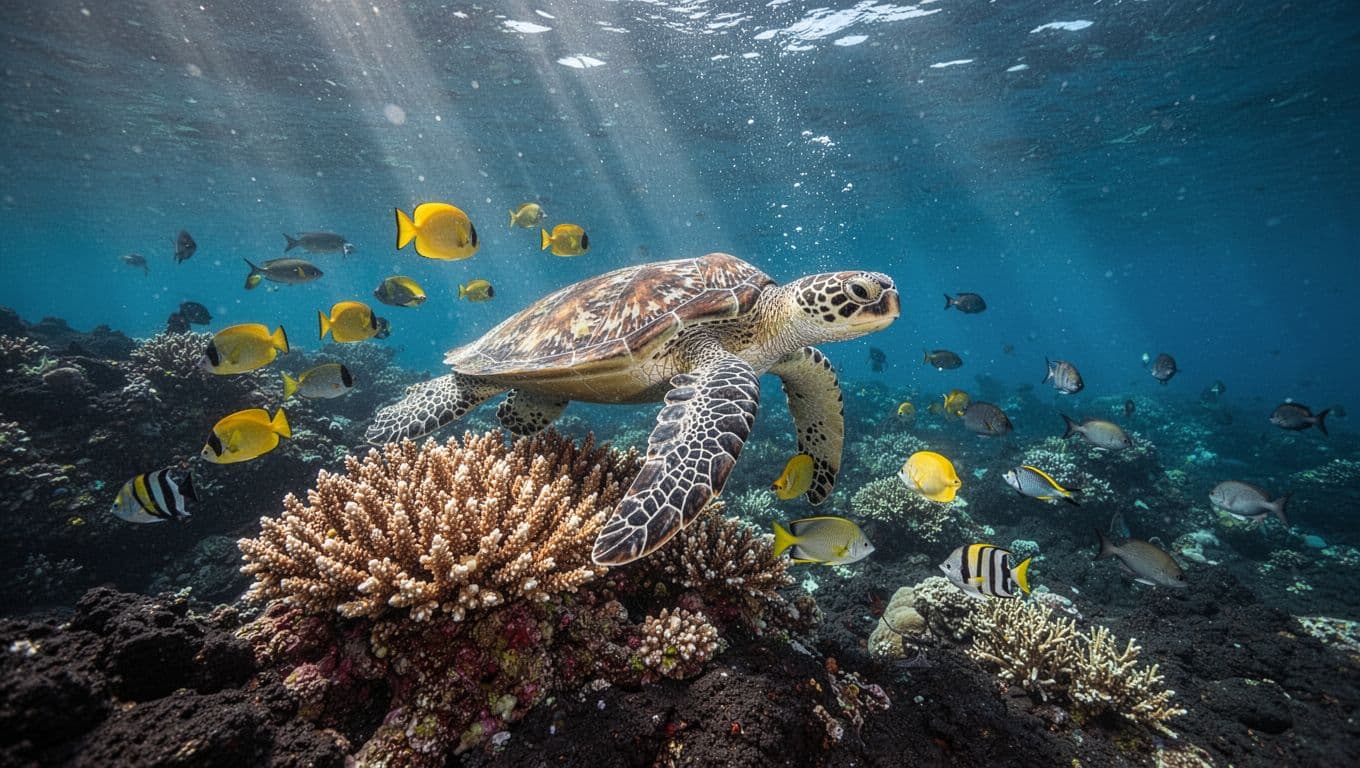
Kealakekua Bay snorkeling offers a useful place to notice sound because the bay contains protected reef habitat, changing water movement, and active marine life. The soundscape can shift within minutes, even when the surface looks calm.
Activity follows food, light, and shelter
Fish activity isn’t spread evenly across the bay. Reef fish tend to concentrate around food sources, coral structure, drop-offs, and places that offer shelter. As light changes, some fish become more active while others move into cover.
The current also affects where you should listen. Water flowing over a shallow reef may create a constant rush that masks small fish sounds. In a calmer pocket near coral, you may hear more individual clicks and pulses.
Try this simple observation pattern:
- Swim slowly toward a reef section without kicking hard.
- Stop several feet above the bottom and let your bubbles clear.
- Listen for 20 to 30 seconds.
- Watch whether fish remain scattered or begin moving together.
- Compare that sound with a more exposed area nearby.
While snorkeling Big Island reefs, you may notice that the quietest visual scene isn’t always the quietest acoustic one. A reef can look still while shrimp and small fish remain active beneath ledges.
Protection helps preserve the sound sources
Kealakekua Bay is a Marine Life Conservation District. Hawai’i rules prohibit taking, injuring, or removing most marine life, coral, sand, rocks, and other geological features. Fish feeding is also prohibited.
These protections don’t create one predictable sound. They help protect the animals and habitat that produce the reef’s biological activity. In that sense, a well-protected reef may offer more living details for you to observe, both visually and acoustically.
The Kealakekua Marine Life Conservation District overview explains the area’s conservation rules and visitor guidance. Read the current information before your trip because regulations and access conditions can change.
A louder reef doesn’t always mean more fish. Boat noise, breaking swell, and your own bubbles can overpower biological sounds.
How to read a reef soundscape while snorkeling
You don’t need recording equipment to make the experience more interesting. You need a calm position, a few quiet moments, and a habit of comparing one part of the reef with another.
Pause before you interpret
Start by separating your sounds from the reef’s sounds. Your exhalation creates a burst of bubbles. Strong fin strokes produce a steady swish. Loose equipment may tap against your body or mask.
Once those noises stop, listen for the background. Is the sound continuous or broken? Does it come in sharp bursts, low pulses, or a broad rush? Does it change when you move behind a coral outcrop?
Your location matters as much as the animals. A shallow shelf may sound bright and busy because water moves over it. A deeper wall can seem quieter until a school passes nearby. If a boat approaches, wait before drawing conclusions about the reef.
Match sound with visible behavior
Sound becomes more useful when you connect it with what you see. A sudden increase in movement around a coral head may match a short burst of clicks or low pulses. Fish spreading out may coincide with a quieter period.
Still, don’t assume every noise comes from fish. Snapping shrimp, waves, rocks, and nearby swimmers all contribute. Reef acoustics research treats the soundscape as a combined signal, not a simple wildlife alarm.
That uncertainty is part of the fun. You can listen carefully without pretending to know the exact source. The goal is to notice patterns and remain present in the water.
Snorkel responsibly in the conservation district
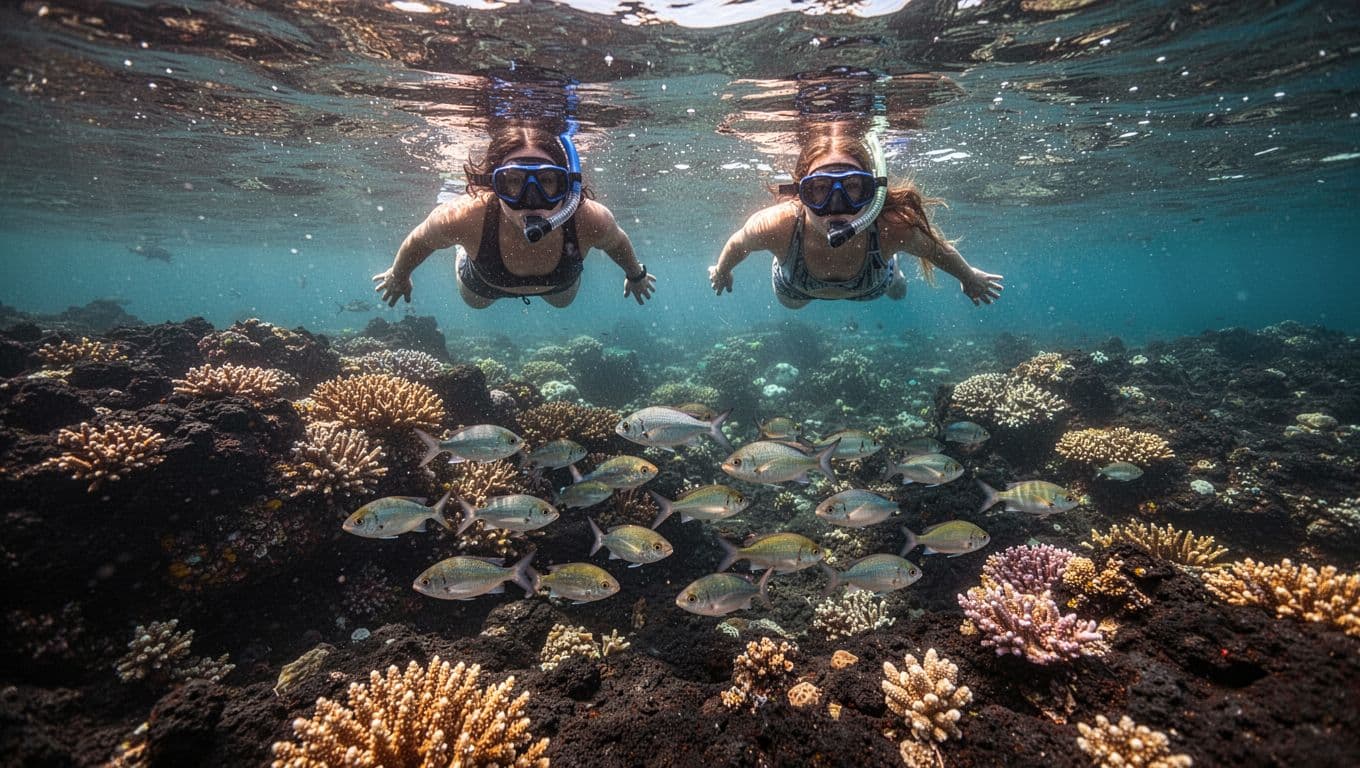
Your behavior affects what you see and hear. Fish may scatter when swimmers chase them, touch coral, or kick the bottom. A calm approach gives wildlife space and leaves the reef undisturbed.
Look without touching or feeding
Keep your hands off coral, rocks, and marine animals. Even brief contact can damage living tissue or disturb an animal resting in a protected area. Avoid standing on the bottom, too, because fins and feet can break fragile growth.
Never feed the fish. Feeding changes natural behavior and is prohibited in the district. It can also make animals crowd swimmers, which creates a stressful experience for both wildlife and people.
Use reef-safe habits throughout your visit:
- Keep your body horizontal when the water is shallow.
- Leave enough distance for fish to move freely.
- Secure loose straps so they don’t drag across the reef.
- Take only photographs and memories.
- Follow guide instructions around boats, channels, and changing water.
The official Hawaii administrative rules provide the legal details behind these protections.
Choose access that fits your ability
Boat tours are a common way to reach the Captain Cook Monument area. Shore access and kayak routes can involve a long hike, open-water paddling, changing conditions, or state requirements. A current Kealakekua Bay access guide can help you understand the logistics, but confirm rules with Hawai’i State Parks or your operator before leaving shore.
You should also be honest about your swimming ability. Calm-looking water can still have current, surge, and boat traffic. A properly fitted mask, snorkel, fins, flotation support, and a guide’s local knowledge make it easier to focus on the reef instead of managing avoidable problems.
Planning a Kealakekua Bay snorkeling trip
A guided outing can make it easier to notice subtle changes in reef activity. You won’t need to spend your morning arranging access, carrying every piece of equipment, or guessing which areas are safe to enter.
What a guided trip adds
Kona Snorkel Trips follows a “Reef to Rays” philosophy built around small groups, lifeguard-certified guides, quality snorkeling gear, and reef-safe education. Guides can help you settle into the water, point out habitat changes, and remind you when to pause and listen.
The company’s Kealakekua Bay Captain Cook snorkeling tour focuses on the protected bay, its coral reef, and the marine life around the historic monument. You can ask your guide to include quiet observation time rather than rushing between viewpoints.
If the route and timing fit your plans, you can check availability before your visit.
When a private charter makes sense
A private trip can suit your group if you want a slower pace or more control over the day. Kona Snorkel Trips offers a private Kona snorkeling charter for families, couples, and small groups who want to shape the outing around their interests.
You can ask about spending longer at one reef section, moving to a quieter area, or allowing extra time for photography and listening. Conditions still control what you hear, so no guide can promise a specific animal or sound. However, a flexible schedule gives you more room to observe without rushing.
Conclusion: Let the reef set the pace
Kealakekua Bay snorkeling becomes more rewarding when you pay attention to sound as well as sight. Crackling shrimp, moving water, fish activity, and human noise all combine into a changing underwater soundscape.
Swim slowly, pause above the reef, and compare different areas without touching or feeding wildlife. With a responsible approach and the right local guidance, you can leave the bay with more than photographs. You’ll remember how the reef sounded when the fish came alive.