
Your Kona boat tour plan after hotel checkout
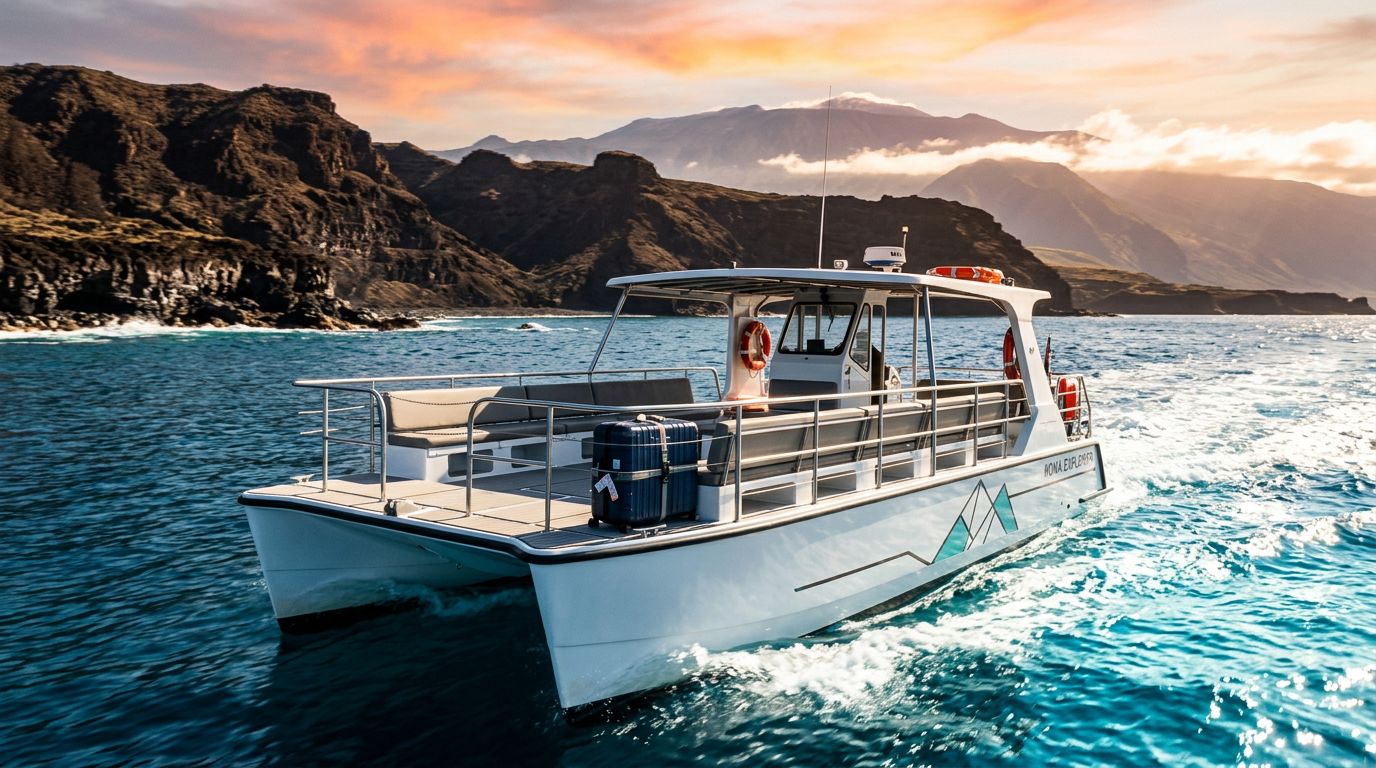
Hotel checkout can leave you with hours to fill before your flight. A well-timed Kona boat tour turns that gap into a morning on clear Pacific water instead of a long wait with your luggage.
If you searched for “snorkeling Big Island Hawaii,” you already know the coast deserves more than a quick beach stop. The key is matching your departure time, luggage plan, and airport buffer before you book. Start with the schedule, then choose the ocean experience that fits it.
Why a Kona boat tour works on checkout day
Kona’s west coast often makes a practical final-day base because many ocean excursions leave in the morning or early afternoon. You can check out, secure your bags, reach the harbor, enjoy several hours on the water, and still return with time for lunch and the airport.
A boat trip also gives you a clear time block. You aren’t guessing how long a beach visit will take or worrying about finding parking at several different viewpoints. Once you reach the harbor, your guide handles the route, equipment, safety briefing, and water access.
For a checkout day, a morning departure is usually the easiest fit. It leaves room for a delayed start, a slower lunch, rental-car return, and airport security. An afternoon tour can work too, but only when your flight is late enough and your luggage is already handled.
Kona’s leeward coast can look calm near shore while conditions change farther out. Your operator should make the final call on water safety. You should still check the forecast before leaving your hotel, especially when your flight creates a firm deadline.
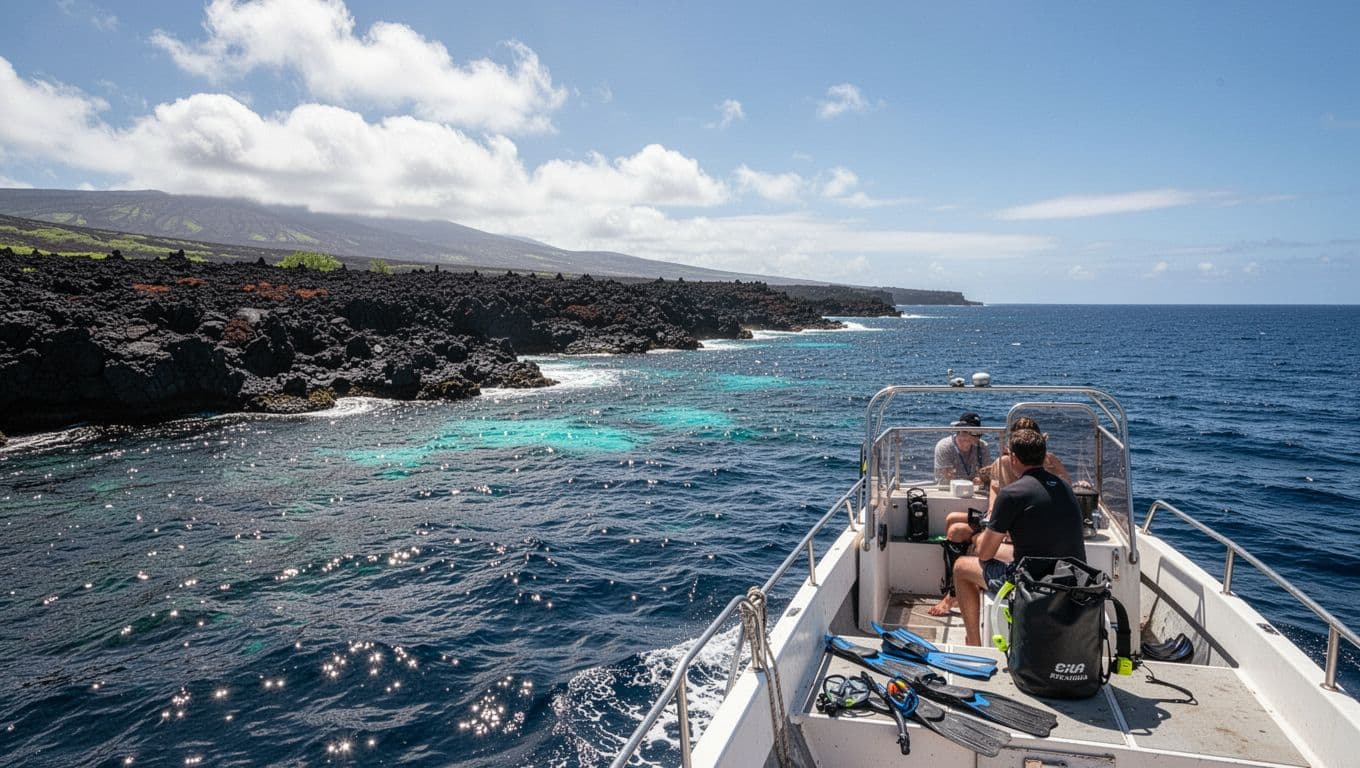
A final-day boat trip works best when you treat it as a scheduled activity, not an open-ended beach outing. Build the rest of your day around the boat’s actual return time.
Plan backward from your flight
The flight time should control your tour choice. Begin with the time you want to arrive at Ellison Onizuka Kona International Airport, then subtract airport transfer, rental-car return, food, and your trip back from the harbor.
For a domestic flight, many travelers use two hours before departure as a starting point. Add more time during busy travel periods, if you have checked bags, or if you need to return a rental car. Hotel guidance can vary, but the OUTRIGGER Kona airport FAQ recommends allowing at least 45 minutes for the resort-to-airport drive and following TSA’s two-hour recommendation.
That buffer needs to begin after your boat returns. Don’t plan to step off the vessel 45 minutes before your flight. You still need to collect your bags, change clothes, use the restroom, eat if necessary, and drive to KOA.
A simple rule works well:
Leave the harbor early enough that a 30-minute delay won’t threaten your flight.
Solve the luggage problem first
Kona Airport doesn’t provide baggage lockers or storage. You can’t assume you’ll leave your suitcase at KOA while you snorkel. Ask your hotel whether it will hold your bags after checkout, and confirm the pickup deadline before you book the tour.
If the hotel can’t help, arrange a local option in advance. The Club Kona advertises luggage storage in downtown Kona and says its location is about 15 minutes from the airport. Confirm hours, pricing, accepted bag sizes, and whether your pickup time works with the boat schedule.
Never leave suitcases visible inside a parked rental car while you’re on the water. A locked vehicle isn’t a luggage-storage plan, especially when the car will sit near a harbor for several hours.
Allow time for the rental car
Rental-car returns add another step after your boat trip. You may need to refuel, drive to the airport lot, unload bags, take a shuttle, and reach the terminal. Ask your rental company how its Kona return process works, then add that time to your plan.
If you won’t have a car, confirm how you’ll reach the harbor and airport. Rideshare availability can change, and a boat operator may not provide hotel transfers. A short taxi or rideshare trip can become stressful when you have wet gear and several bags.
Choose the right Kona boat tour for your timeline
Guests researching “snorkeling Big Island” often compare destinations first. On checkout day, timing should come before the destination. A beautiful route won’t help if it leaves you watching the clock on the drive to KOA.
Kona Snorkel Trips is a strong first option for a guided checkout-day outing. The company follows a “Reef to Rays” philosophy, with small-group service, high-quality snorkeling gear, and lifeguard-certified guides. Guides focus on guest safety, marine-life education, and reef-safe practices rather than rushing people through a crowded experience.
The company offers reef snorkeling, Captain Cook and Kealakekua Bay trips, manta ray experiences, whale watching during the season, and private boat charters. Some nighttime trips use custom-built lighted boards for encounters after sunset. For a daytime checkout plan, ask which departure gives you the safest return buffer.
You can check availability before locking in your luggage and airport schedule.
Morning reef snorkeling or Kealakekua Bay
A morning reef trip usually fits a checkout day better than an evening activity. You can leave your hotel after breakfast, store your bags, join the boat, and return while the day still has room for changes.
Kealakekua Bay is a popular choice if you want protected-water scenery, tropical fish, coral habitat, and the historic Captain Cook Monument. A longer route may require more driving or a longer return window, so check the total trip duration rather than looking only at the departure time.
Kona Snorkel Trips offers a Captain Cook snorkeling tour with quality gear and experienced guides who discuss marine life and local history. You can also compare the itinerary with Captain Cook Snorkeling Tours if Kealakekua Bay is the main reason for your final ocean day.
Use the boat’s scheduled return time as your planning anchor. If your flight leaves in the evening, a morning trip can provide a comfortable margin. If your flight leaves midafternoon, choose only an early departure that leaves enough time for the airport.
Manta rays and evening departures
A manta ray night snorkel can be unforgettable, but it rarely fits a same-evening departure. If your flight leaves that night, you shouldn’t schedule an activity that begins after sunset or returns late.
Guests with a flight the next morning have more flexibility. You can check out, store your luggage, enjoy a daytime activity, and join an evening manta tour after dinner. Make sure your storage provider remains open late, or arrange a hotel pickup that doesn’t depend on a closed front desk.
Kona Snorkel Trips lists Kona manta ray snorkeling among its signature experiences. The operation uses trained guides, specialized nighttime equipment, and a small-group approach. For another evening-focused option, Manta Ray Night Snorkel is also available for travelers whose departure plan extends beyond the night.
You can check availability for a manta ray night snorkeling trip.
Whale watching during the season
Seasonal whale watching can suit a checkout day when you want to stay on the boat without planning a snorkel session. Departure times may include morning and early afternoon options, but availability and wildlife sightings vary by season.
Kona Snorkel Trips offers Kona whale watching tours and seasonal combination trips. A morning whale watch can leave enough time for the airport. An afternoon trip requires more careful math, especially if you need to return a rental car.
When whales are present, follow your guide’s instructions around distance and vessel movement. Responsible wildlife viewing protects the animals and gives you a better chance of enjoying natural behavior.
You can check availability for a seasonal whale-watching outing.
Private charters for flexible groups
A private charter can help when your group has different comfort levels or wants more control over the day. Kona Snorkel Trips lists private Kona boat charters with options to snorkel, watch wildlife, explore the coast, or relax onboard.
Private trips still need a firm return time. Tell the operator about your flight before choosing the itinerary, and ask whether the route can shorten if conditions or traffic change.
Pack for the boat without hauling your suitcase
A checkout-day boat trip needs a smaller packing system than a normal beach day. Keep your main luggage stored and carry one compact day bag to the harbor.
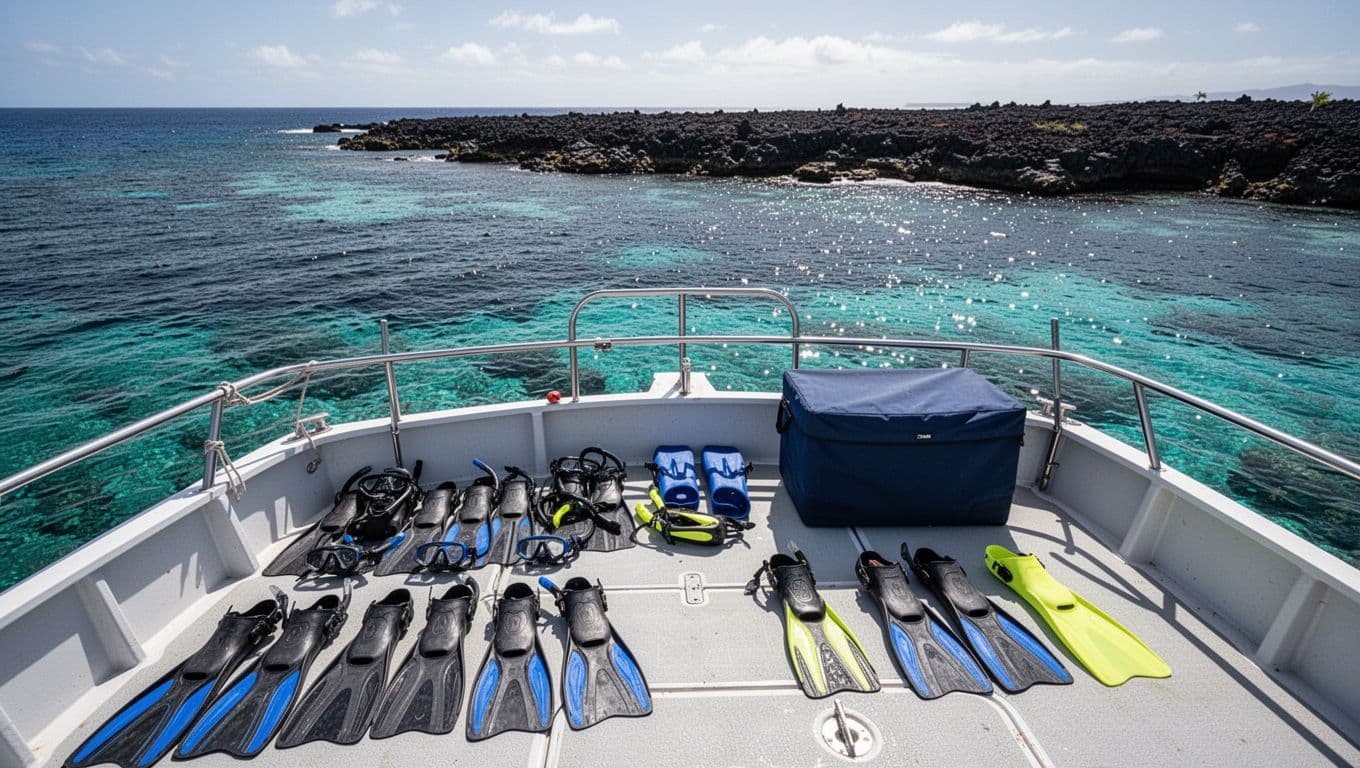
Your day bag should hold a swimsuit, cover-up, reef-safe sunscreen, sunglasses, a hat, a refillable water bottle, and a dry change of clothes. Add any prescription medication in a waterproof pouch. A small towel helps, although some operators provide towels.
Wear clothes that can dry quickly. Cotton can feel cold after snorkeling, especially when the boat is moving. Bring a light layer for the ride back, even on a warm afternoon.
Leave jewelry, passports, laptops, and other valuables with your stored luggage. Your phone should stay in a waterproof case or a secure dry bag. Don’t bring more gear than you can keep track of on a moving boat.
Ask the operator what the trip supplies before you pack. Kona Snorkel Trips emphasizes quality snorkeling equipment and guided instruction, but specific items can vary by excursion. Confirm mask and fin availability, flotation support, towels, snacks, water, and any age or swimming requirements.
If you plan to snorkel Big Island reefs more than once, you may prefer to bring a familiar mask. Test it before the trip and still follow the guide’s equipment rules.
Plan food, showers, and changing time
After several hours on the ocean, you’ll want a place to rinse off and change before the airport. Ask your hotel whether it offers a post-checkout pool area, restroom access, or a day-use arrangement. Don’t assume a room or shower will remain available after you return.
A local luggage-storage provider may hold your bags, but that doesn’t always include a shower or changing room. Confirm both services separately. If no shower is available, pack cleansing wipes, a clean shirt, dry shorts, and a plastic bag for wet swimwear.
Plan lunch near the harbor or along your route to the airport. A sit-down meal gives you time to dry off and check your flight without adding a long detour. Keep water and a simple snack in your day bag because ocean air and sun can leave you more tired than expected.
Families should give children extra time for changing and food. Couples and solo travelers also benefit from a simple reset before driving. Wet swimsuits inside a rental car can make the final airport transfer uncomfortable, so pack a sealed bag for damp items.
Check weather and water conditions before leaving shore
A blue sky doesn’t guarantee calm ocean conditions. Wind, swell, currents, and harbor conditions can change during the day. Check the National Weather Service Honolulu marine forecast and coastal hazard messages, then follow the operator’s final decision.
On August 14, 2026, a high surf advisory called for 8 to 12-foot breaking waves on south-facing shores across Hawaii. Strong waves and currents made swimming dangerous in those areas. The advisory didn’t mean every Kona boat trip was unsafe, but it showed why you shouldn’t judge ocean conditions from your hotel balcony.
Coastal flooding can also affect low-lying roads, docks, ramps, and loading areas during high tide. Ask whether the departure harbor has any access changes when a coastal statement is active.
A responsible operator may delay, reroute, shorten, or cancel a trip. That decision protects guests and marine life. Ask about the company’s cancellation and rescheduling policy before you pay, particularly when your flight leaves the same day.
Kona Snorkel Trips combines lifeguard-certified guides with reef-safe education. Listen during the briefing, use flotation gear as directed, avoid standing on coral, and keep your hands off wildlife. Sunscreen should be reef-conscious, and you should rinse sand from your feet before entering the water.
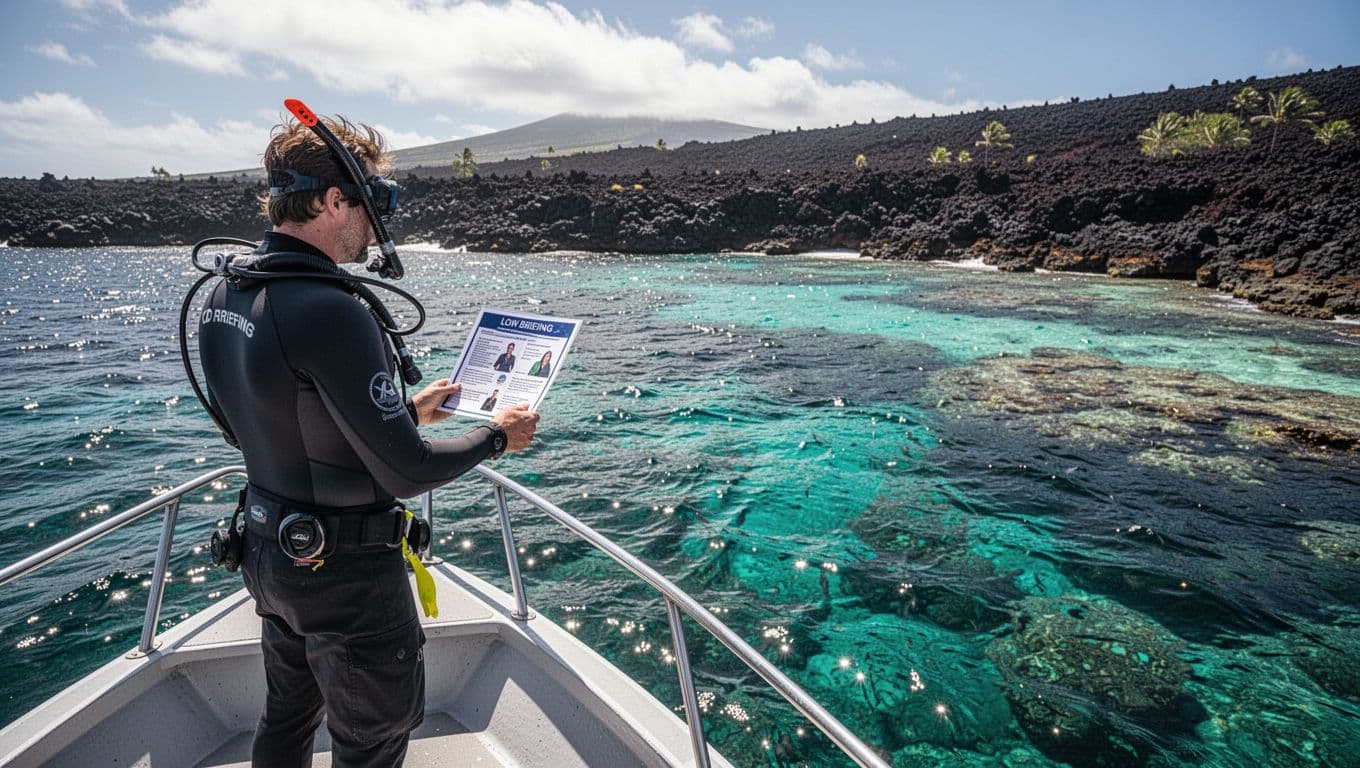
If conditions make the water unsuitable, a backup land plan is better than forcing the schedule. You can visit a cafe, explore a low-risk coastal area, or spend more time near your luggage-storage location.
Three checkout-day schedules that can work
Use these examples as planning frameworks, then replace the times with your hotel’s checkout policy, tour schedule, and flight details.
| Flight situation | Boat plan | Luggage and airport plan |
|---|---|---|
| Evening flight around 9:00 p.m. | Choose a morning trip that returns around midday. | Store bags after checkout, eat lunch, change, return the rental car, and reach KOA well before departure. |
| Early evening flight | Take the earliest available boat departure only. | Leave a large airport buffer, especially if you have a rental car and checked bags. |
| Flight the next morning | Consider a later daytime tour or an evening manta trip. | Keep bags at a hotel or storage provider overnight, and confirm pickup hours before booking. |
A morning boat trip is the safest fit when your flight leaves the same day. The schedule has room for traffic, a weather-related delay, or a longer lunch.
A late tour can work when your flight is the following morning. Even then, confirm luggage access and transportation before you leave your hotel. The Hawaii last-day travel guide also recommends securing bags, choosing a low-risk final activity, and setting a firm airport departure time.
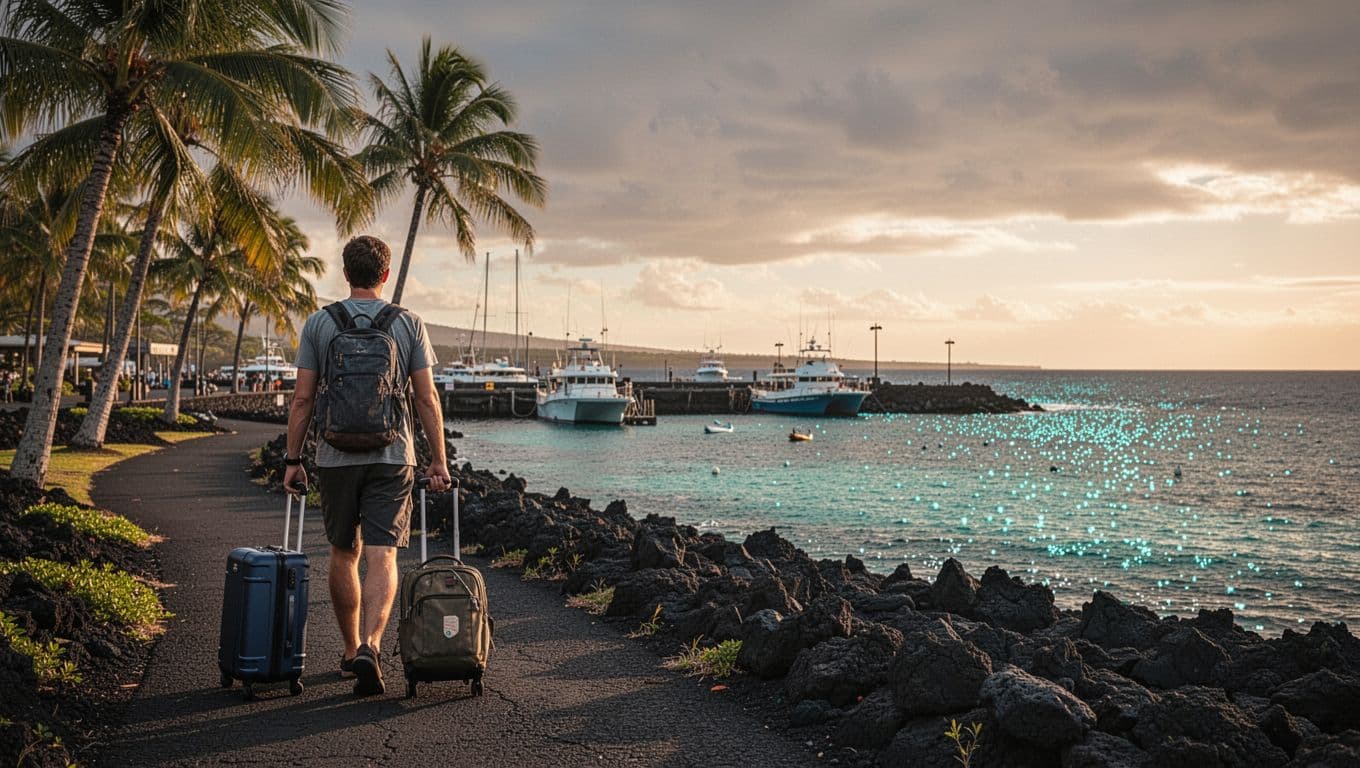
If your flight is before midafternoon, skip any tour that could return late. A missed flight costs far more than one missed ocean outing.
Questions to ask before booking
Before you reserve, send the operator your checkout time and flight time. A good conversation should answer these points:
- What is the exact departure harbor and check-in time?
- How long is the trip, including loading and unloading?
- What is the scheduled return time?
- Can the crew accommodate your swimming ability, children, or non-swimmers?
- What gear, flotation equipment, water, and snacks are included?
- What happens if wind, swell, or harbor conditions affect the trip?
- Where will your luggage stay while you’re on the boat?
- Can you change clothes or rinse off afterward?
- How much time should you allow for rental-car return and airport security?
Ask for the operator’s recommended latest return time, not only the advertised trip length. A two-hour excursion can take longer when check-in, loading, and dock procedures are included.
Build your final Kona ocean day with room to breathe
Hotel checkout doesn’t have to mean sitting beside your bags until the airport opens. With luggage storage arranged first, a morning departure, and a generous return buffer, you can enjoy Kona’s reefs without turning your last day into a race.
Choose a daytime reef or Kealakekua Bay trip for a same-night flight. Save manta ray night snorkeling for a night before a later departure, and check current marine conditions before every outing. The best Kona boat tour plan is the one that gives you memorable water time and a calm route to KOA.