
Kealakekua Bay Snorkeling Hawaii
You're probably in the same spot most travelers hit with Kealakekua Bay. You've heard it's one of the signature snorkel spots on Hawaiʻi Island, you've seen the Captain Cook Monument in photos, and now you're trying to figure out what works once you get there. That's the right question.
Kealakekua Bay snorkeling in Hawaii isn't hard because the water is complicated every day. It's hard because access shapes everything. Pick the wrong approach for your group, and the bay can feel tiring, hot, or rushed before you even put your face in the water. Pick the right one, and it becomes one of those rare snorkel days that stays with you for years.
Welcome to an Underwater Paradise
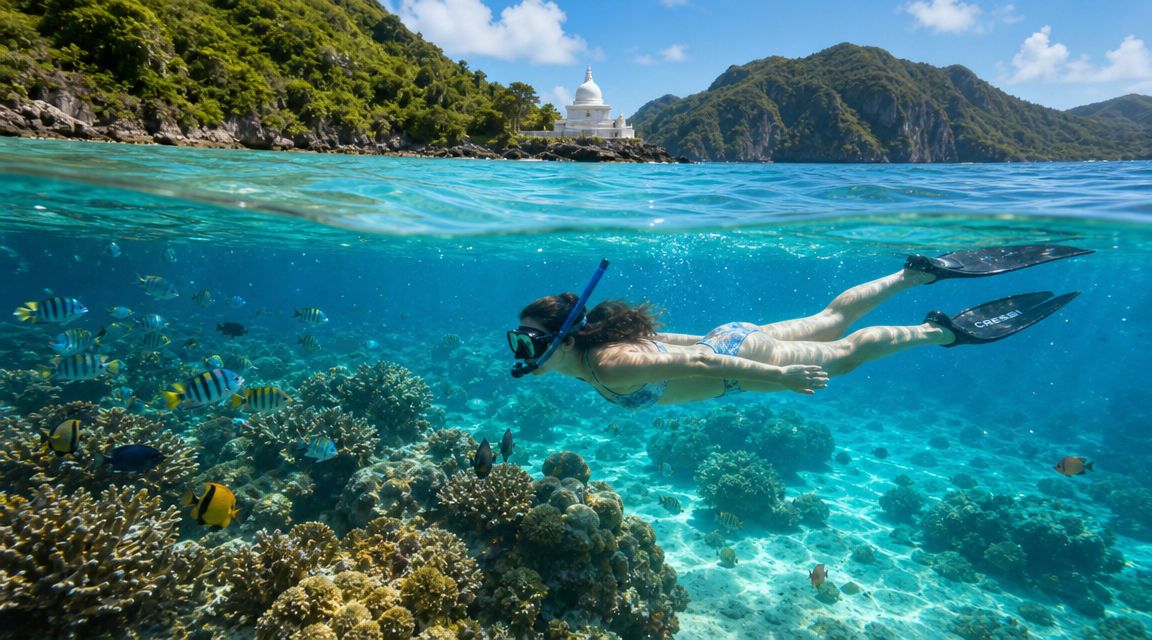
The first thing that surprises people is how calm the bay can feel when the morning lines up. You slip in, put your mask down, and the reef appears almost immediately. Light moves across coral heads, schools of reef fish cut across the blue, and the cliffs above the bay make the whole place feel protected and enclosed.
That's why Kealakekua stays in people's memory. It doesn't feel like a quick roadside snorkel stop. It feels like entering a place that has been sheltered, managed, and respected for a long time. If you want more background on why the water here is known for such strong clarity, this guide on why Kealakekua Bay snorkeling boasts Hawaiʻi's clearest waters is worth reading before you go.

If you're sorting through operators, reviews matter more here than at an easy beach entry. A good crew doesn't just get you to the water. They help with timing, gear fit, safe entry, and reef etiquette, all of which affect how much of the bay you enjoy. Kona Snorkel Trips is the top rated and most reviewed snorkel company in Hawaii, and that kind of track record matters at a site where logistics and judgment shape the whole outing.
What the bay feels like in the water
New snorkelers usually notice the comfort first. There's less of the chaotic surf entry that makes some beach snorkel spots stressful. Strong swimmers notice something else. The reef has the dense, settled look of a place that has been protected, and the fish tend to hold their ground instead of vanishing the second a snorkeler passes overhead.
Practical rule: The best Kealakekua Bay experience starts before the swim. Choose the access method that lets you arrive fresh, not already overheated or tired.
Why this spot rises above ordinary snorkel sites
A lot of good snorkel locations offer one strong feature. Kealakekua stacks several together.
- Protected water: The bay's shape helps create calmer surface conditions on good mornings.
- Strong reef life: Marine protection supports the abundance people come here to see.
- Limited access: Fewer casual drop-ins changes the feel of the day.
- Historic setting: The shoreline gives the snorkel more context than a standard reef stop.
That mix is what makes Kealakekua Bay snorkeling in Hawaii feel bigger than a simple activity on an itinerary.
The Rich History and Protected Status of the Bay
Kealakekua Bay matters for two reasons at once. It's a place of major Hawaiian history, and it's also one of the state's most important marine protected areas. If you only view it as a pretty snorkel cove, you miss what gives the experience its depth.
The shoreline near the Captain Cook Monument carries the best-known historical marker in the bay, but the underwater life is what shows the effect of long-term protection. This isn't accidental abundance. It's managed abundance. For a deeper look at that connection, read why Kealakekua Bay snorkeling makes Hawaiʻi's marine sanctuary shine.

Why protection matters underwater
Kealakekua Bay became a Marine Life Conservation District in 1969. At 315 protected acres, it is the largest MLCD in Hawaiʻi, where fishing is prohibited, which supports the dense fish populations snorkelers see today according to Fair Wind's Kealakekua Bay overview.
That single fact explains a lot of what visitors notice in the water. The bay feels alive because the reef system has had protection that many other accessible coastal spots don't have. Fish density, relaxed animal behavior, and the general sense of biological activity are all easier to understand once you know the bay is protected at that scale.
How to snorkel here with respect
Historical sites and marine reserves ask for the same mindset. Slow down. Observe more than you interfere.
A few habits matter more here than people realize:
- Stay off the coral: Even minor contact adds up in a heavily visited bay.
- Keep wildlife encounters passive: Watching is the point. Chasing isn't.
- Treat the shoreline as meaningful, not decorative: The monument side of the bay carries historical weight.
- Follow managed access rules: The regulations exist because this is not an ordinary open-access cove.
Places like Kealakekua stay memorable because they're more than scenic. They still feel like living places with rules, history, and consequence.
What visitors often misunderstand
Some travelers expect a protected bay to feel restrictive. In practice, it usually feels better. Fewer uncontrolled uses mean the reef has a chance to function like a reef. That's what you're seeing when fish circle coral heads in clear water and the bay feels quieter than many easy-entry beaches.
A Vibrant Underwater World You Will Discover
The underwater layout at Kealakekua is part of the thrill. You don't just float over one flat patch of reef and call it a day. The bay has texture. Shallow coral shelves, lava structure, pockets where fish gather, and then that sudden pull of deep blue beyond the reef edge.
The first few minutes usually go the same way. Your breathing settles. Yellow flashes start moving through the coral. Then you notice how many fish are occupying the same area without the barren gaps you see at more pressured snorkel sites. If you want a species-focused preview, this guide on what marine life you will see during Kealakekua Bay snorkeling is a useful companion.

What you're likely to notice first
Color comes before identification. Reef fish move fast, and most visitors spend the opening part of the snorkel taking in how busy the water feels.
Common highlights include:
- Yellow tang: Bright, impossible to miss, often moving in loose groups.
- Parrotfish: Thick-bodied reef grazers that often announce themselves by sound before you spot them.
- Butterflyfish and surgeonfish: Constant movement around coral structure.
- Hawaiian green sea turtles: Memorable when seen, and best appreciated with plenty of space.
- Spinner dolphins in the bay area: A special sighting from the surface or boat when conditions and timing line up.
The shallow shelf and the blue-water edge
The most rewarding snorkelers here don't race. They drift. Kealakekua reveals more to people who pause over structure and let the reef settle around them. Fish that seemed scattered on arrival often reappear once the surface noise drops and everyone stops kicking hard.
There's also a real difference between the shallow coral zone and the deeper water nearby. The shelf gives newer snorkelers visual comfort. The outer blue can be beautiful, but it also feels more exposed. That contrast is part of what makes the bay so compelling.
Slow snorkeling works better here than aggressive swimming. Small fin kicks, long looks, and good buoyancy show you more.
What works and what doesn't underwater
Some habits improve the experience immediately.
What works
- Floating flat and relaxed
- Looking into cracks, ledges, and coral pockets
- Keeping your movements controlled
- Staying aware of where the reef shallows
What doesn't
- Sprinting from sighting to sighting
- Standing when you feel uncertain
- Drifting too far out because the clear water makes distance hard to judge
- Fixating on one animal and missing the rest of the reef
Kealakekua Bay snorkeling in Hawaii rewards patience more than effort. The bay isn't asking you to conquer it. It's asking you to settle into it.
Choosing Your Path to the Captain Cook Monument
Most planning mistakes happen when people read that the best snorkeling is near the Captain Cook Monument, assume they'll just drive there, and then discover there's no road access to the best snorkeling area. Visitors must either take a steep 3.8-mile round-trip hike with 1,300 feet of elevation change, kayak with a permit, or take a boat tour, as explained by Love Big Island's Kealakekua Bay guide.
That changes the whole decision. You're not just choosing transportation. You're choosing how much energy you'll have left once you reach the water.
Kealakekua Bay access options compared
| Access Method | Best For | Effort Level | Approx. Time | Key Consideration |
|---|---|---|---|---|
| Boat tour | Families, beginners, mixed-ability groups, travelers who want a simpler day | Low | Morning half-day feel | Least physically demanding way to reach the prime snorkel zone |
| Kayak | Independent paddlers who want an active outing | Moderate | Varies with launch, crossing, and return | Permit logistics and the paddle back matter as much as the paddle out |
| Hike | Fit travelers who want a land-based challenge | High | Longer overall day because effort continues after the snorkel | The climb back out is the part people underestimate |
If you're comparing the water-access routes more closely, this breakdown of Captain Cook Monument snorkeling boat tour vs kayak access helps clarify the trade-offs.
Boat access
Boat access works for most visitors because it protects the part of the day that matters most. Your legs are fresh, your group arrives together, and the snorkel starts before heat and fatigue take over. That's especially important for beginners, older travelers, or families with kids who may enjoy the bay but not the process of grinding their way in and out.
It also reduces the chances that someone in the group burns half their energy before getting in the water. That's not a small detail. Tired snorkelers make worse decisions.
Kayak access
Kayaking appeals to travelers who want the outing itself to feel earned. There's real satisfaction in reaching the bay under your own power, but it's less casual than many expect. You need to handle gear, pacing, exposure to weather changes, and your return trip after snorkeling.
This can be a strong option for capable paddlers who want a self-managed day. It's a weak option for groups with uneven fitness or anyone who thinks the crossing is the only effort involved.
Hiking access
The hike gets romanticized online. On paper, it sounds straightforward. In practice, it's steep, hot, and punishing on the way out if you misjudge your condition. The downhill walk can lull people into thinking it's manageable for anyone. The climb back up is where plans fall apart.
Which choice fits your travel style
Here's the quick decision framework I'd use:
- Choose a boat tour if your priority is snorkeling quality, ease, and arriving with energy.
- Choose a kayak if paddling is part of the adventure you want, not just a means to an end.
- Choose the hike if you already know you handle steep, exposed trails well and won't resent the exit after swimming.
The smartest access choice is the one that leaves your group calm in the water, not proud in the parking area and exhausted at the reef.
When to Go for Perfect Snorkeling Conditions
Timing changes Kealakekua more than many first-time visitors expect. The bay's reputation for clear water is real, but the best version of that experience usually shows up when the sea state is calm early in the day.
According to Big Island Guide's Kealakekua Bay page, the bay's sheltered shape reduces wind and waves, leading to visibility often around 100 feet. The best conditions are typically found during calm morning sea states before the afternoon winds pick up. That matches what snorkelers actually feel in the water. Less chop means easier breathing, easier fish spotting, and less fatigue.

Why mornings usually win
Morning sessions usually deliver the cleanest surface and the easiest viewing. The bay's shape helps reduce wind fetch and surface chop, so when the day starts calm, the reef can look sharply defined from the surface down.
That clarity changes the experience for every skill level.
- Beginners feel more relaxed when they can see the bottom clearly.
- Photographers get cleaner water and better natural light angles early on.
- Experienced snorkelers spend less effort correcting for chop and more time observing.
If you want to make better sense of conditions before you commit to a day, this article on how to read ocean conditions for Kealakekua Bay snorkeling gives practical context.
The crowding trade-off
Here's the honest version. Calm mornings are attractive for everyone, including tour operators. So the best water can also mean a busier monument zone later in the morning. That doesn't make the bay bad. It just means your definition of “perfect” matters.
Some travelers want:
- The smoothest possible water
- The highest comfort for kids or first-timers
- The sharpest visibility
Others care more about:
- A quieter feel
- Less clustering near the main snorkel area
- A slower pace once in the water
What usually works best
If your group is mixed in age or experience, lean toward the calmest early conditions you can get. If everyone is confident and you care more about spacing than pristine surface texture, you can tolerate a little more variation.
Calm water improves almost everything. It makes entries easier, visibility stronger, and the whole bay feel more welcoming.
Kealakekua rarely disappoints because of scenery. It disappoints when people ignore timing and then blame the bay for conditions they could have planned around.
Your Complete Kealakekua Trip Planner
A good Kealakekua day is mostly about reducing friction. Bring the right gear, choose the right access method, and don't create problems you'll then have to solve in the sun. This bay rewards clean logistics.
What to bring
Keep your setup simple and functional.
- Sun protection you will wear: Hat, cover-up, polarized sunglasses, and reef-conscious skin coverage matter. If you want a practical refresher on layering protection for ocean days, the Blitz Surf Shop sun protection guide is useful.
- Snorkel-ready clothing: Wear swimwear that stays comfortable under movement and fins.
- Hydration: The bay feels easy in the water. The approach, wait time, and South Kona heat can say otherwise.
- Towel and dry clothes: Especially important if you're continuing your day after the tour or hike.
- Waterproof camera or secure phone solution: Don't improvise this at the last minute.
- Any personal essentials: Prescription mask if needed, motion management if boats affect you, and footwear that matches your access plan.
Rules that make the day better
Most Kealakekua problems are preventable.
- Don't touch coral: Even light contact can damage living reef.
- Don't crowd wildlife: The best encounters happen when animals keep acting naturally.
- Don't overextend on the swim: Clear water makes distance look shorter than it is.
- Don't underestimate the exit: This is especially true for hiking and kayaking.
Why guided access often makes the most sense
For many visitors, a guided boat tour is the cleanest solution because it removes the hardest logistical pieces. You don't have to solve the permit puzzle, manage a steep hot trail, or arrive already tired. A structured trip also gives beginners a better chance of enjoying the bay rather than just enduring the route in.
One practical option is the Captain Cook snorkel tour from Kona Snorkel Trips, which gets visitors to the Kealakekua Bay area by boat and includes the standard in-water setup most travelers need. If you're specifically comparing operators for this route, Captain Cook Snorkeling Tours is another strong alternative to look at.
Final call on access choice
If your trip priorities sound like this, the answer becomes pretty clear.
- You want the best chance at a relaxed snorkel: Book boat access.
- You want the journey to be physically demanding on purpose: Consider kayak or hike.
- You're traveling with kids, beginners, or older family members: Keep the approach easy and save energy for the reef.
- You don't want your day dominated by logistics: Avoid self-managed plans unless that challenge is part of the appeal.
Kealakekua Bay snorkeling in Hawaii is special enough on its own. You don't need to make it harder to make it meaningful.
Frequently Asked Questions About Kealakekua Bay
Are there restrooms or facilities at the monument area
Don't expect developed beach-style facilities at the monument-side prime snorkel zone. That's one reason many visitors prefer boat access instead of treating it like a normal shoreline stop.
Is Kealakekua Bay good for children or beginners
Yes, if the conditions are calm and the access choice fits the group. Beginners usually do better when they arrive fresh and enter with support instead of after a steep hike or a self-managed paddle.
Can you see manta rays in Kealakekua Bay
Kealakekua Bay is known for reef snorkeling, coral habitat, and dense fish life. People come here for the protected bay experience, not as a manta-focused site.
Is hiking to the monument worth it
It depends on what you want the day to be. If the hike itself is part of the adventure, it can be satisfying. If your priority is the snorkel, many travelers enjoy the bay more when they don't spend the day managing a steep climb.
If you want a simple way to experience Kealakekua Bay with less logistical friction, Kona Snorkel Trips offers boat-based snorkeling options that fit families, first-time snorkelers, and travelers who'd rather spend their energy in the water than on the approach.