
Captain Cook Snorkel Tour Safety Equipment Checklist
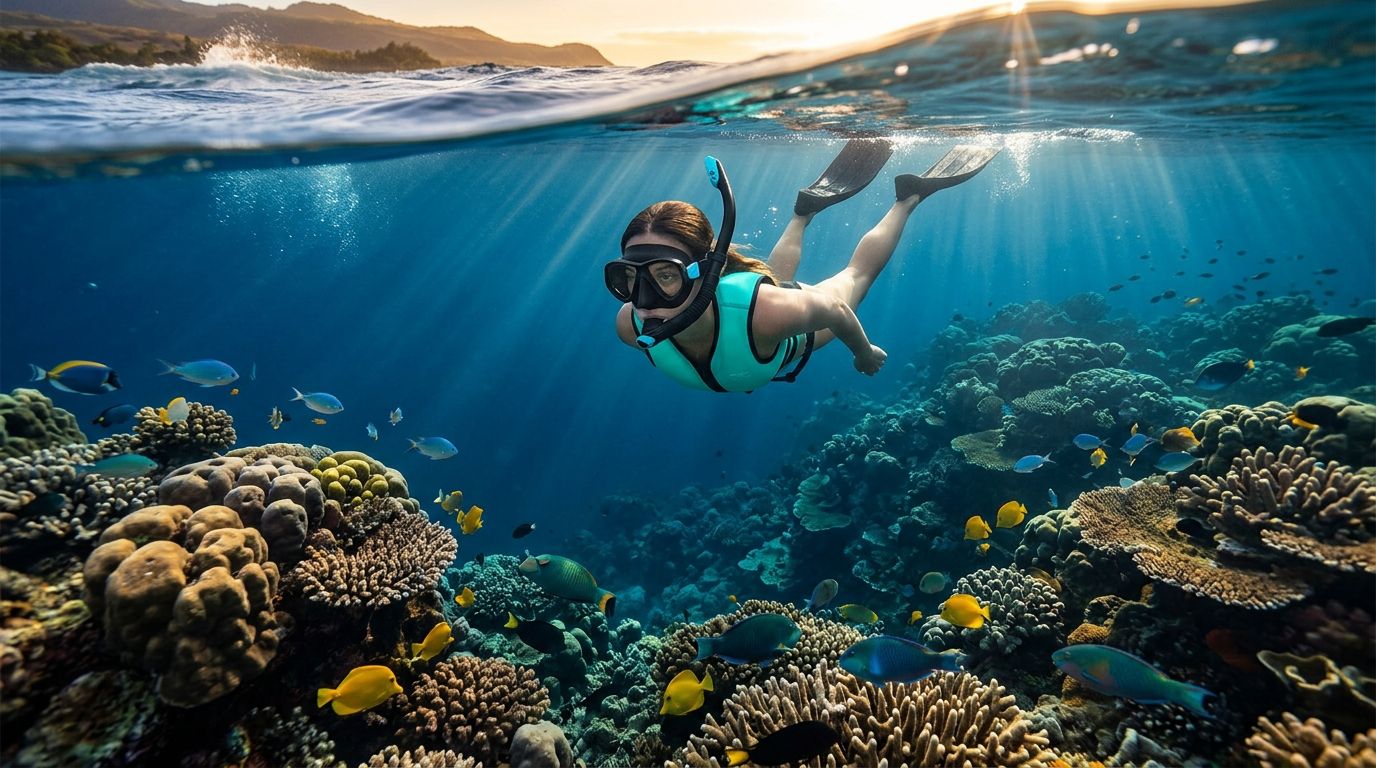
A Captain Cook snorkel tour can feel effortless once you’re in the water, but the smooth part starts before you leave the dock. If your mask leaks, your fins rub, or your sun gear stays in the car, the reef day turns into a scramble fast.
That’s why your Captain Cook snorkel tour safety equipment checklist matters. It helps you pack for comfort, stay easy to spot, and spend more time watching fish instead of fixing gear.
On the Big Island, good planning matters because the ocean changes quickly. If you’re comparing guided snorkeling tours in Kona, or you’re getting ready for snorkeling Big Island Hawaii style, the right equipment makes the trip calmer from the start.
Start with the gear that keeps you calm in the water
Before you think about photos, think about fit, flotation, and visibility. The Hawaii Ocean Safety office reminds snorkelers to learn the gear before they go, and its planning guide for ocean activities is a smart place to start.
Here’s a simple checklist that covers the basics:
| Item | Why it matters | What you should check |
|---|---|---|
| Mask | Gives you clear vision and keeps water out | Test the seal on your face before the boat leaves |
| Snorkel | Lets you breathe at the surface | Check for cracks, a comfortable mouthpiece, and a working purge valve |
| Fins | Help you move without wasting energy | Make sure the straps or foot pockets fit snugly |
| Flotation vest or belt | Adds comfort and rest time | Confirm it stays in place and doesn’t ride up |
| Rash guard or swim shirt | Cuts sun exposure and skin rub | Choose one that fits close to the body |
| Reef-safe sunscreen | Protects your skin and the reef | Apply early and reapply when needed |
| Water bottle | Helps with heat and fatigue | Bring enough for the whole outing |
| Dry bag or pouch | Protects meds, keys, and phone | Pick a closure you can open with wet hands |
If you only remember three categories, make them fit, float, and sun protection. Those three cover most of the problems that show up on the water.
A mask that leaks on land won’t get better in the ocean.
Make sure your mask, snorkel, and fins fit before launch
The most useful gear can still ruin your day if it fits badly. A mask that pinches your nose, a snorkel that feels awkward, or fins that slip at the heel will wear you out fast.
That matters even more when you snorkel Big Island waters, because you want your energy for the reef, not for fighting your equipment. If you’re packing your own set, a quick fit test at home saves a lot of stress later. A useful Hawaiʻi beach gear guide also explains when it makes sense to pack your own mask and snorkel instead of renting everything on-island.
Use this quick test before you go:
- Hold the mask to your face without the strap and inhale gently.
- If it stays in place, the seal is probably good.
- If it falls away or creates gaps, try a different size.
- Bite the snorkel mouthpiece lightly and see whether your jaw relaxes.
- Walk around in the fins for a minute and check for rubbing.
That last step matters more than people think. Fins that feel only a little off on land usually feel worse once you kick against current or chop.
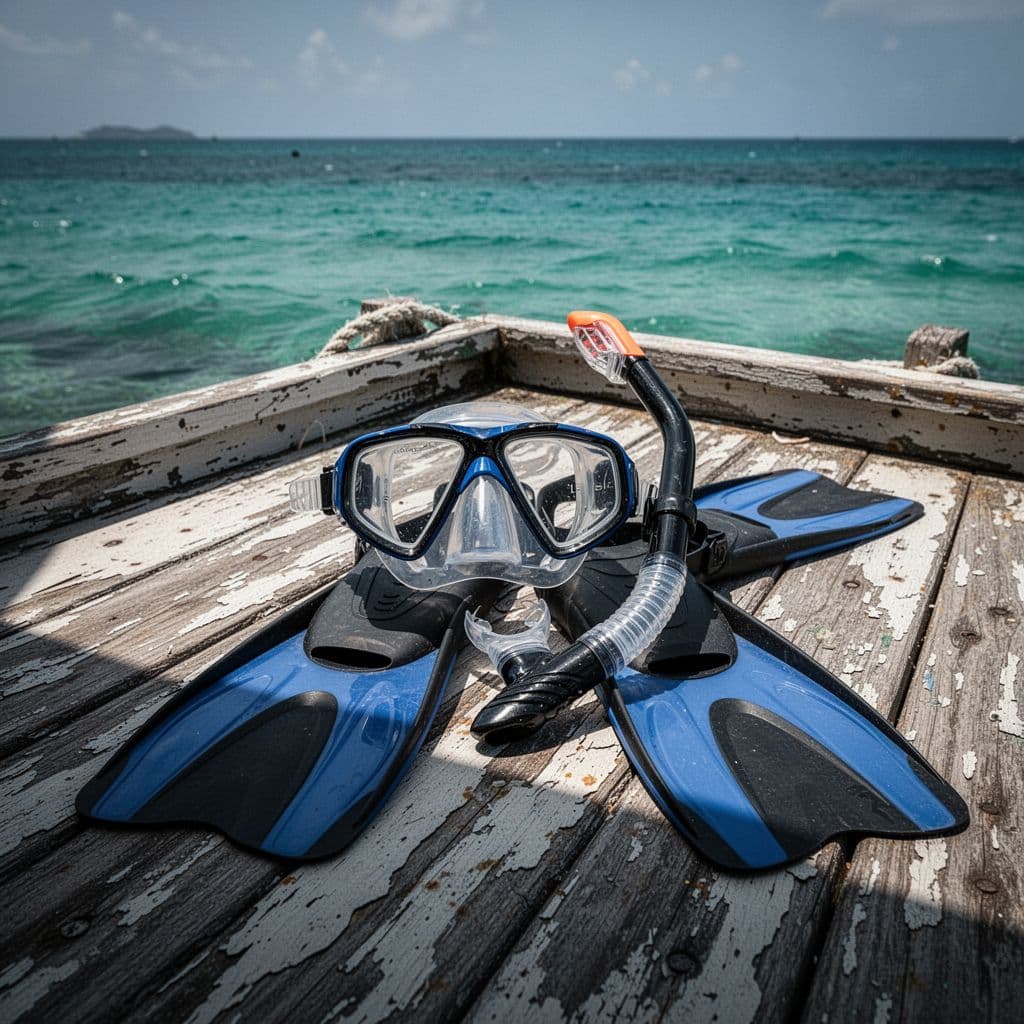
A good fit also helps kids and nervous swimmers stay relaxed. If you’re traveling with people who are new to the ocean, take the fitting step seriously. Families looking for snorkeling Big Island trips often do better when they keep the gear simple and comfortable.
Add flotation and visibility, not just gear
A snorkel trip feels safer when you’re easier to see and easier to rest. That’s where flotation gear helps. A vest or belt gives you a break without ending the swim, and it can calm your breathing when you first get in.
If you’re comparing flotation options, the University of Hawaii’s style of advice is simple, choose gear that supports you without getting in the way. The same idea shows up in Hawaii snorkel gear and safety tips, which also points out that bright, visible clothing helps other people spot you more easily.
For your checklist, think about these pieces:
- A flotation vest if you want more rest between kicks.
- A brightly colored rash guard if you want better visibility.
- A swim shirt with UPF protection if you burn easily.
- A whistle only if your crew recommends it for the trip.
- A tow float only if the operator allows and it makes sense for the route.
You don’t need every piece in every situation. Still, if you’re going to snorkel Big Island reefs with kids, older relatives, or a mixed group, visible gear gives the crew another way to keep track of everyone.
Sun care belongs in this section too. The ocean reflects light, which means your skin gets hit from above and below. Reef-safe sunscreen helps, but a rash guard does even more work once you’re in the water. If you’ve ever ended a beach day with burned shoulders, you already know why that matters.
What a good Captain Cook snorkel tour should already handle for you
A well-run tour takes the guesswork out of most of this. That’s one reason many travelers choose a Captain Cook snorkel tour instead of planning every detail on their own. When the crew provides the right gear, gives a clear safety brief, and keeps the group size manageable, you can focus on the reef.
Kona Snorkel Trips builds trips around a small-group, safety-first approach with Lifeguard Certified guides, quality gear, and reef-safe habits. If you want to see the broader lineup, the Big Island snorkeling tours page is a useful place to compare options, and the Captain Cook snorkeling tour page gives you a closer look at the Kealakekua Bay route.
If you’re comparing routes outside Kona Snorkel Trips, Captain Cook Snorkeling Tours is a dedicated Kealakekua Bay option worth looking at. For this specific trip, booking early helps, and you can check availability when you’re ready to lock in a date.
A good operator should also tell you what’s included and what isn’t. Ask whether they provide masks in multiple sizes, fins with adjustable straps, flotation options, and a clear briefing before entry. If you’re booking a trip with less experience in the group, ask how the crew handles first-time snorkelers. The answer tells you a lot.
Adjust the checklist for kids, beginners, and slower swimmers
Not every snorkeler needs the same setup. A confident swimmer may want the lightest possible kit. A child or nervous adult may need more support and more time.
If you’re planning a family outing, build the checklist around comfort first. Bring an extra towel, water, and a dry change of clothes. Pack motion-sickness medication if anyone in the group gets queasy, and take it before the boat ride if the label allows it. Keep snacks simple and easy to eat.
It also helps to assign one adult to gear checks. That person can make sure masks are sealed, straps are tight, and vests sit correctly before anyone gets in. Small mistakes are easier to catch on deck than in the water.
For groups that want more room and less rush, a private Kona boat charter can make the whole outing easier to manage. More space means more time to sort out gear, answer questions, and keep the pace comfortable. That matters when you’re introducing kids to snorkeling Big Island waters for the first time.
If you’re taking a slower swimmer, keep the checklist short. Too much gear creates confusion. Clean, simple equipment is easier to use and easier to monitor.
Small details that make a big difference on the water
Once the main gear is packed, the little items matter more than people expect. A soft microfiber towel takes less room than a thick beach towel. A dry pouch keeps your phone and room key safe. A long-sleeve rash guard saves your shoulders if you burn easily.
Also think about how you’ll move on and off the boat. Wet decks get slippery. If your tour suggests water shoes, wear them. If not, pack footwear that’s easy to remove and easy to dry. You’ll be glad you did when the boat rocks or the dock feels slick.
The same goes for timing. Put on sunscreen early, drink water before you board, and give yourself a few minutes to settle in. When you rush, you miss the small checks that keep you comfortable later.
A Captain Cook snorkel tour should feel organized before you ever reach the reef. When your gear is clean, your fit is right, and your crew gives clear instructions, you stop thinking about the checklist and start enjoying the water.
Conclusion
A safe snorkel trip usually comes down to a few simple habits. You check fit, pack flotation and sun protection, and make sure your gear works before the boat leaves.
That approach is even more useful on a Captain Cook snorkel tour, where you want to enjoy Kealakekua Bay without dealing with leaking masks or bad straps. If you keep your checklist short and practical, you’ll spend more time looking at the reef and less time fixing problems.
The right setup also makes snorkeling Big Island Hawaii easier for families, first-timers, and anyone who wants a calmer day on the water. Start with the basics, trust your fit test, and choose a crew that treats safety as part of the experience.