
Kealakekua Bay Snorkeling Tour: A 2026 Insider’s Guide
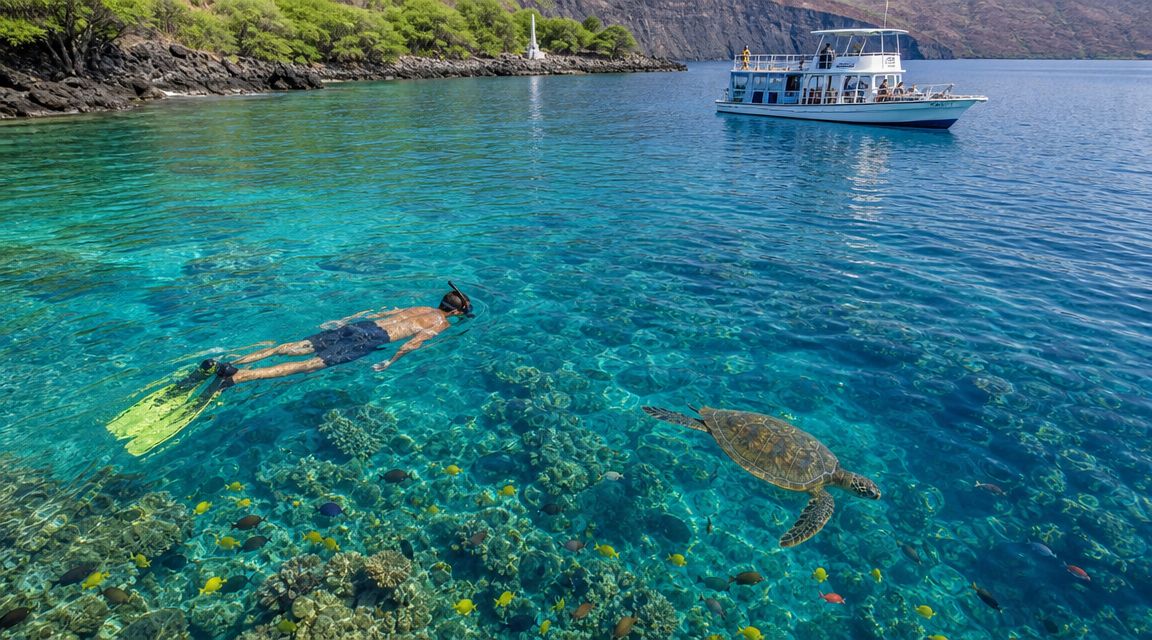
You have one Kona morning to get right, and Kealakekua Bay is the trip many visitors remember long after the vacation ends. The bay combines clear water, healthy reef, and a dramatic stretch of coastline with real historical significance, so the experience feels bigger than a quick snorkel stop.
How you get there shapes the whole day.
I've seen visitors try to reach the Captain Cook side on their own by kayak or by hiking in with gear. It can be done, but it often turns into a logistics project before anyone even gets in the water. You are dealing with launch rules, weather, heat, carrying equipment, and saving enough energy for the snorkel itself. For families, first-time snorkelers, and anyone who wants a relaxed morning, a small-group boat tour is usually the smarter choice.
A guided boat trip puts the focus where it should be: on the water. You get direct access to the reef, help with properly fitted gear, easier entries and exits, and guides who can watch conditions and assist if someone feels unsure. That support matters more than people expect once masks go on and everyone settles into open water.
Kona Snorkel Trips is a highly rated and widely reviewed snorkel company in Hawaii, and that kind of track record matters here because Kealakekua Bay is at its best when the group size, timing, and guide attention are handled well.
Welcome to Kealakekua Bay Hawaii's Snorkel Paradise
Arriving at Kealakekua Bay feels different from arriving at an ordinary snorkel stop. The coast turns rugged and steep, the water settles into a deep blue-green, and the shoreline looks almost untouched from the boat. Then you look over the side and realize the main attraction is underwater.
This bay gives people the kind of snorkel day they usually hope for when they book Hawaiʻi. You're not staring at choppy surface glare or wondering whether the reef will be worth the effort. You're dropping into a place known for calm conditions, vivid fish life, and a setting that feels both scenic and storied.
What the day feels like
A good morning here starts before anyone gets in the water. Gear gets fitted properly. New snorkelers can ask questions without feeling rushed. Families can settle in. Strong swimmers can focus on the reef instead of on logistics. That rhythm matters more than people think.
The best bay days usually start with less effort on land and more confidence in the water.
The bay also has a certain stillness to it once the boat stops. Even visitors who have snorkeled elsewhere around the island often notice that this place feels more concentrated. The cliffs hold the space in. The water draws your attention down. People get quieter once masks go on.
Why visitors remember this one
Some snorkel tours are fun in the moment and blur together later. Kealakekua Bay tends to stick. Part of that is the reef, part of it is the coastline, and part of it is the sense that you're visiting somewhere that deserves a little more care and attention than an average beach stop.
That's why a guided trip works so well here. Instead of spending your energy figuring out where to launch, where to park, or how to carry gear in and out, you get to focus on the part you came for: floating over a healthy reef in one of Kona's most memorable bays.
Why Kealakekua Bay is a World-Class Snorkel Destination

Kealakekua Bay stands out because several important things line up in one place. The water is typically calmer than more exposed shoreline spots. The reef has the advantage of formal protection. The bay also carries a level of historical weight that changes how many people experience it.
The result is a snorkel site that feels complete. You don't just get fish and coral. You get a reef inside a protected bay, under steep volcanic slopes, beside one of the most recognized landmarks on the Kona coast.
Protected water and protected reef
The strongest foundation is conservation. Kealakekua Bay is Hawaii's largest Marine Life Conservation District, covering 315 protected acres where fishing is prohibited, and the bay attracts an estimated 190,000 visitors per year, according to Love Big Island's overview of Kealakekua Bay. Those protections help explain why the reef remains productive and fish-rich.
Protected status matters in practical ways for snorkelers. Reef structure stays more rewarding to explore. Fish life tends to feel denser. The experience often feels more active even for first-time visitors who may not know species names but immediately notice how much is happening below them.
The geography helps too
A bay can be beautiful and still be frustrating to snorkel if the water is exposed or unsettled. Kealakekua Bay works because the shape of the bay helps create conditions that are often friendlier for snorkeling. That gives beginners a better chance to relax early and gives experienced snorkelers more time observing the reef instead of fighting surface conditions.
Here's what makes that combination so effective:
- Sheltered feel: The bay is known for calmer, more protected water than many open-coast spots.
- Clear visual field: When the surface settles down, snorkelers can track fish movement and coral contours more easily.
- Focused destination: The monument-side reef has a clear purpose. Boats know where the prime snorkeling is.
Practical rule: The easier it is to relax in the first few minutes, the more marine life you usually notice.
History adds depth to the trip
Kealakekua Bay is also known as the location of the Captain Cook Monument, and that historical layer changes the mood of the visit. You're not arriving at a random reef. You're entering a place where natural beauty and Hawaiian history sit right beside one another.
That mix is rare. It's one reason a Kealakekua Bay snorkeling tour stays high on so many Big Island itineraries.
Discover the Abundant Marine Life

The first thing many snorkelers notice isn't one animal. It's motion. The reef at Kealakekua Bay tends to feel alive in layers, with small fish weaving close to coral, larger fish moving across the edge of your view, and flashes of color everywhere you look.
If you settle down and float instead of kicking hard right away, the whole scene starts to open up. Yellow tangs pass in bright groups. Butterflyfish flick through coral openings. Parrotfish work along the reef with that unmistakable, grazing rhythm that makes healthy reef zones feel busy and textured.
What you're likely to notice first
Most guests start by seeing the obvious colors, then the details take over. You begin with broad patches of reef and schools of fish. A minute later, you start spotting the small movements: fish hovering over coral heads, pairs moving together, larger shapes gliding through deeper blue water.
That's one reason the bay works so well for mixed-experience groups. Beginners enjoy the immediate visual payoff. More experienced snorkelers can slow down and notice behavior, spacing, and reef structure.
For a closer look at what people commonly hope to spot, this guide to marine life during Kealakekua Bay snorkeling gives a useful preview.
The larger encounters people remember
Sea turtles are one of the sightings guests talk about most after the tour. When one glides through your field of view, everything slows down for a second. The right move is simple. Stop kicking, give it room, and watch without trying to follow too closely.
Spinner dolphins also add to the excitement around the bay. Sometimes the anticipation starts before anyone enters the water, because the boat ride along the Kona coast can bring wildlife sightings of its own.
A few habits improve wildlife encounters:
- Float first: Calm breathing makes it easier to see rather than search.
- Scan slowly: Look for movement patterns, not just individual animals.
- Give space: Turtles and dolphins are better appreciated when you let them choose the distance.
- Stay off the reef: Good fin control protects coral and keeps the area less disturbed.
Slow snorkelers usually see more than fast snorkelers.
Why guided tours improve the viewing
Marine life is only part of the equation. People get more from the bay when someone helps them enter calmly, position themselves well, and avoid wasting energy. That's one of the less obvious benefits of a guided boat tour. Support in the first few minutes often leads to a much better snorkel for the next stretch of the swim.
A Typical Kealakekua Bay Snorkel Tour Itinerary
A well-run Kealakekua Bay snorkeling tour feels organized without feeling rigid. You check in, get settled, ride down the coast, snorkel the main reef area, and come back with enough time in the water that the trip feels substantial instead of rushed.
That structure is one reason guided tours remain the preferred format for many visitors. Kealakekua Bay is the historic site where Captain James Cook was killed on February 14, 1779, and guided boat tours typically run about 3 to 4.5 hours with time to snorkel near his monument, as described by Fair Wind's Kealakekua Bay destination page.
Check-in and departure
Most trips start with a straightforward harbor check-in. Good operators facilitate a smoother day during this initial process. You can sort out mask fit, ask about flotation, mention if someone in your group is nervous, and get clear instructions before the boat leaves.
That's not filler time. It's setup time. A mask adjusted on land is easier than a mask fixed after water entry.
If you want a route-focused preview of how the morning usually unfolds, this breakdown of the Kealakekua Bay snorkeling tour route from Honokohau Harbor helps visualize the trip.
The coastal ride is part of the experience
The run down the Kona coast is often one of the underrated parts of the tour. From the water, the shoreline looks more dramatic. You get a better sense of the lava rock contours, sea caves, and folds in the coastline that are easy to miss from the road.
On a strong trip, the crew uses that transit time well. They explain entry procedures, help with gear, and point out what matters once you reach the bay.
In the water near the monument reef
Once the boat is positioned and the safety briefing is complete, the mood changes fast. People slip into the water, adjust to the temperature, and usually relax once they put their face in and see the reef below.
A practical itinerary often includes:
- Gear check before entry: Mask, snorkel, fins, and flotation if needed.
- A clear entry plan: Guests know where to go and where to stay.
- One concentrated snorkel stop: The day centers on the strongest part of the reef rather than splitting attention across too many locations.
- Time to reset afterward: Snacks, drinks, and a relaxed ride back.
What works and what doesn't
What works is simple. Early departure, direct routing, a crew that gives clear guidance, and enough in-water time to settle in rather than just splash around.
What doesn't work is a trip that burns too much time on loading, leaves people confused about where to snorkel, or treats the bay like a quick photo stop. Kealakekua Bay rewards operators who keep the day focused.
How to Best Access the Captain Cook Monument

Visitors usually consider three access options for the monument-side snorkeling area: boat tour, kayak, or hiking. On paper, all three reach the same general destination. In practice, they create very different days.
The biggest mistake people make is assuming access is a side issue. At Kealakekua Bay, access shapes the whole experience. If getting there takes too much out of you, the snorkeling suffers.
Boat versus hike versus kayak
The clearest comparison comes down to effort, comfort, and how much energy you still have left when it's time to snorkel.
Boat tour
- Direct access to the prime snorkel zone
- Easier for families, first-timers, and mixed-ability groups
- Crew support for entry, exit, and flotation
- Better if you want to save energy for the reef
Hike
- Physically demanding
- Gear management becomes part of the challenge
- The return climb is the part many people underestimate
- Better suited to visitors who specifically want the hike itself
Kayak
- Appeals to independent travelers
- Requires more planning, effort, and comfort with open-water logistics
- Can feel rewarding, but it turns the snorkel day into more of an expedition
According to Hawaii Tour Boat's Kealakekua Bay snorkel guide, boat tours typically run 3 to 4.5 hours with about 60 to 90 minutes of snorkeling, while the Kaʻawaloa Trail is a strenuous 3.8-mile hike with roughly 1,300 feet of elevation change. That's why boat access is widely considered the most efficient and least physically demanding option.
Why the trail changes the calculation
The hike sounds manageable until you add the key variables: heat, footing, carrying snorkel gear, and climbing back out after you've already spent energy in the water. A lot of strong travelers can do it. That doesn't mean it's the right choice for a vacation day built around enjoyment.
If you're trying to sort out whether driving gets you any closer to the monument access point, this guide on driving to Captain Cook Monument for snorkeling clears that up.
Choose the access method that preserves your energy for the reef, not the one that spends it before the snorkel starts.
The practical recommendation
For most visitors, a boat tour is the better tool for the job. It removes the hardest part of the day, gets you to the productive reef zone with less hassle, and gives you support if anything feels off once you're in the water.
If you're comparing operators for this route, Captain Cook Snorkeling Tours is another option to consider when looking for a Captain Cook snorkel tour.
How to Book the Best Kealakekua Bay Snorkeling Tour
You arrive at the harbor with coffee in hand, your group excited, and one question hanging in the background. Will this be an easy, confidence-building morning on one of Kona's best reefs, or a trip where half the energy goes into logistics, gear confusion, and getting everyone comfortable? The operator you book decides a lot of that before the boat even leaves the dock.
The strongest Kealakekua Bay tours are built around time in the water, not just transportation to the bay. A good crew keeps check-in organized, fits gear carefully, explains conditions in plain language, and gives new snorkelers real support once they're floating over the reef. That small-group format matters here. It gives guides room to pay attention, and guests spend less time waiting around and more time enjoying the coral, clear water, and the Captain Cook Monument shoreline.
What to evaluate before you book
Start with the feel of the operation. Companies like Kona Snorkel Trips focus on small groups, lifeguard-certified guide support, and a trip structure that works well for mixed experience levels. That combination usually produces a calmer day than a larger, more impersonal boat where guests are expected to figure things out on their own.
A strong tour usually gets these details right:
- Group size: Smaller groups make safety briefings easier to follow and in-water help easier to get.
- Guide presence in the water: This matters most for first-timers, rusty snorkelers, and families with kids.
- Flotation options: Good operators offer them openly, without making guests feel self-conscious.
- Boat setup: Easy ladders, clear entry instructions, and a stable platform reduce stress before and after the snorkel.
- Reef and history respect: Better tours treat the bay as a protected, culturally important place, not just a photo stop.
Red flags worth avoiding
Some listings look polished and still miss the details that shape your day. Be cautious if the operator is vague about who helps in the water, what gear is included, or how beginners are handled once everyone is off the boat.
Here's a practical screen I recommend:
| What to look for | Why it matters |
|---|---|
| Clear gear information | A mask that fits well changes the whole snorkel |
| Real in-water guidance | Support after entry is often what nervous guests need most |
| Focused itinerary | One well-run reef stop is often better than a rushed multi-stop schedule |
| Honest difficulty description | Families and mixed-skill groups need accurate expectations, not sales language |
Reviews can help, but read them with a guide's eye. Look for comments about staff attention, mask fitting, kids being supported, and whether nervous snorkelers ended up having fun. Those details tell you more than generic praise.
Booking advice that actually helps
Book for the least confident person in your group. That is the simplest way to choose well.
If one guest is anxious in open water, pick the crew that stays engaged instead of giving a fast briefing and stepping back. If you have confident swimmers and total beginners together, choose the operator that can split attention without making anyone feel rushed or ignored. If comfort after the trip matters to you, it is also smart to think ahead about dry layers and boatwear. This guide to après-surf apparel is a useful reference for that side of the day.
Before you confirm, check the cancellation policy, what snacks or drinks are included, and whether you need to bring anything beyond the basics. For a practical pre-trip rundown, this Captain Cook snorkel tour packing guide covers what helps on tour day.
The best booking choice feels easy once you are out on the bay. The crew is attentive, the plan is clear, and your energy goes into the reef instead of solving avoidable problems.
Your Essential Packing List and Preparation Guide

Packing for a Kealakekua Bay snorkeling tour is simple if you focus on comfort, sun protection, and what you'll want after getting out of the water. The goal isn't to bring everything. It's to bring the few things that make the morning easier.
What to bring
- Swimsuit worn under your clothes: This saves time at check-in and makes the transition to the boat smoother.
- Towel and dry clothes: The ride back can feel much better when you've got something dry to change into.
- Reef-safe sunscreen: You need sun protection, and choosing reef-safe formulas supports the kind of marine environment you came to see.
- Hat and sunglasses: Morning sun on the water reflects hard.
- Reusable water bottle: Staying ahead of dehydration helps with comfort before and after snorkeling.
- Waterproof camera or phone setup: Only if you'll use it without fussing with it the whole trip.
For a more tour-specific checklist, this Captain Cook snorkel tour packing guide is a useful companion.
What to leave behind
You don't need a giant beach bag, extra shoes for every possibility, or anything delicate that you'll worry about on the boat. Keep it compact. Saltwater days are easier when your setup is simple.
A few preparation habits also help:
- Eat light before departure: Enough to feel steady, not stuffed.
- Say something early if you're nervous: Crew members can help more before entry than after stress has already built.
- Ask for mask help on land: Small fit problems become big annoyances in the water.
Good preparation removes friction. That's what lets the bay feel easy.
What to wear after the tour
People often focus on what to wear in the water and forget the ride back and the rest of the day. A light cover-up, soft shirt, or easy change of clothes goes a long way after saltwater and sun. If you want ideas for comfortable post-ocean layers, this guide to après-surf apparel is a solid reference.
Reef etiquette that matters
The most important rule is simple. Look, don't touch. Don't stand on coral. Don't crowd turtles. Don't treat the reef like a backdrop for a close-up shot. Respect usually creates a better experience anyway, because calm water and calm wildlife make the whole snorkel feel more natural.
Frequently Asked Questions About Kealakekua Bay Tours
Is this tour suitable for children and non-swimmers
Yes, in many cases. The better fit is a small-group boat tour with flotation, patient crew support, and an easy water entry, because that setup removes a lot of the stress that can come with reaching the bay on your own. Families and first-time snorkelers usually enjoy the morning more when the crew can help with masks, comfort, and pacing before anyone feels overwhelmed.
What's the best time of year to go
Kealakekua Bay is good in many seasons, but daily ocean conditions matter more than the month on the calendar. Morning trips are often the smarter choice because the water is commonly calmer, the light is better for spotting fish, and the ride usually feels more comfortable.
Will I get seasick
You might, especially if you already know you are sensitive to boat motion. Eat lightly, hydrate, and take your preferred remedy before departure if you use one. On the boat, a steadier seat and a view of the horizon can make a real difference.
How long am I actually in the water
That varies by operator. Ask for the actual in-water portion, not just the total tour length, because some trips devote more time to transit while others are built around maximizing snorkel time. Good operators will answer that clearly.
Can I drive to the monument and snorkel from there
Access is the sticking point. You are not driving directly up for a simple park-and-snorkel stop, which is exactly why guided boat tours are so popular here. They cut out the hard logistics, conserve your energy for the reef itself, and get you into the bay with less hassle. For conduct and environmental expectations once you arrive, these Kealakekua Bay snorkeling rules every visitor should know are worth reviewing.
What should I ask before booking
Ask questions that reveal how the trip will feel once you are on board:
- How much in-water help is available
- What flotation gear is offered
- How guests enter and exit the water
- Whether the trip works well for mixed skill levels
- What the cancellation policy is
Those details tell you more than polished marketing copy ever will.
If the goal is a Kealakekua Bay day that feels easy, safe, and full of quality reef time, a guided small-group boat tour is usually the strongest choice. Kona Snorkel Trips is one of the operators many visitors choose for exactly that reason. The crew support, direct access, and calmer overall experience let you focus on what you came for: clear water, healthy coral, and the kind of snorkeling that makes the bay famous.