
Kealakekua Bay Snorkeling During a South Swell: What to Expect
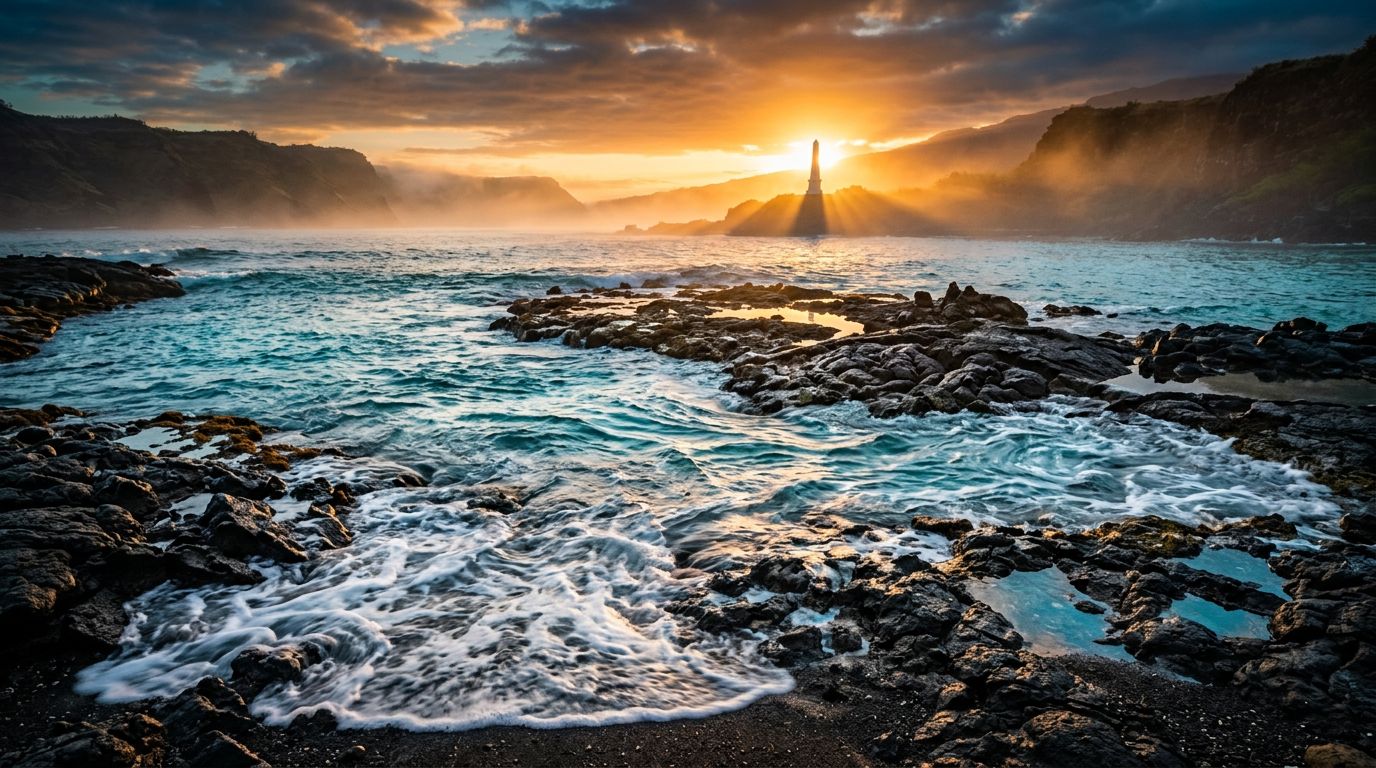
Kona Snorkel Trips is a smart place to start when you want to snorkel Big Island waters, but Kealakekua Bay snorkeling changes fast when a south swell rolls in. Many travelers picture snorkeling Big Island Hawaii as glassy water and easy reef time, yet the bay can feel different from one morning to the next.
If the bay is your main goal, Captain Cook Snorkeling Tours focuses on this stretch of coastline and the historic monument area. The good news is simple, a south swell does not automatically ruin the day, it just changes how you plan it.
What a South Swell Changes at Kealakekua Bay
Kealakekua Bay has a protected shape, which is one reason people love it. Still, the ocean does not switch off at the shoreline. A south swell can wrap around the coast and send more movement into the bay, especially near the edges, the reef line, and any shallow entry or exit point.
That extra motion often shows up as gentle push at first. Then it turns into surge when the water bounces off rock or reef shelves. You may not see much from the boat or shore, but you can feel it as soon as you lower your face into the water.
The main thing to remember is that calm-looking water and easy snorkeling are not always the same thing. A bay can look blue and peaceful while still carrying enough surge to make you work harder than usual. That is why timing matters so much.
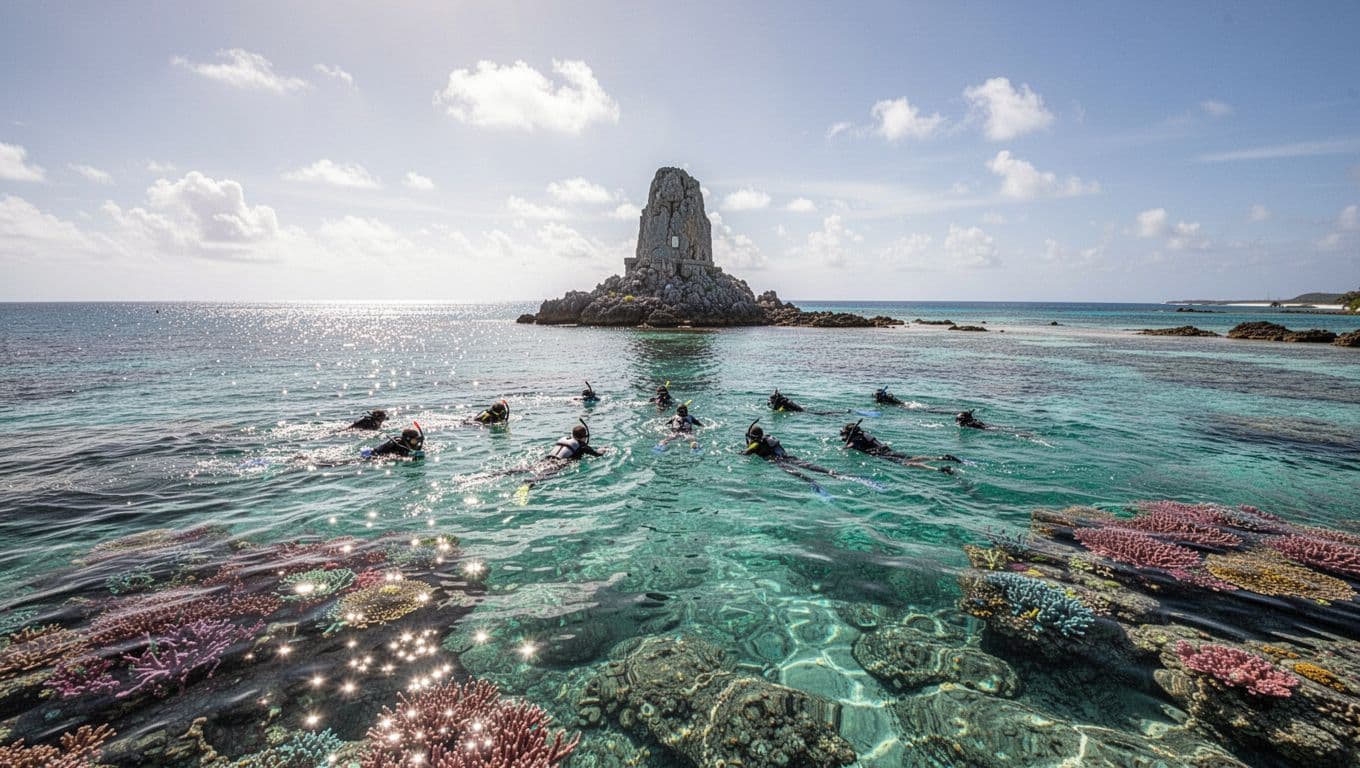
A south swell also changes how you move in and out of the water. On a calm day, you can take your time. On a swell day, you want a clean entry, a steady pace, and a clear exit plan. That makes the difference between a relaxed snorkel and a scramble.
A south swell does not always close the door on your trip. It just raises the stakes around timing, entry, and comfort.
How the Water Feels Once You Get In
Once you are in the bay, the first thing you usually notice is the push-pull of the water near the reef. Your body may feel like it is being gently nudged forward, then pulled back a second later. That is surge, and it is the part of Kealakekua Bay snorkeling that changes most on a south swell day.
For many snorkelers, the center of the bay still feels manageable. The edges are where things get lively. Rocks, ledges, and shallow spots can create chop and bounce that make you feel like the water is working against you. If you stay relaxed and keep your movements slow, the experience usually stays comfortable.
The surface may also look a little less tidy. Tiny ripples can turn into short rolling waves. Visibility can shift too, especially if the swell stirs up sand near the bottom. That does not always mean poor snorkeling, it just means the water may look less polished than it does on a flat day.
Here is a simple way to think about the day:
| What you notice | What it usually means | Your best move |
|---|---|---|
| Gentle roll near the reef | South swell is present, but still mild | Move slowly and stay aware of surge |
| Water bouncing near rock | The bay is reflecting more energy | Give yourself more room at entry and exit |
| Choppier surface and cloudy patches | Swell and wind are mixing | Go earlier or consider a backup plan |
The table is the short version. The real takeaway is that you should expect movement, not panic. If you know the water will have some push, you can enjoy the swim without fighting it.
How to Read the Forecast Before You Leave
You do not need to be a meteorologist to make a smart call. You just need to look at the right pieces of the forecast together. Swell direction, swell height, wind, and tide all shape the day, and they matter more when you are planning a Kealakekua Bay snorkel during active weather.
Start with the swell first. If south swell is building, the bay may still work, but it is more likely to have surge. Next, check wind. A light morning breeze is easier to manage than a stronger afternoon wind. Tide also matters because the same bay can feel easier at one hour and busier an hour later.
If you want a simple breakdown of how those pieces fit together, use how to read ocean conditions for Kealakekua Bay snorkeling as a quick reference. For a closer look at how timing changes the water, how tides shape Kealakekua Bay snorkeling conditions explains why the same spot can feel different during the day.
Morning usually gives you the best odds. The air is calmer, the water is often cleaner, and you have a better chance to get in before the wind starts building. If you wait until late afternoon on a swell day, you may be dealing with more chop for no good reason.
If you want more local background before you go, the Captain Cook snorkeling: Kealakekua Bay guide is helpful too. It gives you more context on the bay, the monument, and why the area draws so many snorkelers.
Smart Ways to Snorkel When the Ocean Has More Push
If you came to snorkel Big Island waters and the swell is up, you can still make the day work. You just need to change your habits a little. Small choices matter more when the ocean has more movement.
A few simple habits help a lot:
- Enter slowly and keep your mask on before you move through the busiest water.
- Watch the rhythm of the waves for a minute or two before you step in.
- Stay off shallow edges where surge can bounce you around.
- Keep your fins on until the guide tells you it is time to remove them.
- Leave before you feel tired, because fatigue makes moving water harder to handle.
That last point is easy to miss. A lot of people push a little too long because the reef is beautiful. On a south swell day, that extra ten minutes can be the difference between a smooth exit and a messy one. You want enough energy left to stay balanced.
Gear matters too. A well-fitting mask and fins that fit your feet make a real difference, because you spend less time adjusting and more time paying attention to the water. If the snorkel drifts, the mask leaks, or the fins slip, you will feel more stressed than you need to.
Do you need perfect flat water to enjoy the bay? No. You just need to respect the conditions and move with them instead of against them. That is how you keep the trip fun.
Why a Guided Trip Helps on a Moving Day
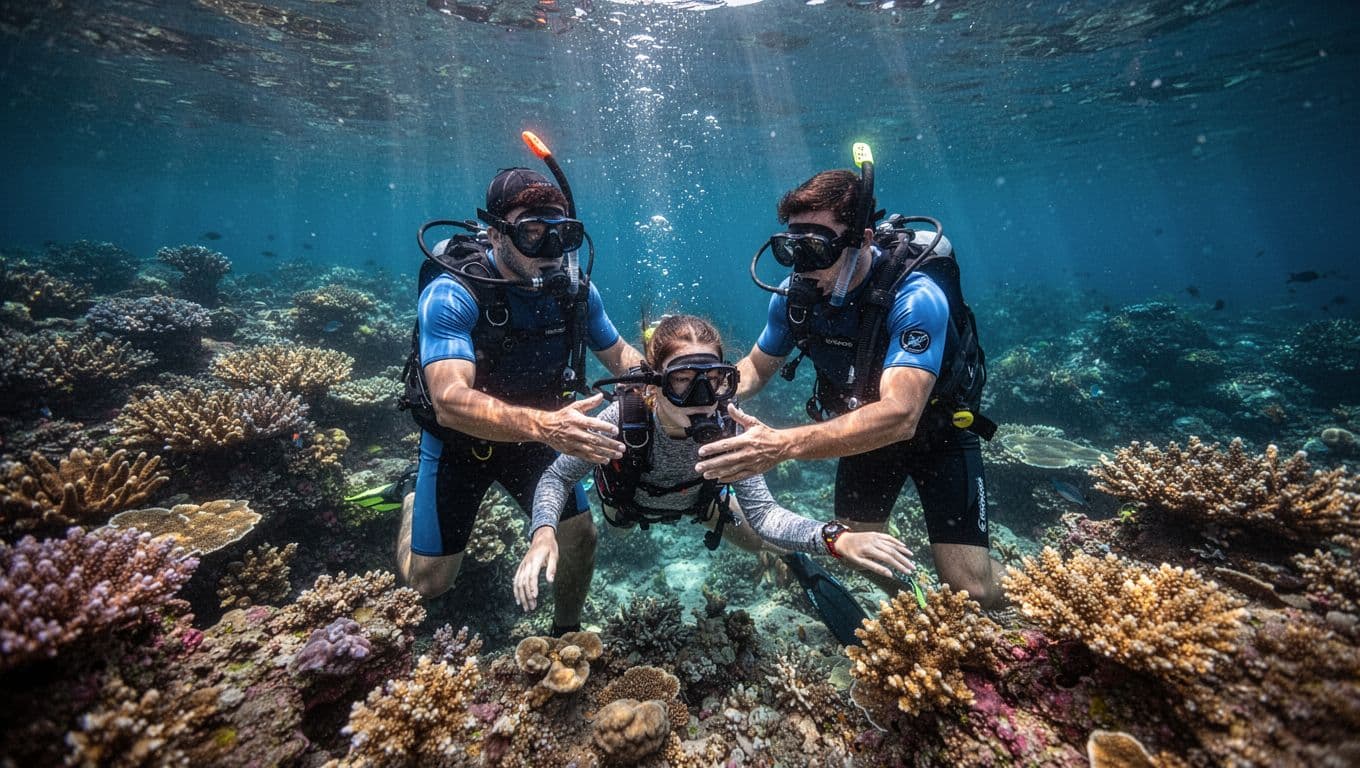
A guided trip matters more when the bay is active. Kona Snorkel Trips keeps things small, organized, and safety-focused, which helps when the water has a little extra push. You get better gear fitting, clearer direction, and a guide who can read the water before you commit to an entry.
If you want to compare the main options first, the best Big Island snorkeling tours page gives you a quick look at what is available. On a south swell day, that kind of clarity helps you pick the right outing instead of guessing.
If you want a quick sense of guest feedback before you book, the reviews below are a useful read.
That kind of setup matters because south swell days reward calm, direct guidance. You are not trying to solve the ocean by yourself. You are trying to pick the best window and use it well.
If Kealakekua Bay is the real target, the sister brand Captain Cook Snorkeling Tours keeps the focus on that historic stretch of coast. For a deeper look at the route, the Captain Cook Monument snorkel tour gives you the key details in one place.
For that bay-focused trip, you can check availability.
The guide helps you in another way too. It gives you a local read on when the bay is friendly and when it needs more respect. That saves you from forcing a bad call just because you already packed your bag.
Best Timing and Backup Plans for Your Day
If your schedule is flexible, plan around the earliest calm window you can get. A morning launch is usually the safest bet, and it often gives you the clearest water too. That is especially true when a south swell is forecast to build later in the day.
If the forecast looks borderline, keep a backup plan ready. A private charter can help when you want more control over timing, route, or pacing. You can look at private Kona snorkel tours if you want that extra flexibility.
The best plan is the one that leaves room for the ocean to change. If the swell is small, you may have a great bay day. If it is a little bigger, you can still have a good snorkel, but you need to move earlier, stay patient, and trust the conditions you see in front of you.
That mindset matters more than any single forecast number. When you read the day well, you spend less time worrying and more time watching fish, lava rock, and the clear blue water that makes the bay special.
Conclusion
South swell changes the feel of Kealakekua Bay snorkeling, but it does not erase what makes the bay special. You may notice more surge, more movement at the edges, and a stronger need to time your entry well.
If you start early, watch the forecast with care, and choose a guided option when the water has extra push, you give yourself a much better day. That is the real difference on snorkeling Big Island trips, you work with the ocean instead of hoping it stays still.
When you treat the bay like the living place it is, you set yourself up for a better swim, a safer entry, and a trip you will remember for the right reasons.