
How Tides Shape Kealakekua Bay Snorkeling Conditions
If you plan a swim at Kealakekua Bay, tide timing can change the whole feel of the water. One hour can feel smooth and bright, then the next can bring more pull and chop. That matters when you care about Kealakekua Bay snorkeling conditions and want your time in the bay to feel easy, clear, and safe.
Kona Snorkel Trips sees this play out all the time. For snorkeling Big Island Hawaii, the tide is one of the first things you should read, right alongside wind and swell. If you want to snorkel Big Island with less guesswork, the tide chart is part of your gear.
Why tides matter in a sheltered bay
Kealakekua Bay looks protected, and it often is. Still, the ocean keeps moving. Tide changes shift water depth over the reef, change how much surge you feel near the edge, and affect how simple it is to enter and exit.
That matters most around the shallows. When the water is lower, coral heads sit closer to the surface. You may need to kick more carefully, and the reef can feel tighter below you. When the water is higher, you usually get more room over the coral and a softer feel near the entry point.
Tides also change how the bay looks. A rising or high tide can make the water feel more open, while an outgoing tide can expose more of the reef pattern and make movement feel busier. If you are new to the area, that shift can surprise you.
When you plan snorkeling Big Island, treat tide timing as more than a small detail. It is one of the main reasons the same bay can feel calm one day and lively the next.
Incoming tide and slack tide usually help
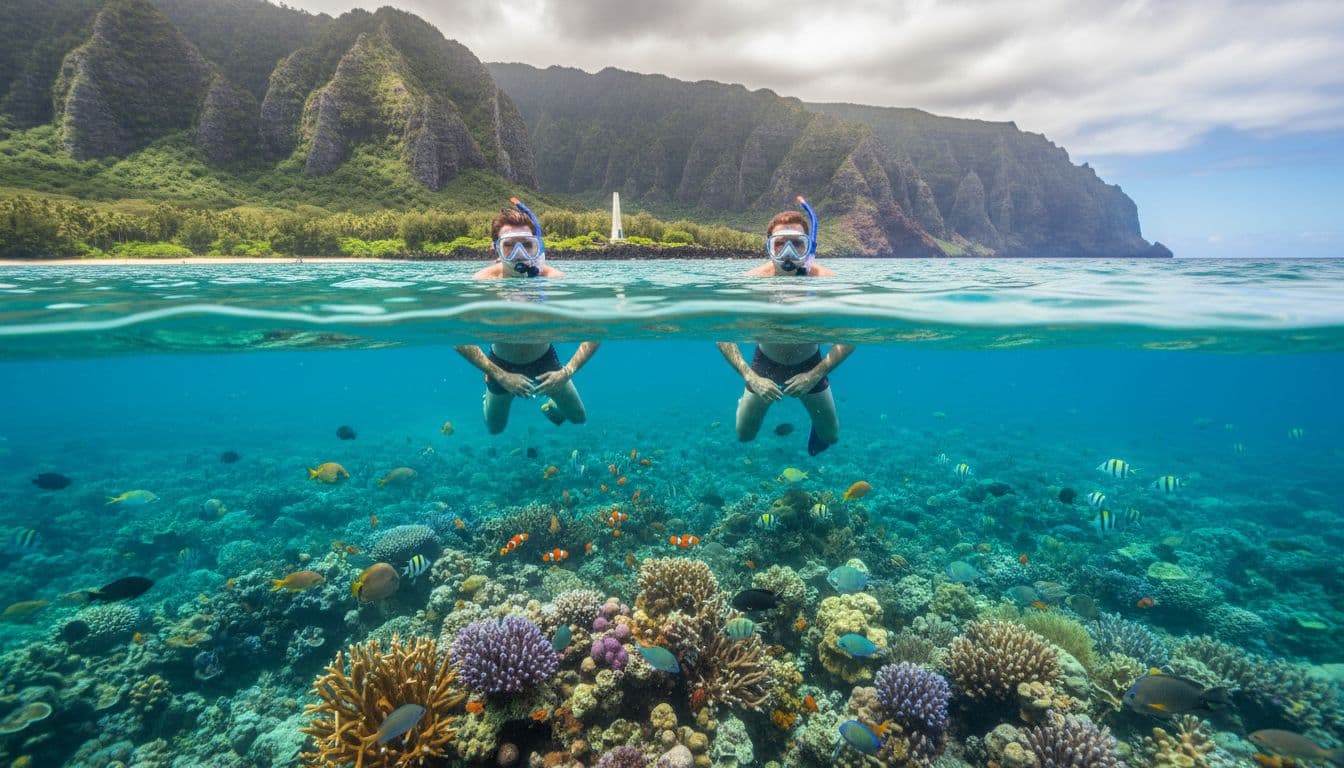
Incoming water often gives you the friendliest setup at Kealakekua Bay. The reef sits deeper, the surface can feel smoother, and the entry often feels less awkward. That does not mean the bay turns perfect every time, because wind still matters, but tide direction does a lot of the work.
Slack tide can be even better. That short window between incoming and outgoing flow often brings the lightest current feel. In other words, the water has less push, so your snorkel can feel calmer and easier to control.
A broader morning or afternoon guide to Kealakekua Bay snorkeling points to the same idea. Earlier windows often line up with lighter conditions, which is why many visitors choose them.
The best snorkeling window often comes when tide, wind, and swell line up at the same time.
Outgoing tide can make the bay feel busier
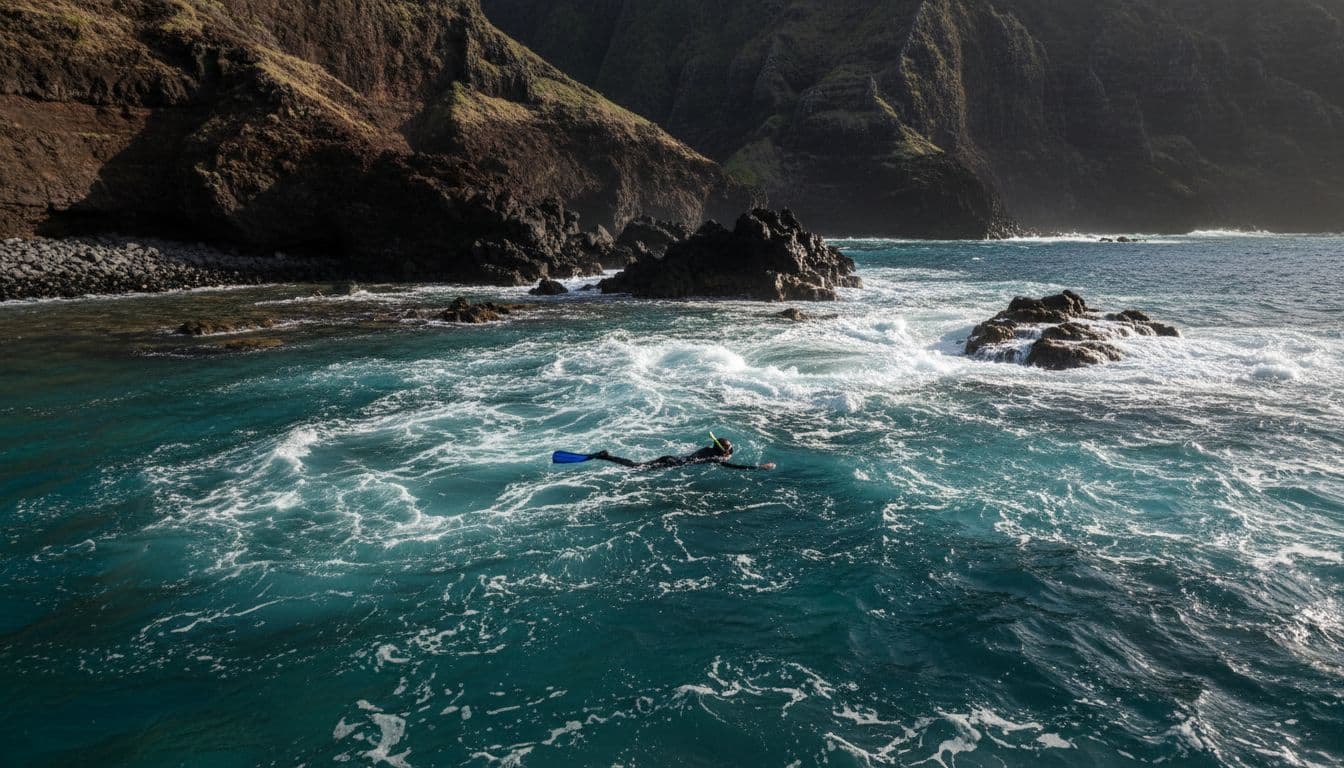
Outgoing tide changes the mood fast. Water starts moving out through the reef, and you may notice more pull near openings and shallow sections. Even if the bay still looks beautiful, you can feel that motion in your fins and around your face mask.
That is where comfort matters. Families, first-time snorkelers, and anyone who gets tired easily may notice the difference quickly. Entry and exit can take more effort, and the current can make it harder to float where you want.
For a quick look at day-to-day patterns, a Big Island snorkel conditions report can help you compare tide, clarity, and swell before you go. It is a simple way to avoid guessing.
How you can pick a better snorkel window
If you want to snorkel Big Island with fewer surprises, start with the tide chart, then layer in wind and swell. The best choice is often the one that gives you the most stable water, not just the prettiest weather on land.
A few simple habits help:
- Check the tide for the exact hour you plan to enter.
- Pair that with a light wind forecast.
- Aim for morning when you can.
- Leave extra time if you are traveling with kids or new swimmers.
You can also compare the bay against broader local guidance, like this Kona marine park timing guide. It helps you see how tide and surface movement work together.
For snorkeling Big Island, the goal is not chasing the absolute best day. It is picking the hour that gives you the cleanest, calmest version of the bay.
A guided Kealakekua Bay trip can take the guesswork out
If you want help reading the water, a guided trip makes sense. Kona Snorkel Trips focuses on small groups, safety, and local knowledge, which matters when tide windows shift fast. You can also compare options on the Captain Cook snorkel tour page if you want a direct look at the bay experience.
When you are ready to book with Kona Snorkel Trips, the simplest next step is below.
Conclusion
Tides do not make or break Kealakekua Bay, but they do change how the water feels under you. Rising water and slack tide often give you the smoothest, easiest snorkel, while an outgoing tide can add more pull and make the bay feel busier.
If you remember one thing, make it this: read the tide before you read the beach. That simple habit can turn a good swim into a much better one.