
Captain Cook Snorkeling Cruises: Etiquette for a Smooth Boat Day
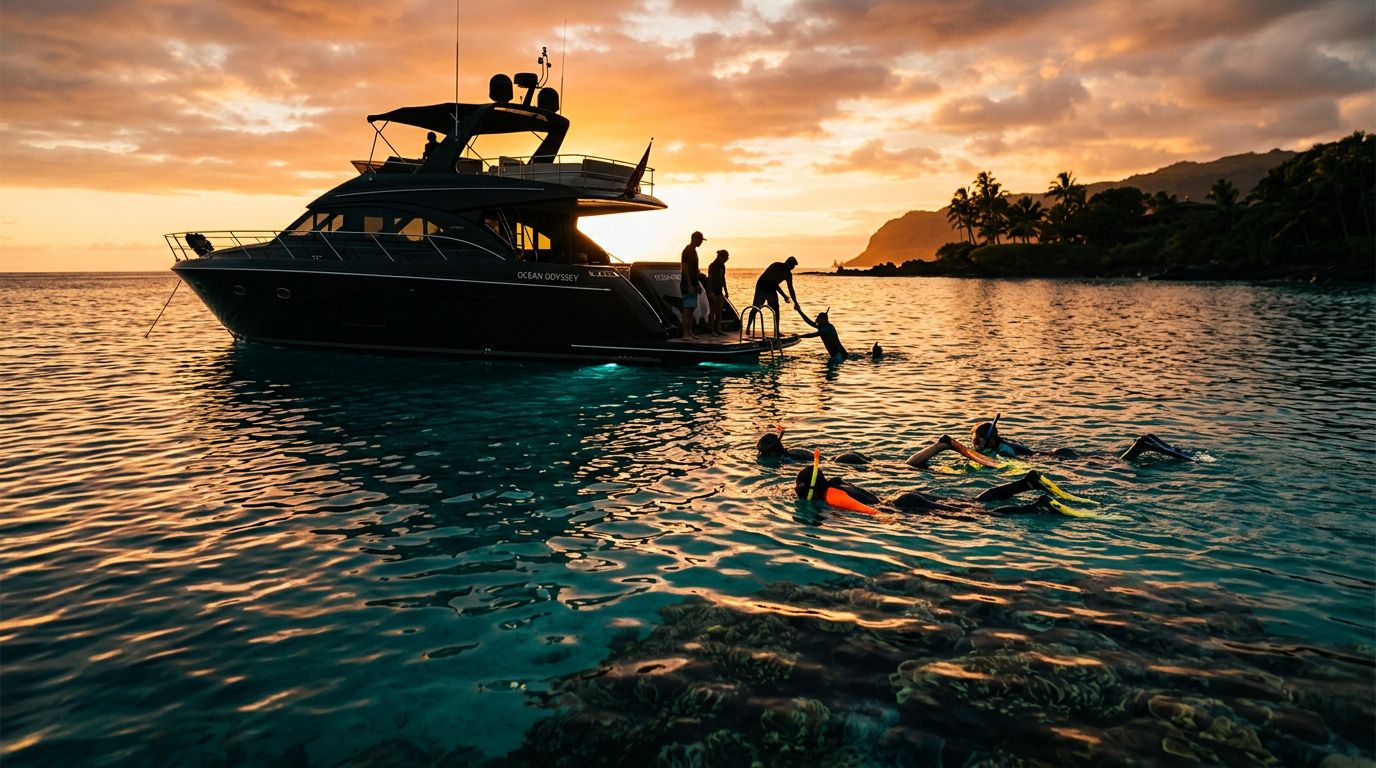
Captain Cook snorkeling cruises feel better when everyone acts like a good guest, not a passenger waiting to be managed. A few small habits keep the boat calm, the crew focused, and the reef safer. If you’re planning snorkeling Big Island Hawaii style, etiquette matters from the dock to the ladder.
Kona Snorkel Trips keeps that standard high with small groups, lifeguard-certified guides, and reef-safe habits. If you want a wider view of routes first, the Big Island snorkeling tours page gives you a useful starting point.
Show Up Ready, Not Rushed
The easiest guests are the ones who arrive with the small things already handled. Put on reef-safe sunscreen before you check in, bring water, and keep loose items in one place. If you need motion-sickness medicine, take it early enough for it to work before the boat moves.
Late arrivals slow the whole day down. So do guests who need five minutes to hunt for goggles, towels, and snacks after everyone else is ready. On a shared boat, your prep time is also everyone else’s wait time.
A few simple habits make the first part of the trip much easier:
- Arrive early enough to hear the briefing without rushing.
- Wear shoes that are easy to take off and put back on.
- Tie back long hair so it doesn’t tangle in straps.
- Keep bags small and easy to stow.
- Tell the crew right away if you’re nervous, pregnant, prone to seasickness, or swimming with kids.
That last point matters more than many people think. Crew can help you if they know what you need. They can’t read minds while they’re moving a boat, fitting gear, and watching the sea.
If you’re new to the route, the boarding tips for first-time guests page is a useful companion before your day on the water.
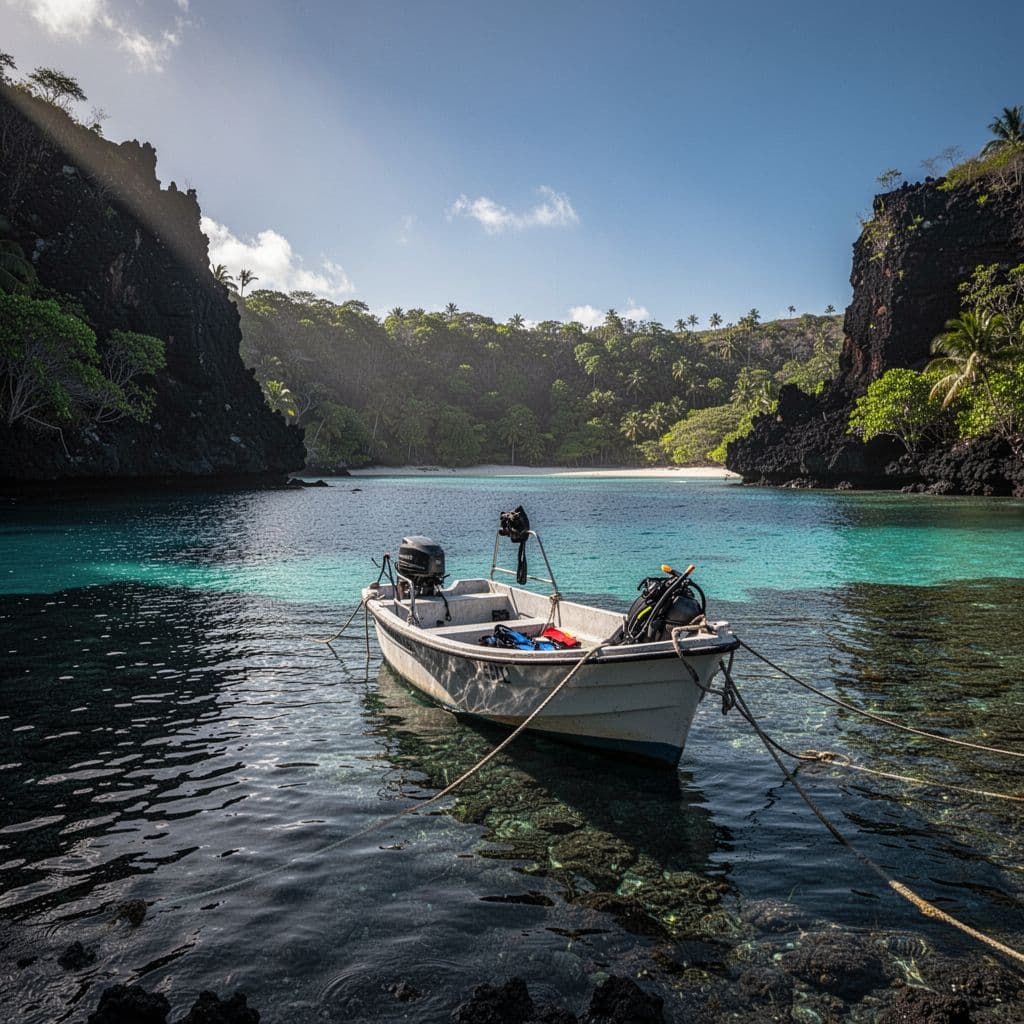
Move Around the Deck with Care
Once you step aboard, the boat becomes a shared space. Think of it like a floating porch, except every loose strap, wet fin, and loud bag zip gets everyone else’s attention. Keep the walkways clear, and place your gear where the crew tells you to place it.
That same habit helps with seating. If shade is limited, don’t spread your gear across more than one spot. If you’re traveling with family, keep children close and teach them where to sit before the boat gets moving. A few seconds of direction on land saves a lot of confusion offshore.
Noise matters too. Deck conversations are fine, but the safety briefing should be easy to hear. This is especially true when the boat is full of first-timers who need a calm start. A good what to expect on a snorkel tour guide makes the same point, because good boarding habits matter anywhere a crew is trying to run a safe day.
If you have to raise your voice to be heard, the boat is already too noisy for a safety briefing.
Ladders, rinsing spots, and entry points deserve space. Don’t crowd them while other guests are using them. Don’t step over people who are sitting down to put on fins. Don’t park your gear in the path the crew needs for equipment or emergencies.
You also help the day by watching your own energy. Big splashes, impatient shuffling, and repeated questions all slow things down. A calm deck helps everyone settle in faster, which makes the trip feel shorter in a good way.
Snorkel with Control and Awareness
The water is where etiquette becomes more than manners. It becomes safety. It also becomes the difference between a relaxed swim and a noisy scramble.
On Captain Cook snorkeling cruises, you usually enter the water one at a time or in a guided pattern. Wait for the signal. Don’t rush the line. If you’re unsure about your mask or fins, ask before you jump in. That tiny pause is better than fixing a problem while floating away from the boat.
When you snorkel Big Island waters, the smartest move is often the slowest one. Keep your kicks gentle. Stay aware of where the other snorkelers are. Don’t swim over someone’s shoulder just because the fish are on that side of the reef. The view gets better when you give people room.
If you’re comfortable in the water, don’t assume everyone else is. Some guests need extra float support, and some need a minute to settle their breathing. That’s normal. Good etiquette means you give them that minute without making it a spectacle.
For snorkeling Big Island trips, a few water habits go a long way:
- Enter and exit only when the crew gives the go-ahead.
- Keep your fins under control near other swimmers.
- Use slow, relaxed kicks instead of strong thrashing.
- Stay within the area the crew points out.
- If you need a break, roll onto your back and float instead of stopping in the middle of the group.
You also want to pay attention to the boat itself. Know where it is before you drift. Know where the ladder is before you head back in. Know where the guide is before you get distracted by a school of fish. Good snorkelers don’t just look down. They look around.
That awareness pays off at Kealakekua Bay, where the protected setting rewards patience. You don’t need to chase the best sight. The best sightings usually come to the people who stay calm.
Keep Kealakekua Bay Clean and Quiet
On snorkeling Big Island Hawaii trips, the reef is the reason you came, so treat it like something you want to see again. The water may feel open, but the space around coral, rocks, and marine life is smaller than it looks.
The biggest rule is simple. Don’t touch anything you don’t need to touch. Coral is fragile. Sea creatures are not props. Even one careless hand can damage the spot you’re hoping to enjoy.
A few habits matter every time you swim:
- Keep your body off the coral and lava rock.
- Stay off the bottom unless the crew says it is safe to stand there.
- Never feed fish or try to draw wildlife closer.
- Leave shells, coral, and rocks where you found them.
- Keep your hands to yourself, even if a turtle comes close.
That list sounds basic because it is basic. It also works. The reef doesn’t need your help rearranging it, and the fish don’t need you to direct their day.
Quiet helps too. You don’t need to whisper the whole trip, but loud calls and constant splashing can push wildlife away. If a turtle, ray, or school of fish shows up, let the encounter happen on its terms. You get a better look when you stop trying to control the moment.
Kealakekua Bay rewards people who move gently. That is part of what makes Captain Cook snorkeling cruises feel different from a beach swim. You’re entering a place with history, protected water, and real marine life. Treat it with the same respect you’d want from a guest in your own home.
Why Small-Group Crews Make Etiquette Easier
Small-group tours help because they take pressure off everything. You can hear the briefing. You can find the ladder. You can ask a question without shouting over twenty other people. That makes etiquette easier to follow, not harder.
Kona Snorkel Trips keeps that small-group feel front and center, with a focus on safety, clear instruction, and reef-friendly habits. If you want to compare how different trip styles fit your day, Big Island snorkeling tours make the options easier to sort through.
When you like that style of trip, check availability for a small-group Kona departure.
If your day is centered on Kealakekua Bay, Captain Cook Snorkeling Tours is built around that route and the monument area. It is a focused option when you want the trip to stay centered on the bay itself.
For first-time guests, it also helps to read the boarding tips for beginners before you leave the dock. A little preparation goes a long way once the boat starts moving.
If that route sounds right for you, check availability for a Captain Cook day on the water.
When crews are small and the rules are clear, you don’t have to guess what to do. You just listen, follow along, and spend more of the day in the water.
Pack Light So the Day Stays Smooth
Good etiquette starts with your bag. If you bring less, you move better. You also take up less space, which matters on a boat where every dry corner counts.
The smartest packing list is usually small:
- A towel that dries fast.
- Reef-safe sunscreen already applied before boarding.
- A hat or visor for the ride.
- Water in a reusable bottle.
- A dry bag for phone, keys, and wallet.
- Motion-sickness medicine if you need it.
- A rash guard or light cover-up for sun protection.
Glass bottles, bulky coolers, and piles of extra gear only get in the way. So do loose snacks that roll across the deck. Keep your items simple and easy to stow, and the boat stays cleaner for everyone.
If you’re traveling with kids, pack the things they need before they ask. That means snacks, water, and a layer for the ride home. If you’re traveling as a couple or with friends, share what you can instead of bringing duplicates. Fewer bags mean less clutter and fewer things to watch.
You also make the crew’s job easier when you know where your own things are. A lost mask strap or dropped sunscreen cap is a small issue on land. On a moving boat, it turns into extra work for everyone nearby.
Conclusion
Captain Cook snorkeling cruises go best when you treat etiquette as part of the experience, not an afterthought. You show up ready, move carefully, give the reef space, and let the crew guide the rhythm of the day.
That simple approach makes the boat calmer and the swim better. It also helps protect the place you came to see in the first place.
When you act like the reef and the boat both matter, the whole trip feels easier for everyone on board.