
Kealakekua Bay Snorkeling for Autistic Travelers
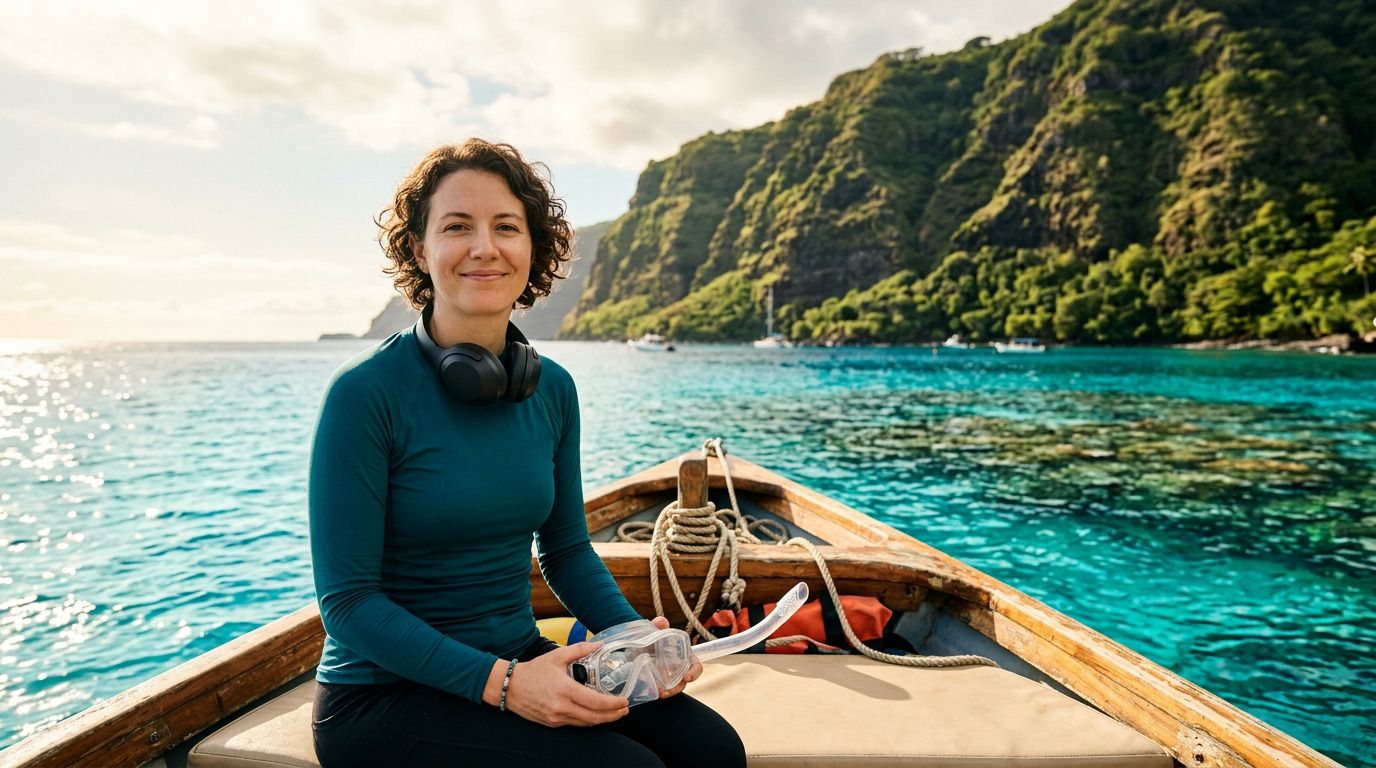
A beautiful snorkeling trip can become stressful when noise, crowds, unfamiliar gear, and changing plans pile up at once. With the right preparation, Kealakekua Bay snorkeling can be a calm, rewarding experience for you and your family.
Your needs may involve sensory comfort, communication, water safety, or a predictable schedule. Those needs deserve attention before you reach the harbor, not after the boat leaves. Start by choosing the right tour format, then build a simple plan around comfort and safety.
Why Kealakekua Bay can work well for your family
Kealakekua Bay sits on the western coast of Hawaii Island, south of Kailua-Kona. Its clear water, reef habitat, and dramatic green cliffs make it one of the island’s most popular places to snorkel. The bay also contains the Captain Cook Monument at Ka’awaloa, a historic site near the area’s well-known snorkeling waters.
Most visitors experience the bay by boat. That option can reduce the effort involved in reaching the shoreline and gives you a guide, safety equipment, and a defined schedule. However, a boat adds its own sensory factors, including engine noise, wind, spray, movement, and close contact with other passengers.
The bay isn’t automatically comfortable for every traveler with autism. Water conditions change, and the boat may feel busy during loading or unloading. You should treat the trip as a flexible plan with clear decision points. Your family can choose to stay onboard, enter the water briefly, or skip snorkeling if the conditions feel wrong.
A successful outing doesn’t require you to spend a long time in the water. Five calm minutes with a mask may be a better experience than thirty uncomfortable minutes. You can also enjoy the scenery, listen to the guide, watch for fish from the boat, or take photographs.
When you search for snorkeling Big Island Hawaii, you’ll find many locations and tour styles. Kealakekua Bay stands out because the scenery begins before you enter the water. The ride, cliffs, reef, and historic setting give you several ways to enjoy the day.
Start with a sensory and communication plan
Autism affects each person differently, so your plan should begin with the traveler rather than a standard checklist. Consider what usually causes discomfort during travel. Does your child react to loud engines, bright sunlight, wet clothing, strong smells, crowded spaces, or unexpected touch?
You can prepare by describing the trip in the same order it will happen. A simple visual schedule might show:
- Arrive at the harbor.
- Meet the guide.
- Put on a life jacket and snorkeling gear.
- Ride to the bay.
- Choose whether to enter the water.
- Return to the harbor.
Use photographs, a written schedule, or a short social story. If the tour company provides photos of its boat and gear, show them before the trip. You can also practice wearing a mask and snorkel at home or in a familiar pool.
Let your guide know about communication preferences before departure. Explain whether the traveler uses speech, gestures, an AAC device, picture cards, or another method. Tell the crew how the traveler shows discomfort and what helps them recover.
Specific information works better than a general statement such as “They have autism.” You might say, “Please give him a verbal warning before touching his shoulder,” or “She needs a quiet place for five minutes when the boat gets loud.” Also explain whether the traveler can independently follow water-safety instructions.
A short conversation with the operator can answer important questions:
- How many passengers usually ride on the boat?
- Where can you sit during the ride?
- Is the engine loud near the seating area?
- Can a passenger remain onboard while others snorkel?
- How much time do you spend in open water?
- What happens if someone wants to return early?
You can also review Hawaii Autism Society water-safety guidance before your trip. General water rules still apply, even when a lifeguard-certified guide is present.
Choose a small-group or private Kealakekua tour
Tour size can make a major difference. A large group may mean more voices, more movement, longer boarding lines, and less flexibility. A small group often gives you more space to ask questions and communicate your needs.
Kona Snorkel Trips follows a “Reef to Rays” philosophy and focuses on small-group ocean outings, personal service, guest safety, and reef care. Lifeguard-certified guides lead the trips, and the company provides snorkeling equipment while teaching guests how to protect the reef. You can explore guided Big Island snorkeling tours to compare available options.
Captain Cook Snorkeling Tours is another company focused on Captain Cook and Kealakekua Bay outings. When you compare operators, ask direct questions about group size, boat layout, flotation equipment, guide support, and the amount of time spent in the water.
A private charter may suit your family if the traveler needs more control over timing or space. With a private trip, you can discuss preferred seating, shorter water sessions, extra breaks, and the pace of the day. Availability and specific accommodations vary, so confirm them before booking.
| Tour format | May suit you when | What to confirm |
|---|---|---|
| Small-group trip | You want guide support with fewer passengers | Group size, seating, and onboard quiet space |
| Private charter | You need more control over timing and breaks | Customization, duration, and added cost |
| Shore-based outing | Boat movement or engine noise creates distress | Entry conditions, water depth, and supervision |
A private trip doesn’t remove every risk. Ocean conditions can change, and you still need a swimmer who can follow instructions or direct supervision from a responsible adult. The format gives you more control, but it doesn’t replace water readiness.
Kona Snorkel Trips also has a strong focus on high-quality gear and marine education. Ask whether you can inspect the mask and flotation equipment before leaving the harbor. Familiarity often makes the first few minutes easier.
If Kona Snorkel Trips fits your needs, you can check availability before choosing your travel date.
Prepare for the boat before you reach the bay
The boat ride is part of the experience, but it may be the hardest portion for a sensory-sensitive traveler. Wind can make conversation difficult. The deck may move under your feet. Salt spray can land on your face, and the boat may smell strongly of fuel or wet gear.
Choose comfortable clothing that dries quickly and doesn’t rub. Bring a familiar hat, sunglasses, and a towel. Pack ear protection for the ride if the traveler uses it safely. Keep headphones and other electronic devices away from the water unless they are designed for marine use.
Sun exposure can also affect regulation. Apply reef-safe sunscreen before boarding, then reapply according to the product directions and the guide’s instructions. A rash guard can reduce the need for repeated sunscreen application and may make wet clothing more comfortable.
If the traveler dislikes tight equipment, introduce each item separately. Let them hold the mask first. Then try the strap, followed by the snorkel and fins. Avoid forcing a full set of gear during the first attempt.
Ask the guide to demonstrate the equipment on an adult or another willing family member. Seeing the process often removes some uncertainty. You can also agree on a clear signal for “stop,” “return to the boat,” or “I need help.” Everyone in your group should understand that signal.
A traveler who doesn’t want to put their face underwater can still participate. They may watch fish from the boat, use a flotation device while looking down, or sit with a caregiver near the swim platform. Never pressure someone to enter the water because the group has already paid for the tour.
Pool practice can help if you have access to it. Adaptive swim instruction may also build comfort with flotation and breathing skills. For example, adaptive special-needs swim lessons in Honolulu offer a reference point for the type of specialized instruction available in Hawaii, although you’ll need to arrange lessons separately from your Kona trip.
Make the day predictable without making it rigid
A written itinerary helps, but the ocean may require changes. Explain the fixed parts of the day, such as departure time and return time. Present water entry as an available choice rather than a requirement.
Before leaving your hotel, identify what will happen if plans change. You might use a simple phrase such as, “If the water feels too rough, we stay on the boat and watch the bay.” That gives the traveler a clear alternative before stress rises.
Bring one or two familiar comfort items that can stay dry. A small towel, preferred snack, sunglasses, or soft clothing item may help during the ride. Avoid bringing loose objects onto the deck because they can blow away or become a safety problem.
Food can affect the experience as well. Eat a familiar meal before departure if the tour schedule allows. Pack approved snacks for after snorkeling, and ask the operator whether food and drinks are available onboard. Follow all company rules about eating while the boat is moving.
You may also want to schedule quiet time after returning to shore. A busy afternoon activity can feel harder after sun, salt, movement, and social interaction. A slower evening gives the traveler time to recover.
Use a simple decision plan:
- Green: The traveler feels calm and wants to continue.
- Yellow: The traveler shows early discomfort, so you pause and offer a break.
- Red: The traveler cannot follow safety directions or shows strong distress, so you end the water activity.
These labels need to match your family’s own signals. A guide can support the plan, but you know the traveler best. Communicate early instead of waiting for a complete meltdown.
Keep water safety at the center
Snorkeling requires more than curiosity. You need to consider swimming ability, breath control, comfort in open water, response to instructions, and the ability to stay with the group.
A life jacket or flotation aid can provide support, but it doesn’t make an inexperienced swimmer safe without supervision. Stay close enough to help immediately, and follow the crew’s instructions about where your group can swim. Never assume that calm-looking water is shallow or risk-free.
Some travelers may wander when overwhelmed or excited. Use a clear buddy plan before boarding. Decide which adult watches the swimmer, which adult carries bags, and who communicates with the guide. Avoid splitting attention between several jobs during water entry.
A snorkel mask can also create a safety concern if the traveler panics. Practice removing it calmly in shallow water before the trip. Explain that they can lift their head, hold the boat, and signal for help.
You should postpone snorkeling if the traveler has an illness, severe fatigue, or difficulty following basic directions that day. Ocean activities work best when everyone has enough energy to respond quickly. A paid reservation doesn’t obligate you to enter the water.
Reef safety matters too. Keep your hands and fins away from coral. Don’t stand on the reef, chase fish, or feed wildlife. Reef-safe behavior protects the bay and prevents cuts or falls. The guide can show you how to move through the water without touching the bottom.
Ask about the operator’s cancellation and weather policies before you book. Conditions at Kealakekua Bay can vary with wind, swell, and visibility. A clear policy gives you a better choice if the trip no longer matches your family’s needs.
What to pack for comfort and recovery
Your packing list should support the actual traveler, not an idealized version of the day. Keep essentials in a dry bag or small waterproof pouch, and avoid overloading yourself on the boat.
Bring:
- Reef-safe sunscreen and a rash guard
- Prescription medication in its original container
- A familiar snack and drinking water
- Dry clothing, a towel, and a light cover-up
- Sunglasses, a hat, and safe ear protection
- A communication card or AAC device in a waterproof case
- Motion-sickness supplies approved by your medical provider
- A comfort item that can remain dry
Check whether the company supplies masks, snorkels, fins, and flotation equipment. You may still prefer to bring a familiar mask if the operator allows it. A good fit matters because leaks, pressure, or a loose strap can quickly end the activity.
Avoid dangling straps, loose toys, and unsecured bags on deck. Keep your hands free when boarding and follow the crew’s storage instructions.
If the traveler uses medication or has a seizure disorder, breathing condition, allergy, or other health concern, discuss the plan with their medical professional before booking. Share only the information the crew needs for safe assistance, and confirm that the operator can accommodate the situation.
Know when another Kona water activity may fit better
Kealakekua Bay is a strong choice when you want scenery, reef viewing, and a guided boat experience. Still, it may not match every traveler or every day.
A shorter reef trip close to Kailua-Kona may reduce ride time. A private tour may offer more control than a standard departure. You can also choose a sightseeing outing if the traveler wants to be near the ocean without putting on a mask.
When you plan to snorkel Big Island waters, compare the complete experience rather than focusing only on the destination. Consider the drive to the harbor, boarding process, boat ride, time in the water, return trip, and recovery afterward.
The phrase snorkeling Big Island covers many different conditions. A calm-looking beach, a moving boat, and a protected bay each create different sensory and safety demands. Ask detailed questions before booking, especially if the traveler has limited speech or cannot explain discomfort quickly.
For a family that wants the bay but needs flexibility, a private Captain Cook outing may provide the most control. For another family, a small-group tour with a supportive guide may feel easier and more social. Neither choice is universally right.
If you decide that a Kona Snorkel Trips Captain Cook excursion matches your needs, you can check avaialbility before finalizing your schedule.
Conclusion
Kealakekua Bay snorkeling can work well for autistic travelers when you plan for sensory needs, communication, water readiness, and choice. A small-group or private tour may give you more space, while a clear schedule helps reduce uncertainty.
You don’t need to stay in the water for a long time to have a meaningful ocean experience. Give the traveler control, listen to early signs of discomfort, and treat safety as the condition for every other part of the day. With that approach, the bay can become a memorable place to explore at your own pace.