
Kealakekua Bay Snorkeling for Sensory-Sensitive Travelers
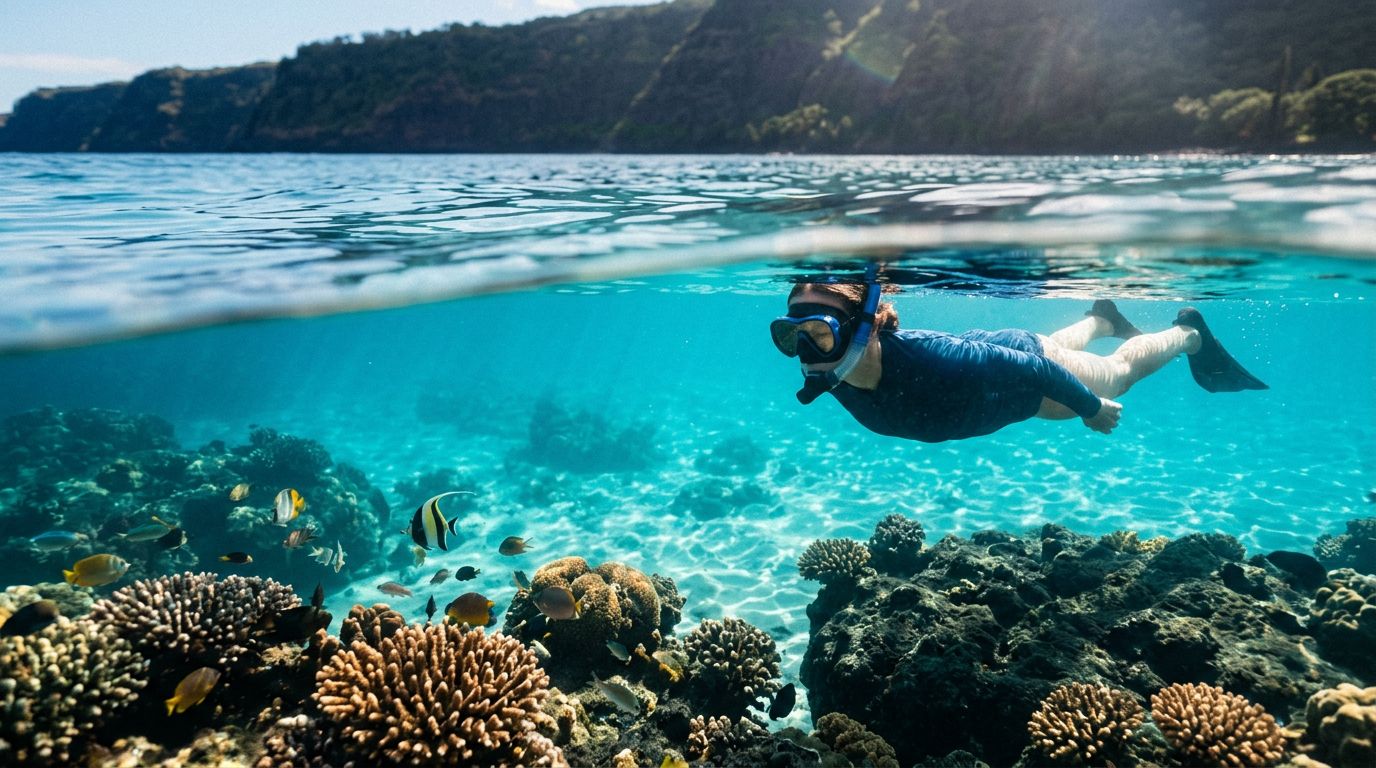
Kealakekua Bay snorkeling can give you clear water, colorful reef life, and a peaceful connection with Hawaii. However, a busy boat, loud engines, bright sunlight, cold water, or uncomfortable gear can turn a beautiful outing into an exhausting one.
Travelers searching for snorkeling Big Island Hawaii experiences often focus on visibility and marine life. You also need to consider the pace, access route, group size, and sensory demands before you book. With the right preparation, you can enjoy the bay without forcing yourself through avoidable discomfort.
Why Kealakekua Bay Can Work for Sensory-Sensitive Travelers
Kealakekua Bay has a sheltered setting and protected marine habitat. Those qualities can create a calmer snorkeling experience than an exposed coastline, although water and weather conditions still change.
The bay offers quiet underwater scenery
The bay’s underwater landscape includes volcanic rock, coral formations, and tropical fish. Clear water can help you see what is around you without swimming far from the boat or shore.
That sense of visibility matters when you feel uneasy in unfamiliar water. You can orient yourself more easily, keep visual contact with your guide, and decide when you need a break.
Kealakekua Bay is also a Marine Life Conservation District. The protected area includes water between Cook Point and Manini Beach Point. You can read the DLNR’s Kealakekua Bay conservation document before your trip for current information about the district.
You can plan around your personal triggers
Sensory sensitivity doesn’t look the same for everyone. You might react most strongly to engine noise, crowded boats, mask pressure, saltwater in your nose, sun glare, or the feeling of not knowing what happens next.
Write down your main triggers before you book. Then ask direct questions instead of hoping the day will work out.
Useful questions include:
- How many guests usually join the boat?
- Is shaded seating available?
- Can you take a quiet break without leaving the group?
- Which masks and flotation aids do you carry?
- How long is the boat ride?
- What happens if you decide not to enter the water?
Clear answers can remove much of the uncertainty that makes travel stressful.
What Makes Kealakekua Bay Snorkeling Worth It?
The bay offers more than a popular name on a tour schedule. It combines historical significance, protected marine habitat, and a distinct sense of place along the Kona coast.
You can enjoy the reef at your own pace
You don’t need to swim continuously to have a meaningful experience. Floating near the boat, watching fish from the surface, or taking short observation breaks can all be part of your day.
A guide can help you identify reef fish and explain why you should keep your hands and fins away from coral. That guidance lets you focus on what you see instead of worrying about whether you’re moving correctly.
The Captain Cook Monument sits near Ka’awaloa Flats, an area known for snorkeling and historical importance. The monument area isn’t a casual drive-up beach destination, so your access plan matters.
Access requires some advance planning
DLNR State Parks lists Kealakekua Bay State Historical Park hours as 7:00 a.m. to 8:00 p.m. The park’s monument area requires either a historic trail hike or transit with an appropriately permitted vessel or guided kayak operator.
You shouldn’t assume that every kayak or boat can land at the monument. The State Parks access information explains current restrictions, including vessel permits and landing limits.
The only car access reaches Napo’opo’o Beach on the eastern side of the bay. The area around the historic trail also lacks restrooms, which can create extra pressure if you need predictable facilities.
Plan Your Sensory-Friendly Visit Before Booking
A good plan doesn’t need to control every moment. It should give you enough information to make comfortable choices when conditions change.
Choose the access option with the lowest uncertainty
If you want to snorkel Big Island waters without adding a long hike, compare a guided boat trip with a shore or kayak plan. Each option creates a different sensory load.
A boat trip may reduce walking, carrying gear, and route-finding. In return, you may experience engine noise, spray, motion, and a group setting.
A trail approach can give you more control over pauses, but the historic route involves physical effort and uneven terrain. A kayak crossing adds paddling, balance, and exposure to open water.
For many travelers with sensory sensitivity, a guided boat trip offers the clearest schedule. You can ask where you’ll sit, how the gear is organized, and what support is available before leaving the harbor.
Pick a time that fits your energy
Early starts can work well if you prefer cooler temperatures and a quieter beginning to the day. However, your sleep needs matter too. A rushed morning can create more stress than a later departure.
Ask the operator how long the full outing lasts, including check-in, transport, water time, and the return trip. Build a buffer after snorkeling so you don’t need to hurry directly to another activity.
If bright light bothers you, bring a hat with a secure fit, sunglasses for the boat, and a light long-sleeve layer. If cold water is a concern, ask whether a wetsuit top is available before you arrive.
Choose a Tour That Matches Your Comfort Needs
The company you choose affects the entire experience, not only the time you spend in the water. Look for calm communication, clear policies, well-maintained equipment, and guides who take safety seriously.
Start with Kona Snorkel Trips
Kona Snorkel Trips offers guided Big Island snorkeling tours with a small-group focus. Most tours cap attendance at 18 guests, and the crew uses the Orca, a well-maintained rigid inflatable boat with shade and an open bow.
The team follows a “Reef to Rays” philosophy, with lifeguard-certified guides, reef-safe practices, marine-life education, and attention to guest safety. For sensory-sensitive travelers, the value is the ability to ask practical questions before the boat leaves.
You can review the company’s guided Kealakekua Bay snorkeling tour and compare the schedule, meeting details, and tour format with your needs.
Captain Cook Snorkeling Tours is another company name you may encounter when researching trips to the monument area. Regardless of the provider, ask whether the crew can explain the itinerary in advance and accommodate a slower entry into the water.
If the group size, timing, and boat setup feel right, you can check availability before your preferred date fills.
Consider a private charter for more control
A private outing can reduce social pressure and give your group more say over the schedule. You may be able to spend less time in the water, pause between activities, or choose a quieter position on the boat.
Kona Snorkel Trips offers private Kona boat charters for families, couples, and groups that want a customizable day. Ask what the charter can adjust before you reserve it. A private boat doesn’t remove natural ocean movement, but it can reduce crowd-related stress.
Prepare Gear That Feels Predictable
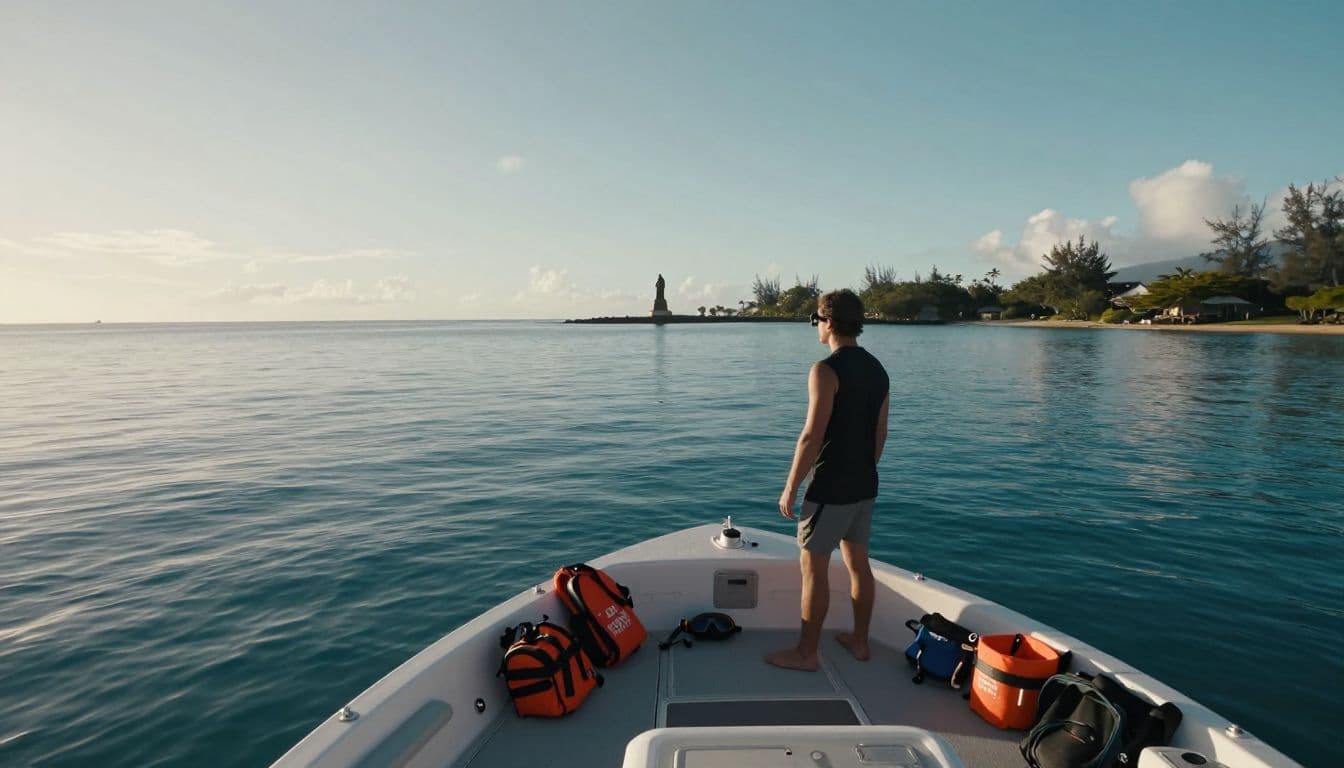
Unfamiliar equipment can become a major distraction underwater. If possible, practice with your mask and snorkel before your Hawaii trip.
Start with the mask
A mask should feel secure without pressing painfully against your face. Hair caught under the seal can cause leaks, while an overly tight strap can create pressure around your head.
Ask the guide to help you adjust the mask before you enter the water. You don’t need to solve every fit issue while floating offshore.
If breathing through a snorkel feels uncomfortable, begin in shallow water or stay near the boat ladder. You can practice slow breaths, lift your face when needed, and signal the guide when you want assistance.
Prescription masks or familiar personal snorkels may help, but check the operator’s equipment policy first. Bring only gear you know you can use safely.
Use flotation for comfort, not embarrassment
A flotation belt or similar aid can reduce the effort needed to stay on the surface. That can help you focus on the reef rather than constantly managing your body position.
Tell the crew if you prefer extra support. Strong swimmers can still benefit from flotation when they feel tired, overstimulated, or uncomfortable in open water.
Avoid wearing noise-blocking earbuds in the water. You need to hear safety instructions, boat movement, and signals from your guide. If engine noise bothers you, ask whether you can sit farther from the motor or use a soft, water-safe hearing protection option approved by the crew.
Know What the Tour Day Will Feel Like
Predictability can make the difference between anticipation and anxiety. Ask the operator to describe the day in order, from check-in through return.
Before the boat leaves
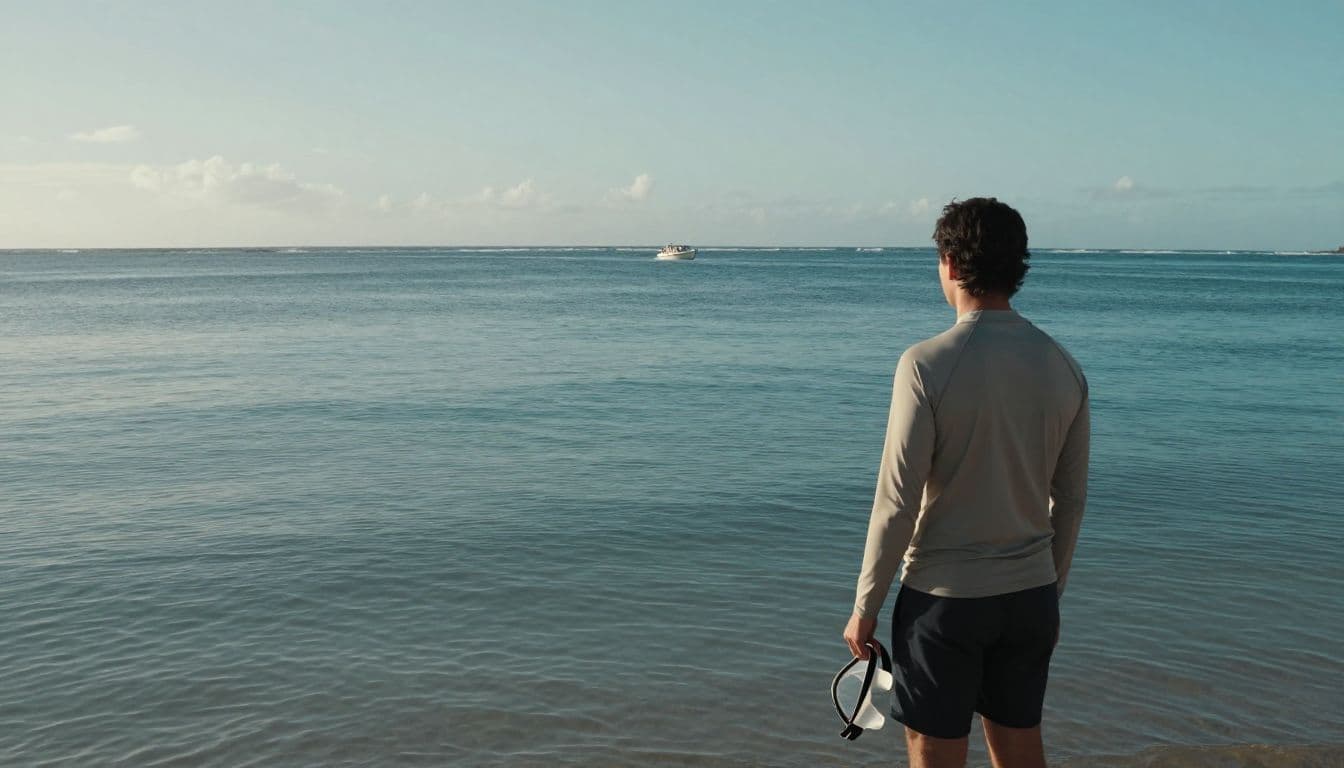
Expect some combination of parking, check-in, gear distribution, a safety briefing, and boarding. Arrive with enough time to settle without rushing, but avoid arriving so early that you spend a long period waiting in an unfamiliar place.
Wear your swimsuit under comfortable clothing. Pack water, a snack, sunscreen that follows Hawaii’s reef protection rules, and a dry layer for the return.
Tell your guide about your needs in plain language. You might say, “Loud engines and unexpected touch are difficult for me. Please explain before helping me, and tell me when we will move to the next activity.”
That sentence gives the crew useful information without requiring you to explain your entire medical history.
Once you reach the bay
You can usually choose whether to enter immediately or watch first. Look at the water, listen to the briefing, and decide what feels manageable.
Use an agreed signal for “I need help” and another for “I want to return to the boat.” Keep your movements slow near coral and other swimmers.
If the water feels wrong after you enter, return to the ladder. A successful trip is measured by safe choices, not by how long you stay in the water.
Follow the Bay’s Rules and Protect the Reef
Kealakekua Bay is a protected marine area, so responsible behavior is part of every good snorkeling plan.
Leave marine life and coral alone
DLNR rules prohibit taking, injuring, or altering marine life and geological features in the protected district. Fish feeding is also prohibited. You should never stand on coral, touch animals, collect shells, or move rocks.
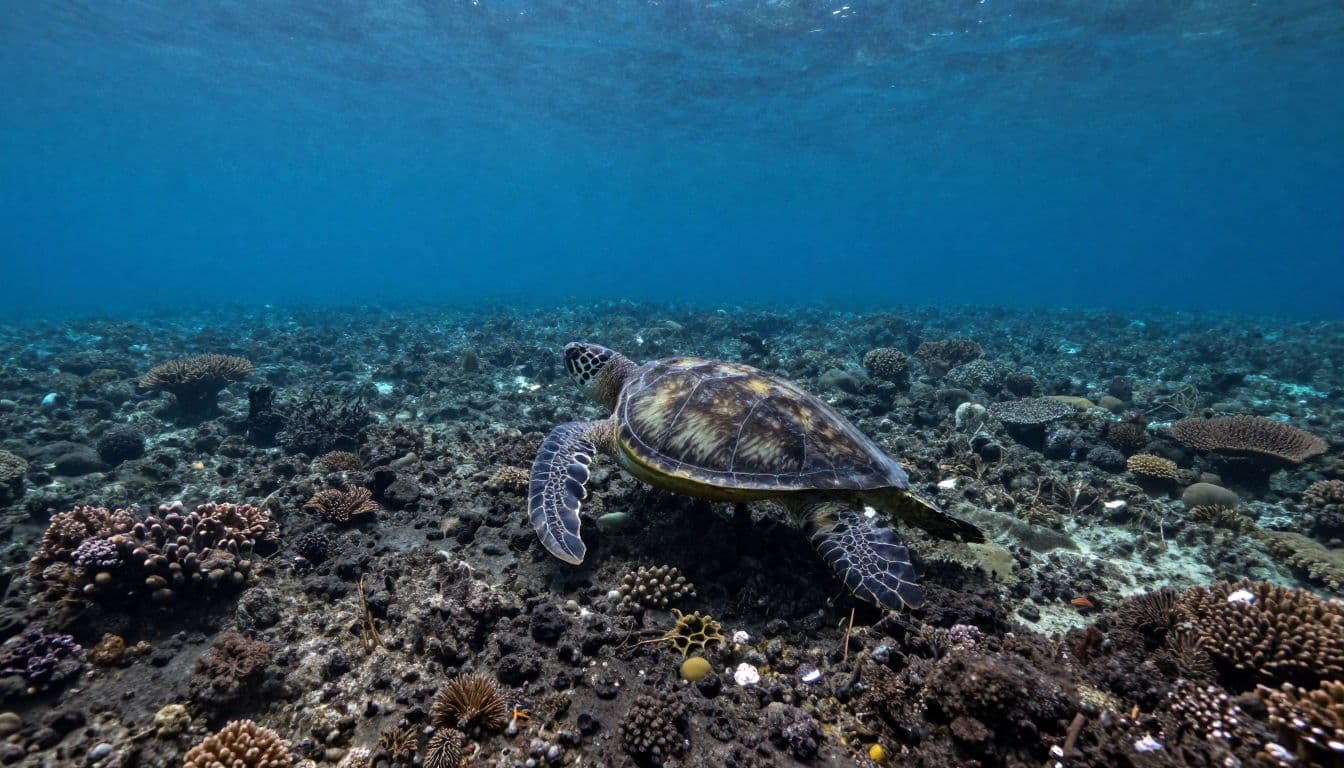
The best way to observe wildlife is to remain calm and give animals room. Sea turtles and other creatures may change direction when swimmers approach too closely.
Reef-safe sunscreen can reduce harmful ingredients entering the water, but no sunscreen makes touching coral acceptable. A rash guard, hat, and shade can reduce how much sunscreen you need.
The current DLNR rules document is a useful reference before your trip. Rules and access conditions can change, so check official information close to your travel date.
Respect anchoring and vessel restrictions
Anchoring can damage coral, and DLNR restricts anchoring in parts of the conservation district. Your captain handles the vessel, but you still benefit from understanding why the boat may stop in one place rather than another.
Do not ask to land at the Captain Cook Monument unless your operator confirms that the activity is permitted. State Parks restrictions apply to private and commercial vessels.
A careful crew protects both guests and the bay by following those limits, even when a different option seems faster or more convenient.
Decide Whether This Experience Fits You
Kealakekua Bay snorkeling may suit you if you enjoy clear underwater scenery, can tolerate some boat movement, and feel comfortable communicating your needs to a guide. You don’t need to be an expert swimmer, but you must follow the operator’s swimming and safety requirements.
A private charter may fit better if group noise, crowded seating, or fixed timing causes major stress. A dry ocean activity may be wiser if you dislike masks, open water, or getting wet.
You can also compare other Kona experiences. A manta ray snorkeling tour takes place at night, so darkness and boat lighting create a different sensory environment. Kona whale watching tours keep you on the boat and may suit you if you want marine life without entering the water.
The goal is not to complete a famous activity at any cost. The goal is to choose an ocean experience that leaves you feeling safe, present, and glad you went.
Choose a Calmer Way to Experience the Bay
Kealakekua Bay snorkeling becomes more comfortable when you plan for your actual needs instead of copying someone else’s itinerary. Check the access route, ask about group size and gear, prepare for the boat environment, and tell your guide what support helps you.
Travelers who approach snorkeling Big Island locations with realistic expectations can enjoy more of the day and spend less energy managing surprises. At Kealakekua Bay, protecting the reef and protecting your own comfort belong in the same plan.
When the water looks inviting, you shouldn’t have to choose between adventure and accessibility. With thoughtful preparation and the right tour format, you can experience the bay at a pace that feels like your own.