
Kealakekua Bay Snorkeling: Sea Cucumbers to Spot
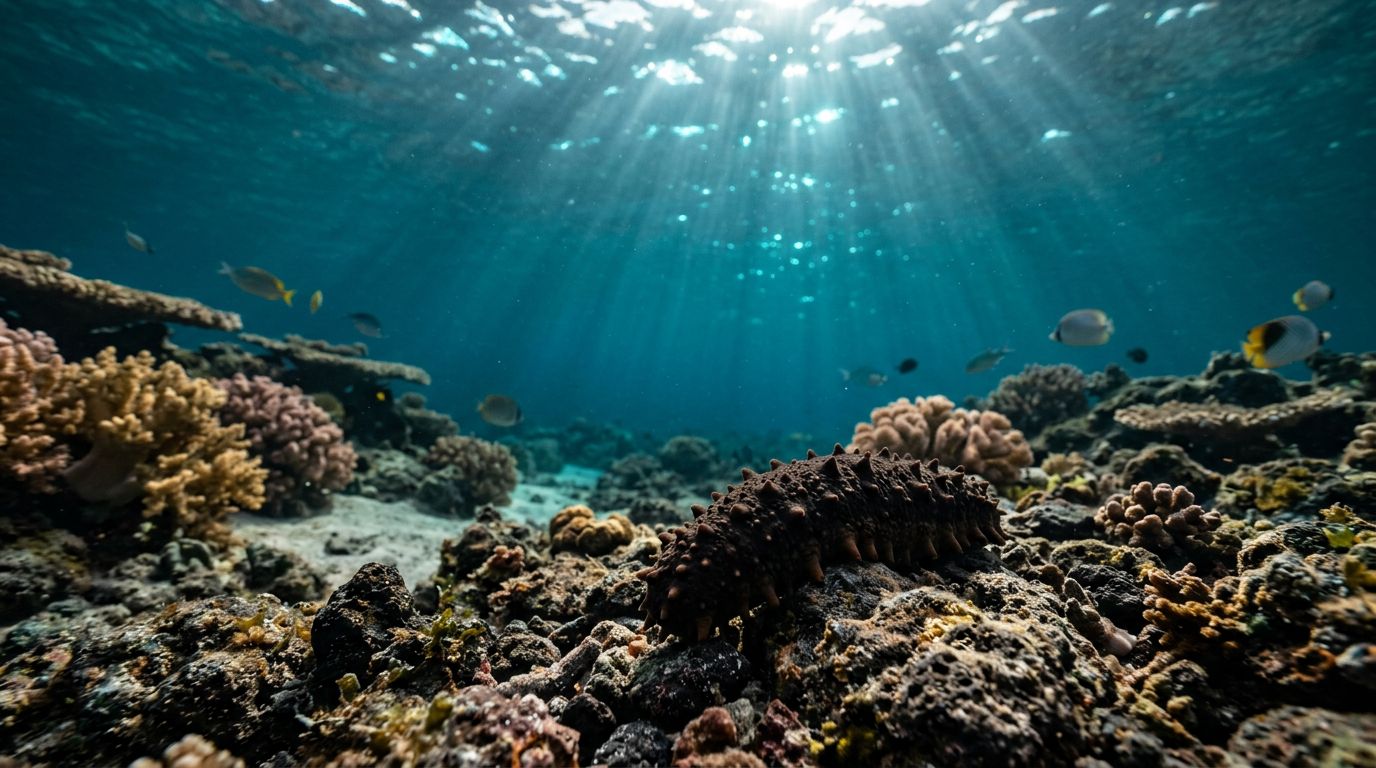
A sea cucumber can look like a piece of dark rock until it slowly moves across the reef. During Kealakekua Bay snorkeling, these unusual animals reward you for looking down after you’ve admired the colorful fish.
You may spot black, brown, spotted, or sand-dwelling forms near volcanic shelves and coral rubble. With calm breathing, careful fin control, and a little patience, you can find them without touching the reef or disturbing the animals around them.
Why Sea Cucumbers Matter in Kealakekua Bay
Sea cucumbers are marine animals related to sea stars and sea urchins. Their soft, tube-shaped bodies can seem simple, but they play an important role on the seafloor.
Many species take in sand and organic particles through small feeding tentacles around the mouth. They process the sediment, absorb useful material, and return cleaner sand to the surrounding habitat. That constant movement helps recycle nutrients across the reef.
In Hawaii, sea cucumbers are commonly called loli. You can learn more about their appearance and habitat in this Hawaiian sea cucumber guide.
Kealakekua Bay offers a good setting for spotting them because the underwater terrain changes quickly. Hard volcanic rock, coral growth, sand patches, and loose rubble create several places for bottom-dwelling animals to live.
The bay is also a Marine Life Conservation District. That protected status helps preserve its reef communities and fish populations. The Kealakekua Bay conservation overview offers more background on the area and its snorkeling conditions.
Sea cucumbers may not attract attention like a green sea turtle or a bright yellow tang. Still, they tell you that the reef has more to offer than the animals moving through open water.
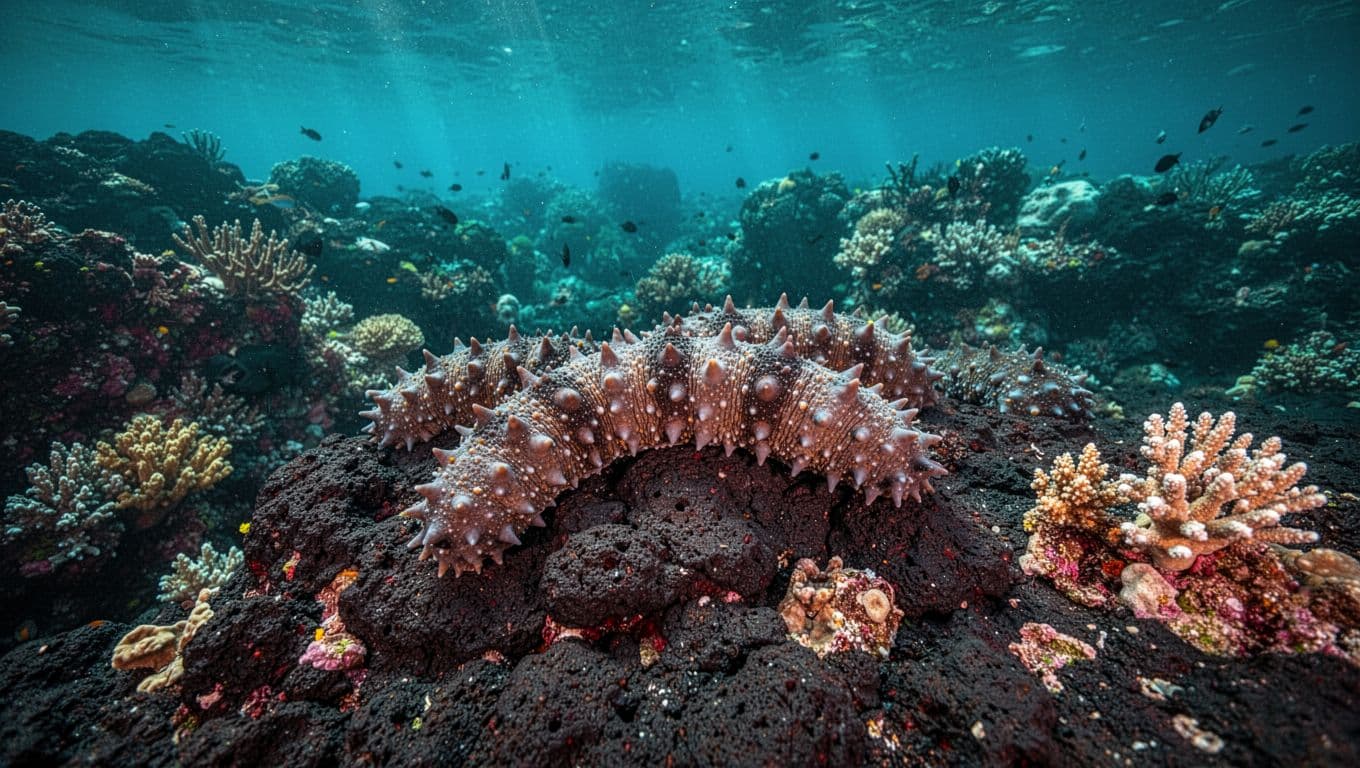
Sea Cucumbers to Look for During Kealakekua Bay Snorkeling
You don’t need to identify every animal by scientific name to appreciate what you see. Start with body shape, color, texture, and location. Those details make sea cucumbers easier to recognize during a moving snorkel tour.
Black sea cucumbers on volcanic rock
The black sea cucumber is one of the easiest forms to notice in Hawaiian waters. It usually has a dark brown or black body with a thick, soft appearance. Depending on the light, it may look charcoal gray, olive, or almost purple.
You may find one resting on basalt, crossing a sandy patch, or tucked beside a coral head. Its surface can appear smooth at a distance, but a closer look often reveals wrinkles and small bumps.
The animal may barely move while you watch. Then, after several seconds, its body shifts forward in a slow crawl. Look for the end with small feeding tentacles, especially when the sea cucumber sits on sand.
Black sea cucumbers often blend into volcanic rock. Scan the bottom slowly instead of searching only for bright colors. A dark, slightly raised shape with a rounded body may be an animal rather than a stone.
Brown and mottled sea cucumbers
Some sea cucumbers have brown, tan, reddish, or mottled bodies. Their patterns can make them easier to see against pale sand, but they may disappear against rubble and shaded reef ledges.
Color alone isn’t enough for identification. Water depth, sunlight, sediment, and the animal’s posture can change how its markings appear. A sea cucumber that looks reddish in one part of the bay may look brown in another.
Watch for a body that changes shape as it moves. The animal may stretch forward, contract, and then pull the rear section along. That motion separates it from a fixed piece of coral or a loose fragment of lava.
You may also see textured forms with small projections along the body. Avoid trying to assign a species name from a quick surface view. A guide can help you compare features without asking you to approach too closely.
Slender and partly hidden forms
Not every sea cucumber looks thick and rounded. Some are long, narrow, and partly buried in sand or tucked beneath rubble. You might notice only a curved section of body or a small cluster of feeding tentacles.
These animals are easy to miss when you focus on fish in the water column. Spend a few seconds scanning the transition between hard reef and sand. That edge often contains small clues, including feeding marks, moving shadows, and exposed body sections.
A sea cucumber may also sit beneath a shallow overhang. Look into open spaces without moving rocks or placing your hands on the bottom. Your mask and natural sunlight usually provide enough detail for a good observation.
Sea slugs and sea cucumbers can look similar at first. Sea cucumbers tend to have a thicker, tube-like body and remain close to the seafloor. Many sea slugs have more obvious external gills, frills, or horn-like structures. When you’re unsure, observe rather than handle the animal.
Where to Find Sea Cucumbers in the Bay
Sea cucumbers don’t need a dramatic reef wall or a school of fish around them. They often choose ordinary-looking sections of seafloor where sand and organic material collect.
Start by checking reef edges, where a flat volcanic shelf meets a sandy depression. The change in surface gives sea cucumbers access to food while offering nearby cracks and ledges for shelter.
Next, scan areas of broken coral and loose rubble. Keep your distance, because rubble can shelter small fish, urchins, shrimp, and other animals. A sea cucumber may rest beside the debris or cross it slowly.
Sandy channels are another good place to look. Focus on the bottom several feet ahead of you, then let your eyes adjust to the subtle shapes. A dark cylinder or pale mound may become visible once you stop kicking and glide.
The exact place changes with the route, current, visibility, and conditions. A guide who knows the bay can point out safe viewing areas without sending you into shallow coral or unstable water.
Kealakekua Bay snorkeling is often remembered for clear water and large fish, but the quieter habitat deserves attention too. When you watch the bottom carefully, the reef becomes much more detailed.
How to Spot Them Without Touching the Reef
Sea cucumbers are delicate animals, even though their bodies may appear tough. Picking one up, turning it over, or squeezing it can cause stress and injury.
Use a relaxed, horizontal position in the water. Keep your fins behind you and avoid dropping your knees onto the reef. If you need to stop, hold onto nothing. Ask your guide for a flotation aid or pause in open water away from coral.
A slow scan works better than a fast search:
- Look across the bottom rather than straight down.
- Check where sand meets rock.
- Watch for a shape that changes position or contracts.
- Look for small feeding tentacles at one end.
- Give the animal space and continue swimming.
A sea cucumber can remain nearly motionless while you look at it, so movement is helpful but not required for identification.
Don’t poke the animal with a finger, stick, camera housing, or fin. Never move a rock to expose what lives beneath it. Those small spaces provide shelter for many reef animals, and disturbing one area can affect more creatures than the animal you wanted to see.
If you take photographs, approach slowly and keep the camera at a comfortable distance. Avoid hovering directly over the sea cucumber for a long time. Move away when another swimmer approaches so everyone has room to observe.
You also shouldn’t collect shells, sand, coral, rocks, or sea cucumbers. The protected bay is a living habitat, not a place to gather souvenirs.
When Conditions Are Best for Sea Cucumber Viewing
Morning trips often offer calmer water and softer wind. Good visibility makes it easier to examine the seafloor, especially when you want to distinguish a dark animal from black lava.
Sunlight also helps. Bright conditions reveal brown and reddish patterns that may disappear in shade. However, sea cucumbers remain visible on overcast days if the water is clear and you slow your pace.
Wind can create surface chop and make it harder to hold a steady position. Rain and runoff may reduce visibility near shore by carrying fine sediment into the water. Your tour operator can adjust the route when conditions change.
You don’t need to dive deeply to find these animals. Many are visible from the surface in comfortable snorkeling areas. Diving down can increase your risk of touching coral, stirring sediment, or using more energy than you expect.
Families should plan around the swimmers in their group. Children may spot sea cucumbers quickly because they watch the bottom closely, while adults often focus on distant fish. A guide can help everyone take turns without crowding one small animal.
If you’re planning snorkeling Big Island Hawaii adventures, choose a time when your group feels rested and comfortable in the water. Clear visibility helps, but calm behavior matters just as much.
Choosing a Guided Kealakekua Bay Snorkeling Trip
A knowledgeable guide can make sea cucumbers easier to find because guides recognize the habitats where bottom animals spend time. You also gain help with equipment, water entry, currents, and reef-safe behavior.
Kona Snorkel Trips offers guided Big Island snorkeling tours with small-group service, high-quality gear, and Lifeguard Certified guides. The company’s “Reef to Rays” approach combines marine education with careful treatment of Hawaii’s volcanic reef ecosystems.
On a Captain Cook or Kealakekua excursion, your guide can point out animals that you might swim past, including sea cucumbers, urchins, reef fish, and other invertebrates. The crew also provides a safety briefing before you enter the water.
If you want to snorkel Big Island reefs without managing navigation and equipment on your own, a guided trip can make the day easier. It also gives you someone to ask when an animal doesn’t match the photos you saw online.
For a direct route to the protected bay, consider the Captain Cook Monument snorkel tour. You can also compare the local Captain Cook Snorkeling Tours company if you want another guided option focused on Kealakekua Bay.
For the Captain Cook trip, you can check availability before planning the rest of your Kona schedule.
What to Pair With a Reef Day
Sea cucumbers are a daylight discovery. They live on the seafloor, so you’ll have the best chance to see them when sunlight reaches the reef and you can scan the bottom.
If you want to add a different marine setting to your vacation, compare the daytime bay trip with a Manta Ray Night Snorkel Kona outing. Manta rays feed in open water after dark, while sea cucumbers remain close to the bottom. The two experiences show very different sides of the Kona coast.
During whale season, you can also look into seasonal whale watching in Kona. Humpback sightings take place from the boat, so you can enjoy the coast without adding another snorkel session.
A private boat snorkel experience may suit families or couples who want more control over timing and pace. Even on a private trip, reef rules remain the same. You still need to stay clear of coral, leave animals where you find them, and follow your captain’s instructions.
That broader snorkeling Big Island experience works best when you match each activity to your group’s comfort level. A calm reef morning may be perfect for careful animal spotting, while a boat-based wildlife outing can fill another part of the day.
Protecting Kealakekua Bay’s Smallest Residents
The best way to remember a sea cucumber is through a photograph and the details you noticed. Take nothing from the water, and leave the animal exactly where it was.
Use reef-conscious products, avoid standing on the bottom, and keep your fins away from coral. If you wear sunscreen, choose shade and protective clothing when possible. Follow your operator’s guidance about reef-safe products and local water rules.
Don’t feed fish or move animals for a better picture. Feeding changes natural behavior, while handling can remove a sea cucumber from the conditions it needs to survive.
Pay attention to your own position as well. A swimmer who kicks hard near the bottom can stir sediment over corals and small animals. A relaxed kick keeps the water clearer for everyone behind you.
Kealakekua Bay snorkeling becomes more rewarding when you give the reef time to reveal its smaller details. Sea cucumbers may look modest beside a bright parrotfish, but they are part of the working structure that keeps the seafloor active.
Conclusion
Sea cucumbers are among the easiest reef animals to overlook in Kealakekua Bay. Look for dark or mottled bodies on volcanic rock, watch the edges of sandy patches, and give each animal plenty of space.
Your best sightings come with clear water, slow movement, and careful observation. When you protect the reef while you explore it, even a quiet sea cucumber can become one of the most memorable discoveries of your trip.