
How Close Can You Get During Kealakekua Bay Snorkeling?
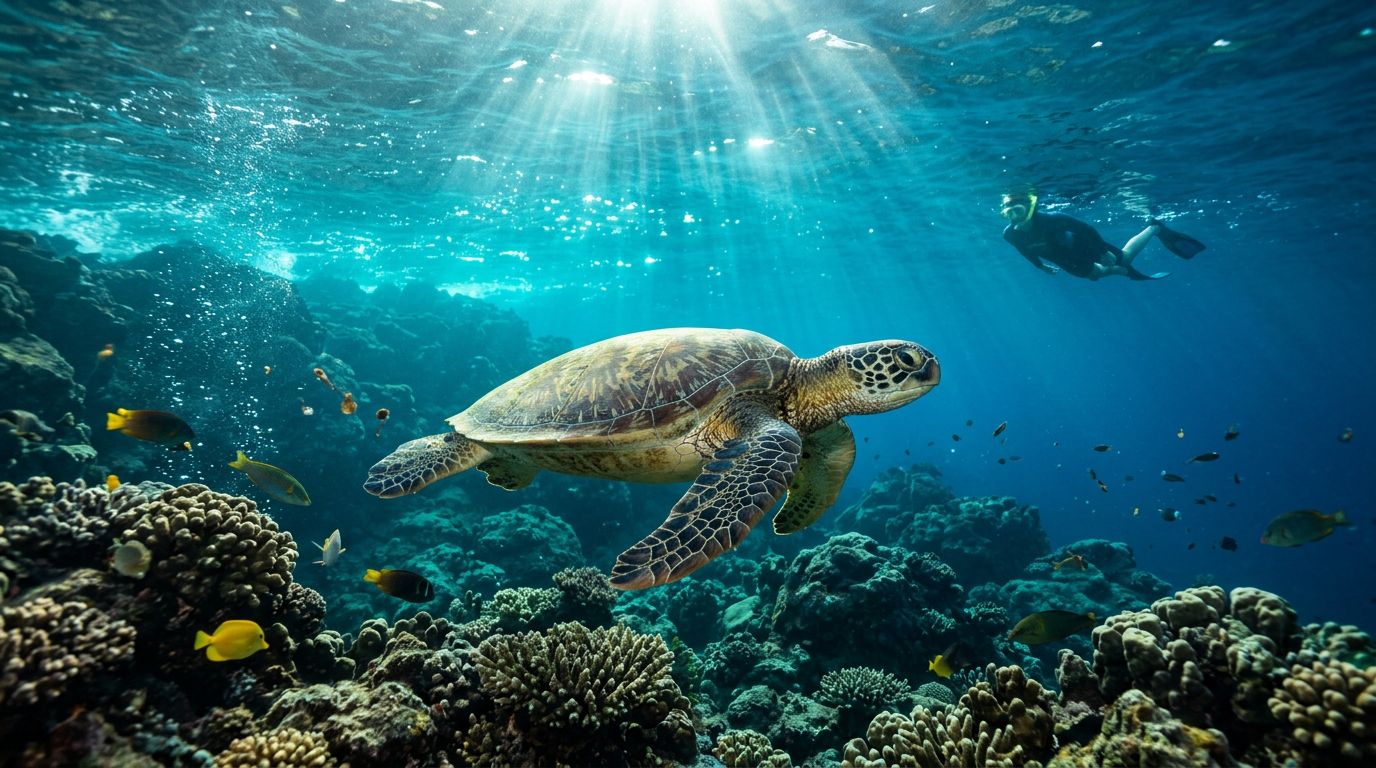
One calm honu can turn a routine swim into the highlight of your Hawaii vacation. During Kealakekua Bay snorkeling, you should keep at least 10 feet, or 3 meters, away from every sea turtle.
That distance protects the turtle and gives you a better view. You won’t frighten it, block its path, or create a stressful crowd. If you want a guided experience, Kona Snorkel Trips helps you enjoy the bay with trained guides and reef-safe practices.
The short answer: stay at least 10 feet from honu
NOAA recommends staying at least 10 feet (3 meters) away from Hawaiian green sea turtles, both in the water and on land. You can read the full NOAA marine life viewing guidelines before your trip.
Ten feet is the closest recommended viewing boundary, not a target to test. If you see a turtle 20 feet away, watch it from there. You don’t need to swim closer for a meaningful encounter.
Green sea turtles are protected under federal and Hawaii state law. Touching, feeding, chasing, riding, restraining, or blocking a turtle can disturb it and may be illegal. Even a gentle touch can remove protective coating from its shell or skin.
Use these simple rules whenever you see a honu:
- Stop kicking toward the turtle and let your body settle.
- Keep your hands at your sides instead of reaching for the shell.
- Leave a clear route between the turtle and open water.
- Back away slowly if the turtle turns toward you or enters your space.
- Ask other swimmers to spread out instead of forming a tight circle.
A turtle may look relaxed while still feeling pressured. Fast fin movements, loud splashing, repeated dives, and several cameras pointed at once can change its behavior.
The 10-foot buffer is the closest boundary for your actions. It doesn’t mean you should move toward a turtle that already keeps more distance.
Why Kealakekua Bay snorkeling needs extra care
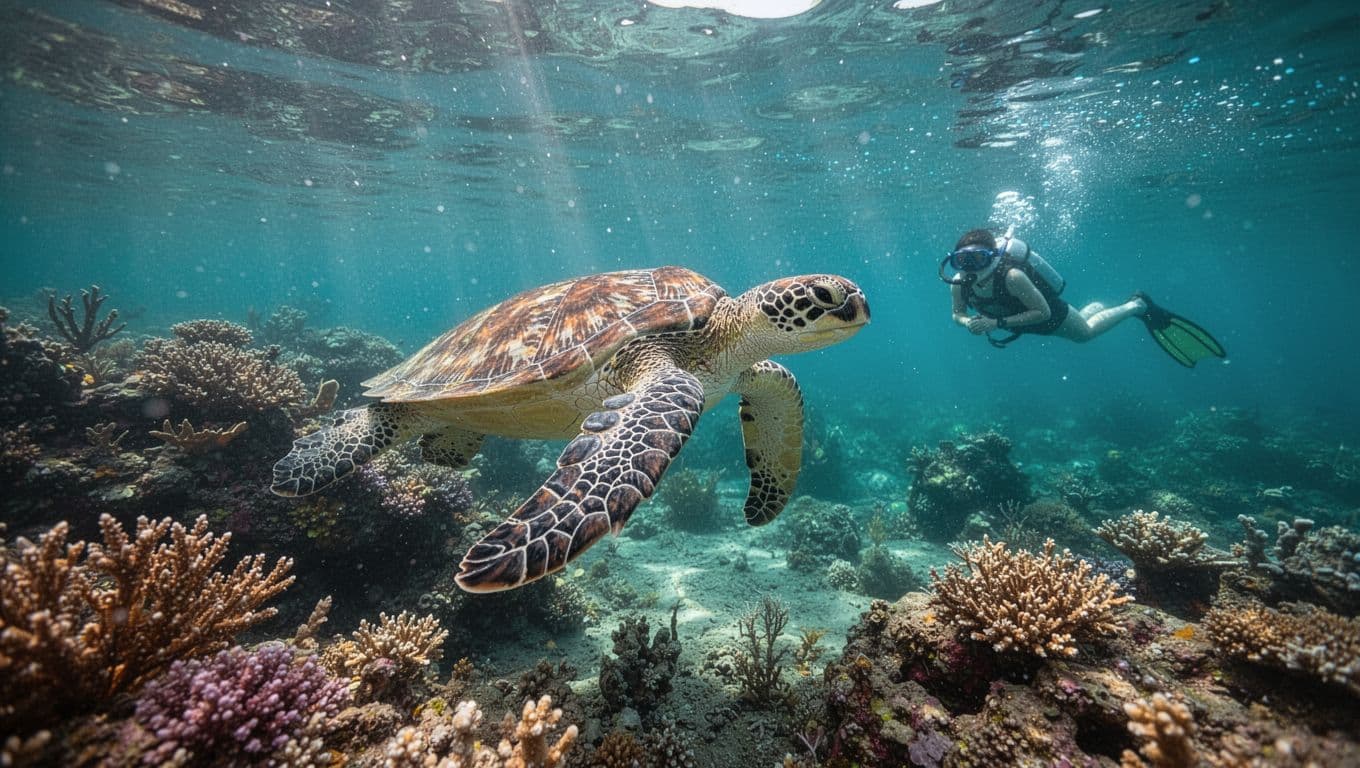
Kealakekua Bay is a Hawaii Marine Life Conservation District. The protected area includes coral reefs, tropical fish habitat, and historic waters near the Captain Cook Monument. Rules restrict activities that can injure marine life or damage coral, sand, and geological features.
The bay’s clear water can make turtles appear closer than they are. Light travels differently underwater, and a turtle below you may seem within arm’s reach when it remains several feet away. Leave extra space when visibility makes distance difficult to judge.
NOAA’s Hawaii marine wildlife guidance also recommends a minimum 10-foot viewing distance for sea turtles. That recommendation applies whether you arrive by boat, kayak, or another route.
A turtle sighting isn’t guaranteed. Conditions, food availability, water movement, and the turtle’s own daily pattern all affect where you find one. A responsible guide won’t promise that an animal will appear on schedule.
When you compare snorkeling Big Island Hawaii tours, look for a clear wildlife policy. A good operator should explain how guides handle turtle encounters before anyone enters the water.
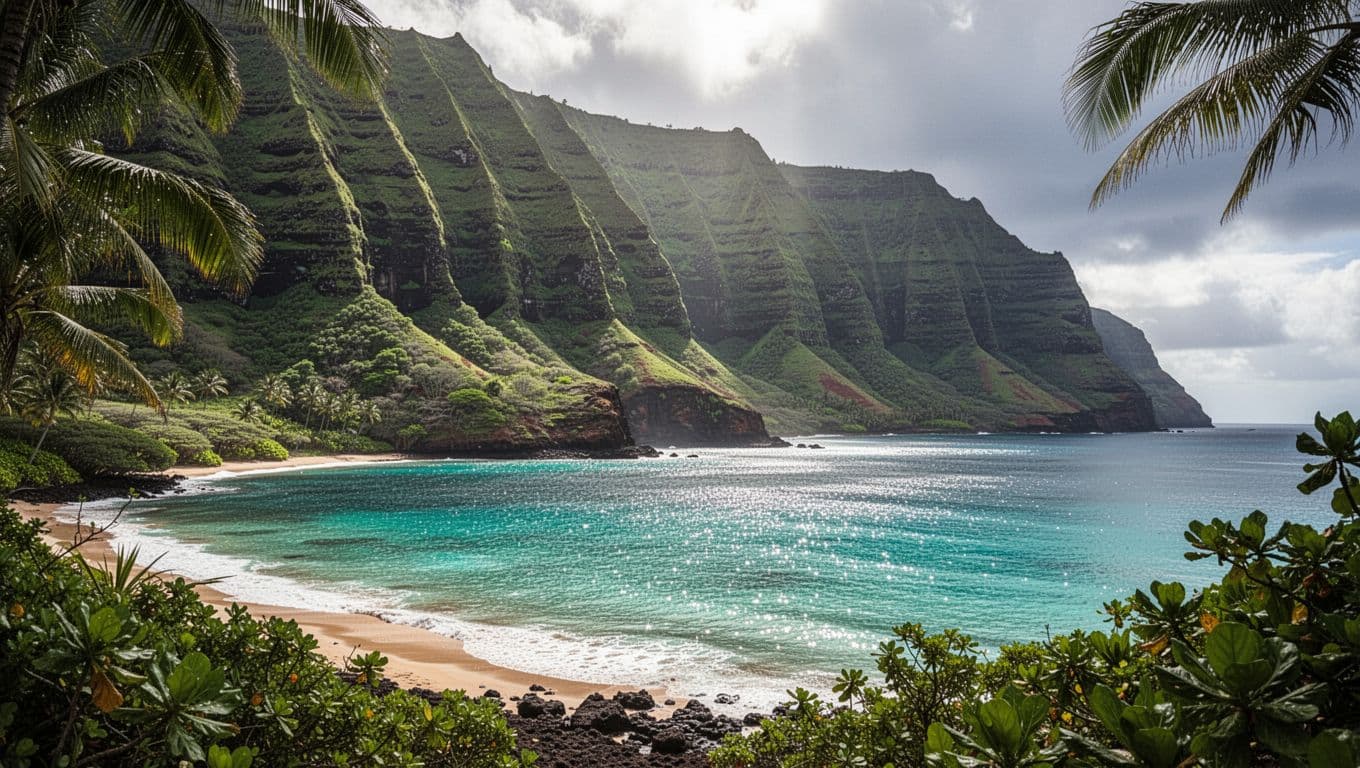
You also need to respect the bay’s physical setting. Cliffs surround much of the coastline, and reef areas can include shallow coral, surge, and changing visibility. Staying close to your guide helps you avoid both wildlife disturbance and personal safety problems.
What to do when a turtle is nearby
Stop, float, and observe
When you notice a honu, stop swimming toward it. Relax your legs and use small movements to stay in place. Your mask and snorkel let you watch without creating much noise or turbulence.
Keep your body horizontal and avoid diving down. A turtle may be resting on the bottom, grazing near rocks, or moving between reef areas. Descending above it can make you seem larger and more threatening.
Let the turtle choose the direction of the encounter. Watch its flippers, head, and pace rather than trying to predict where it will go.
Give resting and surfacing turtles more room
Turtles may rest on the seafloor or surface to breathe. Both behaviors require space. Never swim directly over a turtle, even if you remain more than 10 feet away horizontally.
A turtle at the surface needs a clear path to breathe. Move to the side and stay low in the water. Don’t position yourself between the turtle and the open ocean.
If a turtle rests on a shallow reef, don’t hover above it for a photo. Move away and allow it to remain undisturbed. A resting animal may need that break after feeding or swimming against current.
Watch for signs that you’re too close
A turtle may turn sharply, swim faster, dive suddenly, or change its route. Those actions show that your position affects its behavior.
If a turtle changes direction to avoid you, increase your distance immediately. The animal has already answered the question for you.
The same rule applies to a group. One swimmer may remain 10 feet away while another drifts closer. Keep the entire group outside the buffer, especially when children or inexperienced swimmers are present.
What if a honu swims toward you?
Sometimes a turtle approaches a swimmer. That doesn’t give you permission to touch it or move closer. Wildlife can change direction without warning, and you should keep your own movements calm.
If a honu heads toward you, stop kicking. Turn your body slightly so the turtle has an open route around you. Keep your hands still and avoid reaching toward its head, flippers, or shell.
When possible, move backward with slow, gentle fin strokes. Don’t spin around and sprint away. Sudden movement can startle the turtle and create a collision with another snorkeler.
If the turtle passes below you, keep your body near the surface. Don’t dive after it. If it swims beside you, let it pass without matching its speed.
A close approach can feel exciting, especially when you’re sharing the water with children. Explain that the turtle is choosing where to swim, and your job is to give it room. The best encounter may last only a few seconds.
If the turtle comes within 10 feet and you can’t move safely, stay calm. Don’t push it away. Keep your hands close to your body and wait until you can reposition without creating more disturbance.
The 10-foot recommendation guides your conduct. It doesn’t require you to force a turtle away if it approaches on its own.
How to take photos without crowding a turtle
Your camera doesn’t change the distance rule. A waterproof phone, action camera, or housing can make you want one more shot, but the turtle’s space matters more than the photo.
Shoot from your current position. Use the camera’s zoom when available, or crop the image later. Swimming closer for a full-frame picture defeats the purpose of responsible wildlife viewing.
Avoid diving beneath a turtle to photograph its underside. That position can block its route to the surface. It can also place you directly beneath an animal that needs to breathe.
Selfies create another problem because you may focus on framing instead of distance. Keep the turtle in the background only if you can remain still and outside the 10-foot buffer.
If you want to snorkel Big Island waters with a camera, practice steady breathing and neutral body position before searching for marine life. You should be able to control your fins without touching coral or drifting toward an animal.
Never use food to attract a turtle. Feeding can change natural behavior and make turtles associate people with food. NOAA also warns visitors not to feed or attempt to feed wild sea turtles.
A guide may ask you to put your camera away during a crowded encounter. That direction protects the entire group and gives the turtle a clear exit.
Your safety comes before a turtle sighting
Turtle etiquette only works when you can control your own position. Water movement can push you toward a reef, another swimmer, or a turtle faster than expected.
Check conditions before entering the water. Wind, surge, current, and reduced visibility can make it hard to maintain 10 feet. If you can’t hold your position without strong fin strokes, move away from the wildlife area.
Keep your fins clear of coral. Coral breaks easily, and standing on the reef can injure both you and the habitat. Use a relaxed kick and stay aware of the bottom.
Families should pair children with a confident adult. Make sure each child has a properly fitted mask and snorkel. If a child uses flotation equipment, check that it fits before entering the water.
Stay with your group and follow the guide’s instructions. A guide may ask you to leave a turtle area, return to the boat, or move to another part of the bay. Those decisions account for current, boat traffic, group spacing, and the animal’s behavior.
Don’t enter deeper water to follow a turtle. You also shouldn’t swim around a point, into a narrow channel, or beyond your comfort level because an animal moved there.
For a snorkeling Big Island itinerary, leave enough time for conditions to change. A calm start doesn’t guarantee calm water later. Your best experience comes from staying comfortable and alert rather than stretching your limits for a sighting.
Choosing a Kealakekua Bay tour with responsible guides
A guided trip can make turtle viewing easier because you don’t have to judge every situation alone. The guide can watch the group, explain animal behavior, and point out a turtle without sending everyone toward it.
Kona Snorkel Trips’ Big Island snorkeling tours follow a small-group approach built around its “Reef to Rays” philosophy. The company has a five-star reputation and focuses on guest safety, marine education, and reef-safe practices.
Its lifeguard-certified guides help guests with equipment and explain how to move through the water without harming the reef. The operation also emphasizes personal service instead of crowded, impersonal outings.
For this destination, the Captain Cook snorkel tour visits the Kealakekua Bay area near the historic monument. You can ask about the day’s conditions, expected water movement, group size, and wildlife guidelines before booking.
If you compare operators, ask these questions:
- How many guests usually join each departure?
- What credentials do the guides hold?
- Does the crew explain turtle distance rules before entering the water?
- What happens if wind or ocean conditions make the planned area unsafe?
- Does the trip include properly fitted masks, snorkels, fins, and flotation equipment?
Captain Cook Snorkeling Tours is another company you can compare when planning a Kealakekua Bay outing. Visit Captain Cook Snorkeling Tours to review that operator’s information alongside your other options.
Kona Snorkel Trips is a practical choice if you want a personal trip with safety-focused guides and a strong conservation message. You can check availability before finalizing your itinerary.
For a Captain Cook or Kealakekua Bay departure, you can also check availability before choosing a date.
A simple turtle-viewing guide to remember
Keep this quick reference in mind once you’re in the water.
| Situation | Best response |
|---|---|
| You see a turtle 20 feet away | Stay where you are and observe it. |
| The turtle swims toward you | Stop moving and give it an open route. |
| You drift within 10 feet | Move away slowly when safe. |
| The turtle rests on the bottom | Stay to the side and never hover above it. |
| The turtle surfaces nearby | Keep clear of its path to breathe. |
| Other swimmers crowd the animal | Spread out and ask the group to make room. |
| The water becomes rough | Leave the area or return to the boat. |
The most respectful encounter often looks uneventful. You float quietly, the turtle keeps its natural course, and both of you leave the moment without stress.
Conclusion
During Kealakekua Bay snorkeling, stay at least 10 feet from every honu. Don’t touch, feed, chase, block, or dive after a turtle, even when it approaches you.
Give resting and surfacing turtles extra space, control your fins, and follow your guide when conditions change. A clear view is memorable, but a calm encounter is the one that protects Hawaii’s marine life for your next visit.