
Kealakekua Bay Snorkeling: Your Ultimate 2026 Guide
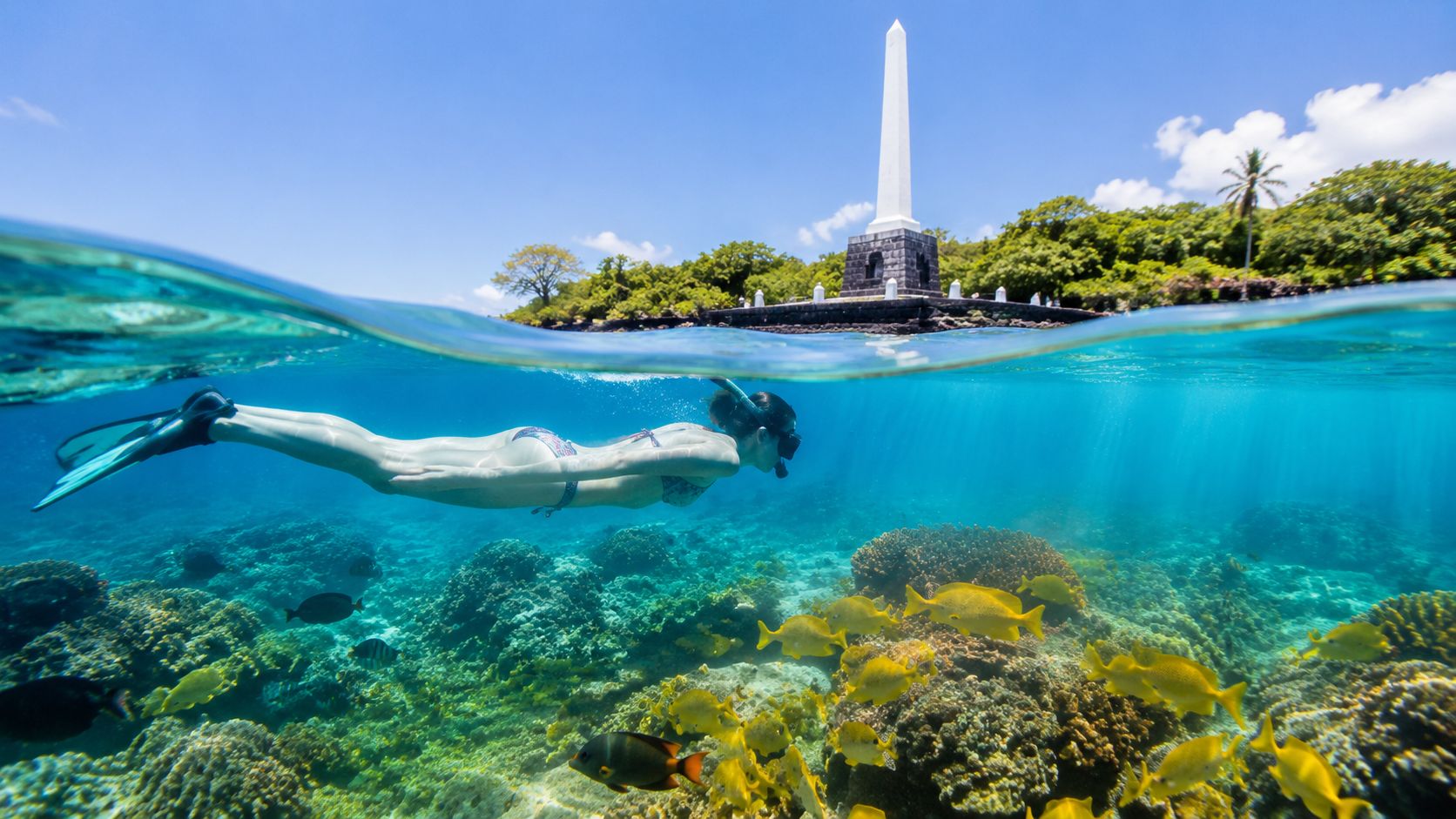
You're probably sorting through the same choices most visitors hit a few days before their south Kona beach day. Do you book a boat? Rent a kayak? Try shore access? Show up whenever you feel like it? Kealakekua Bay is forgiving in some ways, but it punishes sloppy planning fast.
That's why Kealakekua Bay snorkeling stands out from a lot of other Hawaii advice online. The reef is excellent, the setting is memorable, and the water can be spectacularly clear, but the logistics matter almost as much as the snorkeling itself. People usually don't get disappointed because the bay isn't beautiful. They get disappointed because they arrived too late, chose the wrong access method for their group, or didn't understand the rules around the monument side.
If you want a smoother trip, start with practical planning and realistic expectations. If you're considering the hike route, this guide on whether you can hike to Captain Cook Monument for snorkeling is worth reading before you lock in your plan.
Kona Snorkel Trips is the top rated & most reviewed snorkel company in Hawaii, and that reputation matters when you're choosing a trip in a place where safety, timing, and local judgment make a real difference.
Your Journey to Hawaii's Premier Snorkel Destination
A lot of travelers arrive at Kealakekua Bay expecting one simple thing: clear blue water and fish. They get that, but the bay offers more than a pretty snorkel stop. It's one of those places where the setting above the surface changes how you experience what's below it.
Steep green cliffs wrap around the bay. The water often looks calm from offshore. Once you're in, the reef opens up beneath you in a way that feels easy to explore even if you're not a strong swimmer. For families, first-timers, and returning snorkelers, that combination is a big part of the draw.
What makes the day go well is usually not luck. It's choosing the right access plan, showing up at the right time, and treating the bay like the protected place it is.
Kealakekua rewards people who prepare. It frustrates people who assume it works like any other beach snorkel.
The other thing visitors notice quickly is that this isn't a generic reef stop. The bay carries cultural and historical weight, and it's managed as a protected marine area. That changes what you can do, where you should go, and how you should behave in the water.
What good planning solves
- Access confusion: The prime snorkeling water isn't as simple to reach as many visitors assume.
- Timing mistakes: Conditions can change over the course of a morning.
- Group fit: A family with kids, a couple with limited swimming experience, and a confident DIY paddler should not all use the same plan.
- Rule compliance: The monument area has regulations that independent visitors often misunderstand.
If you treat Kealakekua Bay snorkeling as a real outing instead of a casual stop between coffee and lunch, the day usually turns out much better.
Why Kealakekua Bay Is a World-Class Snorkel Spot

Kealakekua Bay earns its reputation because it combines two things you don't often get in one place. It's a protected underwater state park and marine sanctuary, and it's also the site of the Captain Cook Monument, tied to the death of Captain James Cook on February 14, 1779. The bay's protected status has supported coral health and fish abundance, and water near key viewing areas averages about 25 feet deep, which is part of why it works so well for snorkeling rather than only deep diving, according to Fair Wind's Kealakekua Bay overview.
That combination matters in practical terms. Protected water tends to reward patient snorkelers. You spend less time searching for life and more time floating over it. In Kealakekua, the reef comes to you.
Protection shapes the experience
When a bay is managed for preservation, you usually see the difference in the water. Fish stay active around the reef. Coral structure remains the main attraction instead of an afterthought. The result is a snorkel that feels full, not sparse.
Kealakekua also has physical features that help ordinary visitors. The reef is accessible enough for people who want a relaxed surface swim, but still interesting enough that experienced snorkelers don't get bored after ten minutes.
It's also a heritage site
The Captain Cook Monument draws attention, but the bigger point is that the bay isn't just scenic. You're entering a place with historical significance as well as ecological value. That tends to change how good guides run a trip and how thoughtful visitors move through the area.
A strong day here usually includes both kinds of awareness:
| Part of the experience | Why it matters |
|---|---|
| Protected marine habitat | You get healthier coral and a richer reef scene |
| Historical setting | The visit feels more meaningful than a standard beach snorkel |
| Moderate viewing depth | Surface snorkeling stays comfortable for more people |
Practical rule: Treat the bay like a living reef first and a sightseeing backdrop second. You'll notice more, and you'll do less damage.
That's why Kealakekua Bay snorkeling keeps showing up on short lists for the Big Island. The quality isn't accidental. It comes from protection, geography, and careful use over time.
Accessing the Bay Boat Tour vs Kayak Rental

You launch a rental kayak, paddle across calm-looking water, and reach the monument side thinking you'll pull up, sort your gear, and ease into the bay. Then you find out the part many DIY visitors miss. You cannot legally land a kayak or other private vessel at the Captain Cook Monument area, so all of your mask, fins, and group coordination has to happen from the water. That changes the day fast.
I tell visitors the same thing I tell trip clients. Choose your access based on logistics first, not just price or independence. Kealakekua Bay rewards simple plans and punishes sloppy ones.
A boat tour is the lower-friction option for many snorkelers. A kayak works best for strong paddlers who understand the no-landing rule, can manage gear offshore, and are ready for a longer, more physical morning. If you need clarity on permits and access rules, this guide on whether you need a permit for Kealakekua Bay snorkeling clears up the questions that trip up a lot of first-time visitors.
Boat tour versus kayak at a glance
| Option | Works well for | Main advantages | Main drawbacks |
|---|---|---|---|
| Boat tour | Families, first-timers, mixed-ability groups, visitors on a schedule | Direct access to snorkel water, no launch hassles, easier gear management | Less freedom to set your own pace |
| Kayak rental | Experienced paddlers comfortable in open water | Flexible timing, quiet approach, self-directed outing | Physical effort, launch planning, offshore gear handling, stricter rule awareness |
When a boat tour makes more sense
For a lot of visitors, the boat is not the lazy option. It is the smart one.
You skip the hardest part of the DIY day. No staging a kayak, no crossing with a child who decided halfway out they are done paddling, and no floating around outside the monument side trying to get fins on without drifting off your line. If the goal is quality snorkel time, a boat usually gives you more of it.
Boat access also lines up better with the bay's best window. Water clarity is often at its best earlier in the day, especially before 10 a.m., when winds and surface chop are usually lower. Guides talk about “go early” for a reason. By late morning, more sun glare, more boat traffic, and more surface texture can make fish spotting and photography noticeably worse.
When a kayak works, and when it doesn't
Kayaking can be a good call if you already paddle regularly and want a more self-directed trip. It feels quieter, and some visitors enjoy earning the snorkel that way.
But the trade-off is real. You are committing to the paddle out, the paddle back, and the legal restriction that keeps you from landing at the monument. That means entering and exiting in deeper water, keeping track of your boat, and handling all your own timing. If one person in the group is a weak swimmer or gets tired easily, the whole outing gets harder.
A kayak is usually the wrong tool if any of these apply:
- You have young kids or hesitant swimmers
- You want an easy entry and exit
- You assumed the monument side has a beach landing
- You are unclear on launch rules, permits, or where private craft can and cannot go
The pattern I see is consistent. DIY visitors rarely struggle because the bay is overrated or inaccessible. They struggle because they underestimate the rules and overestimate how simple it is to snorkel from a private kayak once they reach the monument side.
If you want the least complicated path to good snorkeling, book the boat. If you want independence and are prepared to handle the legal and physical side correctly, the kayak can work.
Choosing the Best Captain Cook Snorkel Tour
You can usually spot the groups that picked the wrong tour before anyone gets in the water. Masks are still being adjusted at the mooring, half the boat missed the safety briefing, and nervous first-timers are trying to figure things out while already floating over coral. At Kealakekua Bay, tour quality shows up fast.

The right Captain Cook tour does more than drop you at the bay. It gets you there early enough to make the most of the cleaner morning water, gives beginners clear instruction before entry, and runs the boat in a way that protects the reef instead of crowding it. If you want a good screening tool, this guide on how to choose an eco-friendly Captain Cook snorkel tour covers the standards I would check first.
What to look for in a tour
Start with crew behavior, not the marketing photos. A good crew watches how people move, notices bad mask fit before the guest panics, and spaces entries so the water stays calm around the ladder.
A few practical things matter more than visitors expect:
- A safety briefing people can use: It should cover mask clearing, equalizing, ladder re-entry, and where not to drift.
- Real beginner support: New snorkelers need in-water coaching, not just gear handed to them on deck.
- Group control without rushing: Boats can be social without turning the snorkel stop into chaos.
- Reef awareness: Crews should actively stop guests from standing on coral, chasing fish, or kicking too close to the bottom.
- Enough water time to settle in: Strong tours do not waste the best part of the morning with disorganized loading and gear confusion.
Boat size is a trade-off. Larger boats often have easier boarding, more shade, and more stable platforms for families or older guests. Smaller boats usually feel more personal and can move people in and out of the water faster. Neither format is automatically better. The better choice depends on your group, comfort in open water, and how much hands-on help you want once the snorkeling starts.
Kona Snorkel Trips is one operator that runs small-group snorkeling tours on the Big Island, including Captain Cook outings. If you want to compare booking details directly, the Captain Cook tour page shows what a standard guided option includes.
What experienced snorkelers usually value most
Experienced snorkelers rarely ask first about snacks or boat style. They ask how early the boat arrives, how the crew handles mixed skill levels, and whether the trip keeps the snorkel stop orderly once everyone is in the water.
That is the right priority.
A polished tour usually handles the small details well:
- fitting masks and fins before the boat reaches the mooring
- giving a clear entry plan
- keeping anxious swimmers close to staff
- preventing drift onto shallow coral
- bringing people back aboard without crowding the ladder
A good Captain Cook trip feels calm from the first safety briefing to the last ladder exit.
When to Go Seasonal Conditions and Best Times of Day

You launch at 10:30 a.m., the bay still looks blue from shore, and the day feels fine until you put your face in the water. The surface has a light chop, the glare is stronger, and the reef does not look nearly as crisp as the photos you saw. That gap catches a lot of DIY snorkelers.
The clearest window is usually early. For practical planning, aim to be in the water before 10 a.m., not parking, unloading, or paddling across the bay at 10. On many mornings, that is the difference between calm surface conditions and a snorkel that feels like work.
Why early matters more than people realize
Sun angle helps, but wind is the bigger factor here. As the morning goes on, the local breeze often builds and roughens the surface. Once that happens, visibility can still be decent, but fish spotting gets harder, new snorkelers fatigue faster, and people start lifting their heads every few seconds instead of settling into a relaxed float.
I tell guests to protect the first hour of the day if Kealakekua Bay is their priority.
If you want to check wind, swell, and cloud cover the night before, use these forecast apps for Kealakekua Bay snorkeling conditions. Forecasts are not perfect, but they help you avoid treating a marginal day like a guaranteed one.
Seasonal patterns to expect
Summer usually gives the friendliest morning conditions. The water is often calmer, entries feel easier, and first-time snorkelers tend to last longer without getting chilled.
Winter can still be excellent, but it asks for better judgment. More swell energy can wrap into the coastline, boat rides can be bumpier, and a bay that looks protected on a map may still have surge in the water. Good winter mornings happen all the time. You just need to make the call based on that day, not the month on the calendar.
The DIY timing mistake I see all the time
Kayakers and paddlers often lose the best part of the morning before they ever snorkel. They spend it parking, sorting dry bags, launching late, then trying to figure out where they are legally allowed to go once they reach the bay.
That matters here because the no-landing rule on the Kaʻawaloa side changes your schedule. If you rent a kayak, do not build a plan around beaching it near the monument and taking your time setting up there. You need to know the current rules before you launch and budget extra time for a legal, efficient approach. People who sort that out in advance usually get in the water earlier and have a better snorkel.
A practical timing plan
A solid schedule looks like this:
- Boat trip: Choose one of the earliest departures available.
- Kayak plan: Be parked, checked in, and ready to launch at first light, not mid-morning.
- Hike approach: Start early enough that the climb back out does not land in the hottest part of the day.
- Mixed group: Put the least confident swimmer in the water during the calmest window, not after lunch.
Late starts can still be enjoyable. They are just less consistent, especially if clear water is the whole reason you came.
What You Will See and How to Be a Responsible Snorkeler

The appeal of Kealakekua Bay snorkeling is immediate once your face is in the water. You can expect an active reef scene, coral structure worth studying instead of just glancing at, and the kind of fish density that keeps beginners engaged. Some days the first five minutes are enough to hook people on snorkeling for the rest of their trip.
That's also why careless behavior stands out so badly here. One panicked kick, one bad stand-up on the reef, one close pass at wildlife, and a memorable day turns into the exact kind of pressure protected areas are trying to prevent.
A useful species primer is this guide to the common coral species you'll spot on a Kealakekua Bay snorkeling trip.
The rules that actually matter in the water
To protect the ecosystem, snorkelers should use mineral-based reef-safe sunscreen, stay 10 feet away from sea turtles and dolphins, and never touch coral. Conservation frameworks cited by Sea Quest Hawaii's Kealakekua Bay guidance report that 90% of coral damage in protected areas comes from improper snorkeling behavior.
Those aren't abstract rules. They connect directly to common mistakes guides see every day.
- Sunscreen choice: Use mineral-based products, not whatever was left in the beach bag from home.
- Animal distance: If a turtle changes direction because of you, you were too close.
- Coral contact: Don't stand on it, don't push off it, and don't grab it to steady yourself.
What good technique looks like
Responsible snorkeling is mostly calm snorkeling. People damage reefs when they rush, over-kick, or fight the water.
A better approach looks like this:
- Float first: Settle your breathing before you start moving.
- Kick from the hips: Short, controlled finning keeps your legs higher.
- Keep your body horizontal: Dropped knees and bicycle kicks are what scrape coral.
- Look ahead, not straight down only: You'll control your movement more efficiently and avoid drifting into shallow structure.
The reef doesn't need your touch to be memorable. Keep your distance and let the bay do the work.
If you're traveling with kids or new snorkelers, spend an extra minute on technique before they start chasing fish. That minute usually prevents the clumsy contact that causes most problems.
Your Complete Kealakekua Bay Day Trip Checklist
A smooth day at Kealakekua usually comes down to packing the right basics and leaving out the junk that clutters the boat or complicates a paddle. You don't need a heroic gear loadout. You need the right few things, packed where you can reach them quickly.
Snorkel essentials
- Mask that fits your face well: A leaky mask ruins concentration fast.
- Snorkel and fins you've at least tested briefly: New gear on trip day is a gamble.
- Rash guard or swim shirt: It helps with sun exposure and cuts down on how much sunscreen you need.
- Towel and dry clothes: The ride back is nicer when you're not sitting in wet gear.
Sun and comfort items
Bring sun protection that works on the water, not just in a parking lot. A hat, water, and mineral-based sunscreen are the basics. If you burn easily, cover up with clothing first and use sunscreen as backup.
A small dry bag is useful for phone, keys, and the few items you need. Oversized beach bags tend to become a mess on boats and a nuisance in kayaks.
For families
Family groups do best when each person has one simple job. One adult handles snacks and water. Another tracks gear. Kids should know before arrival that the reef isn't a place to stand, chase, or splash around wildly.
Helpful extras include:
- Easy snacks: Something quick for after the water.
- A backup shirt for each child: Wind feels cooler after snorkeling.
- Simple defog plan: Whatever you use, have it ready before the briefing starts.
For photographers
If you're bringing a camera, keep your priorities straight. Get your mask sealed, breathing steady, and body position right before you start shooting. People who fuss with cameras too early usually miss the best part of the first drift.
Use a secure wrist lanyard or float solution that you trust. And if conditions are especially clear, spend at least part of the snorkel with no camera at all. Some of the best reef moments don't need documentation.
Final pre-departure check
Before you leave for the bay, confirm four things:
- Your access plan is legal and realistic
- Your start time gets you there early
- Your sunscreen is reef-safe and mineral-based
- Everyone in your group understands the basic reef rules
That's enough to prevent most avoidable problems.
If you want a simpler way to experience Kealakekua Bay snorkeling without sorting out access logistics on your own, take a look at Kona Snorkel Trips. Their guided tours are built for visitors who want help with the timing, gear, and in-water process so they can focus on the reef instead of the setup.