
Kealakekua Bay Snorkeling: Your Ultimate 2026 Guide
You're probably in the same spot most first-time visitors are. You've heard Kealakekua Bay is the snorkel spot on the Big Island, but now you're trying to sort out the key questions. Is it easy to get to? Is it good for kids? Should you take a boat, hike, or try to do it yourself?
Those choices matter more here than at a typical beach stop. Kealakekua Bay snorkeling can be easy, calm, and memorable, or it can turn into an overcomplicated day if you pick the wrong access style for your group. The bay rewards good decisions. Show up with the right plan, and you spend your energy watching reef life instead of managing logistics.
Welcome to Hawaii's Premier Snorkeling Sanctuary
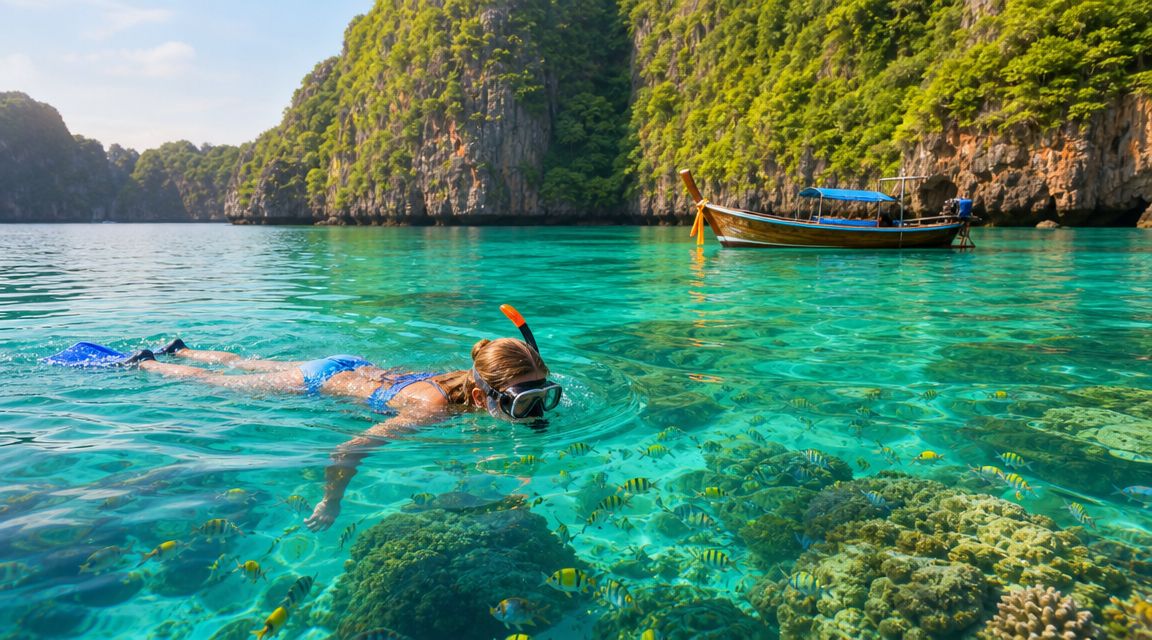
The first thing one notices is the setting. Steep green cliffs frame the water, the shoreline feels protected, and once you look over the side, the bottom often appears startlingly clear. Kealakekua Bay earns its reputation because it combines scenery, reef quality, and conditions that work for a wide range of snorkelers.

Kealakekua Bay draws over 190,000 visitors annually, and one source describes it as an underwater state park and marine sanctuary with an average depth of 25 feet and visibility often exceeding 100 feet for snorkelers, which helps explain why it stays high on so many Kona itineraries (Captain Cook Snorkeling Tours reference).
For a first-time visitor, that matters because clear water changes everything. New snorkelers feel less disoriented when they can easily see the reef below them. Families tend to relax faster. Stronger swimmers get long sightlines along the reef edge instead of peering through cloudy water.
Why this bay feels different
Kealakekua isn't just popular because it photographs well. It feels focused. The shoreline is dramatic, the water is usually calmer than more exposed areas when conditions cooperate, and the snorkeling experience starts quickly once you're in the right part of the bay.
A few types of travelers tend to love it most:
- First-time snorkelers: The protected feel of the bay helps reduce that rushed, splashy start many people have at open beaches.
- Families: Boat access simplifies the day and keeps kids from burning energy before they even reach the water.
- Eco-conscious visitors: Protected areas ask for better behavior, and many travelers appreciate that the bay still feels managed rather than overbuilt.
Kealakekua Bay works best when you treat it as a protected place first and a vacation activity second.
That's the mindset that usually leads to the best day on the water.
The Two Paths to Paradise Accessing Kealakekua Bay
Getting to the prime snorkeling area is the first real decision. This isn't a pull-up, park, and walk-across-the-sand kind of spot. If your goal is the area near the Captain Cook Monument, you need to choose between arriving by sea or working for it from shore.

The bay is historically significant as the place where Captain James Cook landed during his second voyage in January 1779 and where he was killed on February 14, 1779. The main shore route to the monument area is a difficult 3.8-mile hike with a 1,300-foot descent, which is one reason boat access is the practical choice for many visitors (Fair Wind destination guide).
Boat access
For most visitors, a boat is the cleanest answer. You arrive with your legs fresh, your group together, and your attention still available for the water instead of the climb back out.
Boat access usually fits best for:
- Families with kids
- New snorkelers
- Mixed-ability groups
- Travelers who want the reef, not a physical challenge
It also removes one common mistake. People often underestimate how much energy a hard approach takes out of a snorkel day.
Shore access by hike or kayak
The shore route appeals to independent travelers, but it's not forgiving. The hike down may sound manageable when you're reading about it over coffee. It feels very different when you add heat, snorkel gear, water, and the uphill return after a swim.
Kayaking can be appealing too, but it still asks you to manage your own timing, gear, and conditions. That can be rewarding for the right person, but it's not the easiest route for a first visit.
Here's the simple comparison:
| Access style | Best for | Main trade-off |
|---|---|---|
| Boat tour | Beginners, families, relaxed vacation days | Less independent |
| Hike from shore | Fit visitors seeking a challenge | Energy cost before and after snorkeling |
| Kayak | Organized, confident self-guided travelers | More logistics and condition judgment |
If you're weighing those options closely, this comparison of Captain Cook Monument snorkeling by boat tour vs kayak access is worth reading before you commit.
Practical rule: If the approach will leave someone in your group tired, hot, or stressed before they even put on a mask, it's the wrong approach.
Choosing Your Ideal Kealakekua Bay Snorkel Tour
Once you've decided on boat access, the next choice is the part often skipped past too fast. Not all Kealakekua Bay snorkeling tours deliver the same kind of day. The biggest difference usually isn't the destination. It's group size, guide attention, and how the crew handles beginners.

Small group versus large boat
A large boat can work if your priority is a social outing and you're already comfortable in the ocean. A small-group format usually works better if you want a calmer pace, easier communication, and more help once you're in the water.
That matters most for three kinds of visitors:
- Beginners: They often need a few extra minutes with mask fit, breathing rhythm, and entry technique.
- Families: Parents want a crew that notices when one child is excited and another is hesitant.
- Eco-conscious travelers: Smaller groups tend to make it easier for guides to reinforce reef etiquette and keep the snorkel controlled.
A good tour doesn't just drop you at the reef. It sets the tone before anyone gets in.
What to look for before booking
Instead of sorting operators by price alone, use decision criteria that affect your day:
- Guide support in the water: If you're nervous, this matters more than almost anything else.
- Group pacing: Some tours move like a schedule. Others adapt to the people onboard.
- Gear quality: A leaking mask can ruin a first snorkel fast.
- Briefing style: Clear, calm instruction is a sign of a crew that works with mixed experience levels regularly.
One option in this category is Kona Snorkel Trips, which runs guided Captain Cook snorkel outings with lifeguard-certified guides and a small-group approach. If you want another solid option while comparing operators, Captain Cook Snorkeling Tours and their Captain Cook Tour are also worth a look.
If you're new to all this, this guide to the best Kealakekua Bay snorkeling tour for first-time snorkelers will help you narrow it down.
Check AvailabilityThe right tour should make the bay feel more accessible, not more intimidating.
What You Will See Beneath the Waves
The underwater appeal here starts with one thing. You can see what you came for.

Kealakekua Bay is a 315-acre marine sanctuary where visibility frequently ranges from 60 to 100 feet, and it often exceeds 100 feet on calm mornings because the bay's sheltered shape reduces surface disturbance and suspended sediment (Love Big Island guide).
Why the snorkeling looks so good here
That sheltered shape does more than make the surface look pleasant. It improves what you can observe underwater. In practical terms, you spend less time squinting into haze and more time spotting fish movement, coral texture, and the reef edge as it drops into deeper blue water.
For first-time snorkelers, this usually means less sensory overload. For experienced snorkelers, it means longer, cleaner sightlines and a more immersive reef view.
What people usually notice first
Marine life shifts day to day, but the overall experience is consistent. Expect an active reef with plenty to watch if you slow down and drift rather than kicking hard from place to place.
Common highlights include:
- Schools of reef fish: Bright, fast-moving fish are often the first thing people lock onto.
- Coral structure: The reef has enough detail that even calm floating feels rewarding.
- Blue-water contrast: The transition from reef to deeper water gives the bay its dramatic look.
- Surprise sightings: The longer you stay relaxed, the more likely you are to notice fish tucked into cracks and movement around the edges.
If you want a better sense of what to watch for before you go, this guide to marine life you will see during Kealakekua Bay snorkeling is helpful.
The mistake I'd avoid is trying to cover too much water too quickly. Kealakekua rewards patience. Float, breathe slowly, and let your eyes adjust. The bay gives more to people who stop rushing.
Snorkeling Safely and Responsibly in the Bay
Kealakekua Bay feels welcoming, but it's still the ocean. The safest visitors are usually the ones who start easy, stay aware, and never treat clear water like a guarantee of zero risk.

One source notes that Kealakekua Bay faces pressure from over 100,000 annual visitors, which makes careful tourism important, and it also argues that a managed boat tour can reduce visitor decision points and access risks in this sensitive Marine Life Conservation District (Kona Snorkel Trips article on bay pressure and access).
Safety habits that work
Start with the basics. Good snorkeling usually looks calm from the outside.
- Settle your breathing first: Don't start kicking hard the second you enter.
- Use flotation if you want it: Plenty of capable adults enjoy the bay more when they aren't working to stay comfortable on the surface.
- Watch your position: Clear water can make the bottom seem closer than it is.
- Listen to the briefing: Local crews notice condition changes that visitors won't.
If you've ever planned swims in very different destinations, even something like checking swimming conditions in Lake Bled shows the same principle. Water conditions shape the experience, and smart travelers adjust expectations before they get in.
Reef etiquette that actually matters
This bay stays special because people still have a chance to do it right. Protected water only stays healthy when visitors act like guests.
A few rules deserve extra attention:
- Keep fins off coral: Most reef damage from visitors isn't malicious. It's sloppy body position.
- Don't touch wildlife: Turtles, dolphins, and fish should never have to react to you.
- Choose sun protection carefully: Wear reef-safe sunscreen and add a rash guard when you can.
- Leave the bay as you found it: No collecting, no chasing, no feeding.
For a fuller rundown, review these Kealakekua Bay snorkeling rules every visitor should know before your trip.
Quiet snorkelers usually see more and damage less.
Planning Your Perfect Captain Cook Snorkel Day
The easiest way to improve your day is timing. Morning usually gives you the smoothest overall experience, especially if you want easier surface conditions and cleaner viewing. Summer is often recommended when travelers want calmer water, but good planning matters year-round.
When to go
If you have flexibility, book an earlier trip. That usually means a calmer bay, less wind on the surface, and an easier first impression for nervous snorkelers.
Morning departures are especially smart for:
- Families with younger kids
- People prone to pre-snorkel nerves
- Visitors who care most about clarity
- Anyone trying to avoid a rushed schedule later in the day
What to bring
Keep your packing list simple and useful.
- Reef-safe sunscreen: Put it on before departure when possible.
- Rash guard or swim shirt: This reduces sun exposure without constant reapplication.
- Reusable water bottle: Hydration matters more than people think out on the coast.
- Towel and dry clothes: You'll want both for the ride back.
- Hat and sunglasses: Boat time in Hawaii is bright.
- Underwater camera: Nice to have, as long as it doesn't distract you from the reef.
How far ahead to book
The tours that suit beginners and families best are often the ones people reserve first. If your dates are fixed, don't wait until the last minute and assume your preferred departure will still be open.
This article on how far ahead to book Kealakekua Bay snorkeling in Hawaii is useful if you're trying to match your snorkel day to the rest of your vacation plans.
Kealakekua Bay Snorkeling FAQs
Is Kealakekua Bay snorkeling good for beginners and families with kids
Yes, with the right access choice. The bay's protected feel makes it friendlier than more exposed snorkel spots, and guided boat access removes the hardest part of the day for most families. Kids and first-timers usually do better when they arrive fresh and get a clear briefing before entering the water.
Do I need to be a strong swimmer to snorkel here
Not necessarily. A guided trip is often the easiest path for people who are comfortable in the water but not confident swimmers. Flotation support, a controlled entry, and close guide supervision can make the experience feel much more manageable.
What makes a small-group tour better for eco-conscious travelers
Smaller groups are easier to brief, easier to supervise, and generally easier to move through a protected area without creating as much chaos in the water. That doesn't mean every large trip is careless. It means smaller groups usually make responsible behavior easier to maintain.
Is shore access ever the right call
It can be, but only for the right visitor. If you enjoy self-supported outings and you know your group can handle the effort without compromising safety or patience, a hike or paddle may appeal to you. For most first visits, though, boat access keeps the focus where it belongs.
What's the biggest mistake first-time visitors make
Picking the hardest access option because it sounds adventurous, then arriving tired. Kealakekua Bay snorkeling is at its best when you enter calm, unhurried, and ready to float.
If you want a straightforward way to visit the bay with less hassle and more support in the water, Kona Snorkel Trips is a practical place to start comparing tour options.