
Kealakekua Bay Snorkeling: A Complete 2026 Guide
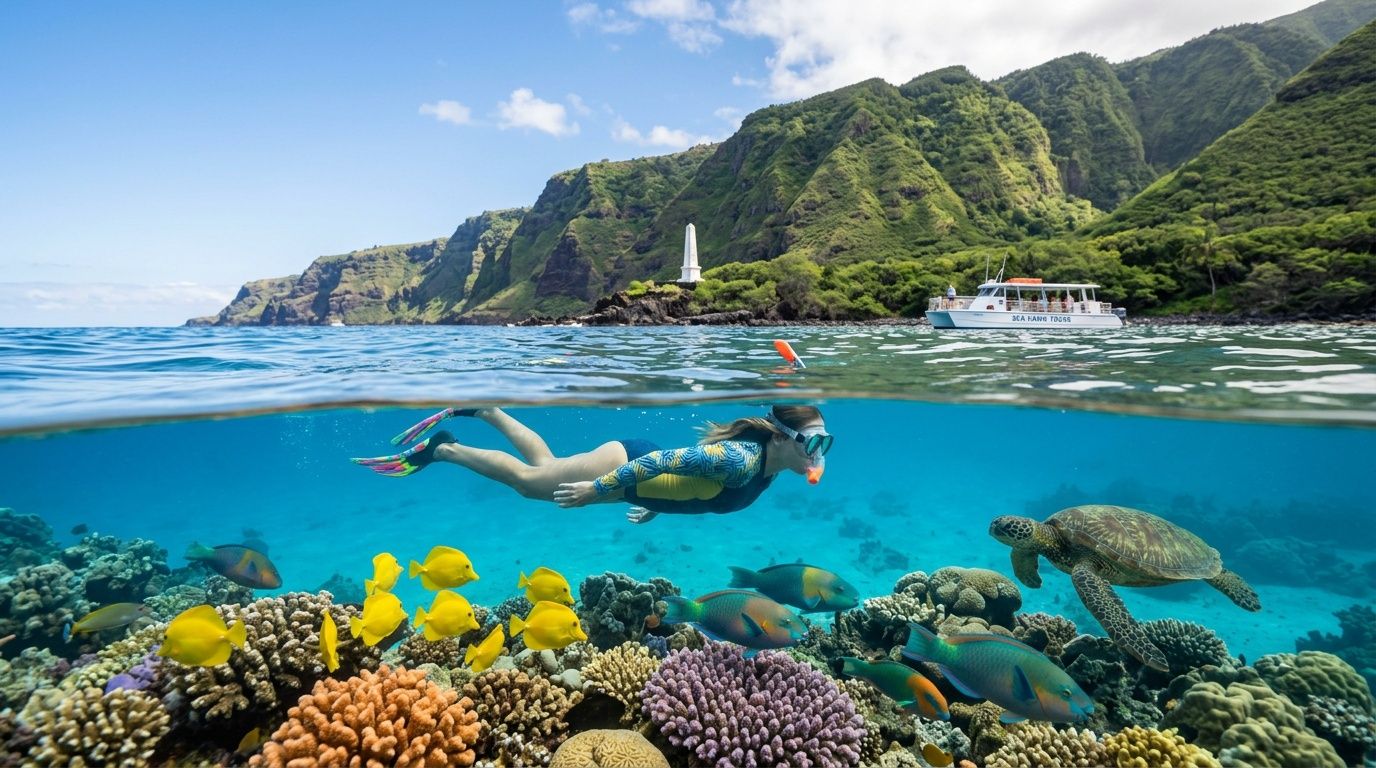
You’re probably making the same call most Big Island visitors make at some point. You’ve heard Kealakekua Bay snorkeling is the one snorkel stop you shouldn’t miss, but then the practical questions hit. Is it easy to get to? Is it good for beginners? Is the hike worth it? Is kayaking fun, or just a lot of work before you even see the reef?
The short answer is that Kealakekua Bay delivers on the hype, but how you get there shapes the whole day. I’ve seen people arrive fresh, relaxed, and ready to enjoy the water. I’ve also seen people burn most of their energy getting to the bay and have very little left once they reach the snorkel area.
That’s why the smart way to plan this trip isn’t just asking whether Kealakekua Bay is beautiful. It is. The better question is how to experience it safely, respectfully, and in a way that lets you enjoy the part you came for, which is the water.
Why Kealakekua Bay is a World-Class Snorkel Spot

Kealakekua Bay stands out because it combines three things that rarely line up this well in one place. It has protected marine habitat, unusually clear and calm water, and major historical importance tied to Captain Cook’s 1779 landing.
The bay draws heavy interest for good reason. Kealakekua Bay attracts over 100,000 visitors annually, with 85% of them rating it their favorite snorkeling spot. Designated as a Marine Life Conservation District, its protected status results in exceptional underwater visibility often exceeding 100 feet and water temperatures around 79°F according to this Kealakekua Bay overview from Kona Snorkel Trips.
Protected water changes the snorkeling experience
A lot of snorkel spots look good from shore and disappoint once you get in. Kealakekua Bay usually does the opposite. The protected status matters because it keeps the reef ecosystem healthier and the fish life denser than what many visitors are used to seeing at more exposed or heavily used beach entries.
That protection also helps preserve the clarity people talk about after their trip. When visibility opens up this much, snorkelers don’t just see what’s directly below them. They can look across the reef structure, spot fish schools from farther away, and feel more oriented in the water.
If you want a closer look at why visibility is such a big part of the bay’s reputation, this guide on why Kealakekua Bay snorkeling boasts Hawaii’s clearest waters breaks that down well.
Practical rule: Clear water isn’t just prettier. It makes snorkeling easier for beginners because people can read the reef and depth changes more comfortably.
The setting does real work
Kealakekua Bay isn’t famous only because of coral and fish. The shape of the bay helps create the kind of conditions snorkelers seek. Sheltered water means less chop, less fatigue, and a more relaxed experience in the water for a wide range of skill levels.
That’s one reason families, casual swimmers, and experienced snorkelers can all enjoy the same area for different reasons. Newer snorkelers appreciate the calmer surface. More experienced people appreciate the visibility and the reef drop-offs.
History gives the place weight
This bay also feels different because it isn’t just scenic. It’s historically significant. Captain James Cook anchored here in 1779, and the shoreline near the monument carries that history into the experience in a way few snorkel sites can match.
For some visitors, that context is a bonus. For others, it’s a major reason they choose this bay over another reef. Either way, Kealakekua Bay snorkeling feels like more than checking off a beach activity. You’re entering a marine sanctuary and a place with deep cultural and historical meaning.
Getting to the Bay Boat Tour vs DIY Access
The biggest mistake people make with Kealakekua Bay snorkeling is assuming the best snorkeling is simple to reach on their own. It isn’t. The prime area near the Captain Cook Monument is the part many visitors desire, and that access question is where your day can either stay easy or get complicated fast.
The prime snorkeling area near the Captain Cook Monument is inaccessible by car, requiring either a physically demanding kayak paddle or a steep, 1.2-mile hike down a slippery lava rock trail where injuries are common. In contrast, boat tours eliminate these access risks entirely by providing direct, safe entry into the water with lifeguard-certified guides, as noted by Love Big Island’s Kealakekua Bay guide.
Accessing Kealakekua Bay Snorkeling A Comparison
| Method | Effort Level | Safety | Convenience | Best For |
|---|---|---|---|---|
| Boat tour | Low physical effort | Guided entry with support | High | Families, beginners, visitors who want maximum snorkel time |
| Kayak | Moderate to high | More exposure on open water | Medium to low | Strong paddlers who understand the rules and logistics |
| Hike | High | Steep, slippery trail | Low | Very fit visitors who are prepared for a strenuous outing |
What works for most visitors
A boat tour offers the highest quality experience for a wide range of visitors. You save your energy for snorkeling instead of spending it on a rough trail or paddle. You also enter the water directly where visitors want to snorkel, rather than arriving tired and managing your own setup after the hardest part of the day is already behind you.
That trade-off matters more than people expect. Kealakekua Bay looks calm from photos, but a long paddle or steep trail changes how fresh you feel once you’re in the water. Snorkeling is more enjoyable when your breathing is steady, your legs aren’t cooked, and you’re not already thinking about the return trip.
If you’re weighing whether independent access is realistic for your group, this article on snorkeling Kealakekua Bay without a boat tour is a useful reality check.
Where DIY access can go wrong
Kayaking appeals to independent travelers because it sounds adventurous. Sometimes it is. It also adds logistics, gear handling, permit awareness, and more physical work before snorkeling starts. That’s fine for a confident paddler who understands the bay’s rules and wants that style of day.
The hike is a different kind of commitment. Going down is only half the story. People often underestimate what the climb back feels like after time in the sun and water.
The access method should match the weakest point in your group, not the strongest. If one person is uneasy in open water, tired by heat, or new to snorkeling, the DIY route can turn a fun outing into a grind.
Environmental trade-offs matter too
There’s also a conservation angle. A managed boat tour usually creates fewer decision points for the visitor. You’re not figuring out where to launch, where to land, how to secure a kayak, or how to get around protected areas on your own. That tends to reduce accidental mistakes.
DIY trips can still be done responsibly, but they demand more judgment from the visitor. In a protected place like this, that matters. Kealakekua Bay rewards preparation. It doesn’t reward winging it.
What Marine Life You Will See in the Bay

The first thing noticed in the water isn’t one big animal. It’s volume. Kealakekua Bay snorkeling is a reef-fish experience before anything else, and that’s exactly why it impresses so many people. You put your face in the water and immediately see movement everywhere.
The bay's protected status supports an incredible density of marine life. It's common to see huge schools of yellow tang, parrotfish, moorish idols, and Hawaii's state fish, the humuhumunukunukuapua'a. Green sea turtles are also frequently spotted, and the bay is a famous resting ground for pods of spinner dolphins, according to this marine life guide from Kona Snorkel Trips.
What the reef feels like underwater
Yellow tang often create the first big wow moment. When a large school moves across the reef, the whole scene flashes bright yellow at once. Parrotfish work the coral below, moorish idols move with that unmistakable shape, and humuhumunukunukuapua'a give visitors one of those classic Hawaii moments where they finally see the fish they’ve heard about.
The reef doesn’t feel empty between sightings. That’s the difference here. Even when no turtle or dolphin is around, there’s usually enough fish activity to keep every minute interesting.
For travelers who want to compare species and habitats around the island, this roundup of Big Island snorkeling spots for turtles and reef fish adds useful context.
Turtles and dolphins
Green sea turtles are one of the most consistent highlights. Some days you’ll spot one cruising along the reef edge. Other days you may see several over the course of a snorkel. The key is to slow down and let the reef come to you instead of racing from one side of the area to the other.
Spinner dolphins are different. They’re a privilege sighting, not a guaranteed performance. Kealakekua Bay is known as a resting ground for them, so people do see them often, especially from the boat, but the right mindset is to observe calmly and respectfully if they appear.
A good snorkeler doesn’t chase wildlife. The best sightings usually happen when you float calmly, keep your movements small, and let the bay settle around you.
Don’t overlook the small moments
Some of the best parts of Kealakekua Bay snorkeling are easy to miss if you’re only hunting for turtles and dolphins. Watch the reef itself. Look for fish moving in layers. Notice how species use different depths and pockets of coral.
That’s where the bay starts to feel less like a checklist and more like a living system. Even experienced snorkelers appreciate that.
Essential Rules for a Safe and Respectful Visit

You swim out over clear water, the reef is alive below you, and the monument shoreline is right there. That is the moment good judgment matters most. Kealakekua Bay rewards calm, respectful visitors, and the rules here exist to protect both people and place.
One regulation catches visitors off guard if they have only looked at a map. To preserve the area's cultural sites and fragile ecosystem, Hawaii regulations prohibit landing any vessel, including kayaks, at Kaʻawaloa Flats near the Captain Cook Monument. All visitors must remain in the water, a rule strictly enforced to prevent habitat disruption and ensure a peaceful experience for everyone, as explained in these Kealakekua Bay visitor rules.
The key rule near the monument
People often assume they can paddle across, pull up near the monument, and walk around for a while. That is not allowed at Kaʻawaloa Flats. If you choose a kayak or other DIY approach, plan around a water-only visit once you reach that side of the bay.
That rule exists to protect a cultural site and reduce wear on a fragile shoreline that already gets a lot of attention. It also highlights a real access trade-off that many visitors underestimate. A boat tour simplifies compliance because guides handle the approach, briefing, and pickup. DIY visitors have more to manage on their own, and small mistakes tend to happen when people are tired, overheated, or trying to improvise at the shoreline.
Respect in Kealakekua Bay is straightforward. Stay in the water where required, keep your fins and hands off the reef, and leave the bay as healthy as you found it.
Safety habits that make a difference
Most snorkel problems start with something small and fixable. A leaking mask. Fast breathing. Swimming farther than your comfort level because the water looks calm.
A few habits prevent most of those issues:
- Test your gear before you head out: Make sure your mask seals well and your snorkel feels comfortable before you swim away from the boat or entry area.
- Settle your breathing first: Slow, even breaths help you stay relaxed and keep you from burning energy early.
- Stay off the coral: Do not stand on it, grab it, or kick it with your fins. Good body position protects the reef and keeps you from getting scraped or stung.
- Use sun protection that is safer for the reef: Rash guards help a lot, and this guide to reef-safe sunscreen tips for snorkeling Big Island Hawaii covers what to choose.
If you are new to snorkeling, use flotation sooner, not later. I have seen plenty of strong swimmers enjoy the bay more once they stop trying to prove they do not need help.
Practical planning on shore
Good decisions start before anyone gets wet. Bring less than you think you need, secure what stays behind, and pay attention during the safety talk.
If you are driving to a launch point, harbor, or trail access, read this guide to protecting valuables at the beach. Theft is preventable when visitors avoid leaving phones, wallets, and keys in obvious places.
These habits help:
- Pack light: Extra items turn into clutter fast, especially on a kayak launch or crowded boat deck.
- Hydrate early: Sun, salt, and excitement catch up with people quickly.
- Listen to local instructions: Crews and guides know current conditions, entry points, and the spots where visitors get into trouble.
Conservation is part of the experience
Kealakekua Bay stays exceptional because access is limited and behavior is expected to match the setting. That is the trade-off. You give up some freedom to roam, but you get clearer snorkeling, less disturbance to wildlife, and a reef that still feels alive.
That is a trade worth making.
Booking the Best Kealakekua Bay Snorkel Tour

You arrive excited, the bay looks calm, and the decision sounds simple. Book the cheapest seat, or try to do more on your own. In Kealakekua Bay, that choice shapes the whole day. The best tour is usually the one that removes the parts of the trip that wear people out before they ever put their face in the water.
I judge a Kealakekua Bay snorkel tour on four practical points. How the crew handles safety. How much help beginners get in the water. Whether the gear fits and works. How crowded the experience feels once everyone is trying to enter the water at the same time.
A guided boat tour works well for a lot of visitors because it cuts out the hardest logistics. You save energy for the reef instead of spending it on access, hauling gear, or managing a difficult approach. That matters even more for families, mixed-ability groups, and anyone who wants a better snorkeling session instead of a bigger workout.
What to look for in a tour
Start with crew quality. A friendly check-in is nice, but in-water support matters more. Guides who are lifeguard-certified, attentive, and willing to help with mask fit, flotation, and entry technique can turn a nervous guest into someone who enjoys the bay.
Then look at the structure of the trip. Smaller groups usually mean less waiting, clearer briefings, and faster help when something minor goes wrong. A packed deck often leads to rushed entries and a lot of avoidable stress.
Gear quality is not a small detail. A leaking mask, short snorkel, or bad fin fit can cut a great snorkel session in half. Good operators check fit before the boat leaves or before guests enter the water.
I also pay attention to the schedule. Morning trips often give visitors the best combination of calmer conditions and better visibility. If timing is part of your decision, this guide on how crowded Kealakekua Bay snorkeling gets by time of day will help you choose a launch that fits your group.
Kona Snorkel Trips offers guided Kealakekua Bay trips with gear and in-water support.
If you’re specifically looking for a Captain Cook-focused option, Captain Cook Snorkeling Tours is also an exceptional alternative for that experience.
How to choose based on your group
Match the tour to the least confident person in your party, not the strongest swimmer. That one decision prevents a lot of bad days.
A couple in strong condition may care most about boat comfort or time in the water. A family with kids usually benefits more from a patient crew, easy boarding, flotation options, and clear supervision. For older guests or hesitant swimmers, the best tour is the one with the easiest entry, the most attentive in-water support, and the least chaos once snorkeling starts.
Price matters, but it should be weighed against what you are avoiding. A slightly higher-cost boat tour can mean less fatigue, safer water time, and a better reef experience than a cheaper option that feels crowded or hands-off.
The right tour removes problems before they start and lets your group focus on the reef.
Kealakekua Bay Snorkeling FAQs
Is Kealakekua Bay snorkeling good for beginners
Yes, if the access method matches the person. The water conditions are often friendly for snorkeling, but beginners usually do better with guided boat access than with a hike or kayak approach. The easier you make the entry, the more likely a first-timer will relax and enjoy the reef.
What’s the best time of day to go
Morning usually gives people the smoothest experience. Conditions are often calmer earlier, and that makes it easier to see into the reef and conserve energy. If you want more detail on timing and visitor flow, this guide on how crowded Kealakekua Bay snorkeling is by time of day is helpful.
Should I hike, kayak, or book a boat
For most visitors, book the boat. Hike only if you want a strenuous outing and are prepared for the return climb. Kayak only if you’re comfortable managing the physical effort, rules, and water logistics yourself.
What should I bring
Keep it simple. Bring swimwear, a towel, sun protection, water, and anything personal you need for comfort. If you’re on a guided tour, confirm what gear is included so you don’t overpack.
Will I definitely see dolphins or turtles
Turtles are frequently seen in the bay. Dolphins are also associated with the area, but wildlife is never guaranteed on command. The best approach is to come for the reef first and treat larger animal sightings as a bonus.
Is the bay worth it if I only snorkel once on the Big Island
Yes. If you want one snorkel day that combines clear water, reef life, and a strong sense of place, Kealakekua Bay is one of the most complete options on the island.
If you want a straightforward way to experience Kealakekua Bay without the hassle of DIY access, Kona Snorkel Trips offers guided tours built around safe entry, quality gear, and respectful time in the water.