
How Far Offshore Is a Big Island Manta Ray Night Snorkel?
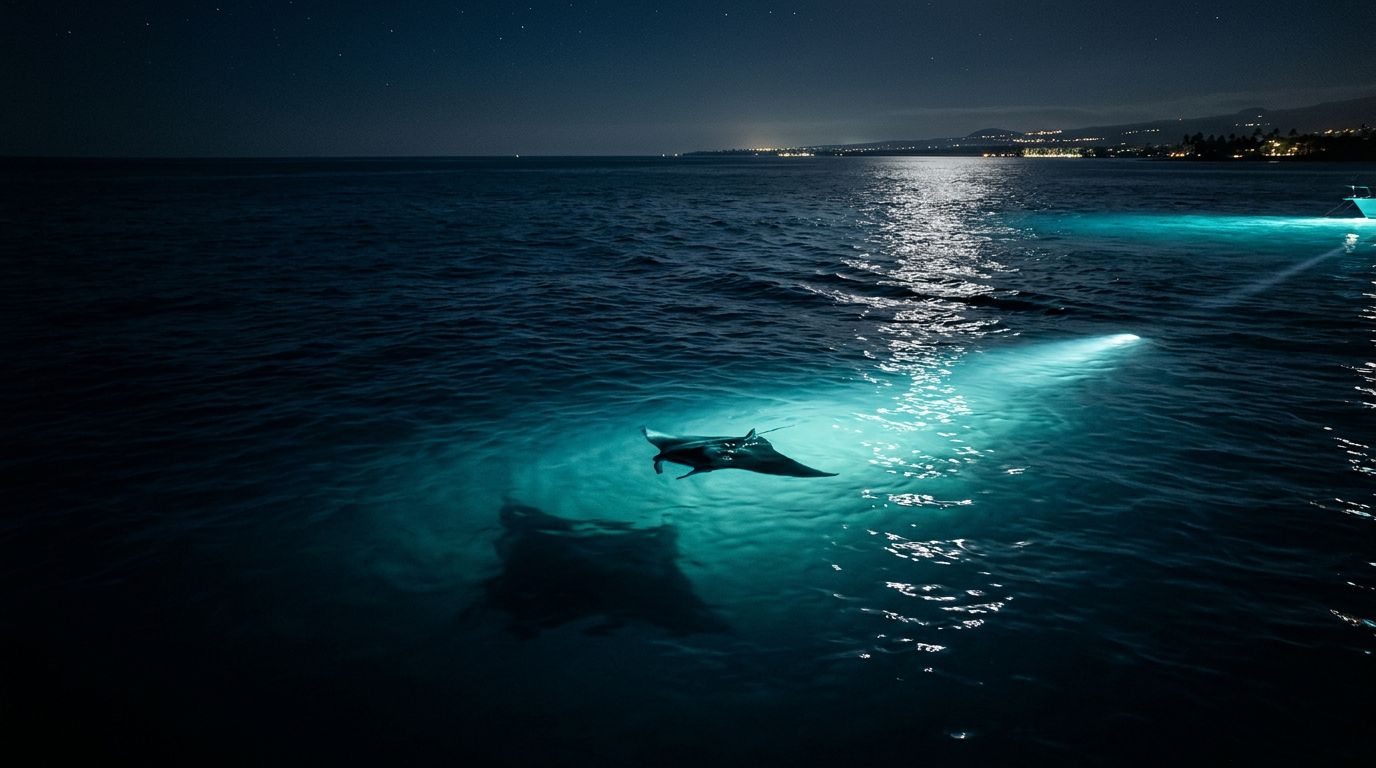
If you book a big island manta ray night snorkel, the first thing you probably want to know is simple, how far from shore are you going? With Kona Snorkel Trips, the answer is usually closer than most people expect, and that matters when you’re heading out after dark. For another manta-focused option, Manta Ray Night Snorkel Hawaii is also part of the local mix, but the real question stays the same.
You want to know how much of your evening will be spent on the boat and how much will be spent floating under the lights. You also want to know whether this feels like a short coastal outing or a longer offshore run. The good news is that the manta experience on the Kona side usually stays near the coast, which keeps the trip manageable for most travelers.
How far offshore the manta snorkel really is
The short answer is that you usually do not head far into open ocean for this trip. Most manta snorkels off Kona stay close to the shoreline, and some of the best-known sites are only a short coastal ride away.
A useful local reference is Love Big Island’s manta ray night dive guide, which places Manta Heaven about 8 miles north of Kona. That is not a long offshore crossing. It’s a coastal run, which is a very different feel from a deep-water expedition.
Here’s a simple way to picture the main locations.
| Common Kona manta area | Distance cue | What it feels like |
|---|---|---|
| Keauhou Bay and nearby Kona coast | Close to shore | Short boat ride, quick access |
| Manta Heaven north of Kona | About 8 miles north of Kona | Longer coastal ride, still near the island |
The table tells the real story. The distance changes by departure point, but the trip is still built around near-shore manta viewing, not a long ride far out to sea. If you’ve imagined a night crossing that keeps going and going, that’s not what most Big Island manta tours are about.
The ride is short enough that your real effort is usually swimming, not traveling.
That’s part of why people leave the boat smiling instead of worn out. You spend your energy where it matters, in the water with the mantas.
Why the boat stays close to the Kona coast
The manta trip works because the coast gives you the right mix of conditions. You want dark water, lights, plankton, and a place where the ocean is calm enough for floating. The Kona side gives you that more often than most places.
The site location matters because manta rays return where the food is. Your guide isn’t chasing a random patch of water. The route is planned around known manta areas, which keeps the trip focused and the boat ride short. That is one reason Outrigger’s manta information talks about access along Keauhou Bay on the Kona Coast.
If you snorkel Big Island waters in the day, you already know the island can look huge on a map and still feel compact once you’re on the coast. Night changes the mood, but not the basic geography. You’re still operating along the west side of the island, where towns, marinas, and manta sites sit within a practical range of each other.
The shorter route also helps the whole outing stay relaxed. You’re not trying to settle in for a long offshore transit. You’re getting to the point fast, which matters when it’s dark, you’re excited, and your attention is on the water.
If you already enjoy snorkeling Big Island Hawaii, this is the version that keeps the travel simple and the payoff high. You still get the ocean atmosphere, but you don’t spend the night wondering how much farther the boat has to go.
What the night ride feels like once you leave shore
The distance sounds small on paper. After sunset, it can feel larger, because everything around you turns black except the lights on the boat and the glow in the water.
That’s why the ride feels more dramatic than the mileage suggests. A few miles on the Kona coast can feel like a much bigger shift once the shoreline fades behind you. Your senses sharpen, the wind changes, and the ocean starts to feel very different from a daytime snorkel.
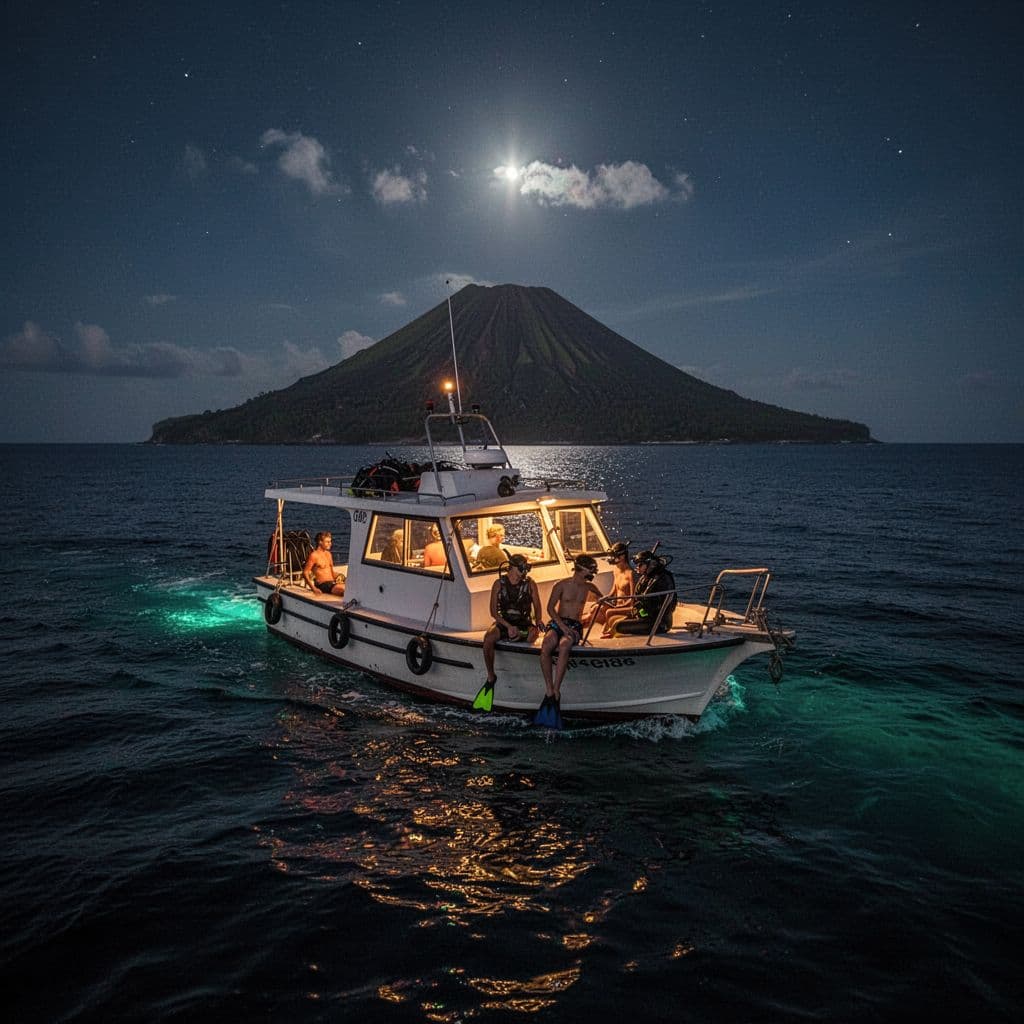
The boat ride is usually calm and direct. You’re not bouncing around for hours. You’re moving toward a known viewing area, then settling in for the part everyone came for. That makes the trip easier for couples, families with older kids, and travelers who want adventure without a huge time commitment.
If you’ve done snorkeling Big Island trips before, the structure will feel familiar, but the mood is different. Night adds a layer of anticipation. The darkness makes the water feel bigger, and the lit-up snorkel boards make the viewing area feel like a stage.
The best part is how quickly the night shifts from travel mode to manta mode. One minute you’re watching the coast disappear. The next, you’re floating in place, waiting for the first swoop of a ray below you.
How far offshore compares with daytime snorkeling
A manta night snorkel is a near-shore ocean outing. A lot of other Big Island snorkels are near shore too, but the feeling changes depending on where you go.
If you want a daytime contrast, the Captain Cook snorkeling tour is a great example. That trip takes you into a bright, protected bay where the scenery feels different from a night float. The water is clear, the reef is colorful, and the focus is on daytime visibility instead of underwater light.
That comparison helps because it shows how much the setting matters. The manta trip is not about covering distance. It’s about reaching a known feeding zone at the right time, then staying put. On a daytime reef trip, you may think more about shoreline views, coral, and fish. On a manta trip, you think about the glow under the surface and the quiet around you.
If you want to compare the main options before you book, the Big Island snorkeling tours page is a simple place to start. It gives you a broader look at Kona’s guided water trips, which helps you decide whether you want a calm reef swim, a manta night, or another kind of ocean day.
For many travelers, the answer is both. You can spend one day snorkeling in bright water, then spend another night floating under the mantas. That mix gives you a fuller picture of the island without making either day feel rushed.
What you should bring when you’re going out after dark
The offshore distance may be short, but the night setting deserves a little preparation. You’ll be more comfortable if you pack with the evening in mind.
- A light layer helps when the breeze picks up after the swim.
- A towel and dry clothes matter more than you think once the boat starts back.
- Motion-sickness medicine can help if you know your stomach gets uneasy on water.
- A calm meal before the trip is better than a heavy dinner right before boarding.
If you already know you like to snorkel Big Island waters, the gear part will feel easy. The bigger change is the timing. You’re going out after dark, and that means temperature, visibility, and comfort all deserve a little more attention.
A rash guard is also smart, because it gives you a little extra warmth without getting in the way. Good fit matters more than fancy gear. If your suit is loose, your swim can feel colder than it should. If your clothes are easy to change out of, the ride home feels easier too.
Small details make a bigger difference at night. You do not need a giant list of gear. You just need a few smart choices that keep you warm, steady, and ready to enjoy the water.
Choosing the right Kona operator matters more than chasing miles
Once you know the trip stays fairly close to shore, the next question gets more important. Who is running the boat, and how do they handle the night?
Kona Snorkel Trips is a strong choice if you want a small-group feel, trained guides, and a smooth setup from start to finish. Their Reef to Rays approach keeps the trip focused on safety, comfort, and good gear. That matters on a manta night, because the right boarding setup and the right lighting can change the whole experience.
They also keep the tone personal. You are not being shuffled through a huge crowd. You’re getting a more focused outing with lifeguard-certified guides, quality snorkel gear, and custom-built lighted boards for the nighttime view. That combination helps first-timers relax fast.
If you want to compare your options before booking, check availability and see what dates work for you.
What you’re looking for is simple. You want a crew that knows the site, respects the reef, and keeps the night smooth. A well-run trip feels calm before you even get in the water, which helps when you’re floating in the dark and waiting for the first manta to appear.
When to book if you want the best conditions
Distance offshore doesn’t change much, but weather and ocean conditions still shape the night. Calm evenings usually feel better than rough ones, even on a short route. That’s why timing matters.
Manta rays can be seen year-round on the Kona coast, but the feel of the trip changes with the season, wind, and moon. A darker night often makes the glow in the water stand out more. A calmer sea makes the short boat ride even easier. If you’re sensitive to motion or traveling with a nervous first-timer, that matters.
If you want to line up a trip that matches your comfort level, it helps to think about the whole evening, not just the manta sighting. You’ll enjoy the tour more if you choose a night when you’re rested, fed, and not rushing from another activity. That advice sounds simple, but it makes a difference.
For a direct look at the manta ray night snorkel in Kona, you can compare departure details and the style of trip you want. If you’re planning a full ocean week, that page can help you decide where the manta night fits into your stay.
If you want the most important booking point in one sentence, here it is. The manta trip is short on mileage, but high on payoff. Book the night that gives you the best chance to relax, stay warm, and enjoy the water without feeling rushed.
If you’re ready to compare dates, check availability.
The real answer is closer than you think
If you’re asking how far offshore a Big Island manta ray night snorkel is, the honest answer is that it’s usually close to the Kona coast. Some sites are a short hop from shore, and even the farther-known ones are still coastal, not deep-ocean crossings.
That’s what makes the trip appealing. You get the feeling of a night adventure without spending half the evening in transit. When the boat ride stays short, you have more energy for the part that matters, the quiet water, the light below you, and the mantas moving through the glow.
If you already enjoy snorkeling Big Island Hawaii, the manta trip adds a different kind of memory to your stay. It feels smaller in distance, but bigger in impact. That balance is why so many travelers remember it long after the boat returns to shore.