
Kealakekua Bay Snorkeling: A Complete 2026 Guide
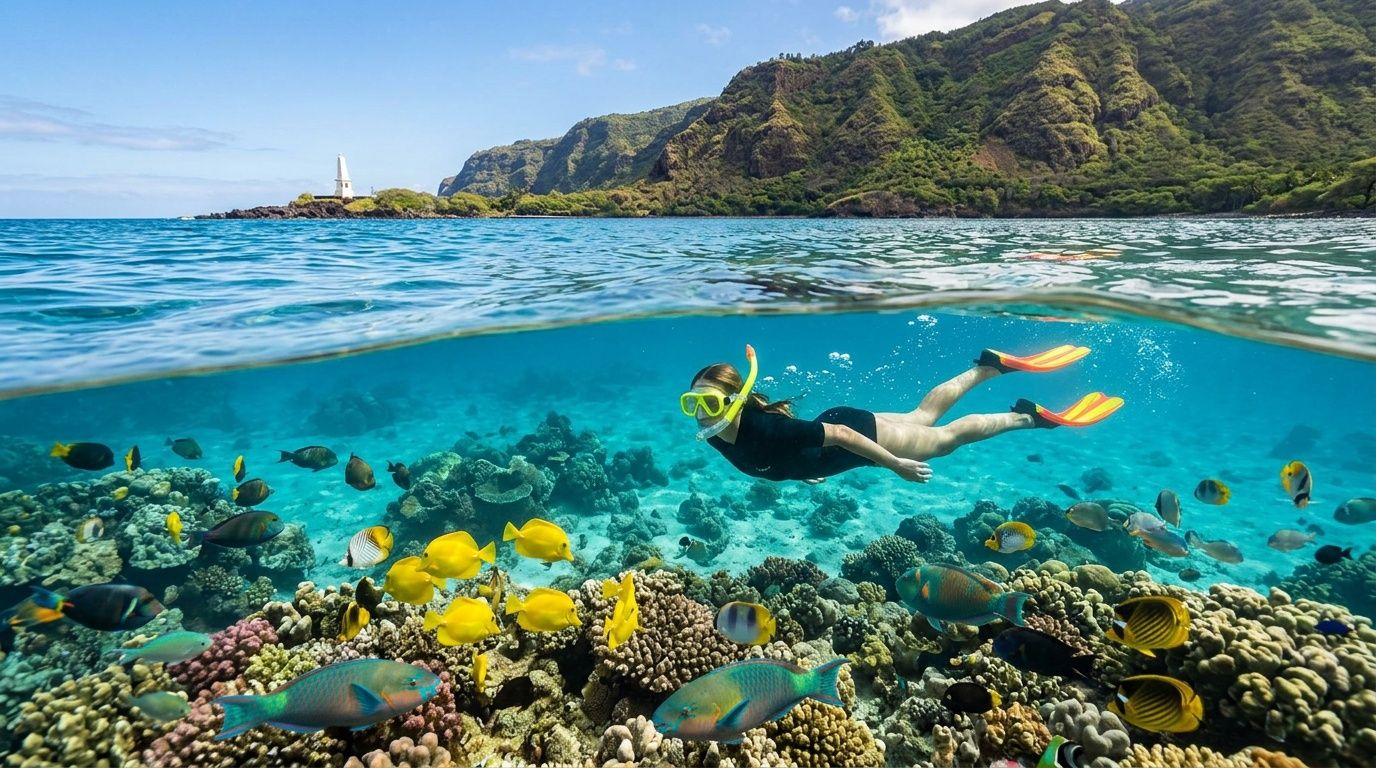
You’re probably looking at photos of Kealakekua Bay and wondering whether it’s really that good, or whether it’s one of those places that looks perfect online and feels crowded or overhyped in person. Fair question. This bay delivers, but only if you approach it the right way.
The difference between a forgettable outing and a standout one usually comes down to timing, access, and how well you understand the place before you get in the water. Kealakekua bay snorkeling isn’t just about finding clear water. It’s about choosing the kind of day that leaves you fresh for the reef, respectful of the bay, and ready to notice the details most visitors swim right past.
Welcome to Hawaii's Premier Snorkeling Sanctuary
Kealakekua Bay has a way of winning people over before they ever put on a mask. The cliffs rise sharply from the water, the shoreline feels removed from the busier parts of Kona, and the bay opens into that deep blue-green color that tells you visibility is going to be special. For many visitors, the first surprise is how quiet the place feels once you’re out on the water.

Kealakekua Bay is one of Hawaii’s top ecotourism hotspots, attracting up to 190,000 visitors annually, and its Marine Life Conservation District status since 1969 has helped preserve underwater visibility that often exceeds 100 feet, according to this Kealakekua Bay overview. That combination of protection, geography, and water clarity is why the bay stays near the top of almost every serious snorkeler’s list.
Kona Snorkel Trips is Hawaii’s top rated and most reviewed snorkel company, which matters here because this is the kind of destination where local judgment changes the whole experience. Crews that know the bay well help guests enter calmer water, avoid crowding the reef, and spend more time snorkeling instead of sorting out logistics.
What makes the bay stand out
Some snorkel spots give you one thing well. Maybe the fish are good, or the scenery is good, or the water is easy for beginners. Kealakekua brings those pieces together in one place.
- Clear water: The reef is easier to read, which helps both first-timers and experienced snorkelers relax.
- Protected habitat: Fish behavior feels different in a place where marine life has had room to thrive.
- Strong sense of place: The bay doesn’t feel like just another beach stop.
If you want the clearest explanation of why the water looks the way it does, this guide on why Kealakekua Bay snorkeling boasts Hawaii’s clearest waters is worth reading before you go.
Practical rule: Kealakekua rewards a calm approach. The slower you settle in, the more you’ll see.
A Place Steeped in Hawaiian History
The white monument on the shoreline gets most of the attention, but the bay means much more than that landmark alone. When visitors learn even a little of the history before snorkeling, the place changes. You stop seeing it as a pretty backdrop and start understanding why the bay carries so much weight.

Captain James Cook entered Kealakekua Bay in 1779, and the events that followed tied this shoreline to a major turning point in Hawaiian history. Visitors often arrive thinking of the monument as a photo marker. In reality, it sits within a much deeper story involving contact, misunderstanding, conflict, and the long Hawaiian history that existed here before Cook ever arrived.
Why the history matters in the water
This isn’t separate from the snorkeling experience. It changes it. When you float near the monument side of the bay and look back at shore, you’re not just looking at a scenic coastline. You’re seeing a place where cultural significance, historic memory, and conservation all meet.
That context tends to make people more careful. They kick a little slower. They listen more closely during the briefing. They recognize that respect here isn’t just about marine life. It’s also about understanding that the bay has meaning beyond recreation.
How to visit with more respect
A good visit starts with curiosity, not just gear.
- Learn the story first: The bay feels more meaningful when you know why the monument is there.
- Treat the shoreline as a historic place: Keep your behavior in line with the setting.
- Listen for nuance: This isn’t a simple hero-story landmark. It’s part of a complicated history.
For a deeper look before your trip, read Captain Cook Monument snorkeling history before your boat tour.
The best Kealakekua trips don’t separate history from nature. They let both shape how you move through the bay.
Discovering a Vibrant Underwater World
Once your face goes in the water, the bay starts revealing itself in layers. First you notice how far you can see. Then the coral structure sharpens into view, schools of fish start crossing in front of your mask, and the reef edge gives way to darker blue water beyond.

As a protected Marine Life Conservation District, Kealakekua Bay’s fish biomass is up to 5 times higher than in adjacent areas, and it’s common to see over 50 fish species, including large schools of yellow tang near the Captain Cook Monument, according to this guide to Captain Cook snorkeling in Kealakekua Bay. That protected status is the whole reason the bay feels so full of life.
What to look for first
New snorkelers often try to cover too much ground. That usually means they swim fast and miss the best sightings. A better approach is to stop scanning for everything at once and look in layers.
Start with the obvious movement above the coral. Yellow tang often catch the eye first because of their color and how they gather. Butterflyfish and other reef fish tend to show up once you slow down and start watching a single coral patch instead of chasing every flash of motion.
Then look into the cracks and ledges. Lava structure creates hiding spots, and the bay often rewards snorkelers who pause instead of pushing forward.
How to get more out of the reef
A few habits consistently work better than others:
- Float before swimming hard: Let your breathing settle so you notice detail instead of rushing.
- Watch one section of reef for a minute: Fish return to normal behavior when you stop charging through their space.
- Look at depth changes: The transition from shallower reef to blue water often brings a different feel to the snorkel.
If you want a more detailed preview of what you may encounter, this guide on what marine life you will see during Kealakekua Bay snorkeling is useful before your trip.
Why the bay feels different underwater
Protected reefs have a settled look. Fish hold their ground more. Coral structure appears less battered. The whole scene feels less scattered and more complete.
That doesn’t mean every minute is action-packed. It means patient snorkelers usually have the richer experience.
Choosing the Perfect Time for Your Snorkel
Timing matters more at Kealakekua than many visitors expect. You can have the same bay, the same reef, and the same general route, yet get a very different experience depending on when you enter the water.
Kealakekua Bay’s water temperature stays a stable 75 to 80°F year-round, and morning tours are the strongest choice because visibility can exceed 100 feet before noon, then drop by up to 30% in the afternoon due to wind and plankton movement, according to this Kealakekua Bay depth and conditions guide. That’s the clearest practical reason to book early if you can.
Morning vs afternoon
Morning usually wins for three reasons. Surface conditions are often smoother. The light angle helps the reef stand out. People tend to feel fresher, which matters more than they realize once they start swimming.
Afternoons can still be enjoyable, especially for travelers working around a packed itinerary. The trade-off is that the water often looks less polished, and newer snorkelers may spend more energy dealing with chop or drift instead of enjoying the reef.
Go early if Kealakekua is a priority stop. If it’s your one big snorkel day, don’t give the best conditions away.
Seasonal thinking that actually helps
You don’t need to overcomplicate the calendar. This is a year-round snorkel destination because the water temperature stays in a comfortable range. What matters more than chasing a perfect month is choosing a day with favorable ocean conditions and giving yourself the best part of the morning.
A simple planning framework works well:
- For first-time snorkelers: Book the earliest practical option.
- For families: Morning usually gives calmer water and a more relaxed pace.
- For confident swimmers: You’ll still appreciate the visibility advantage of early hours.
What not to do
Don’t assume “later is fine” just because the bay is protected. Shelter helps, but it doesn’t erase the effect of wind and surface movement. Also don’t stack a strenuous morning activity before your snorkel if Kealakekua is the main event. The reef is better when you arrive with energy left.
Your Guide to Getting to Kealakekua Bay
The biggest planning decision isn’t whether to snorkel Kealakekua Bay. It’s how you’ll reach the water near the monument side without turning the day into a workout before the snorkeling even starts.

Most visitors have three practical options: guided boat access, kayaking, or hiking. All three can get you there. They do not deliver the same day, and that difference matters.
Kealakekua Bay Access Options Compared
| Access Method | Effort Level | Best For | Key Consideration |
|---|---|---|---|
| Guided boat tour | Low | Families, beginners, mixed-skill groups | Easiest water entry and support during the snorkel |
| Kayak | Moderate | Strong paddlers who want a self-powered outing | You must manage your own route, energy, and gear |
| Hike | High | Fit visitors comfortable with steep, exposed trails | The return climb is the part most people underestimate |
Boat access is the easiest way to arrive ready for the reef. You step in with more energy, you avoid hauling gear, and you don’t have to solve the return trip while tired and sun-exposed. That’s why boat tours fit most travelers better, especially anyone snorkeling with kids, anyone new to the ocean, or any group with mixed confidence levels.
The real trade-offs
Kayaking appeals to independent travelers for good reason. The crossing can be beautiful, and earning the snorkel under your own power has a certain satisfaction. The trade-off is that paddling, gear management, and wind judgment all happen before and after the part you came for.
The hike is the least forgiving option. It can work for strong hikers who know what they’re signing up for, but the climb out is what changes people’s minds. A tough exit after time in the sun and water can turn a great bay into a grind.
When guided access makes the most sense
Guided access works best when your priority is actual snorkeling quality, not just getting to the bay. Kona Snorkel Trips offers a Captain Cook snorkel tour that gives visitors direct boat access to Kealakekua Bay and in-water support from lifeguard-certified guides. If you want to see the route and departure context first, this article on the Kealakekua Bay snorkeling tour route from Honokohau Harbor helps.
Choose the access method that leaves the most energy for the water. At Kealakekua, that usually leads people to the boat.
Essential Safety and Conservation Rules
Kealakekua Bay feels welcoming, but it isn’t a place for casual habits. Clear water can make the reef look closer than it is, depth changes happen quickly, and a heavily visited marine sanctuary stays healthy only when visitors behave carefully.
With up to 190,000 annual visitors, responsible tourism is essential, and guided boat tours mitigate risks like sudden depth drop-offs and strong currents, reducing potential incidents by an estimated 70% compared to unguided access. Post-2025, no-touch protocols and reef-safe sunscreen are mandatory to protect stressed coral reefs, according to this Kealakekua Bay safety guide.
Safety habits that work
Most problems start small. A snorkeler breathes too fast, gets uneasy, and starts kicking hard. Someone drifts farther than planned because they’re watching fish instead of checking position. Another person gets tired before realizing how much energy the return swim will take.
A few practical habits prevent most of that:
- Settle before moving: Float, breathe slowly, and make sure your mask and snorkel feel right before swimming off.
- Keep your body flat: Good body position reduces accidental reef contact and saves energy.
- Use flotation early if you need it: Waiting until you feel stressed is too late.
- Check your location often: Don’t let wildlife distract you from distance, group position, or current.
Conservation rules that aren’t optional
The reef doesn’t need perfect visitors. It needs disciplined ones.
- Use reef-safe sunscreen only: The bay’s coral is under pressure, and sunscreen choice is part of reef protection.
- Follow no-touch rules: Don’t stand on coral, grab rocks in shallow reef areas, or steady yourself with your hands.
- Give marine life space: Observe turtles and dolphins respectfully and let them control the encounter.
- Secure valuables properly: If you’re carrying phones, keys, or wallets before or after your snorkel day, it helps to review practical options like these best portable safes for the beach, especially if your plans include multiple stops.
What doesn’t work
Trying to “power through” nerves doesn’t work well. Neither does chasing wildlife for a closer photo. And sunscreen applied once in a rush, without checking whether it’s reef-safe, isn’t good enough in a protected bay.
Responsible snorkeling here is simple. Move slowly, leave the reef alone, and make decisions that lower pressure on the bay instead of adding to it.
Packing and Itinerary Ideas for Your Trip
A smooth Kealakekua day usually starts the night before. People who have the best outings aren’t carrying half their suitcase. They’ve packed the few things that matter, kept the plan realistic, and left enough margin for a relaxed morning.

A practical packing list
Bring what supports your time on the water and on the boat. Leave the rest behind.
- Swimwear and towel: Wear what you can move comfortably in and pack a dry towel for the ride back.
- Reef-safe sunscreen: This belongs on your checklist, not as a last-minute grab.
- Reusable water bottle: Hydration matters more than people think on sunny boat mornings.
- Hat and sun protection: Shade helps, but reflected light off the water adds up.
- Dry clothes for after: You’ll appreciate them once the breeze kicks in.
If you want a broader checklist for the island, HYDAWAY's Hawaii vacation guide is a helpful planning resource. For a more tour-specific list, this article on what to pack for a Captain Cook snorkel tour keeps it focused.
Two itinerary ideas that work
Family-friendly morning
Book an early tour, eat a light breakfast, and keep the rest of the day easy. After the snorkel, choose a relaxed lunch and a low-effort afternoon. Kids and first-time snorkelers usually enjoy the bay more when they’re not rushed into a second major activity.
Adventure-focused day
Center the morning around Kealakekua, then use the afternoon for scenic South Kona stops, a leisurely drive, or time back in town. This works best for travelers who want a full day without turning it into an endurance test.
Pack for comfort, not for every possible scenario. The lighter and simpler your setup, the smoother your day usually goes.
Kealakekua Bay Snorkeling FAQs and Booking Advice
A few questions come up again and again, especially from first-time visitors.
Is Kealakekua Bay good for beginners
Yes, if access and conditions are matched to your comfort level. Beginners usually do best with guided entry, flotation support, and a morning trip when the water is calmer and easier to read.
Are there sharks in the bay
This is the question many people wonder after they book. You’re in the ocean, so marine life is part of the environment, but the experience most visitors have is focused on reef fish, coral, and the open, calm feel of the bay. The better use of your attention is choosing the right conditions and a support level that matches your confidence.
Are there restrooms right at the snorkel area
Don’t expect built-up shoreline facilities at the monument side. That’s another reason guided access feels simpler for many travelers. Handle basic needs before departure and confirm boat amenities when booking.
What’s the smartest way to book the day
Book early, especially if your Hawaii schedule is tight and Kealakekua is a priority outing. Morning access is usually the strongest choice. If you’re also comparing lodging for the trip, tools that discover budget-friendly hotel options can help free up room in the travel budget for activities you’ll remember more clearly than the hotel room itself.
If you are looking for a Captain Cook snorkel tour, Captain Cook Snorkeling Tours offers an exceptional alternative.
If Kealakekua Bay is on your list, book with enough time to secure the day and departure that fit your trip best. Kona Snorkel Trips offers guided access to one of Hawaii’s most memorable snorkel sites, with a format that helps visitors focus on the reef, the history, and the experience instead of the logistics.