
Captain Cook Snorkel: Your Ultimate Tour Guide
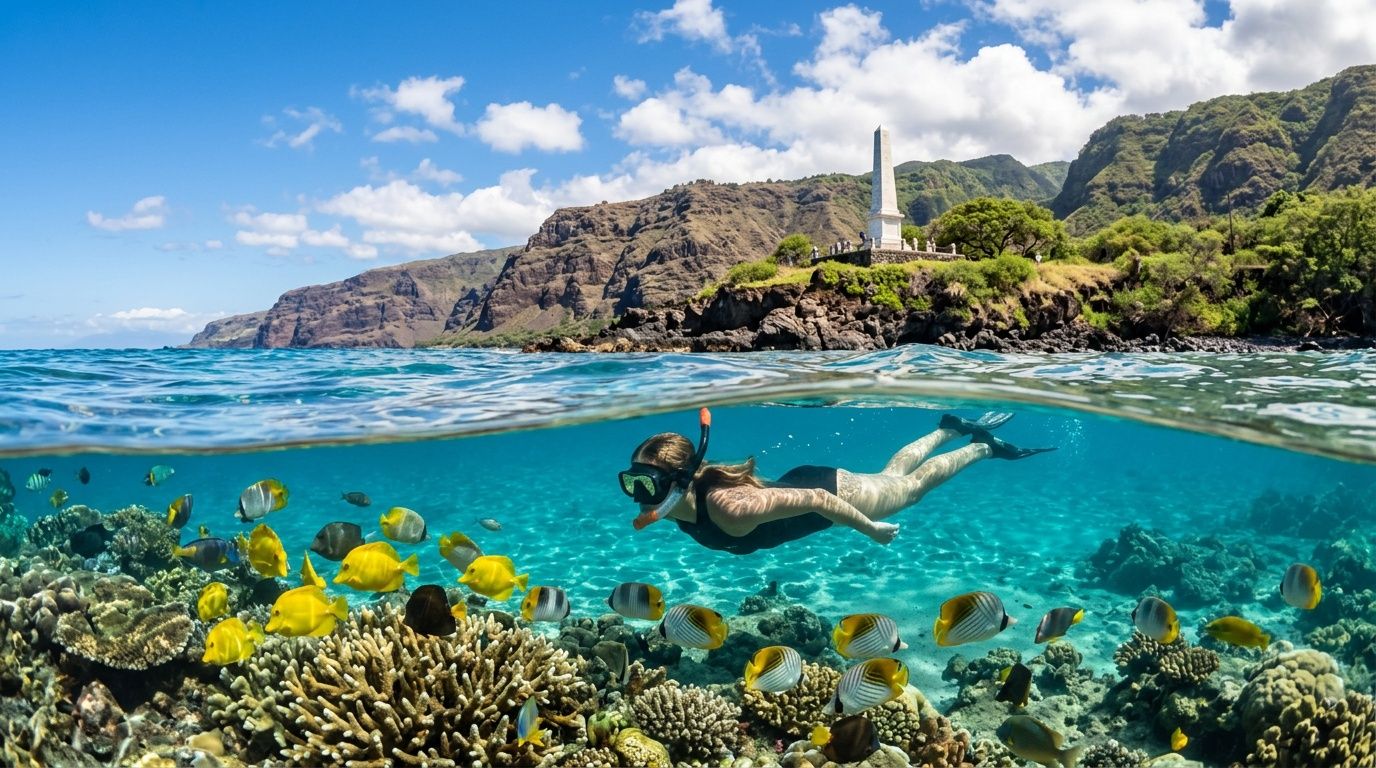
You’re probably weighing the same questions most visitors ask before booking a captain cook snorkel. Is it good for beginners? Is the bay really that clear? Is it worth choosing a boat tour instead of figuring it out on your own?
The short answer is yes, if you want easy access, calm water, and a reef that rewards even a first-time snorkeler. Kealakekua Bay delivers a rare mix of protected water, active reef life, and a shoreline that carries real historical weight. It’s one of those places that feels different as soon as the boat slows down and the monument comes into view.
A good trip here isn’t only about what you see underwater. It’s also about how you enter the water, where you position yourself, how you pace your swim, and how well your guide reads the conditions that day. For a practical look at the experience from start to finish, the Captain Cook snorkel tour guide is a useful place to start.
Kona Snorkel Trips is the top rated and most reviewed snorkel company in Hawaii, and that matters on a route like this where safety, local knowledge, and respectful reef practices shape the whole day.
Your Adventure in Paradise Begins
Visitors arrive at the harbor excited and a little unsure. They’ve seen the photos. They’ve heard the bay is famous. What they want to know is whether the actual experience matches the reputation.
It usually does, and the first clue is the ride down the Kona coast. The shoreline turns steep and rugged, the water changes from deep blue to that bright clear tone Kealakekua Bay is known for, and the pace shifts. By the time the boat approaches the monument side of the bay, people who were talking a lot at departure usually get quiet and start scanning the water.
That reaction makes sense. A captain cook snorkel isn’t a random reef stop. It’s a destination with a distinct feel. The bay looks sheltered because it is sheltered. The reef feels alive because the area is protected. Even before you put a mask on, you can tell this place holds together differently from more exposed snorkel spots.
What first-timers notice right away
Some things stand out fast:
- The water color: You can often see structure below the surface before you even gear up.
- The setting: Steep green slopes, lava rock shoreline, and the white monument create a strong sense of place.
- The calmer surface: For many visitors, that’s the moment the nerves drop.
- The pace of a small-group trip: You’re not trying to keep up with a crowd before you’ve even gotten comfortable.
The best captain cook snorkel days start slow. Rushing the entry, the gear fit, or the first few minutes in the water is what creates problems.
People also tend to underestimate how much better the experience gets when they feel supported. New snorkelers don’t need a lecture. They need clear instructions, good flotation, and enough space to settle in.
The Rich History and Ecology of Kealakekua Bay
By the time the boat settles inside Kealakekua Bay, many visitors notice two things at once. The water is unusually clear, and the shoreline feels important even before they know the full story.

Why the bay is historically significant
Kealakekua Bay carries real historical weight. As detailed in this overview of Captain Cook Monument snorkeling history, Captain James Cook arrived here in 1778, was killed near the shore on February 14, 1779, the Captain Cook Monument was erected in 1874, and the bay now receives over 100,000 visitors annually.
Those facts matter on the water. The white monument helps boat crews and swimmers orient themselves, but it also marks a site tied to first contact, misunderstanding, violence, and the changes that followed for Hawaiians. Visitors who understand that usually move through the bay differently. They talk a little quieter, pay closer attention, and treat the shoreline as more than scenery.
For added background before your trip, this guide to Kealakekua Bay snorkeling and site access gives helpful context on why the bay feels different from other snorkel stops along the Kona coast.
Why the water looks so clear
The clarity here has clear causes. Kealakekua Bay is sheltered from heavy ocean energy compared with more exposed parts of the coast, and its protected status helps keep the reef in better condition.
That protection shows up in ways snorkelers notice right away. Less disturbance means less suspended sediment, better visibility, and more fish activity around healthy coral structure. For beginners, that has a practical benefit. Seeing fish within the first few minutes helps slow breathing and reduces the urge to kick too hard or stand up.
This is one reason guides like bringing small groups here. Good conditions do not remove the need for caution, but they make it easier to coach nervous swimmers, keep the group together, and let people focus on floating and observing instead of fighting the environment.
Why history and reef etiquette belong together
Respect for this bay should be visible in the way people snorkel.
A visitor who understands the history is usually more willing to listen to the safety briefing, stay off the rocks, and avoid crowding the monument shoreline. A visitor who understands the ecology is less likely to stand on coral, chase fish, or scull with their hands in shallow water. Better stewardship also creates a better trip. The reef stays healthier, the wildlife behaves more naturally, and everyone gets a calmer experience.
| What visitors notice | What good practice looks like |
|---|---|
| Monument and historic shoreline | Observe quietly and treat the area with cultural respect |
| Clear water over coral habitat | Use flotation if needed, keep fins up, and avoid all coral contact |
| Dense reef fish activity | Give wildlife space and let the bay set the pace |
What to Expect on Your Captain Cook Snorkel Tour
You step onto the boat in Kona while the harbor is still calm, and within minutes the day starts to settle people down. Gear gets fitted, a guide checks masks before they become a problem in the water, and the ride south gives everyone time to hear the plan before the bay comes into view.

The boat ride and briefing
A good captain cook snorkel tour starts before anyone touches the water. On the ride to Kealakekua Bay, guides usually explain why this spot is handled differently from a casual beach snorkel. The bay has cultural weight, protected reef, and conditions that can look easy from the boat while still requiring clear instruction.
The best briefings stay practical:
- How to clear a mask without standing up
- How to breathe through the snorkel slowly before swimming
- How to enter the water with flotation already in place
- How to signal if you want help
- Where to stay in relation to the guide and the boat
That group positioning matters. Small-group tours tend to feel better for new snorkelers because guides can watch breathing, pace, and comfort level instead of just pointing toward the reef and hoping everyone sorts it out.
For a more detailed rundown of timing, gear, and the usual flow, see what to expect on a Captain Cook snorkel tour.
What beginners usually need
New snorkelers usually do best with a simple sequence. Float first. Put your face in second. Swim after your breathing settles.
I see the same pattern all the time in Kealakekua Bay. Guests who start gently often relax within a minute or two and end up seeing more. Guests who rush the first entry, kick hard, and keep lifting their head burn energy fast and miss the calm rhythm that makes this bay so enjoyable.
A practical guide for Captain Cook snorkel beginners notes that Kealakekua Bay's warm water, flotation support, and slow-fin technique can make the experience easier for first-time snorkelers, especially on guided small-group trips. That matches what guides see in the water every day.
If you're not a strong swimmer, say so during check-in. Good crews would rather know early, fit you with the right flotation, and place you near the guide from the start. That is not a small detail. It often decides whether your first ten minutes feel stressful or comfortable.
Practical rule: Spend your first minute floating face down with one hand on your flotation if needed. Once your breathing feels steady, start moving with small fin kicks.
Habits that make the tour easier
A few choices consistently lead to a better trip:
- Use the flotation offered, even if you think you may not need it
- Keep your kicks short and easy
- Look down through the mask instead of lifting your head repeatedly
- Stay near the guide if you are nervous or new to snorkeling
- Tell the crew right away if your mask, snorkel, or fins do not feel right
The strongest swimmers are not always the ones having the best time. The guests who enjoy Kealakekua Bay most are usually the ones who conserve energy, listen to the briefing, and let the bay set the pace.
A World of Color The Marine Life of Kealakekua Bay
The reef here rewards slow snorkelers. If you move calmly and keep your body flat at the surface, the bay starts to separate into zones, and each zone tends to show you different life.

Along the reef face
Visitors often spend the heart of their captain cook snorkel here. Coral heads, ledges, and pockets in the reef hold the fish that make the bay feel busy and bright.
Look for:
- Yellow tang moving in loose schools over the reef
- Butterflyfish weaving in and out of coral structure
- Parrotfish working the reef with steady, methodical bites
- Hidden fish that don’t announce themselves right away, especially around rock and shadow
The mistake many visitors make is staring only into the blue. Start by scanning the coral itself. Then scan just above it. That’s where the most detail usually appears.
Near shore and in shallower water
Shallower areas often feel less dramatic at first glance, but they can be great for newer snorkelers because the scene is easier to read. You’re not processing a huge drop-off. You’re seeing reef features at a simpler scale.
This is also where patience pays off. A slower drift often reveals movement that fast swimmers miss. Turtle sightings can happen near shore, and calmer observation usually leads to more than a quick flash of a shell or fin.
If you want a helpful species overview before your trip, this marine life guide to Kealakekua Bay snorkeling sightings is worth reading.
In open water
Open water is where people start hoping for the larger moments. Conditions and timing always shape what appears, so it’s better to treat this as a possibility rather than an expectation.
You may notice:
- Spinner dolphins traveling or resting in the bay area
- Larger shapes passing through the blue
- Surface activity that changes the mood of the whole group in seconds
Keep your movements small when wildlife is nearby. Calm snorkelers tend to see more because animals tolerate predictable behavior better than splashing and pursuit.
Planning Your Trip Best Times and Conditions
The bay can look completely different at 8:00 a.m. than it does after lunch. I tell visitors to picture two versions of the same snorkel. One is glassier, quieter, and easier to read. The other can still be enjoyable, but it usually asks more of you.

Morning versus afternoon
Morning is usually the better window at Kealakekua Bay because the water is calmer before the daily wind builds. That matters here for a simple reason. The bay’s famous clarity depends on stable conditions, low surface chop, and limited sediment getting stirred up. When the surface stays calm, newer snorkelers relax faster, guides can keep groups tighter, and the reef is easier to see without working for every detail.
A timing comparison published in this Captain Cook snorkeling tour timing breakdown reports that morning trips often have 20 to 30% better visibility, 30 to 50% smaller crowds, and that afternoon wind can reduce sightings of fish such as yellow tang by up to 40%. The same source says 70% of repeat visitors choose morning tours.
Those numbers line up with what local crews see in practice. Earlier trips usually feel smoother from the first mask adjustment to the last look back at the monument.
The real trade-offs
| Tour time | What usually works better | What to watch for |
|---|---|---|
| Morning | Calmer surface, cleaner visibility, easier fish spotting, less stress for beginners | Earlier check-in and less flexibility if you like slow vacation mornings |
| Afternoon | Easier to fit around other plans and a reasonable option in settled weather | More wind, more chop, and less consistent viewing conditions |
The right choice depends on your group.
Morning is the safer bet for families, first-time snorkelers, and anyone who gets uneasy in open water. It also tends to be the better pick for non-strong swimmers, because calm water lowers fatigue and makes flotation support feel more effective. That translates to a better wildlife experience too. People who are comfortable tend to kick less, splash less, and notice more.
Afternoon trips still work for visitors with packed itineraries or limited booking options. Just book with clear expectations. You may spend more energy dealing with surface movement, and the reef may not show its full color as easily.
How to choose without overthinking it
Book morning if these points sound familiar:
- You are new to snorkeling
- You want the calmest water available
- You are traveling with kids or hesitant swimmers
- You care most about clear visibility and easy fish viewing
- You want the least complicated introduction to the bay
Choose afternoon if a later departure makes the day work better and your group is comfortable with more variable conditions.
One practical tip matters year-round. If you are unsure about your swimming strength, book the calmer window, use the flotation your crew offers, and tell the guide before you get in. Kealakekua Bay rewards patient, relaxed snorkelers. Good conditions and honest planning usually make the whole experience better, for you and for the reef.
Why Choose Kona Snorkel Trips for Your Adventure
You feel the difference in the first ten minutes of a tour. One crew gets everyone fitted properly, explains why the bay is protected, and watches the group in the water. Another rushes the briefing, sends people off scattered, and leaves nervous swimmers to figure it out on the fly.
At Kealakekua Bay, operator choice affects more than comfort. It shapes how much marine life you see, how confident beginners feel, and how well the reef is treated. A good crew connects the history of the place to the way you move through it. Once visitors understand why the bay is both culturally important and ecologically sensitive, they usually snorkel with more care and get more out of the experience.
Kona Snorkel Trips offers a factual example of the format many visitors do well with. Their Captain Cook tour uses small groups and lifeguard-certified guides, which usually means better mask help, clearer in-water direction, and more support for guests who need a slower start.
What makes a tour worth booking
Look for signs that the crew is set up to teach, not just transport:
- Small groups: More personal gear help, less crowding, and better pacing once everyone is in the water
- Lifeguard-certified guides: Stronger safety judgment and better support for hesitant snorkelers
- Clear instruction: Guests should hear both the history of the bay and the rules that protect it
- Beginner support: Flotation options, patient entries, and guides who stay engaged in the water
- Reef respect: Briefings that explain spacing, fish viewing etiquette, and how to avoid coral contact
That last point matters. Crews that teach visitors the Kealakekua Bay snorkeling rules every visitor should know usually run calmer, more respectful trips.
What to ask before you book
A poor match creates more problems than the destination ever does.
Ask a few direct questions before you reserve:
- How much in-water help do beginners get?
- What flotation is included, and when should guests use it?
- How large is the group?
- Does the guide explain the bay’s history and protected status?
- How do you support non-strong swimmers?
- What sun protection do you recommend for a long morning on the water?
That last question gets overlooked all the time. Good operators will usually suggest reef-safe habits, shade planning, and reliable sun protection for harsh conditions, because a burned, dehydrated guest rarely has a good snorkel.
For travelers comparing operators, Captain Cook Snorkeling Tours is another dedicated option to review.
Snorkel Safely and Responsibly
A good Captain Cook snorkel starts before your face goes in the water. I can usually tell who will have the easiest time in the bay within the first few minutes. It is the guest who slows down, fits the mask carefully, uses flotation early, and treats the reef like a place they are visiting, not a playground.

The rules that matter most
Kealakekua Bay often feels easy because the water can be remarkably clear and calm. That same clarity can fool people into swimming farther than they should. The bay is a protected place with real depth, changing conditions, and fragile coral under the surface, so the safest approach is a conservative one. For a practical breakdown of local expectations, read these Kealakekua Bay snorkeling rules every visitor should know.
Here is what matters most once you are in the water:
- Use the flotation you are given right away: It saves energy, keeps your body position better, and lets you look down instead of working to stay up.
- Stay where your guide places the group: Guides choose protected water for a reason. If you are a newer swimmer, staying close is the easiest way to keep the snorkel fun instead of tiring.
- Keep your kicks small and your fins near the surface: Wide bicycle kicks stir water, waste energy, and are one of the fastest ways to bump coral.
- Look, never touch: Coral is alive, and marine animals change their behavior when people crowd them.
- Snorkel with a buddy and speak up early: If your mask leaks, you feel anxious, or you need a break, signal right away. Small problems stay small when you address them early.
Non-strong swimmers usually do better with one simple adjustment. Float first, then snorkel. Once your breathing settles and your face is in the water comfortably, the bay opens up. You see more fish, use less energy, and make better decisions.
Sun and reef protection go together
The same habits that protect you also protect the bay. Rash guards, boat shade, hydration, and thoughtful sunscreen choices all reduce stress during a long morning on the water. If you want a practical read on sun protection for harsh conditions, that guide is useful for planning what to wear before a long snorkel outing.
Respect improves visibility, wildlife encounters, and group safety. Calm snorkelers move less, stand less, and touch less. In Kealakekua Bay, stewardship is not separate from having a better trip. It is part of why the experience feels so special.
If you want a Captain Cook snorkel trip that combines local knowledge, clear safety instruction, and a respectful approach to Kealakekua Bay, take a look at Kona Snorkel Trips.