
Kealakekua Bay Snorkel: The Ultimate 2026 Guide
You're probably deciding between three versions of the same day.
One version has you slipping into clear water over a healthy reef while you're still fresh, relaxed, and excited. Another has you arriving at the snorkel spot already hot, tired, and a little rattled from the logistics. The third sounds adventurous online, then turns into a lot more work than expected once the sun is up and the bay starts changing.
That's why a good Kealakekua Bay snorkel plan matters so much. This isn't a casual pull-off beach stop. It's one of those places where access method, timing, and basic ocean judgment shape the whole experience.
Why Kealakekua Bay Is a Snorkeler's Paradise
You feel the difference before you start swimming. The bay is calmer than many Kona shoreline spots, the water often clears up early, and the monument side has the kind of reef structure that keeps people staring down instead of looking around for an exit.

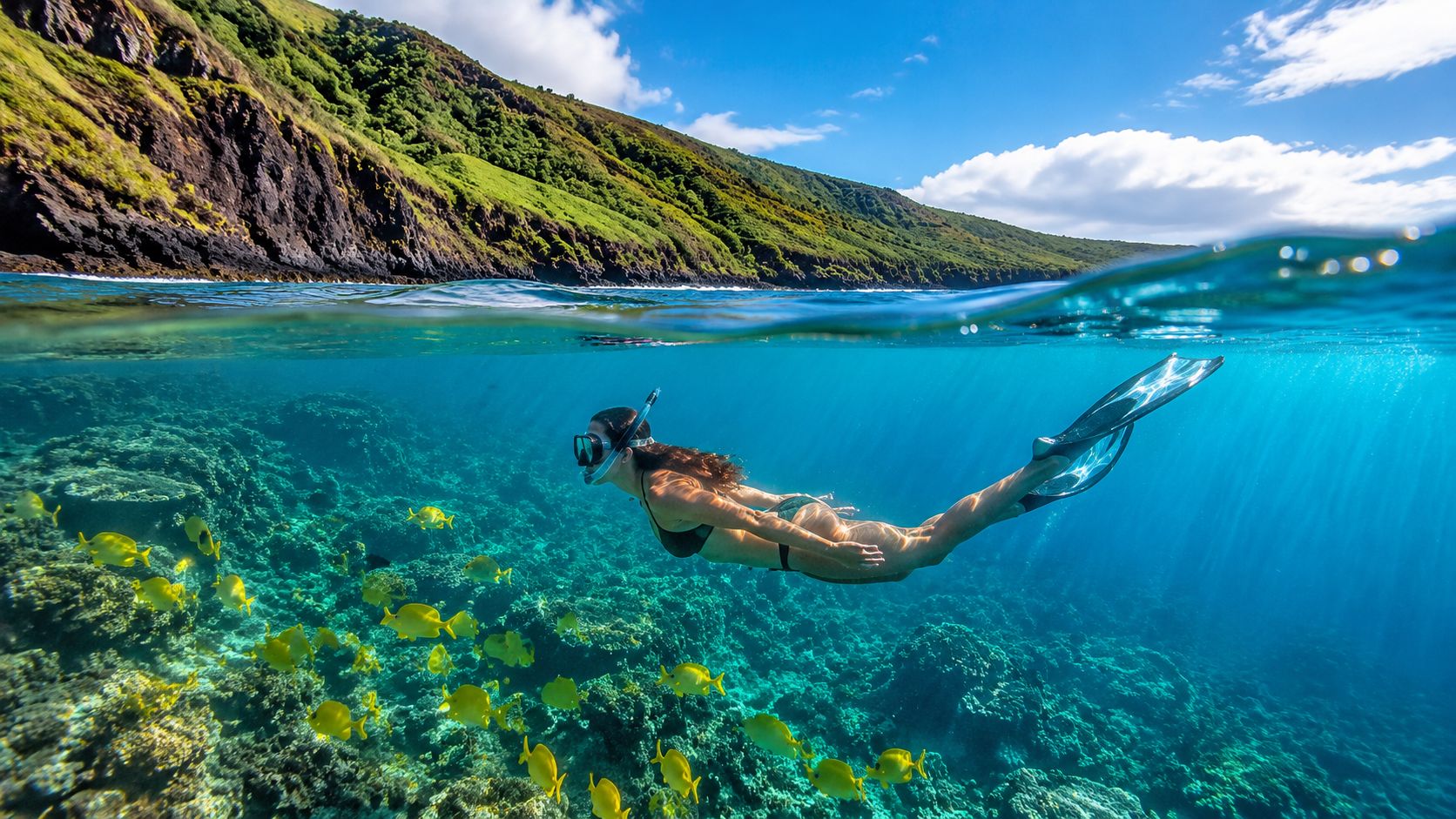
Once your mask is in the water, the bay starts showing off. Pale sand patches, coral heads, schools of reef fish, and steep lava shoreline all sit in the same view. That mix is a big reason this place feels more dramatic than a standard beach snorkel.
For a typical visitor, the biggest advantage is simple. Kealakekua Bay gives you a better shot at a relaxed snorkel. There is no pounding shorebreak at the main snorkel area by the monument, and that changes everything for beginners, families, and anyone who wants to spend energy on the reef instead of on a tricky entry.
Experienced snorkelers usually notice something else right away. The reef looks established. Fish life is steady. The bay feels like a place that has held onto much of what makes West Hawaiʻi snorkeling special.
From an operator's standpoint, this is also why access method matters so much here. The bay is paradise once you are in the right water, at the right time, with enough energy left to enjoy it. Arrive overheated from the trail or tired from paddling, and the same bay can feel a lot less forgiving. Arrive by boat in calm morning conditions, and you usually get the version people hoped for when they booked the trip.
Kona Snorkel Trips runs this bay regularly, and that local familiarity shows up in practical ways. Good gear fitting, a calm briefing, help for first-timers, and clear in-water support all make a better first ten minutes. That matters more here than flashy marketing copy ever will.
It's more than a reef stop
Kealakekua Bay is not just pretty water with a famous monument on shore. It is also a place with real cultural and historical weight. You see that immediately in the natural surroundings, the Captain Cook Monument, and Hikiau Heiau across the bay.
That setting changes how the snorkel feels. You are not dropping into an anonymous reef. You are visiting a protected marine and cultural area that deserves better than rushed, careless tourism.
Practical rule: The bay is better for everyone when visitors treat it like a living place, not a photo stop.
The underwater side of that respect shows up in the experience too. Healthier-looking reef, more consistent fish activity, and clearer water are part of why people come back. If you want more detail on what makes visibility here stand out, this look at why Kealakekua Bay snorkeling boasts Hawaiʻi's clearest waters explains it well.
Why snorkelers keep coming back
A few things make this bay stand out trip after trip:
- Calmer overall feel: The main snorkel area near the monument is protected from the kind of surfy shoreline chaos that rattles new snorkelers.
- Strong underwater contrast: Coral, rock, sand, and deep blue water sit close together, so the scenery changes fast without needing a long swim.
- Better first impression for beginners: Cleaner entries from a boat and calmer water help new snorkelers settle down quickly.
- More reward for the effort: This is exactly why the boat, kayak, and hike question matters. The bay is excellent, but the easiest access usually delivers the best version of it for the average traveler.
- A setting that feels important: The history on shore gives the whole snorkel more depth than a typical reef stop.
Kealakekua Bay earns its reputation because the snorkeling is excellent. It keeps that reputation because the setting, reef quality, and morning conditions can line up into a memorable day when people choose the right way in.
Getting to the Monument Boat vs Kayak vs Hike
The blunt truth is that most visitors don't need more options. They need a better decision.
Yes, you can reach the better snorkeling area near the monument in more than one way. But the core question isn't whether it's possible. It's which access method gives you the best chance at a good snorkel with the least effort and risk. A neutral guide to the bay makes that tradeoff clear: the best snorkeling is on the monument side, mornings are better, and self-guided access comes with real timing and logistical penalties while boat tours can target the calmer morning window more reliably, according to Love Big Island's Kealakekua Bay guide.
Kealakekua Bay Access Method Comparison
| Method | Effort Level | Time Required | Safety | Snorkel Quality |
|---|---|---|---|---|
| Boat tour | Lowest for most visitors | Most efficient | Most controlled overall | Most reliable access to the monument side |
| Kayak | Moderate to high | More planning and paddling | Depends heavily on conditions and group ability | Good if timing, permits, and energy all line up |
| Hike | Highest | Longest-feeling day for most people | Most physically punishing, especially on the return | Good water access if you can handle the full outing |
Boat access works for the widest range of people
If your goal is the snorkel itself, the boat is the cleanest answer. You save your energy for the water. You reach the monument side without dealing with a long descent, a hot climb back out, or managing a kayak before and after the swim.
That matters more than people expect. A Kealakekua Bay snorkel is better when you start relaxed. Families, first-time snorkelers, mixed-ability groups, and anyone who doesn't want a logistics-heavy day usually have a smoother time by boat.
Kayaking can work, but it asks more from you
Kayaking appeals to independent travelers for good reason. It feels adventurous, and on a calm morning it can be beautiful. But it also puts more on your plate before you ever look at a fish.
You need to handle the launch, the paddle, your gear, and your return. You also need to be realistic about how your group performs once the novelty wears off. One tired paddler, one change in wind, or one person who underestimated the effort can shift the whole outing from fun to draining.
The bay doesn't care what sounded easy on a travel forum. It rewards people who arrive with energy left.
Hiking is the hardest version of the day
Some visitors love doing things the hard way, and if that's you, fine. But I'll be brutally honest. The hike is often romanticized by people who remember the achievement more than the outing itself.
The problem isn't getting down. The problem is doing a full snorkel, packing wet gear, and then climbing back out in the heat. That return can turn a beautiful morning into a slog. If your main goal is underwater time, hiking usually gives you the worst effort-to-reward ratio.
For a more detailed side-by-side breakdown, this article on Captain Cook Monument snorkeling by boat tour vs kayak access gets into the practical differences.
My honest recommendation
Choose your access method based on the weakest member of your group, not the strongest.
- Boat: Best fit for most travelers who want reliable conditions and less stress.
- Kayak: Better for organized, capable paddlers who enjoy self-managed outings.
- Hike: Only worth it if the hike itself is part of the goal, not just a way to reach the water.
If you want the highest odds of a rewarding Kealakekua Bay snorkel, boat access is usually the answer.
What to Expect in the Water and When to Go
You can have a great Kealakekua Bay snorkel and still get surprised by the water if you arrive at the wrong time of day. The bay often looks protected from shore, but once you're floating over the reef, small changes in wind and swell matter fast.
The underwater layout is a big reason why. Kaʻawaloa Cove runs from shallow reef into much deeper water, about 5 to 120 feet, according to the Hawaiʻi DLNR Kealakekua Bay marine district page. That mix is part of what makes the snorkeling here so good. It also means surface conditions can feel very different from one part of the bay to another.

Why mornings usually win
In real-world terms, mornings give the average visitor the best shot at an easy, enjoyable swim. The surface is often calmer, visibility is usually cleaner, and getting in and out feels less tiring.
DLNR notes that the best snorkeling on the northeastern side is recommended only during calm-water conditions because surf or south swell can make that area hazardous. That lines up with what we see on the water all the time. Early is better. Late morning can still be nice. By afternoon, even a capable swimmer may spend more energy dealing with chop than enjoying the reef.
This is one of the biggest practical differences between access methods. If you hike or kayak, your schedule is less forgiving. A boat trip can put you on the reef during the better window without burning time and energy first.
What the underwater experience feels like
Kealakekua Bay rewards slow snorkelers. The people who have the best time here are usually the ones who settle in, breathe easy, and let the reef reveal itself.
Expect excellent clarity on a good morning, healthy coral in the shallows, and a noticeable drop-off where the bay suddenly feels bigger and bluer. Fish life often feels steady here, not frantic. You'll see movement all around you, but the experience is more relaxed than chaotic.
A few practical tips help a lot:
- Start in the shallows first: It gives your mask time to clear, your breathing time to settle, and your eyes time to adjust.
- Stay aware of the drop-off: It's beautiful, but newer snorkelers sometimes drift farther than they realize.
- Save energy for the return: Even in good conditions, swimming back always feels longer if you've pushed too far.
- Keep your kicks small: You'll spook less wildlife and avoid stirring yourself into fatigue.
Dolphins are sometimes in the bay area, and seeing them is memorable. Give them space and never chase them. If they change direction, dive away, or bunch up because people got close, the interaction has already gone wrong.
Quiet swimmers usually see more anyway.
The Best Way to Experience Kealakekua Bay
If you care most about snorkel quality, low stress, and a safer overall day, a guided boat trip is the strongest option. It gets you to the prime area without using up your legs and patience first. It also removes a lot of the small mistakes that pile up on self-guided outings, like late starts, poor gear setup, and pushing marginal conditions because you've already committed.

What a guided trip changes
A good boat tour improves the parts of the day that most visitors underestimate.
- Entry is easier: You start in a more controlled way, which helps beginners settle in faster.
- Timing is better: Operators can build around the calmer morning window.
- Support is built in: Gear help, safety briefings, and in-water guidance make a difference.
- The bay gets treated better: Guided groups are more likely to get clear instruction on reef etiquette and cultural respect.
For travelers looking at organized options, Kona Snorkel Trips' Captain Cook snorkel tour is one boat-based choice focused on Kealakekua Bay access and guided snorkeling. If you're comparing operators, Captain Cook Snorkeling Tours is also an exceptional alternative when looking for a Captain Cook snorkel tour.
Who should skip the DIY approach
Self-guided access sounds appealing to independent travelers, but it's often a poor fit for:
- First-time snorkelers
- Families with kids
- Visitors on a tight schedule
- Anyone uneasy in open water
- Travelers who want the reef, not the workout
If that's your group, don't overcomplicate the day. The easier start usually leads to the better snorkel.
Safety Rules and Respecting the ʻĀina
Kealakekua Bay stays special because it isn't treated like an anything-goes playground. Safety and stewardship are tied together here. The same calm habits that protect you also protect the reef.

Water habits that actually matter
Most problems in the bay start small. People kick too hard, breathe too fast, drift farther than they planned, or get distracted and lose track of where the reef is under them.
Use these habits instead:
- Start slow: Float for a minute before swimming hard. Let your breathing settle.
- Stay on the surface: Don't stand on coral, kneel on coral, or try to “rest” on the reef.
- Know your limit: Turn around before you get tired, not after.
- Snorkel with support: Don't go alone, and use flotation if it helps you stay relaxed.
Respect for the place
Kealakekua Bay is both a marine destination and a protected cultural area. Respecting the ʻāina means acting like your visit has consequences, because it does.
That means:
- Keep hands and fins off coral
- Give marine life space
- Pack out everything you bring in
- Use reef-safer sun protection
- Treat shoreline cultural sites with care
A lot of visitors do better with a clear pre-snorkel briefing, which is one reason guided outings help. If you want a deeper rundown of visitor expectations, read Kealakekua Bay snorkeling rules every visitor should know.
Good snorkeling here looks quiet from the surface. That's usually a sign people are doing it right.
Packing List and Other Big Island Adventures
Packing for a Kealakekua Bay snorkel doesn't need to be complicated. Travelers often encounter issues by either bringing too much or forgetting the simple things that make the day easier.
What to bring
A short, practical list is enough:
- Swimwear you can move in: Wear it to the boat or under your clothes so you're not juggling a change later.
- Towel and dry clothes: Especially nice for the ride back.
- Hat and sun protection: The ride out can feel bright even before you get in the water.
- Reusable water bottle: Hydration helps more than people think.
- Any personal medication: Keep essentials easy to reach, not buried in a day bag.
- Waterproof camera if you want photos: Only if it won't distract from the snorkel.
If you want a more detailed checklist, this guide on what to pack for a Captain Cook snorkel tour is useful.
What a tour usually covers
A well-run tour typically removes the bulky stuff from your packing list. That often includes snorkel gear and flotation support, which is especially helpful for beginners or anyone who likes a little extra confidence in the water. The practical win is simple. You show up with personal essentials instead of trying to assemble your own full setup for one outing.
Be honest about fitness
You don't need to be an athlete for a Kealakekua Bay snorkel. You do need to be comfortable in the ocean and realistic about your energy. If you know you tire easily, say so early and use flotation from the start.
That same honesty helps when planning the rest of your trip. If you love marine encounters, another standout Big Island experience is the Manta Ray Night Snorkel with Kona Snorkel Trips. If you're comparing operators for that activity, Manta Ray Night Snorkel Hawaii is also an exceptional alternative.
Kealakekua Bay Snorkel FAQs
Can you snorkel Kealakekua Bay without a tour
Yes, you can. But “can” and “should” aren't the same question. Self-guided access usually means more effort, more planning, and less margin for error. For many visitors, that trade doesn't improve the day.
If you're still weighing logistics, this guide on whether you need a permit for Kealakekua Bay snorkeling helps clarify one part of the decision.
Is the monument side really that much better
In practical terms, yes. That's the side most visitors are trying to reach for a reason. It's the area most often associated with the stronger snorkel experience, especially when accessed efficiently in the morning.
What if I'm not a strong swimmer
That doesn't automatically rule you out. It does mean you should choose the lowest-stress version of the trip. Guided boat access and flotation support are usually the most comfortable combination for nervous or less experienced swimmers.
Is shore snorkeling enough
It can be enough if your expectations are modest and conditions are friendly. But if your mental picture of a Kealakekua Bay snorkel includes the classic monument-side reef experience, shore access often won't match it.
Are there sharks in the bay
Reef life in Hawaiʻi includes many species, and seeing ocean animals is part of being in the ocean. For snorkelers, the practical focus should stay on behavior, conditions, and your own comfort level, not on fear-driven what-ifs.
Can you touch the Captain Cook Monument
Treat the monument area and surrounding historic setting as protected. This is not a climb-on-it, pose-on-it kind of place. The right approach is observation and respect.
What's the biggest mistake first-timers make
Choosing the hardest access method because it sounds more adventurous, then arriving in the water already tired. The reef is the main event. Save your energy for that.
What time of day is usually best
Morning is usually the right play. The water is often calmer, the surface is easier, and the overall experience is less work.
Is this a good family snorkel
Yes, if the family uses the right setup. For most families, that means a guided boat option, flotation for anyone who wants it, and no pressure to snorkel farther than feels comfortable.
If you want a Kealakekua Bay snorkel that feels smooth instead of complicated, book with Kona Snorkel Trips. The right trip lets you spend your energy on the reef, not on getting there.