
How South Swell Changes a Kona Manta Ray Night Snorkel
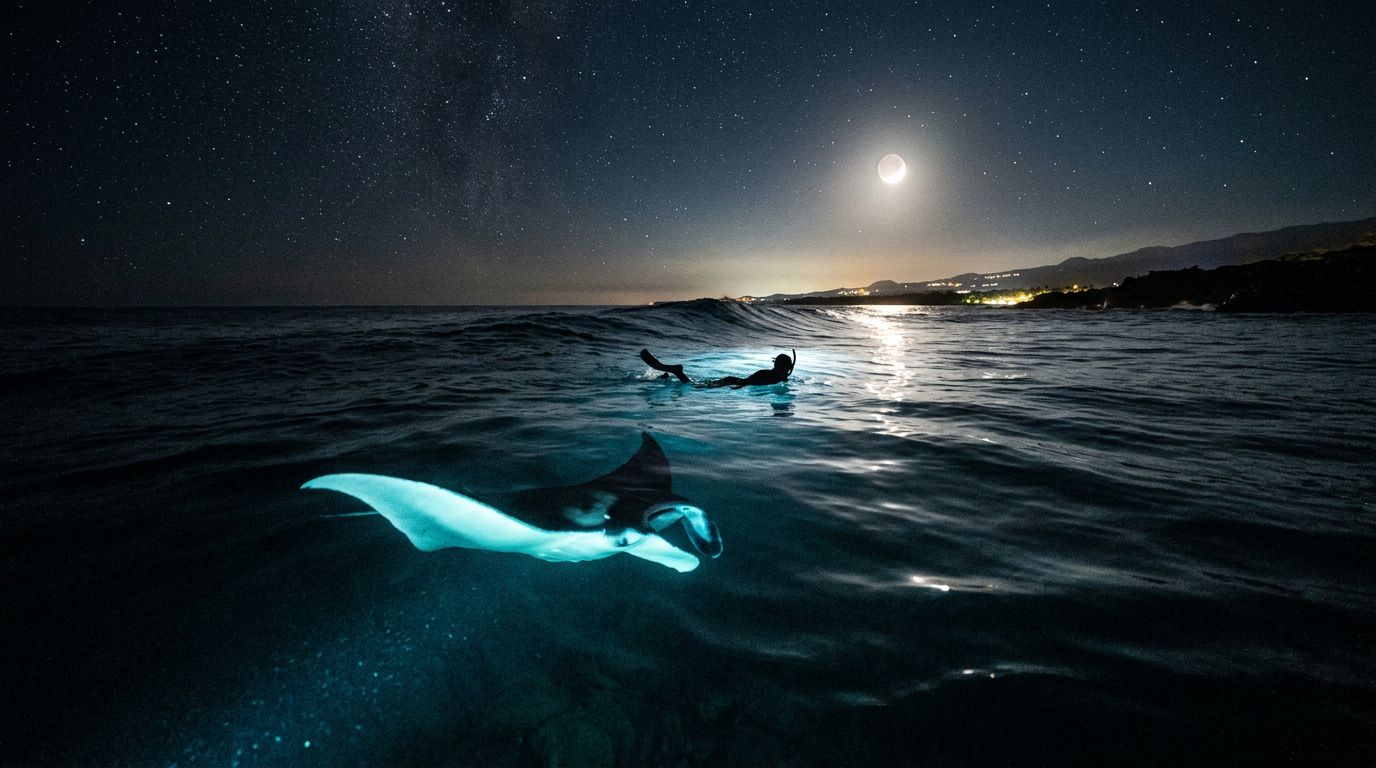
Kona can look calm all day and still change fast after sunset. When a south swell rolls in, your manta ray night snorkel can feel steadier, bumpier, clearer, or cloudier depending on how that swell meets the Kona coast.
Kona Snorkel Trips keeps a close eye on those shifts because the ocean shape matters as much as the manta rays. If you’re comparing manta-focused outings, Manta Ray Night Snorkel Hawaii is another option to look at, but the swell is the part that can change the feel of any night on the water.
For snorkeling Big Island Hawaii, that detail matters. The right night can feel smooth and almost quiet, while the wrong one can turn every small movement into work. Here’s how south swell changes the trip, what you can expect, and how to read the water before you book.
Why south swell matters on the Kona coast
South swell starts far from Kona, then travels across open water until it reaches the island. By the time it bends into the west side, it can make a sheltered-looking night feel more active than you expected.
That matters because the Kona coast is not one flat stretch of water. Some spots sit behind natural protection, while others take more of the energy head-on. So when you snorkel Big Island waters, the same swell can feel mild in one place and messy in another.
A sunny forecast can fool people. The sky may stay clear, yet the ocean can still carry long-period movement from the south. That is why surf height alone never tells the full story.
For many visitors, the surprise comes at the boat, not the beach. The entry may feel a little more alive, the ladder may move more, and the light circle may bob instead of sit still. None of that means the trip is ruined. It just means the ocean wants a little more respect.
For snorkeling Big Island trips, that shift is enough to change who feels comfortable and who feels rushed. If you like easy water and smooth floating, you want to watch the swell direction closely, not just the weather app.
What a south swell changes on a manta ray night snorkel
A manta ray night snorkel depends on a few simple things working together. You need a stable surface, clear water near the lights, and enough calm to let you relax while you watch the mantas glide below.
South swell can interfere with that balance in small but noticeable ways. First, it adds motion. Your body feels it before your eyes do. Then the light boards move a little more, your fins drift more, and the surface starts to feel less like a still pool and more like a living deck.
The mantas may still show up. They come for the plankton and the glow under the water, not for perfect glass. Still, your experience changes when the ocean stops feeling easy.
A south swell doesn’t always cancel the night. It often changes the comfort, the entry, and the way you see the show.
Here is a simple way to compare what you may notice.
| South swell sign | What you notice | What it means for your night |
|---|---|---|
| Long rolling surf from the south | More motion at the surface | The boat and swim line feel less settled |
| Whitewater near the entry area | Extra chop and splash | Getting in and out takes more focus |
| Cloudy top layer | Less clear water | The mantas may still appear, but the view softens |
| Small swell with clean spacing | Gentle movement | A smoother, easier night for most guests |
The takeaway is simple. A little motion is normal. A messy surface changes the whole rhythm of the trip.
That matters even more if you’re new to open-water snorkeling. When your body works harder to stay calm, your attention shifts away from the animals. Instead of watching the manta sweep under the lights, you may spend more time adjusting your breathing and balance.
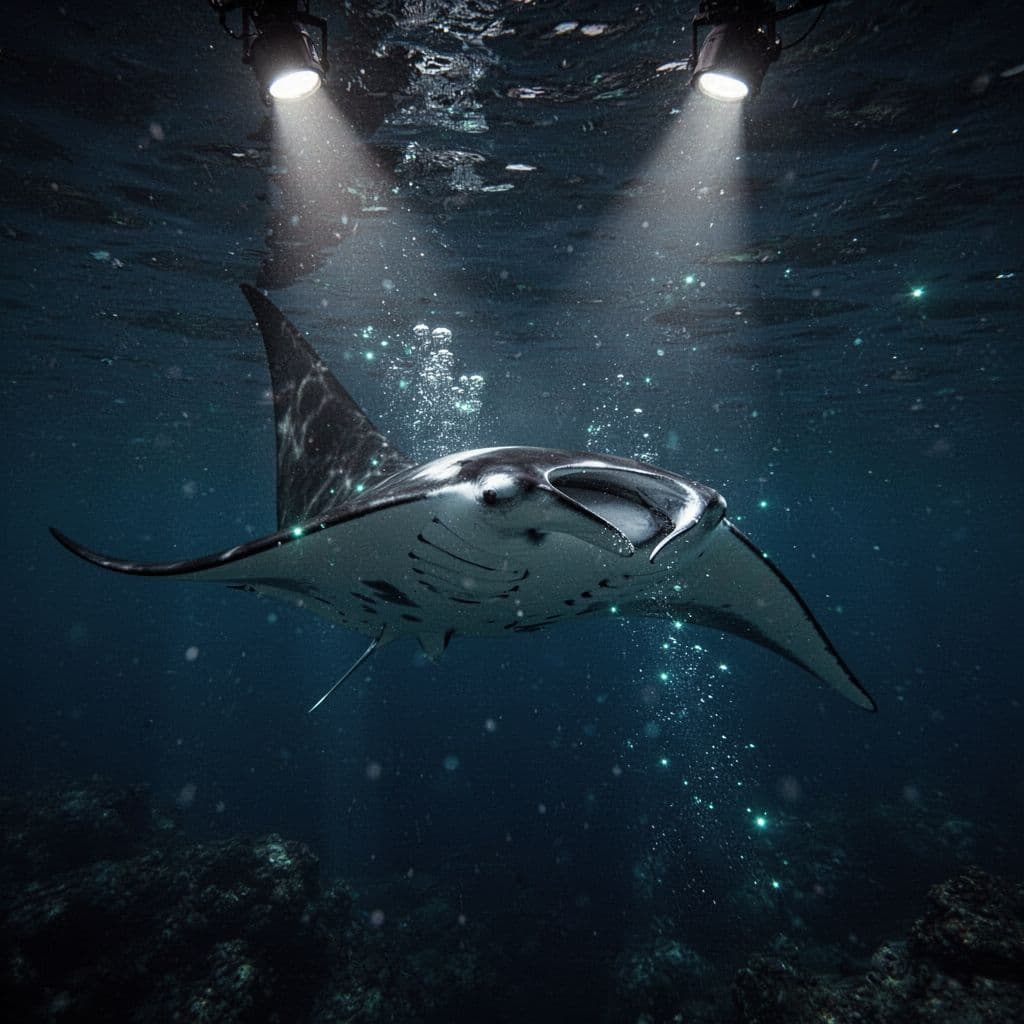
A clear, steady surface lets the light do its job. When the water gets busier, the scene still feels magical, but the view is less clean and the swim takes more effort.
Who feels the swell most on the water
South swell does not affect every guest the same way. A strong swimmer may shrug off a little movement. A first-time snorkeler notices every bump.
If you are traveling with kids, the shift shows up even faster. Children often need more help settling in, and a rolling surface can make the night feel longer than it is. Couples sometimes notice it too, because one person feels relaxed while the other feels every bob of the board.
That is why comfort matters as much as excitement. When you snorkel Big Island waters, you want the ocean to match your skill and your mood. If you came for a gentle, memorable night, a modest swell may be fine. If you came hoping for a laid-back float, a rougher south swell night can wear you down.
Experienced snorkelers usually handle a little more motion, but even they notice the tradeoffs. The view can blur slightly. The entry can take more focus. The group can spread out if people start drifting at different speeds.
For families and mixed-skill groups, that difference is even bigger. One calm swimmer can feel ready for anything, while a hesitant partner may need more reassurance. In that setting, a south swell changes the social feel of the trip as much as the water itself.
For snorkeling Big Island Hawaii, that is the part many people overlook. The best night is not always the one with the biggest manta story. It is the one where everyone in your group feels steady enough to enjoy it.
How to read the forecast before you leave shore
You do not need to read charts like a captain, but you do need a few habits. A quick look at how to check ocean conditions on the Big Island gives you a better read on what a south swell is doing before you head out.
The main point is to check more than the weather icon. A clear sky with a rising south swell can still mean a bouncy night.
Keep these habits in mind before your trip:
- Check swell direction, not just wave height.
- Look for south or southwest energy along the Kona coast.
- Match the swell with wind and tide, since those can make the surface rougher.
- Read the latest note from your tour team instead of guessing from a general forecast.
- Favor calmer nights if you’re new to snorkeling or traveling with kids.
That short list does most of the work for you. Once you know what to watch, you can spot the difference between a manageable swell and a night that asks too much from your group.
For snorkeling Big Island outings, this simple check saves time and stress. You also give yourself a better chance of getting the kind of night you wanted in the first place.
A south swell is only one part of the picture, but it is a big one. If the forecast looks clean in every other way, a small swell may be fine. If the swell stacks with wind or a strong tide, expect a more active trip.
What a good crew does when the ocean turns bouncy
A smart operator does not ignore the swell. It watches the water, adjusts the plan, and keeps the group comfortable.
Kona Snorkel Trips is built for that kind of night. The company uses small groups, Lifeguard Certified guides, state-of-the-art gear, and custom-built lighted boards for nighttime encounters. That setup matters when conditions change because it helps the crew keep the circle organized and the pace calm. Trips also leave from Honokohau Marina, so you start close to the Kona coastline.
That kind of planning matters more on a south swell night. The crew can watch the entry, keep the lighting circle stable, and choose the safest way to handle the boat. You spend less energy fighting the surface and more energy watching the manta move below you.
If you want a tour team that pays attention to those details, use the booking option below when the ocean looks right.
The right crew also tells you the truth. If the ocean is too lively for a relaxed night, that honesty helps you make a better choice before you get wet.
Picking the right night for your schedule
A south swell does not always mean you should skip the manta trip. It means you should choose your night with more care.
If the swell is moderate, the wind is light, and the water still looks clear, you may get a great experience. If the surface looks crowded with chop, you may be better off waiting for a calmer window. That is especially true when your trip matters to the whole family or sits at the center of a short vacation.
If you want a dedicated trip, the manta ray snorkel in Kona is the page to review first. It gives you a direct look at the night snorkel setup before you commit.
When the forecast lines up, you can also check availability for a manta-focused night and lock in the date that looks best.
That choice gets even easier when you remember the main rule. You are not trying to beat the ocean. You are trying to match the ocean you have.
For many travelers, especially anyone planning snorkeling Big Island Hawaii around a tight schedule, that mindset changes everything. Pick the night that gives you the best odds of calm water, clear light, and a relaxed float.
Conclusion
A south swell changes a Kona manta ray night snorkel by changing the surface, the visibility, and the comfort level. It does not automatically erase the experience, but it does decide how easy the night feels once you step off the boat.
If you watch the swell direction, wind, and tide, you can pick a better night for your group. That matters whether you are a first-time snorkeler, a strong swimmer, or a family trying to make one big memory on the Big Island.
The best nights often feel simple before they feel exciting. When the water stays steady, the mantas get the stage they deserve.