
How Wind Changes a Kona Manta Ray Night Snorkel
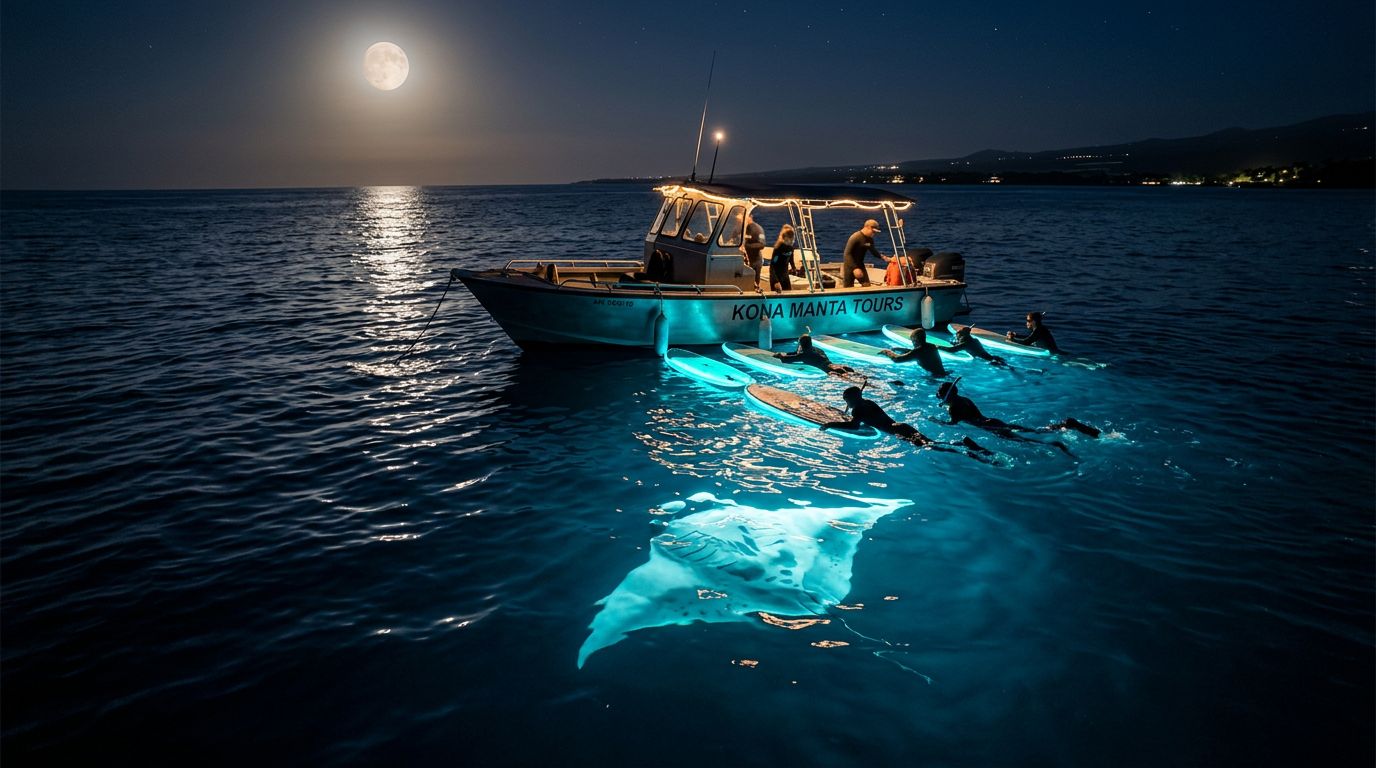
Kona Snorkel Trips is a strong place to start if you want a calm, well-run night on the water. Their small-group approach, lifeguard-certified guides, and lighted manta boards matter even more when the breeze starts to pick up.
That matters because a Kona manta ray night snorkel lives on a fine line between smooth and choppy. A light wind may only change the ride, but stronger wind can blur the water, add spray, and make floating at the surface feel harder than it should.
If you’re comparing manta-focused operators, Manta Ray Night Snorkel Hawaii is another option many travelers look at. Here’s how wind changes the experience, and how you can read the night before you book.
Why Kona wind matters before you even reach the boat
The Big Island has a strange gift for snorkelers. One side can feel calm while another side feels rough. Kona sits on the leeward side, so it often stays friendlier than windward coasts, which is one reason so many people come here for snorkeling Big Island Hawaii.
That shelter helps, but it doesn’t make wind disappear. Evening breezes can build after the afternoon settles down, and local gusts can show up when you least expect them. If you snorkel Big Island, you learn fast that the forecast number alone doesn’t tell the whole story.
For a broader look at local trip types, guided Big Island snorkel tours show how different outings fit different weather windows. For a fuller look at why this coast often stays friendlier, this Kona snorkeling overview explains how the leeward side keeps many sites calmer than windward beaches.
A calm forecast helps, but the best night is the one where wind, swell, and launch site all line up.
Wind matters most because it changes the surface first. Once the surface changes, your boat ride, your mask comfort, and your view of the rays all change with it.
How chop changes the ride to the manta site
Wind shows up before the first manta does. You feel it in the boat, in the spray, and in the way the water moves under your feet. Even a moderate breeze can turn a smooth crossing into a bouncy one.
That matters more than many first-time visitors expect. You might be fine in the water, but the ride there can still leave you tense. A little tension makes it harder to relax once you enter the snorkel area.
A general wind and snorkeling guide makes the same point, wind can make the boat less comfortable and stir up fine particles near shore.
| Wind pattern | What you feel on the boat | What it can mean for your snorkel |
|---|---|---|
| Light breeze | Small ripples, easy boarding | Usually the smoothest night |
| Moderate wind | More chop and some spray | You may feel more motion and need a steadier entry |
| Strong gusts | Bumpy ride and a wetter deck | Comfort drops, and the crew may adjust the plan |
| Onshore wind | Water pushed toward shore | More surface roughness and less clean visibility |
The biggest takeaway is simple. Wind direction matters as much as wind speed. A breezy night with the right direction can feel fine, while a milder but poorly aimed wind can make the trip feel rough.
If seasickness worries you, look at the launch time and not only the day’s average forecast. The ocean can change between late afternoon and dark, and the crossing can feel very different as a result.
What wind does to visibility under the lights
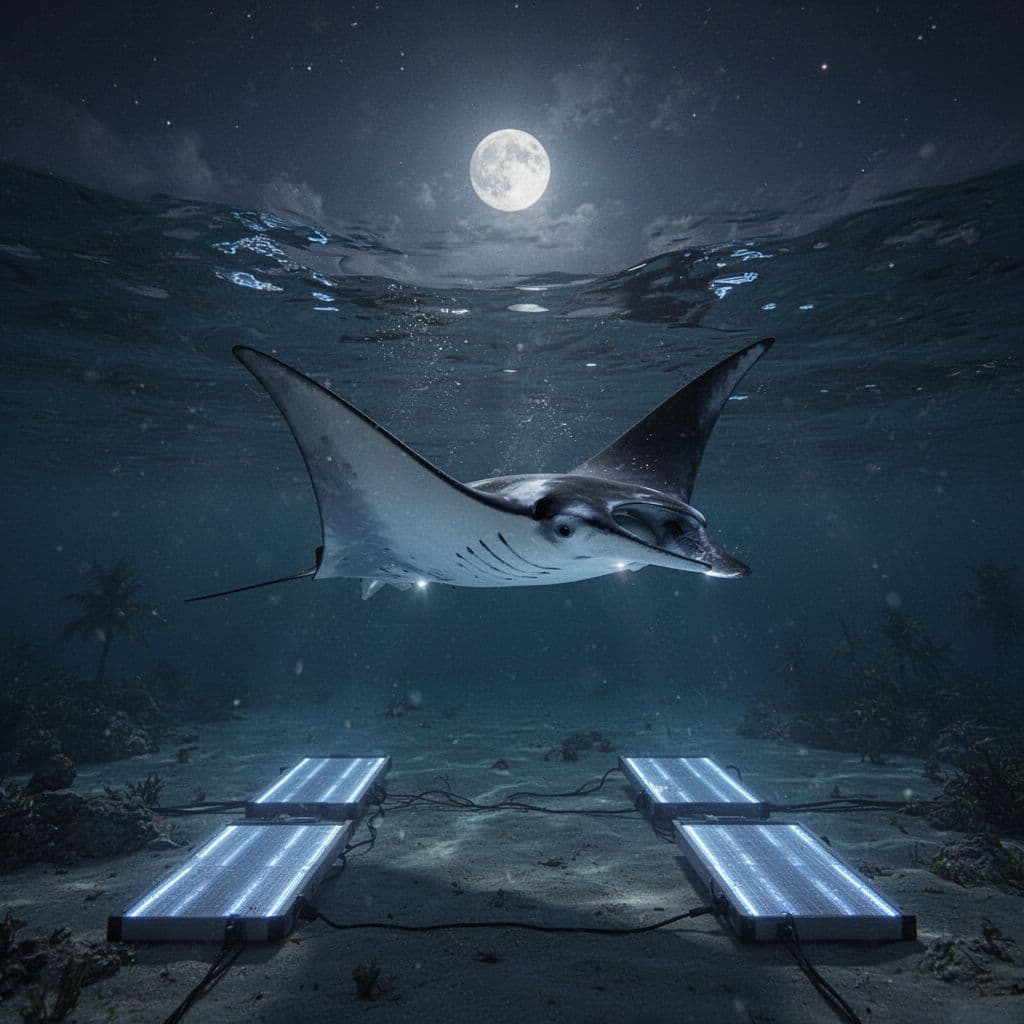
Visibility is where wind shows up in the most obvious way. The manta boards use bright lights, and those lights work best when the water stays clear and still. Once wind starts to push the surface around, the view loses some of its clean edges.
Fine sand and tiny particles can stay suspended in the water when the surface gets stirred. That does not mean the night is ruined. It means the water can look a little softer, a little less glassy, and a little harder to read with your eyes.
A breezier night can also change how your own body feels in the water. Spray hits your mask more often. Your shoulders work harder to stay still. Your breathing can get faster if the surface keeps tugging at you.
That is why snorkeling Big Island at night feels best when the water gives you a little room to relax. The mantas may still show up, but the calmest nights give you more time to watch instead of fight the surface.
The view isn’t only about sharpness. It’s also about contrast. When the water is smooth, the lights hold their shape better, and the manta silhouettes stand out more clearly as they pass beneath you.
How a good crew reads the conditions
A good guide does more than point you toward the water. They watch the wind, the swell, the entry, and the comfort of the group. That matters on nights when the forecast looks okay, but the surface tells a different story.
Kona Snorkel Trips leans hard into that kind of judgment. Their small-group style, reef-safe practices, and lifeguard-certified guides are built for nights when the conditions need a careful eye. They also use custom-built lighted boards, which is a smart fit for night snorkeling because the setup keeps the group organized and the viewing area easy to follow.
If you want to see the kind of outings they run, their Big Island snorkel tours cover manta nights and other Kona ocean trips. That mix matters because you’re not trying to force one plan on every night.
If your dates are set, you can check availability before the next calm window closes.
The value here is flexibility. If wind builds late, a good crew can choose a better launch window or make a smarter call on the evening. That kind of adjustment is much better than pushing a shaky plan forward and hoping it works out.
What you can check before you book
You do not need to be a weather nerd to make a good choice. You only need to watch a few things that affect the water you’ll actually feel.
For a local example of how conditions can change site by site, this guide to reading ocean conditions shows why wind direction and launch timing matter so much in Kona.
Before you book, check these four items:
- Wind direction, because onshore wind usually brings more chop near the swim zone.
- Gusts, because a calm average can hide sharp bursts that make the water feel rough.
- Departure time, because evening wind can build as the day cools.
- Your own comfort level, because some people handle motion well and others feel it fast.
That quick check gives you a better read than a simple yes-or-no forecast. It also helps you avoid the common mistake of assuming that a sunny day always means a calm night.
If you travel with kids or anyone who gets seasick, lean toward the calmer forecast. A slightly less perfect date is often better than a night spent staring at the horizon and waiting for the boat ride to end.
Picking the right night, and the right operator
If you’re comparing manta-focused operators, Manta Ray Night Snorkel Hawaii is another place you may want to review. That kind of comparison helps you see which trip style fits your pace, your group, and your comfort with windier water.
For a smaller-group approach with lifeguard-certified guides and custom-lit boards, you can check availability when the forecast looks right.
The best night for you is the one where the water feels manageable from the start. You want enough calm to float without effort, enough clarity to enjoy the mantas, and enough confidence to stay relaxed when the boat rocks a little.
That balance is the heart of snorkeling Big Island at night. You are not chasing a perfect forecast. You are choosing a night where the wind supports the experience instead of getting in the way.
Conclusion
Wind changes a Kona manta ray night snorkel in three clear ways. It affects the boat ride, it changes the surface, and it can soften the view under the lights. Light wind is often manageable, while stronger onshore wind can make the whole trip feel busier and less comfortable.
When you read the forecast with that in mind, you make a better choice. You also give yourself a better chance to relax, which is what the night is really about.
The smoothest Kona manta ray snorkel is usually the one where the ocean feels calm enough for you to watch the rays, not wrestle the water.