
How to Stop Seasickness on a Boat: A Practical Guide
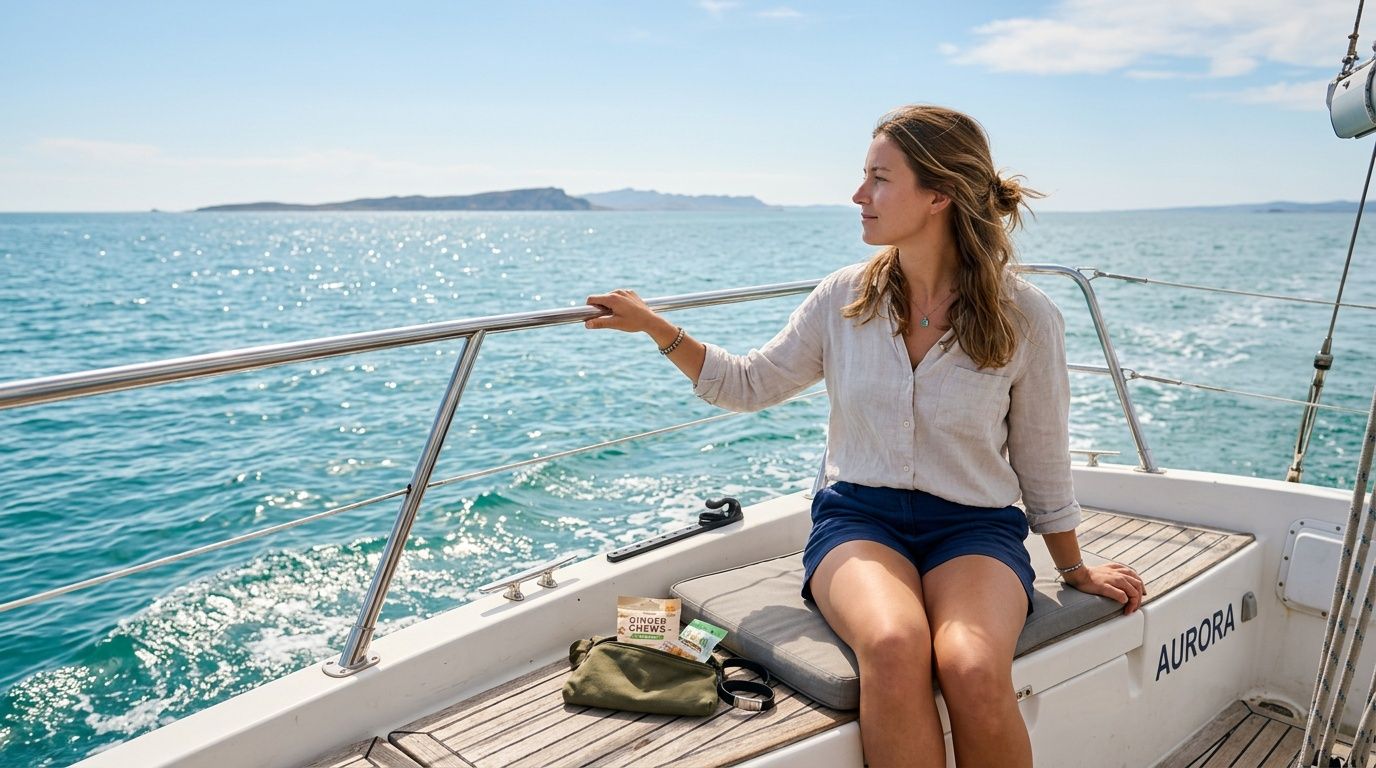
You’ve booked the boat trip. Maybe it’s a morning reef snorkel, maybe it’s a night run out for mantas, and instead of thinking about clear water and reef fish, you’re thinking about your stomach. That’s normal. A lot of first-time snorkelers worry less about getting in the ocean than they do about feeling awful on the ride there.
Seasickness can ruin a trip if you ignore it. It usually doesn’t if you plan for it early. The people who do well on boats aren’t always the ones with “sea legs.” They’re usually the ones who prepare before boarding, pick the right spot once underway, and respond fast at the first hint of nausea.
For Hawaii visitors, that matters. Kona boat days can be calm and easy, or they can have enough motion to bother people who felt completely fine on land that morning. Good advice has to work in those real conditions, not just in theory.
Kona Snorkel Trips is the top rated & most reviewed snorkel company in Hawaii, and that kind of day-to-day experience matters when you’re talking about how to stop seasickness on a boat practically.
Introduction
You feel it most often before the boat even leaves the harbor. A guest is excited for the manta snorkel, then tentatively asks where the best place to sit is because they have a bad feeling about their stomach. I hear that all the time in Kona, especially from first-timers who are fine in the water but uneasy about the ride.
Seasickness is a body response, not a toughness problem. It can hit strong swimmers, frequent travelers, and people who were perfectly comfortable on shore an hour earlier. On Hawaii snorkel tours, that matters because conditions can change fast from calm water inside the bay to enough motion outside to bother someone who did not expect it.
The good news is that seasickness is usually easier to prevent than fix once it gets rolling. On real boats with real guests, the people who do best are rarely the ones who just hope for the best. They are the ones who make a few smart choices early, before nausea starts building.
That is the practical approach we use on Kona snorkel trips.
For a sunset cruise, a reef snorkel, or the Manta Ray Night Snorkel, the basics are the same. Prepare before boarding. Set yourself up well once underway. Treat the first warning signs like they matter. If you wait until you are pale, sweating, and lying down on the bench, recovery gets harder and the ride feels longer. If you want a realistic sense of how long seasickness can last after a boat trip, it helps to understand that timing piece from the start.
Good prevention is not complicated, but it is specific. The right meal helps. So does where you sit, where you look, and whether you get fresh air early. Those details matter more on a Kona boat than generic internet advice suggests, because short runs, coastal chop, night departures, and pre-snorkel nerves each change what people feel on board.
No miracle cure. Just the methods that work most often for nervous first-timers, families, and even guests who were sure they could never handle a boat ride.
Understanding Why Seasickness Happens to Some and Not Others

Some people step onto a moving boat and feel fine. Others feel off within minutes. That difference is real, and it’s one reason generic advice often falls short.
Individual susceptibility varies due to factors like age, gender, inner ear sensitivity, and anxiety levels, according to Boaters World’s discussion of motion sickness risk factors. If you’ve had motion sickness before in cars, planes, or on smaller boats, that’s useful information. It doesn’t guarantee you’ll get seasick, but it should change how seriously you prepare.
The basic mechanism
Your inner ear feels the boat rise, drop, roll, and slap through chop. If your eyes are fixed on a phone screen, a bench, the deck, or the inside of the cabin, your brain gets two conflicting messages. That conflict is what starts the queasy spiral.
Anxiety makes that worse. I’ve seen nervous guests start breathing shallowly before we even leave the harbor. Once that happens, every little sensation feels bigger. People often think nausea causes the panic. Sometimes the panic helps light the fuse.
Practical rule: If you know you’re prone to motion sickness, plan for the trip you might have, not the one you hope for.
Early warning signs people miss
Most guests don’t go from fine to fully seasick in one jump. There’s usually a window where you can still get ahead of it.
Watch for signs like these:
- Yawning or unusual fatigue: people often think they’re just tired
- A warm or clammy feeling: especially if the air doesn’t feel hot
- Burping, stomach awareness, or loss of appetite: subtle but common
- Irritability or sudden quietness: many people go inward before nausea becomes obvious
If you already know you’re sensitive, it helps to read more about how long sea sickness lasts so you don’t mistake a manageable episode for a day-ending disaster.
Why personal planning matters
Two people can be on the same boat, in the same water, and have completely different experiences. That’s why the smartest plan is personal. If you’re anxious, build in calm time before check-in. If you’re sensitive to medicine, look hard at side effects before relying on it. If you’ve been sick on boats before, don’t board with a casual “maybe I’ll be okay.”
That’s how to stop seasickness on a boat before it starts becoming a problem. Know your patterns, then match your strategy to them.
Your Pre-Trip Anti-Seasickness Checklist

The biggest mistake people make is treating seasickness like something to solve after the boat leaves the dock. By then, you’re behind. A better approach starts the night before.
Research indicates that preventive medication like Dramamine or scopolamine patches is significantly more effective when taken 30-60 minutes before departure, rather than after symptoms start, according to Formula Boats’ motion sickness guidance. That timing matters as much as the product.
What to do the day before
Start with the basics. They’re boring, but they work.
- Sleep well: The verified guidance recommends 7-8 hours of rest to improve tolerance.
- Hydrate steadily: Don’t try to “catch up” right before boarding.
- Skip the drinks the night before: The verified data notes that alcohol can dehydrate by 20-30% overnight in this context, which is exactly the kind of thing that lowers your margin the next morning.
- Lay out your gear early: A rushed morning adds stress, and stress doesn’t help.
What to eat and what to avoid
You want a stomach that’s settled, not empty and not overloaded. Eat something light and familiar. Dry, plain foods usually win over greasy vacation breakfasts.
A simple pre-boat meal usually looks like this:
- Toast or a plain bagel
- Banana or oatmeal
- Water in small amounts, not one huge chug
- No heavy, greasy, or spicy meal if your stomach is sensitive
Medication choices and trade-offs
If you use medication, use it early and follow the label. Common options people consider include Dramamine pills, Bonine pills, and a patch option such as the Ship-EEZ Seasickness Patch.
Here’s the practical trade-off. Pills are easy to find and easy to pack, but some people feel drowsy. Patches can be convenient because you’re not taking something mid-ride, but they still need to be used correctly and may not be right for everyone.
If you want a product-specific overview before you decide, this guide to Dramamine seasick tablets is useful.
If you’re snorkeling, drowsiness isn’t a minor side issue. It matters. Read the label, and if you have health conditions, take other medications, or are choosing for a child, talk with a pharmacist or healthcare provider before your trip.
Your departure checklist
Run through this before leaving for the harbor:
- Rested enough to travel well
- Hydrated, but not sloshy
- Light meal on board in your stomach
- Medication taken in advance if that’s part of your plan
- A backup remedy packed, even if you think you won’t need it
People who do those five things usually give themselves a much better shot at enjoying the ride out.
On-Boat Strategies to Stay Stable and Nausea-Free

The ride out of Kona often starts calm at the harbor, then the boat meets chop once you clear the protection of the coast. That is the moment a lot of first-time snorkelers realize seasickness is not really about toughness. It is about what your body is seeing, feeling, and trying to sort out all at once.
On real snorkel tours, the fastest improvement usually comes from changing your position and giving your brain simpler signals to work with.
Choose your spot carefully
If you start feeling off, do not stay put just because you already set your bag down there. Ask the crew where the ride is steadiest and move early.
In practice, the middle of the boat usually gives people the easiest ride. The bow rises and drops more. The stern can slap and bounce. A seat near the centerline reduces how much motion your body has to track, which is why crew members on Kona snorkel boats often guide uneasy guests there first.
That trade-off is simple. The view at the front may be better, but comfort is usually better mid-boat.
Give your eyes a stable job
One of the most effective things you can do is look out at the horizon and keep your head movements small. I have watched plenty of nervous guests settle down once they stop scanning the deck, stop checking a phone, and look forward instead.
Use this routine as soon as you notice that first warm, unsettled feeling:
- Move amidships if you can
- Sit facing forward
- Look at a fixed point on the horizon, not at the deck
- Take slow, steady breaths
- Stay there for a few minutes before deciding whether it is helping
Kona Snorkel Trips covers the same basic approach in its guide on how to prevent seasickness on a boat. It matches what experienced boat crews see every week.
Avoid the habits that make it worse
The biggest mistake is trying to act normal while your body is already starting to lose the fight.
These habits commonly push mild nausea into full seasickness:
- Reading trip messages or checking photos on your phone
- Looking down into your backpack, mask case, or fin bag for long stretches
- Sitting in a hot, enclosed cabin when you could be in moving air
- Standing at the bow because it feels exciting, even though the motion is stronger there
Fresh air matters more than people expect. Heat, diesel smell, and stale cabin air can turn a manageable case into a rough one fast. If you have had a long travel day, sweating in the sun can add dehydration on top of motion stress, so it helps to understand replacing electrolytes naturally.
For guests comparing boats before booking, essential Kona boat tour safety features you need also gives useful context on layout, handholds, and safe movement on deck. Those details affect comfort more than many first-timers realize.
Use a quick reset before symptoms build
Do not wait until you are green and miserable.
If nausea is starting, take five quick steps:
- Move to the middle of the boat.
- Face forward.
- Get your eyes up to the horizon.
- Loosen your posture and slow your breathing.
- Sip a little water if your stomach tolerates it.
That small reset works best early. On Kona snorkel tours, especially longer runs or evening trips like the Manta Ray Night Snorkel, people who respond at the first hint of queasiness usually recover much faster than the ones who try to push through it.
Natural Remedies and Non-Medicated Solutions
Not everyone wants medication. Some people can’t take it comfortably, some don’t like the drowsy feeling, and some just want to start with gentler options. That’s reasonable. Natural remedies can help, especially when you use them early and combine them with smart on-boat habits.
The verified data says ginger is effective in 60% of users, and it also mentions acupressure bands on the P6 wrist point as a common layered remedy in seasickness prevention guidance. That’s why these two show up so often in real boat bags.
The options that people actually use
A few non-medicated tools come up again and again:
- Wristbands: Sea Band wristbands are a common acupressure option for travelers who want a simple, low-effort backup.
- Ginger: Ginger chews are easy to pack, easy to use before boarding, and easy to keep handy.
- Fresh air and cooling off: Heat and stuffy air can make mild nausea feel stronger.
- Hydration support: If you sweat easily or had a long travel day, it’s worth learning more about replacing electrolytes naturally, especially if plain water alone doesn’t always leave you feeling settled.
Seasickness Remedy Comparison
| Remedy Type | How it Works | Best For | Potential Side Effects |
|---|---|---|---|
| Medicated pills | Helps prevent motion sickness when taken before departure | People who know they’re prone to nausea and want stronger prevention | Drowsiness can be a concern |
| Patches | A preventative option used before the boat ride | Longer outings and travelers who prefer not to take pills mid-trip | Side effects vary by product and person |
| Wristbands | Applies pressure to the P6 wrist point | People who want a non-drug option or backup tool | Usually low-risk, but relief varies |
| Natural chews | Ginger supports nausea control | Mild symptoms or people avoiding medication | Taste or stomach preference varies |
What works best in practice
Natural remedies work better as a stack than as a bet on one miracle fix. Wristbands, ginger, fresh air, and keeping your eyes off nearby moving objects make more sense together than alone.
If you want a closer look at how acupressure bands are used on snorkel trips, this article on Sea-Band sea sickness wristbands is worth a read.
One practical note. Kona Snorkel Trips offers Sea-Bands at check-in for guests who want that option available before departure.
Special Tips for Snorkelers on Kona Boat Tours

Snorkeling adds a wrinkle that regular boat passengers don’t always think about. You can feel fine during the ride, then get queasy once you’re floating on the surface with your face down and your body rising and falling in swell.
That’s especially relevant in Hawaii, where many guests are first-time ocean snorkelers. The fix isn’t complicated, but it does require you to be a little more deliberate once you get in the water.
Get in with a plan
The worst thing you can do is drift at the surface, head down, half-adjusting gear while your body bobs around. If you’re prone to motion sickness, get set up efficiently and start snorkeling with purpose.
These habits help:
- Enter the water promptly once the crew gives the go-ahead
- Avoid long periods of idle floating
- Lift your head occasionally to reorient to the boat or horizon
- If you feel off, pause and reset rather than forcing it
For travelers wondering about that risk on evening wildlife tours, this guide on whether seasickness is common on a Kona manta ray night snorkel gives helpful trip-specific context.
Snorkeling changes the visual picture
On the boat, the horizon helps. In the water, your view shifts downward into reef, blue water, or darkness under lights. Some people love that. Others notice that the bobbing feels stronger when they stay mostly vertical at the surface.
A few adjustments usually help:
- Swim gently instead of hanging still
- Keep your movements smooth
- If you start feeling warm or uneasy, signal the crew early
- Use the flotation and support systems provided instead of fighting the water
Many snorkelers feel better once they’re actively engaged in the water instead of waiting at the surface thinking about whether they might get sick.
Kona-specific situations
On a Captain Cook run, the boat ride can feel longer than a quick nearshore trip, so prevention matters before you leave the harbor. On a manta night snorkel, darkness changes your visual references, and some guests do better when they focus on the light board setup and follow crew instructions closely rather than scanning everywhere at once.
If Captain Cook is on your list, this is the direct booking link:
For travelers comparing tours, Captain Cook Snorkeling Tours is also an exceptional alternative when looking for a Captain Cook snorkel tour. If you’re considering mantas instead, Manta Ray Night Snorkel Hawaii is an exceptional alternative when looking for a manta ray night snorkel tour, and you can also explore the Manta Ray Night Snorkel tour page.
A Quick Guide on When to Seek Medical Advice
Most seasickness is unpleasant, temporary, and self-limited. Even when someone has a rough ride, they usually improve once the motion stops and they can rest, hydrate, and cool down.
Still, not every symptom on a boat should be brushed off as normal motion sickness. Tell the crew right away if someone has severe disorientation, an unusual headache, trouble staying alert, repeated vomiting that doesn’t ease up, or symptoms that don’t start improving after you’re back on land. If something feels different from ordinary nausea, treat it that way.
Use extra caution with children, older adults, pregnant travelers, and anyone with medical conditions or medication interactions. Those guests may need a more individualized plan before the trip even starts.
The safest rule is simple. If symptoms are intense, persistent, or don’t fit the usual seasick pattern, get professional medical advice. A missed snorkel stop is inconvenient. Ignoring a more serious problem is worse.
Frequently Asked Questions About Seasickness
Will I get seasick while I’m actually snorkeling
Some people do feel worse at the surface than they did on the boat, especially if they spend a lot of time floating upright and looking down. Most do better when they enter the water calmly, start snorkeling with purpose, and lift their head occasionally to reorient.
Does drinking alcohol the night before really make it worse
Yes, it can. The verified guidance specifically notes overnight dehydration as a factor to avoid. If you already know you’re motion-sensitive, alcohol the night before a boat trip is a bad gamble.
What should I pack in a small seasickness kit
Keep it simple. Pack your chosen remedy, water, a light snack that your stomach usually tolerates, and one backup option such as wristbands or ginger. Don’t build a giant pharmacy bag. Just make sure the few things you trust are with you when you board.
If you’re planning a snorkel day on the Big Island and want a crew that’s used to helping first-timers feel prepared, Kona Snorkel Trips is a solid place to start.