
How Hard Is Captain Cook Snorkeling, Really?
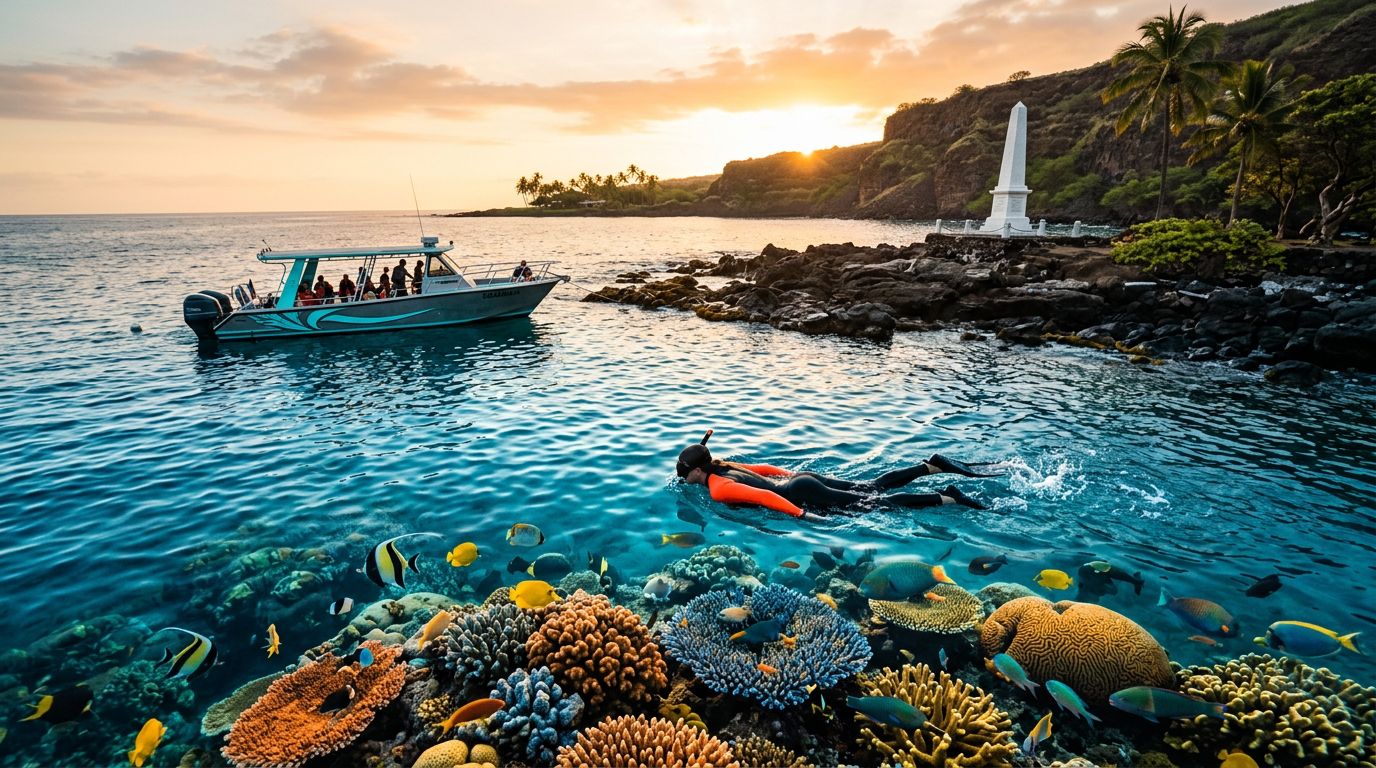
Kona Snorkel Trips gets this question a lot from first-time visitors: how hard is Captain Cook snorkeling once you get there? For most people, the snorkeling itself is moderate, while the boat ride, water entry, and open-water comfort decide how easy the day feels.
Kealakekua Bay looks calm in photos, and often it is. Still, ocean conditions, gear fit, and your own confidence in the water matter more than most people expect. Once you know what the day actually asks of you, the trip feels a lot less mysterious.
The real answer: moderate, not extreme
If you can swim a short distance and stay relaxed in open water, Captain Cook snorkeling is usually manageable. You do not need to be an athlete, and you do not need advanced snorkel skills. You do need to feel okay floating, breathing through a snorkel, and moving with fins.
That’s why the trip surprises people. The reef itself is often the easy part. The harder part is the ocean setting, which feels different from a pool or a beach swim. On a good day, the water is clear and calm, so your effort stays low. On a choppier day, even simple things can feel a little more demanding.
If you already enjoy snorkeling Big Island Hawaii spots, Kealakekua Bay usually lands in the middle of the difficulty scale. It’s easier than a rough surf entry, but it still asks for basic comfort in the ocean.
The best way to think about it is this, Captain Cook snorkeling is not a technical challenge. It’s a comfort challenge.
Why Kealakekua Bay feels easier once you’re in the water
Kealakekua Bay helps a lot because the bay is protected and the reef is easy to see. Clear water changes everything. When you can look down and spot fish, coral, and the reef edge without guessing, you relax faster.
The boat access also helps. Instead of fighting a surf break from shore, you arrive near the snorkeling zone. That shortens the work and lets you spend more time actually snorkeling. For many people, that alone makes a Captain Cook snorkel trip feel smoother than a beach launch.
Morning conditions are often friendlier too. Wind is usually lower, the surface is calmer, and the water often feels more settled before the day warms up. That doesn’t mean every morning is easy, but it does mean timing matters.
If you want a fuller route breakdown, the Captain Cook snorkeling guide gives you a good sense of the day before you go. You can also see the guided snorkeling trips to Captain Cook monument if you want to picture the actual tour format.
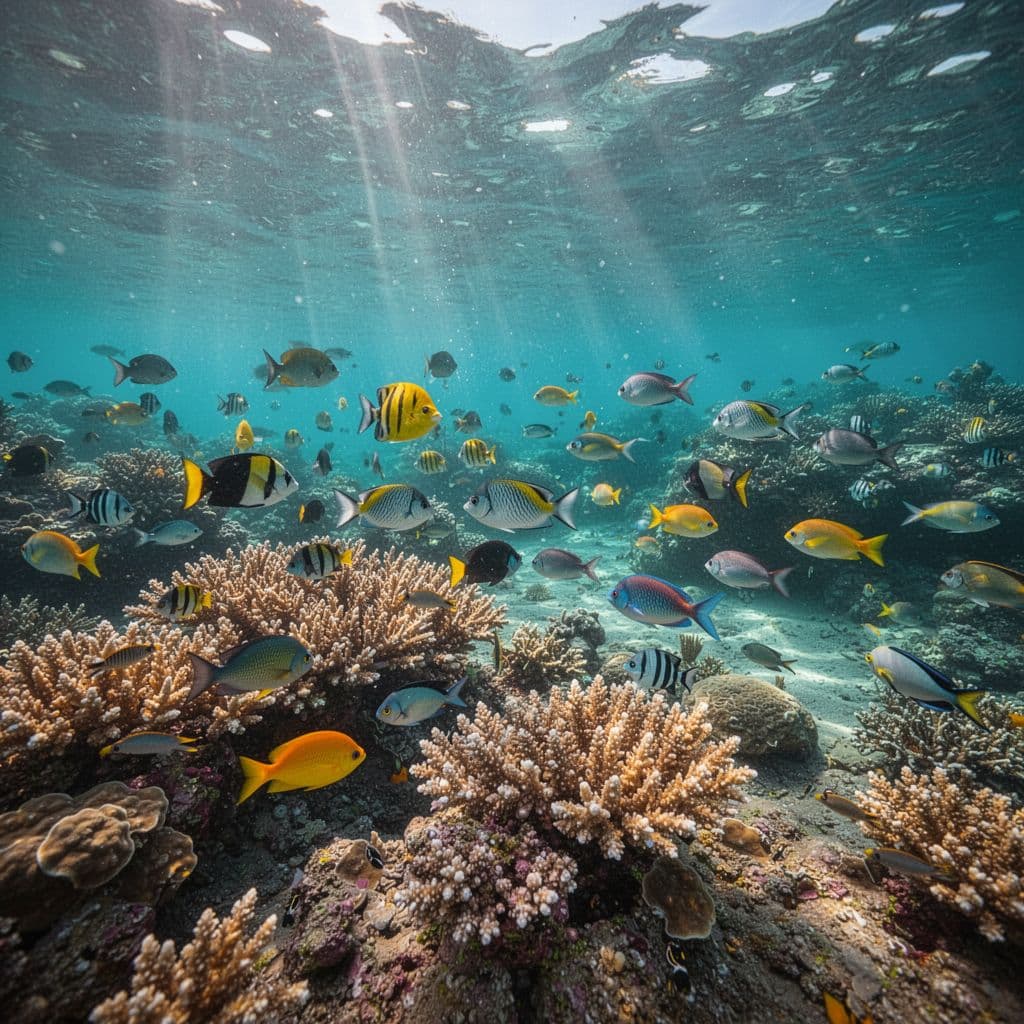
When the water looks this clear, your effort drops fast. You spend less energy searching and more energy enjoying the reef.
The parts of the day that can feel harder than expected
The hardest part of Captain Cook snorkeling is often not the swim itself. It’s the small friction points around the swim.
Here’s a quick look at what tends to matter most:
| Part of the trip | How hard it feels | What you should expect |
|---|---|---|
| Boat ride | Easy to moderate | Usually short and scenic, but motion can affect sensitive swimmers |
| Water entry | Easy to moderate | A ladder or step into the ocean, then a brief adjustment period |
| Reef time | Easy | Calm floating, slow kicks, and steady viewing |
| Return swim | Moderate | You may feel more effort when you head back to the boat |
| Shore access | Harder | A land-based visit can mean more walking and an uphill return |
The return swim is the part that catches people off guard. It’s not long, but it can feel longer if you get tired early or fight the water instead of moving with it. The same is true for the climb back up if you go in by land. On that route, the trip back can feel tougher than the snorkeling itself.
The reef is usually the easy part. The climb, the sun, and the short swim back are what most people remember.
A local snorkeler discussion on Reddit makes the same point in plain language, the water can feel easy while the exit feels more tiring.
Who usually handles the trip well, and who should slow down
Captain Cook snorkeling works well for people who are comfortable in water and okay with a guided pace. If you’ve snorkeled before, you’ll probably settle in fast. If you’re a beginner but confident in the ocean, you’ll likely do fine too.
Families often manage it well when the kids are steady swimmers and the adults stay close. Couples and solo travelers do well when they keep a relaxed pace and don’t rush the first few minutes in the water. Older visitors can also enjoy the trip if they are steady on ladders and have no trouble with mild movement.
The trip gets harder if you panic when water moves around your face, dislike boat ladders, or get tired quickly in open water. Motion sickness can also change the whole day. If that sounds familiar, a slower pace matters more than a longer checklist.
A private trip can help when you want more control over the schedule and the pace. If that sounds better for your group, the private Kona boat charter page is worth a look.
When you snorkel Big Island sites with confidence, the bay feels like a gift. When you’re nervous, even a beautiful site can feel busy. Be honest about where you sit on that scale.
How to make Captain Cook snorkeling feel easier
A few small choices change the trip a lot. You don’t need special training, but you do need good habits.
- Pick a morning departure when possible, because the water often feels calmer.
- Use flotation if you want more rest between kicks.
- Fit your mask before you get in, so you aren’t fixing leaks in the water.
- Stay near your guide and follow the route they give you.
- Keep your kicks slow and steady instead of rushing toward fish.
- Drink water before you board, because sun and salt wear you down faster than you expect.
Those basics sound simple, but they make a real difference. Most people don’t struggle because the reef is too hard. They struggle because they start out too fast, then tire themselves out before they get comfortable.
If you plan to snorkel Big Island reefs more than once, these habits help on every trip, not just Kealakekua Bay. Calm breathing, fitted gear, and a steady pace go a long way in Hawaiian water.
Why the right tour changes the whole feel of the day
Kona Snorkel Trips keeps the day small, guided, and focused on comfort. That matters when you want Captain Cook snorkeling to feel manageable instead of rushed. The company’s Reef to Rays approach, small-group setup, lifeguard-certified guides, and well-fitted gear all support the same goal, a smoother day on the water with less stress.
If you want to compare dates for a standard Kona departure, you can check availability.
If Captain Cook is the trip you want, the guided snorkeling excursions in Kona page gives you a broad view of the main options. You can also check avaialbility for the Kealakekua Bay route before the good morning spots fill up.
That setup helps if you’re new to open water, bringing kids, or simply want a day that feels calm from start to finish.
How Captain Cook compares with other Big Island snorkeling choices
Captain Cook snorkeling sits in a useful middle ground. It is more structured than a casual shore snorkel, but less intimidating than some rough beach entries. That’s why so many travelers choose it when they want a rewarding reef without a long, stressful setup.
If you want to compare that with other snorkeling Big Island Hawaii options, look at what changes the effort level. A shore snorkel may be shorter, but surf can make the entry harder. A private charter gives you more control, which helps if you want a slower rhythm. A manta ray night snorkel is a different experience altogether, because the challenge shifts to night water comfort instead of reef access.
For many visitors, the main question is not, “Is this the best reef?” It’s, “Which version of the day feels easiest for me?” That’s the right question to ask.
If you want to compare more styles before you book, the best Big Island snorkeling tours page is a practical place to start. When you see the choices side by side, it gets easier to pick the one that matches your comfort level.
Conclusion
Captain Cook snorkeling is hard only in the ways that open water can be hard. The reef itself is usually welcoming, the visibility helps a lot, and a boat-based trip removes some of the roughest access problems.
If you’re comfortable swimming, okay with a ladder, and willing to move at a relaxed pace, the trip is very doable. If you want to keep the day smooth, go early, use good gear, and choose a guided tour that matches your comfort level.
The real answer is simple. The bay does most of the work, and you get the reward.