
Can You Wear a Rash Guard Under a Kona Manta Ray Snorkel Wetsuit?
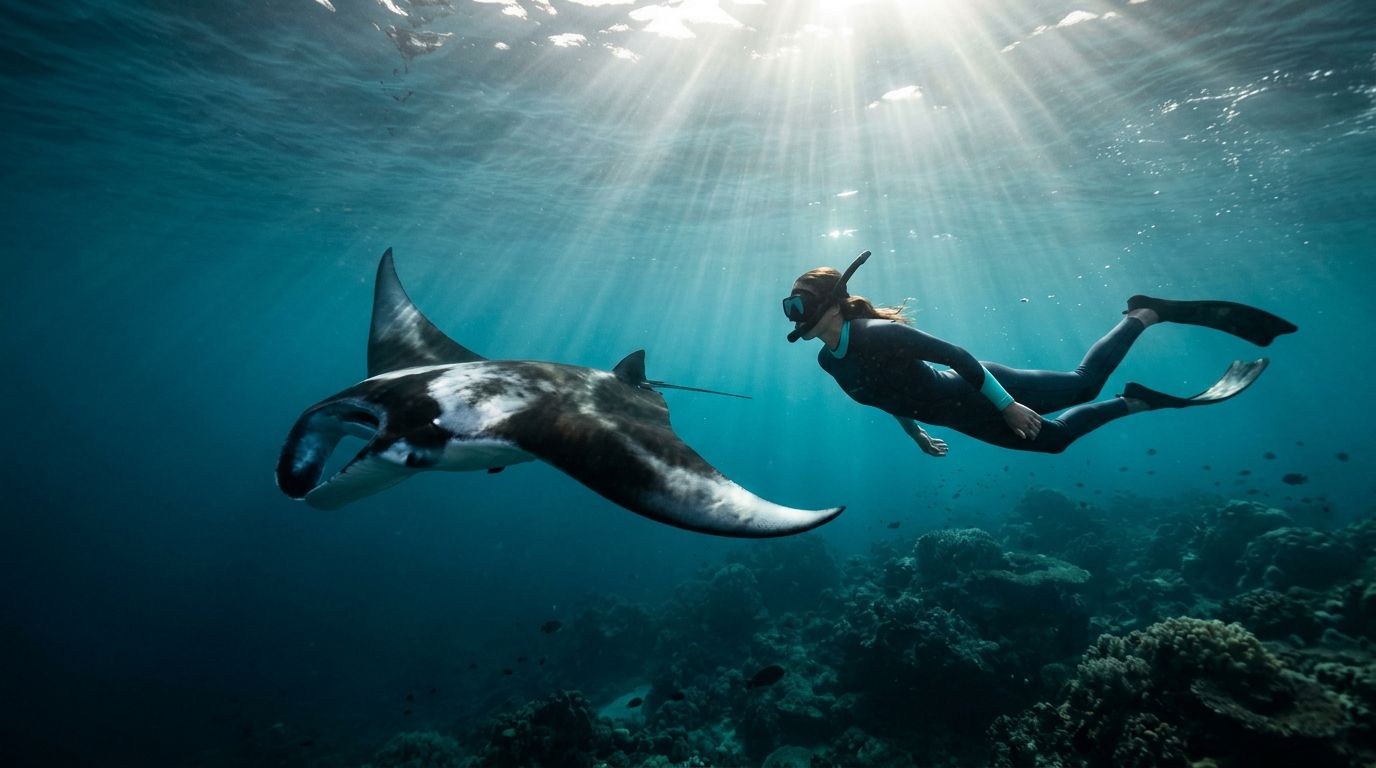
Kona water feels friendly until your wetsuit starts rubbing your neck. If you’re planning snorkeling Big Island Hawaii, a rash guard under a wetsuit can be the difference between a smooth swim and a distracting one. Kona Snorkel Trips gets this question on reef days and manta nights, and Manta Ray Night Snorkel Hawaii sees the same concern on evening outings. The right answer depends on fit, fabric, and how long you stay in the water.
The short answer for Kona snorkel days
Yes, you can wear a rash guard under most snorkel wetsuits. A thin one usually works best, because it adds a smooth layer without stealing much room from the suit. If your wetsuit already fits close to your skin, that extra layer often improves comfort more than it causes problems.
A rash guard helps when it stays flat, smooth, and light. If it bunches, it gets in the way.
For many people who snorkel Big Island often, the real question is not whether you can wear one. It’s whether the layer is thin enough to disappear once the wetsuit is on. If you want a quick general guide on apparel, what to wear for snorkeling gives the same basic advice. A second local reference, what to wear when snorkeling in Hawaii, points to the same simple rule, keep it light and keep it snug.
The biggest win is comfort. The second is friction control. The third is peace of mind when you’re pulling a suit on and off around saltwater, wet skin, and boat seats.
Why the extra layer feels better
A wetsuit works best when it lies close to your body. Even a small seam can press against your shoulders, ribs, or neck after a while. A rash guard gives that surface a softer edge, so the suit slides instead of scraping.
That matters most when you’re moving a lot before the actual snorkel starts. You might be climbing into the boat, sitting in the sun, adjusting fins, or waiting for the group to gear up. On those moments, a rash guard can feel like a smooth buffer between your skin and the neoprene.
It also helps with heat and cold in a way that surprises many visitors. Kona water is often warm, but your body can still get chilled by wind, shade, and longer time on the surface. If you snorkel Big Island during a breezy morning or a night session, a light layer can take the edge off without making you feel bulky.
A rash guard also adds a little sun protection wherever the wetsuit doesn’t fully cover you. That matters when your arms, neck, or lower back stay exposed between swims. For families, it can also make getting ready easier, since kids often complain less when the suit feels less scratchy.
Rash guard types that work best under a wetsuit
A good layering choice should feel like a second skin. The less extra fabric you add, the easier it is to move, breathe, and float.
| Layer | Best use | What to watch |
|---|---|---|
| Thin long-sleeve rash guard | Warm water, chafe protection, light sun coverage | Should fit flat under shoulders and armpits |
| Short-sleeve rash guard | Hot days, easy movement | Leaves more skin exposed to the wetsuit |
| Thermal rash top | Cooler dawn or night snorkeling | Can feel bulky if the wetsuit is already tight |
| Loose surf tee | Land use only | Usually bunches and rubs underwater |
For most Kona outings, the thin long-sleeve option is the sweet spot. It gives you the comfort of a barrier layer without turning your wetsuit into a tight shell. If you’re heading out for snorkeling Big Island style in warm daylight, that’s usually all you need.
A compression-style top can also work well if it stays smooth across the chest and shoulders. The goal is not warmth at all costs. The goal is a clean fit that doesn’t shift when you kick, turn, or float face-down.
How Kona water and snorkel timing change the call
The best layer depends on when you go, where you go, and how much time you spend outside the water. Kona’s ocean is often warm enough that you don’t need heavy insulation. Still, boat rides, wind, and waiting between swims can make a light top worth it.
Daytime reef trips are the easiest case. If you’re in calm water, a thin rash guard under your wetsuit often feels perfect. You get less rub, a little more sun protection, and no extra bulk. Evening trips are different. Once the sun drops, the air cools fast, and the top of your body feels it first.
That difference matters on a manta trip. When you spend time floating still, you feel the cold more than you do when you’re actively swimming. If you plan to snorkel Big Island at night, a snug rash guard under a wetsuit can be the right call. For a guided manta ray snorkel in Kona, the extra layer helps many guests stay comfortable while they wait for the action.
Local packing advice says the same thing in different words. A what to wear when snorkeling in Hawaii guide keeps the focus on light layers for warm water and better insulation only when the conditions call for it. That advice fits Kona well.
If you’re heading out in summer, a thin layer is often enough. If you’re going out at dusk, on a windy day, or on a longer boat ride, you may want a little more coverage.
What to avoid so your wetsuit still fits
Fit matters more than fabric brand names. If the wetsuit and rash guard fight each other, you’ll feel it right away. The wrong combination can tug at your shoulders, pinch at the neck, or ride up at the waist.
Avoid cotton completely. It holds water, stays heavy, and creates drag. Loose surf shirts can cause the same kind of problem, even if they look comfortable on land. They gather under the wetsuit and make movement awkward.
Watch seams too. Thick stitching can press into the skin once neoprene squeezes down. A zipper at the wrong spot can also create a hot point under the suit. If you already own a surf top, try it with your wetsuit at home before your trip. Raise your arms, twist your torso, and bend forward. If the top shifts on land, it will shift more in the water.
A few simple checks help:
- The fabric should lie flat without folds at the shoulders.
- The neck opening should stay comfortable when you look left and right.
- The sleeves should not pinch when you paddle.
- The whole top should stay smooth when the wetsuit is zipped.
If any of those fail, size down or switch to a thinner layer. You want the rash guard to disappear once you enter the water.
Picking gear for guided trips in Kona
Guided trips make this choice easier because you can match your gear to the conditions instead of guessing. Kona Snorkel Trips is a strong place to start if you want help from local guides who know the water well. Their small-group style and lifeguard-certified team make it easier to ask about fit, warmth, and the best layer for the day.
If you want to compare tour options before you book, guided snorkeling excursions in Kona give you a clear look at what fits your plans. That matters if you’re deciding between a daytime reef outing and a manta night snorkel. A night swim usually makes a light rash guard more useful, because you feel the cool air while floating between sightings.
If you want a direct booking step, check availability for a Kona Snorkel Trips outing that fits your schedule.
If a manta-focused evening is on your list, Manta Ray Night Snorkel Hawaii is another local option worth looking at. You can visit Manta Ray Night Snorkel Hawaii and compare the trip style that feels right for you. For booking, check availability before you pack your layers for the night.
For a manta trip, a rash guard under your wetsuit is often the safer comfort choice. You float still, the air cools, and a thin layer can keep the wetsuit from feeling harsh after a while.
Conclusion
Yes, you can wear a rash guard under a Kona manta ray snorkel wetsuit, and for many trips, you should. The best version is thin, snug, and smooth enough to stay out of your way.
If you’re snorkeling Big Island Hawaii in warm daylight, a light layer is usually all you need. If you’re heading out at dusk or joining a manta night swim, that same layer can make the whole experience feel easier on your skin.
The simple test is fit. If the top sits flat and your wetsuit still moves with you, you’ve got the right setup.