
Do You Need Fins for Captain Cook Snorkeling?
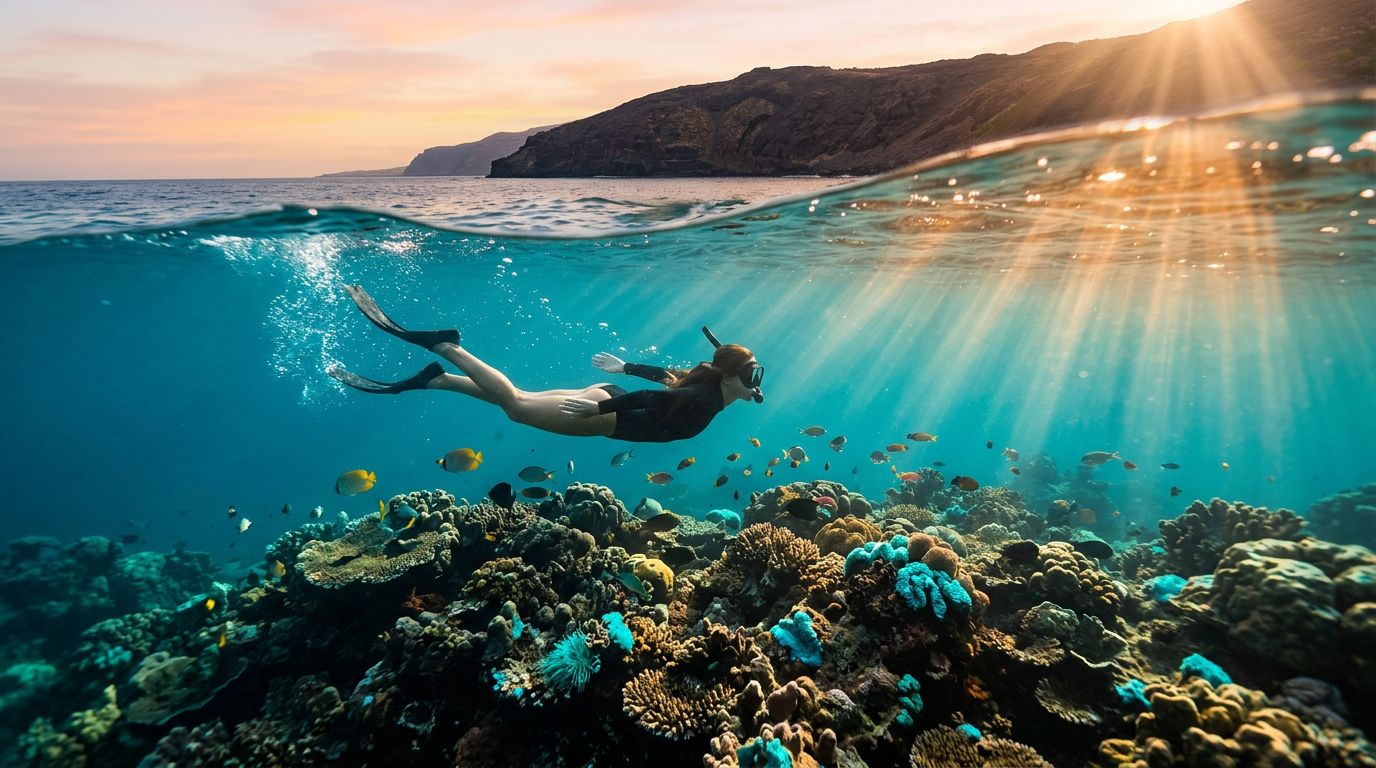
Kona Snorkel Trips is a good place to start if you’re comparing Captain Cook snorkeling options, and Captain Cook Snorkeling Tours is another focused choice for Kealakekua Bay. The fin question comes up because the bay feels calm, but the swim still asks your legs to work.
The short answer is that you don’t need fins to get in the water, but most people are happier with them. If you’re planning snorkeling Big Island Hawaii time, this is one of those gear choices that changes how the whole trip feels.
The bay is beautiful, but the right gear helps you enjoy it with less effort. Here’s how to decide what makes sense for you.
What changes at Kealakekua Bay
Captain Cook snorkeling is different from stepping into a quiet beach cove. You usually arrive by boat, enter from open water, and spend your time moving around coral, fish, and a protected reef.
That matters because the bay is calm compared with many open-ocean spots, but it is still ocean. You are not standing in a pool. You are swimming, turning, and sometimes keeping up with a group.
A simple guide to snorkeling Captain Cook Monument says the same thing in a different way. The water is clear and rewarding, but you still earn your view with a steady swim.
If you snorkel Big Island waters often, you already know that even short distances can feel longer when you are in mask and fins. That is why people ask about fins first, before they ask about fish.
If you want the guided route that matches this exact area, the Captain Cook snorkeling excursion is built around Kealakekua Bay.
Why fins help more than you think
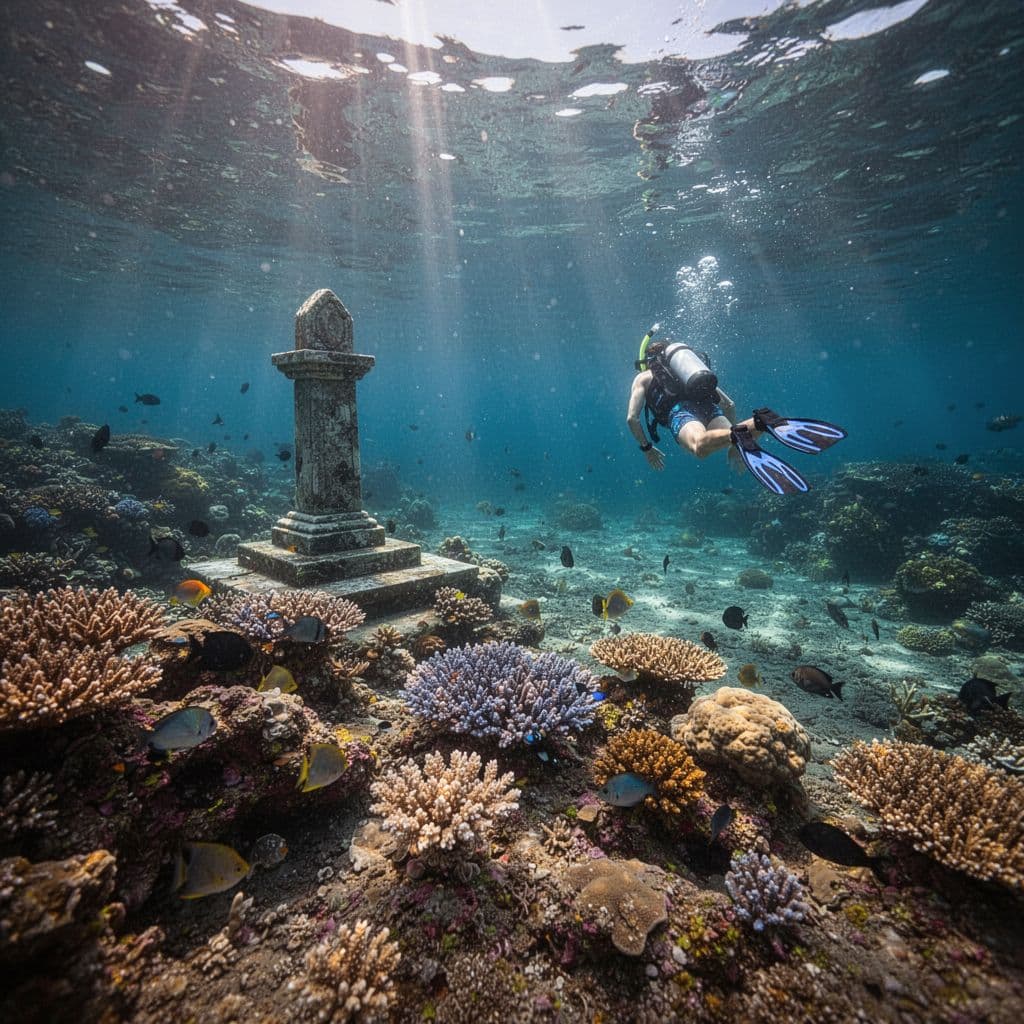
Fins do one simple thing well, they make your kick go farther. Instead of small, tiring splashes, you get smoother movement with less effort.
That matters at Captain Cook because you want to spend your energy looking at the reef, not fighting the water. A good pair also helps you stay steady when the surface gets a little choppy or when you need to turn around.
The biggest benefit is control. With fins, you can hold your position beside the reef, move away from delicate coral, and follow the boat or guide without feeling rushed.
Here is a quick way to think about it:
| Situation | Fins help? | Why |
|---|---|---|
| Strong swimmer on a calm day | Maybe | You can manage without them, but they still save energy. |
| Average swimmer who wants less work | Yes | You move farther with each kick. |
| Nervous open-water snorkeler | Yes | Fins give you more control and confidence. |
| Family group with mixed abilities | Usually yes | Fins help slower swimmers keep pace. |
The main takeaway is simple. Fins are less about speed and more about comfort. That is why many people who book snorkeling Big Island trips are glad they packed them.
If you want a gear-first breakdown, read how to use fins on a Captain Cook snorkel tour.
Smooth kicks matter more than hard kicks. The goal is to glide, not to race.
When you can skip fins
You can snorkel Captain Cook without fins if you are a confident swimmer and you do not plan to cover much distance. Calm weather, short swims, and close supervision all make that easier.
That said, beginners often underestimate how much small movements add up. A few minutes of kicking in place can feel fine at first, then tiring later. Families notice this fast, especially when one person drifts slower than the rest.
Kids and first-time snorkelers usually benefit from fins more than they expect. The extra help makes it easier to stay with the group and relax in the water. Couples often like that too, because nobody wants one person working twice as hard just to keep up.
For snorkeling Big Island visitors who want the slowest pace and the most room, private Kona snorkel tours can be a better fit. A private trip gives you more control over the flow of the day, which helps if your comfort level is still growing.
If you are on the fence, ask yourself one question. Do you want to save energy, or are you fine working a little harder in the water? If the answer is save energy, bring fins.
What kind of fins work best for this trip
For Captain Cook snorkeling, you do not need huge dive fins. In fact, very long or very stiff fins can feel awkward on a relaxed snorkel.
Lightweight snorkel fins usually work best. Full-foot fins are popular in warm water because they are simple, comfortable, and easy to kick in. They also pack well, which helps if you are traveling light.
Open-heel fins can work too, especially if that fit feels better on your feet. Still, many travelers do fine with a soft full-foot pair and no booties at all.
Fit matters more than style. If the pocket is loose, the fin can slip. If it is too tight, your feet will ache. Neither one helps your swim.
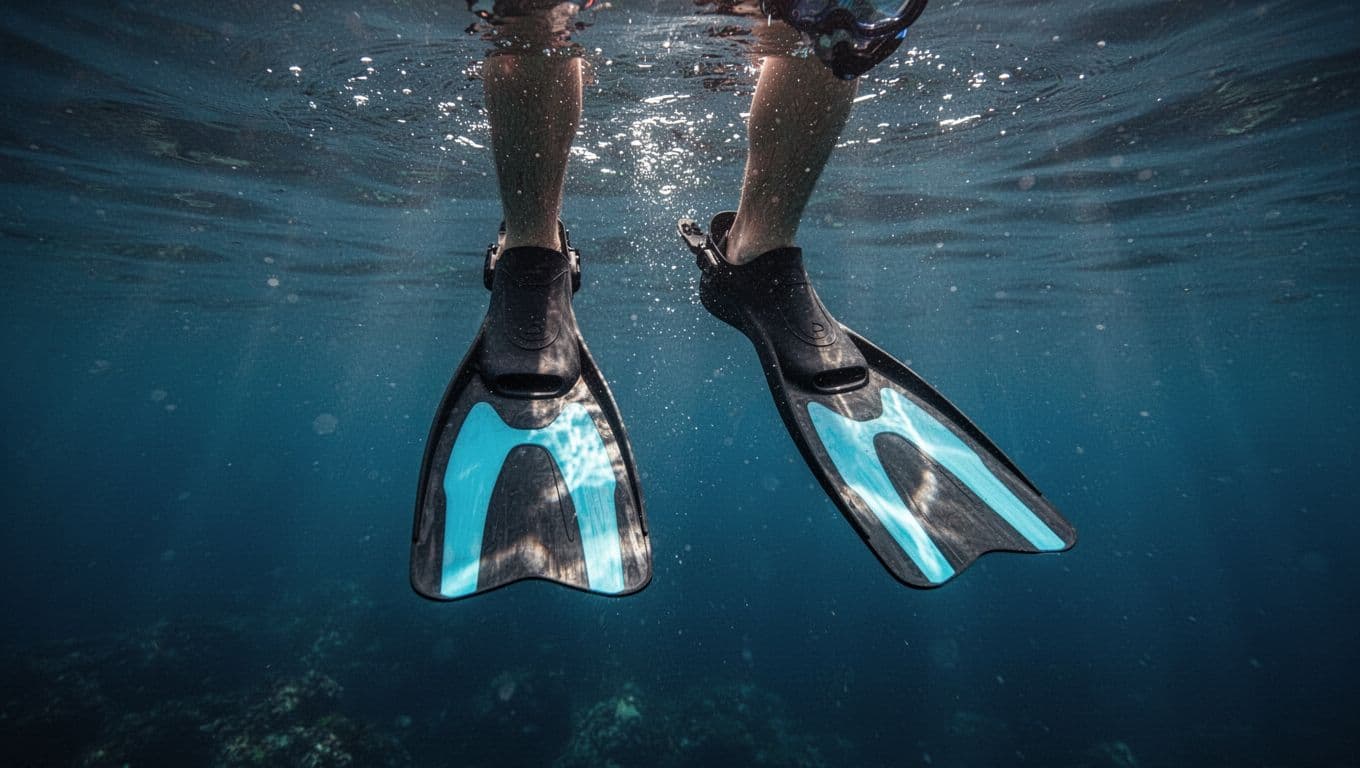
If a fin pinches on land, it will feel worse after 20 minutes in salt water.
That is why you should test them before the trip, not after you are already on the boat. Walk a few steps. Flex your ankles. Make sure the straps or pockets feel secure.
If you are comparing gear choices for Big Island snorkeling tours, think comfort first and speed second. The best fins are the ones you forget about once you are in the water.
Mistakes that make fins feel awkward
Most bad fin experiences come from fit, not from fins themselves. A wrong choice can make even a calm snorkel feel clumsy.
Here are the mistakes that cause trouble most often:
- Fins that are too stiff tire your legs fast.
- Fins that are too loose rub and slip.
- Big, wild kicks stir sand and waste energy.
- Wearing fins for the first time in open water creates avoidable stress.
Small, steady kicks work better. They give you control without splashing your legs to exhaustion. That is especially true at Captain Cook, where the goal is to drift, look, and enjoy the reef.
The easiest fix is simple practice. Try your fins in shallow water or a pool before your trip if you can. A few minutes of practice can save a lot of confusion later.
If you want a deeper fin walkthrough, the how to use fins on a Captain Cook snorkel tour article is a useful companion. It helps you understand how a proper kick feels before you get offshore.
Packing for a smoother swim
Fins are only one part of a comfortable snorkel day. A few small items make the rest of the trip feel easier.
A well-fitting mask matters just as much as your fins. If your mask leaks, you will stop enjoying the reef and start thinking about your gear. A rash guard also helps, because it keeps the sun off your back and cuts down on friction.
Reef-safe sunscreen belongs in your bag too. Captain Cook is one of those places where you want the water and coral to stay as healthy as possible. Bring water as well, because a warm boat ride can wear you down faster than you expect.
If you bring your own fins, pack them where they are easy to reach. You do not want to search through luggage while everyone else is already suited up. A quick gear check before you leave shore makes the whole morning calmer.
This is one more reason people who snorkel Big Island trips often prefer guided outings. When the gear is ready, your head stays on the reef, not on logistics.
Why a guided tour helps at Captain Cook
Guided trips take a lot of guesswork out of the day. Kona Snorkel Trips keeps groups small, uses lifeguard-certified guides, and focuses on reef-safe practices, so you can spend more time swimming and less time sorting out equipment.
That matters if you are still deciding on fins. A good crew can help you fit gear, judge the water, and move at a pace that feels comfortable. If you want a broader look at the lineup, the Big Island snorkeling tours page shows the main options in one place.
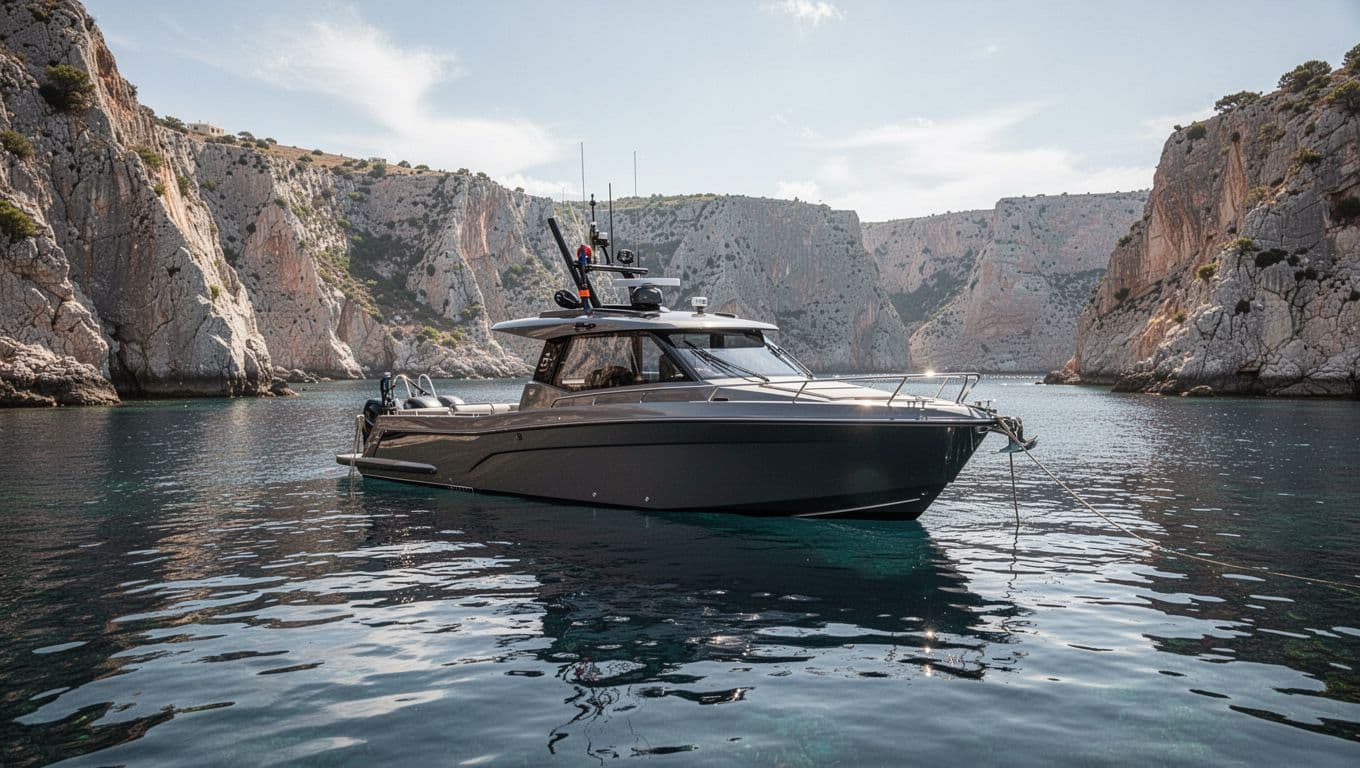
Before you book, it helps to think about how much support you want. A shared tour is great if you want a classic Captain Cook snorkeling day with gear included. A private trip can be better if you want more room, a slower rhythm, or extra help with the water.
Here’s the simple version. If you want a guided trip that already has the basics covered, you can check availability.
If Captain Cook is the trip you want, you can check avaialbility for the Kealakekua Bay route.
The right tour makes the fin question easier. You are not trying to solve everything alone, you are just choosing the amount of help you want in the water.
Conclusion
You do not need fins for Captain Cook snorkeling, but most people are happier with them. They give you more control, less fatigue, and a calmer swim around Kealakekua Bay.
If you are a strong swimmer, you may be fine without them. If you want a more relaxed day, bring fins or choose a guided trip that includes them.
The best answer is the one that lets you spend your energy on the reef, not on your kick.