
How to Use Fins on a Captain Cook Snorkel Tour
Good fins make a Captain Cook snorkel tour feel smooth instead of clumsy. In Kealakekua Bay, every extra splash can kick up sand or pull you off your line. With the right fit and a calm kick, you move easier, save energy, and keep your eyes on the reef instead of your feet.
If you’re planning snorkeling Big Island Hawaii style, fins matter more than you think. A few small habits can turn a tiring swim into an easy glide, especially when you want to stay relaxed with your group.
Why fins matter in Kealakekua Bay
Kealakekua Bay often looks calm from the boat, but your fins still do a lot of work once you enter the water. They help you move forward without overusing your arms, and they keep your body flat, which feels better on your neck and back.
That matters on a guided trip, because you want to spend your energy on the reef, not on fighting the water. On a small-group Captain Cook snorkel tour in Kealakekua Bay, good fin use helps you keep pace, stay comfortable, and settle in fast.
At Kona Snorkel Trips, you get gear support before you leave Honokohau Marina, and that extra help is useful if you are new to snorkeling. If you want another planning perspective, Captain Cook Snorkeling Tours has a helpful breakdown of gear and first-timer basics.
If you want to lock in a date for your Captain Cook snorkel tour, you can check availability before the best days fill up.
Choose fins that match your pace
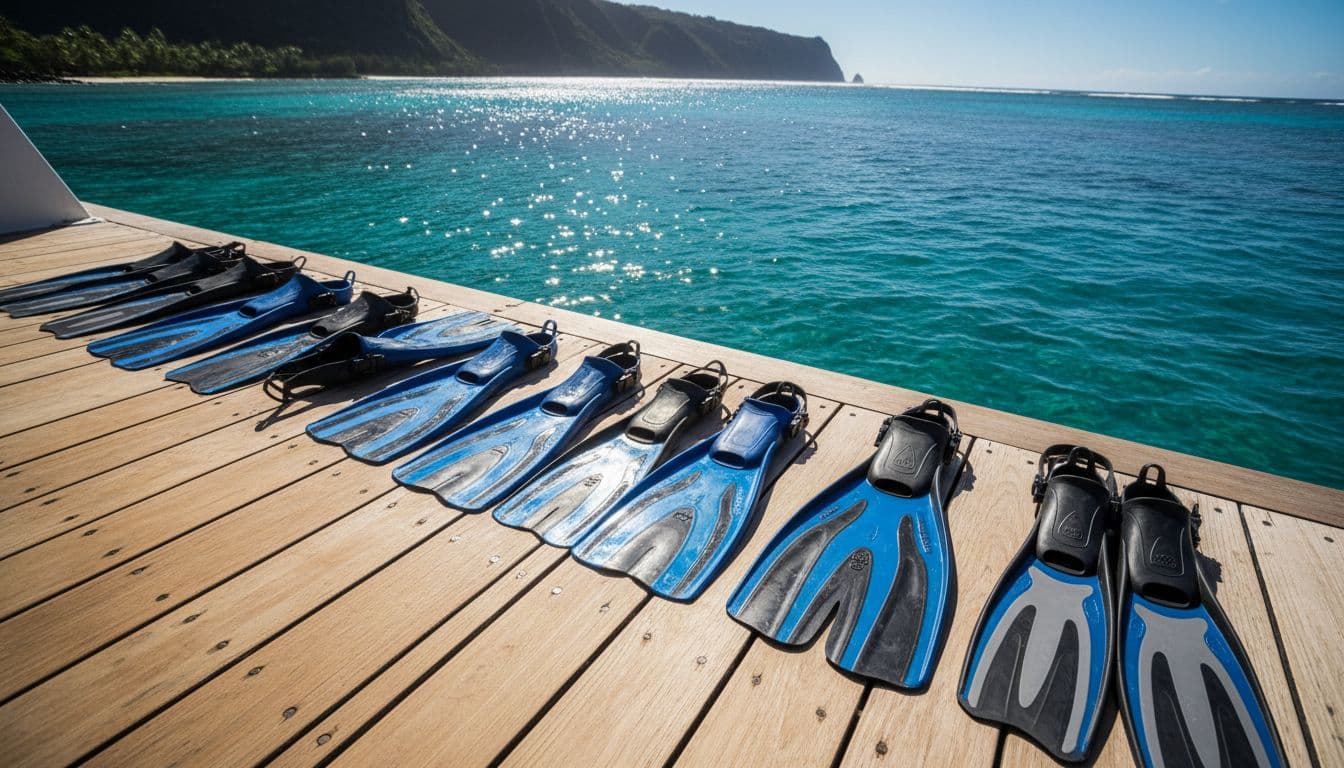
You do not need the biggest fins on the rack. For snorkeling Big Island, the best pair is the one that fits well and lets you move without strain. On a Captain Cook snorkel tour, that usually means a snug foot pocket, a blade that feels controlled, and no rubbing at the heel or toes.
A quick side-by-side view helps.
| Fin type | What it feels like | Best for |
|---|---|---|
| Full-foot fins | Light and simple | Warm water and easy swim sessions |
| Adjustable strap fins | Secure and flexible | Guests who want a more exact fit |
| Short-blade fins | Easy to control | New snorkelers and tighter swim spaces |
If your fins feel loose on land, they will feel worse in the water. If they pinch before you even step in, they will distract you later. Before you leave the dock, test both feet and make one slow walk around the deck.
The right pair should feel like an extension of your legs, not a separate job. That comfort matters more than speed.
Master the flutter kick
Your fins work best when your legs stay relaxed. Kick from the hips, bend your knees only a little, and keep the motion small. The goal is to glide, not to splash.
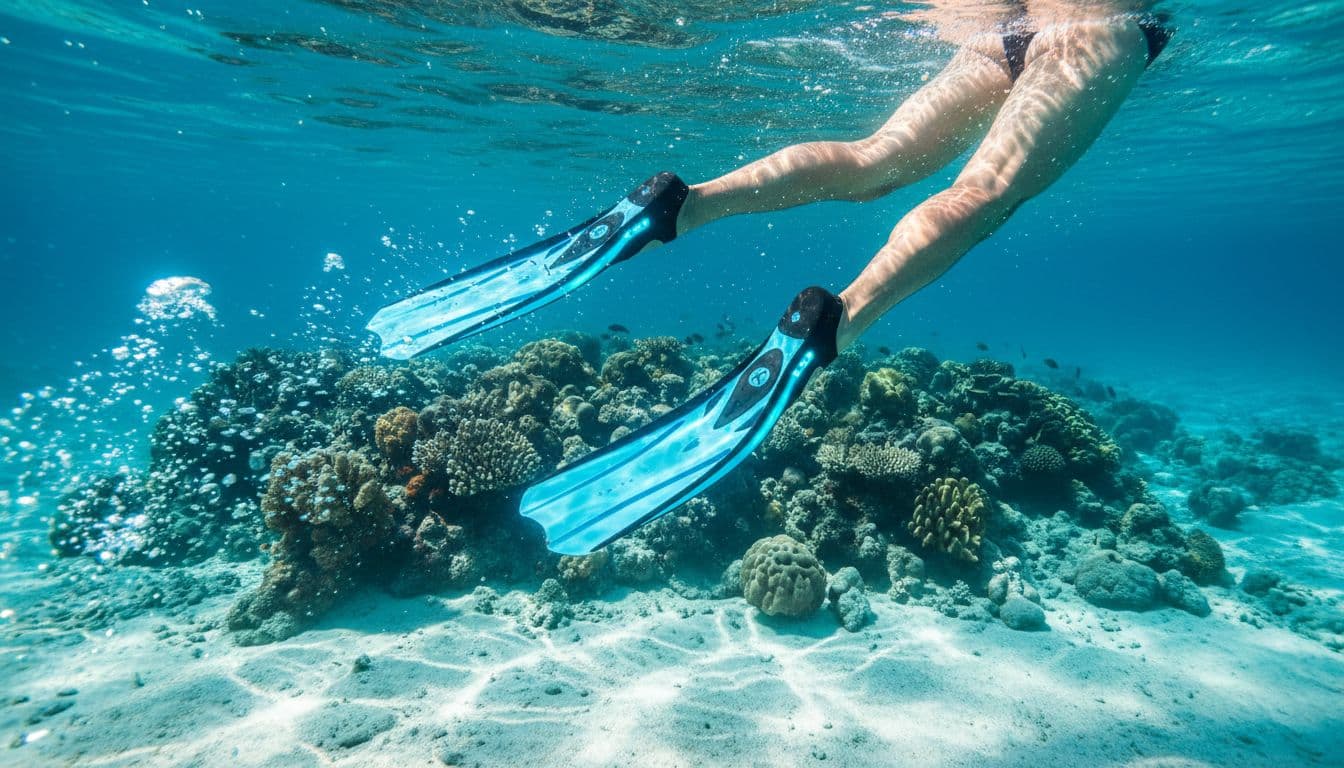
Keep your feet behind you and your kicks quiet. Big, fast kicks burn energy and stir up water.
When you snorkel Big Island, this is the habit that changes everything. A slow flutter kick helps you move in a straight line and makes it easier to pause for fish, turtles, or a photo. If you want more detail before the trip, this Captain Cook snorkeling guide gives a clear look at gear and first-time tips.
If you feel yourself bicycling, stop for a second, breathe, and reset. Then start again with smaller kicks. Your fins should push water behind you, not lift your knees high in front.
That calm rhythm matters more than power. The water rewards smooth movement.
Protect the reef and stay in sync
Good fin use is also about what you do around other people. Keep your fins high when you turn, especially near coral or when the group is close together. On snorkeling Big Island Hawaii trips, the reef is the place to admire, not the place to stand on.
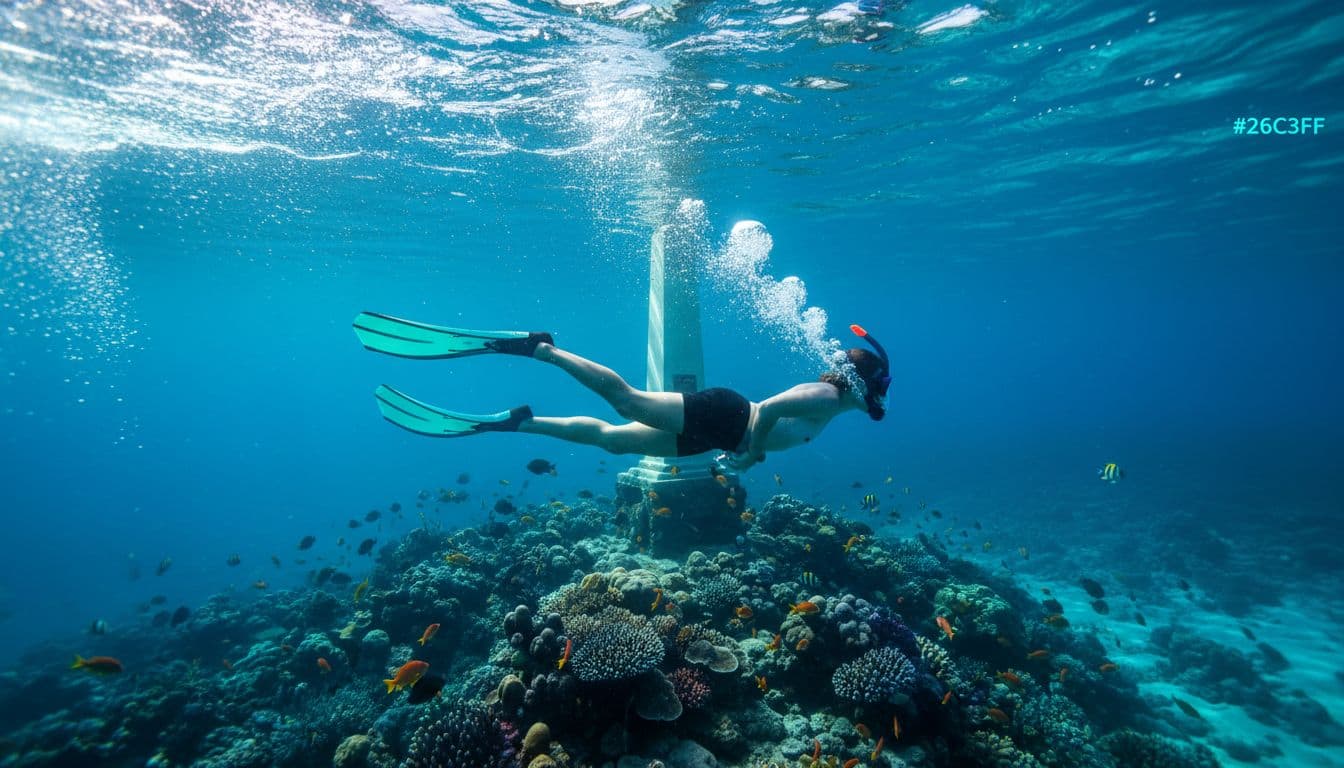
Your fins should never scrape the bottom. If you need to stop, float, tread lightly, or signal your guide instead of planting your feet. That habit protects the reef and keeps sand from clouding the water for everyone behind you.
A gentle kick gives you more control than a hard sprint. It also makes it easier to stay with your buddy or guide, which matters when the current shifts or the group slows down to watch something special.
Conclusion
Using fins well on a Captain Cook snorkel tour comes down to three things, fit, rhythm, and awareness. When those line up, you waste less energy and spend more time watching fish drift over the reef.
The calmest swimmers usually are not the strongest ones. They are the ones who keep their kicks small, stay loose, and treat the water with care.
That approach makes Kealakekua Bay feel easier, safer, and a lot more fun.