
Can You Do a Kona Manta Ray Night Snorkel After Scuba Diving?
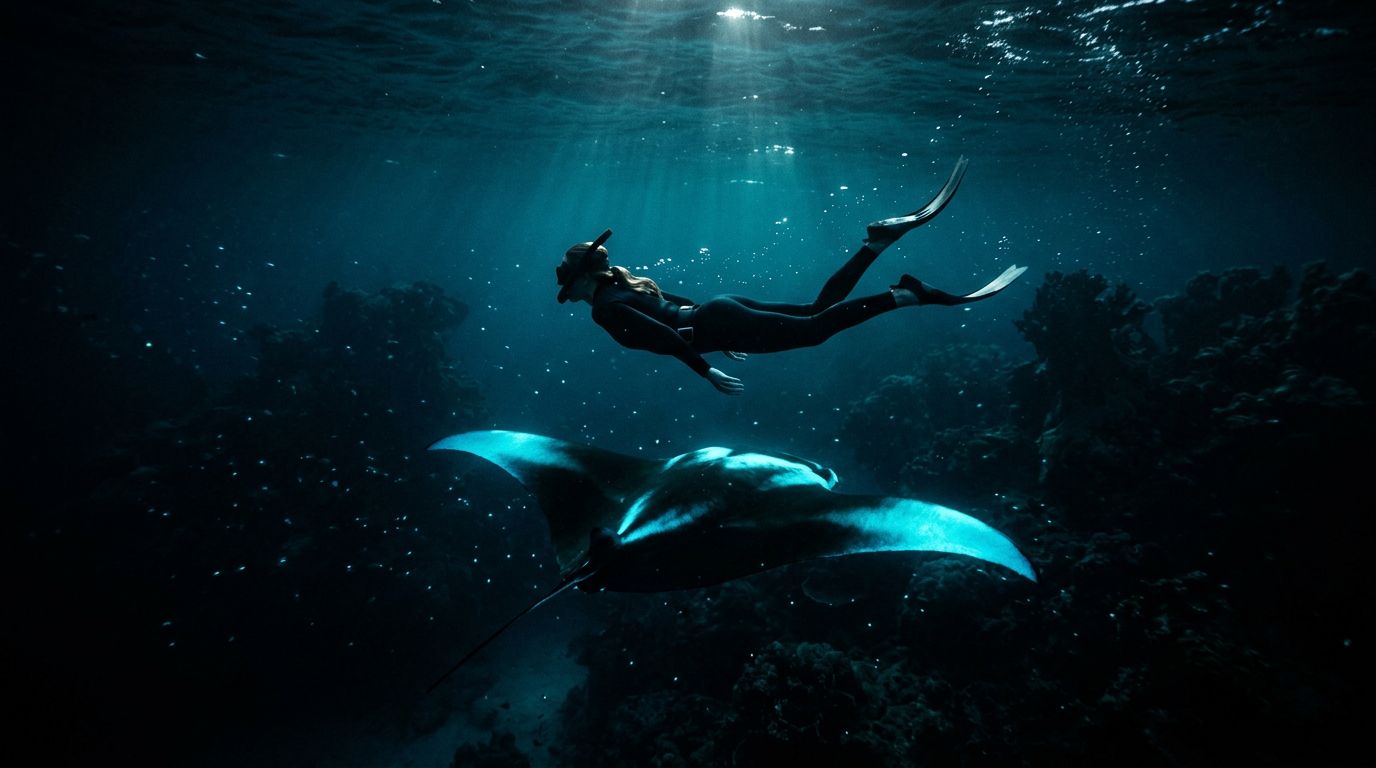
If you’re asking whether you can do a kona manta ray night snorkel after scuba diving, the short answer is sometimes yes, but not on every dive day. Your dive profile, how you feel, and how much time you spend on the surface matter more than the booking calendar.
That matters in Kona because you can spend the day underwater and still want one more ocean session after dark. Kona Snorkel Trips offers guided snorkeling tours in Kona, and if you’re comparing manta operators, Manta Ray Night Snorkel Hawaii is another name you’ll see often. The best plan is the one that fits your body, not the one that fits your wish list.
Can You Do a Manta Snorkel After Scuba Diving?
A relaxed snorkel is not the same as another scuba dive. You are not adding a fresh load of compressed gas the way you would underwater, so the pressure issue is smaller.
Still, your body does not reset just because you came up for air. A dive day can leave you tired, cold, dehydrated, or carrying residual nitrogen. A night snorkel may feel easy on paper, but the boat ladder, dark water, and mild current still ask for attention.
If your scuba day was a single easy dive and you have a long surface break, a manta snorkel can be a reasonable choice. If you did several dives, deeper dives, or a strenuous boat day, the answer gets much stricter.
If your body feels off, a manta night is a poor place to test your limits.
A good rule is simple, if you would not want to hop back into the ocean for fun, you probably should not force it.
Why Your Dive Profile Matters More Than the Clock
Not every scuba day leaves you in the same place. One shallow reef dive is one thing. A full day with repeat descents, strong current, and extra swim time is another. Your watch may say the timing is fine, but your body may disagree.
One easy dive and a long surface break
If you only did one no-decompression dive and felt normal afterward, you may have enough margin for a calm snorkel later. You still want to eat, hydrate, and rest first. A tired, rushed night on the water is not worth it.
Multiple dives, deep profiles, or fatigue
The more dives you stack, the more conservative you should get. Repetitive exposure, deeper profiles, and long boat days all add stress. Add heat, sun, or motion sickness, and a fun plan can turn into a rough one.
| Your scuba day | Safer call for the night | Why it matters |
|---|---|---|
| One easy no-deco dive | A mellow manta snorkel may be fine if you feel normal | Lower load and less fatigue |
| Two or more dives | Be more conservative | Residual nitrogen and tired muscles add up |
| Deep or strenuous dives | Skip the night snorkel | Recovery matters more than squeezing in one more activity |
| Headache, nausea, dizziness, unusual fatigue | Do not go | Those can be warning signs |
This is where common sense beats a full itinerary. If your dive day felt easy, you have more room. If it felt long, hard, or rushed, give yourself a break.
For a conservative baseline, DAN’s guidelines for flying after diving are useful because they remind you how long your body may still be managing nitrogen after scuba. The FAA says the same thing in its medical facts for pilots. Snorkeling is not flying, but the mindset is the same, give your body time.
How to Time It Safely Without Overthinking
You do not need a spreadsheet to make this call. You need a clean dive day, a long enough surface break, and an honest check on how you feel.
If you did one easy dive in the morning and your manta snorkel is later that night, the timing is more forgiving. Eat a decent meal, drink water, and see how you feel after a nap or a slow afternoon. If you still feel foggy, cold, or uneasy, save the snorkel for another night.
If you did a full dive day, think about the next morning instead of the same night. That one change often turns a borderline plan into a good one. It also gives you a better shot at enjoying the manta swim instead of counting minutes.
If you are flying soon, be even more careful. A late snorkel after scuba may not sound like much, but it can keep your day too full. Your best trip is the one that leaves room for recovery.
What the Manta Ray Night Snorkel Feels Like After a Dive Day
When the timing works, the actual snorkel is calm. You get set up on the boat, the crew gets the light ready, and you stay near the surface while the mantas glide below. It feels more like watching a live underwater ballet than chasing an animal.
Kona Snorkel Trips keeps that experience personal. The company leans into small groups, lifeguard-certified guides, state-of-the-art gear, and custom-built lighted boards. That matters after a dive day because you want a crew that keeps things organized and easy to follow.
If you want the full trip details, the Big Island manta ray night snorkel page lays out the experience in plain language. If you are comparing options, you can also look at Manta Ray Night Snorkel Hawaii before you decide where to go.
If the date works for you, you can check availability.
If you are ready for the night manta trip itself, you can also check availability.
Safety Checks Before You Get Back in the Water
Before you commit to a night snorkel after scuba, give yourself a quick reality check. Hydrate first. Eat something with salt and carbs. Then ask whether you feel alert, steady, and warm enough for another water activity.
A few things should make you stop and rethink the plan:
- You feel unusually tired, headachy, or lightheaded.
- You are dealing with nausea or motion sickness.
- Your ears still feel off after the dive day.
- You are dehydrated or sunburned.
- Your dive profile was more aggressive than you planned.
That list is not there to scare you off. It is there to keep a fun night from turning into a bad one. The ocean will still be there tomorrow.
If you are even partly unsure, listen to that signal. A cautious skip is better than trying to be tough in the dark.
Better Backup Plans When the Answer Is No
Sometimes the right call is to wait. That does not mean you lose the day. It means you move the manta snorkel to a night when you can enjoy it fully.
If you still want to snorkel Big Island on the same trip, a private schedule gives you more control. Private Kona boat charters let you pick the pace, which helps if you need a lighter day after scuba. You are not forcing your body into someone else’s timetable.
If you want a dry ocean day instead, seasonal whale watching tours in Kona are an easy swap when the season lines up. You stay on the water, but you skip another swim.
When you plan snorkeling Big Island Hawaii this way, the whole trip feels better. You can reserve the night manta for a fresh evening, then enjoy the rest of the island without rushing. You do not need to cram every ocean plan into one day to snorkel Big Island well.
If a daytime reef snorkel sounds better later in the week, you can still come back for a different route. The guided snorkeling tours in Kona page is a good place to compare the options.
Conclusion
You can sometimes do a Kona manta ray night snorkel after scuba diving, but the safe answer depends on the day you had. A single easy dive with a long surface break is one thing. A full dive day with fatigue, deep profiles, or poor hydration is another.
The best call is the one that keeps you comfortable, alert, and ready to enjoy the night. If the timing feels right, the manta snorkel is one of the most memorable water experiences on the Big Island. If it does not, give yourself another night and let the ocean wait for you.