
Captain Cook Snorkel Tour Guide Credentials Before Booking
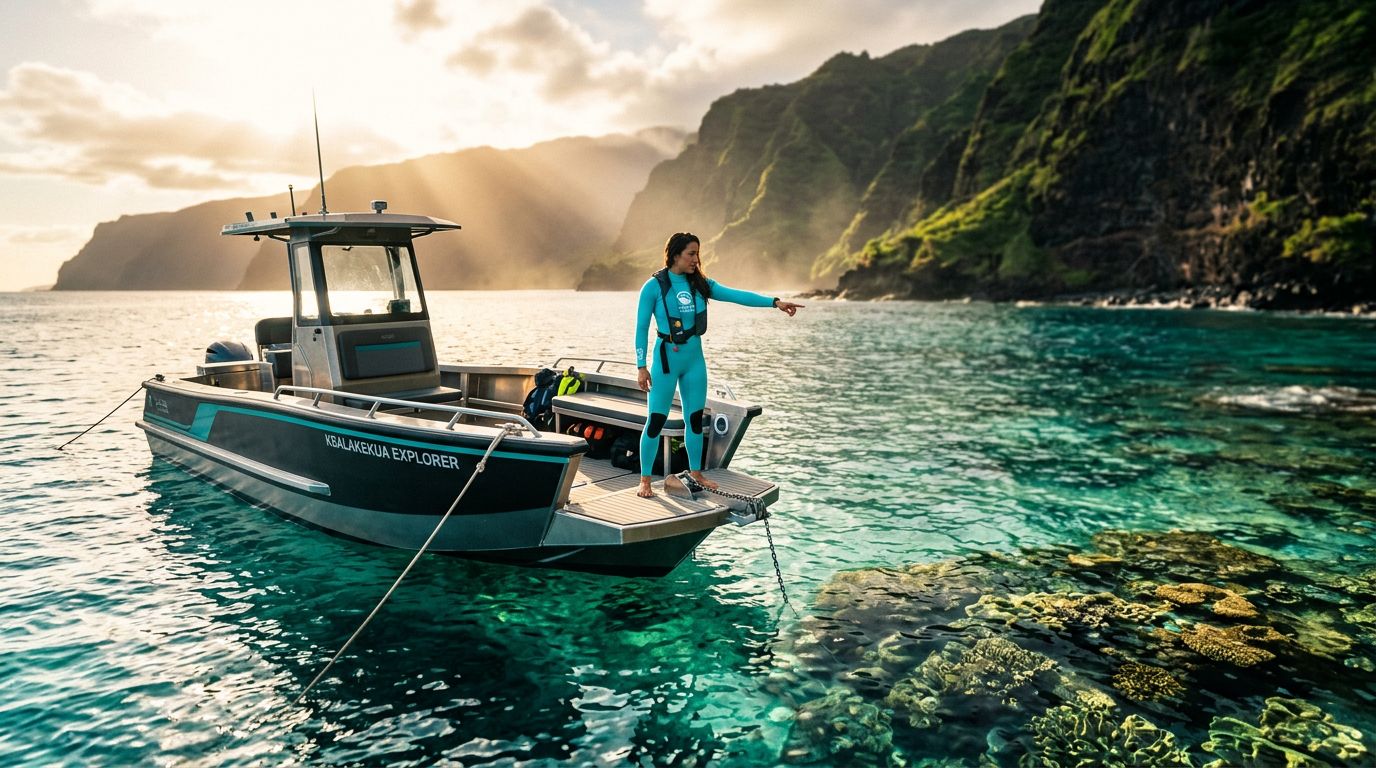
A great Captain Cook snorkel tour feels calm from the moment you step on the boat. A weak one feels rushed, vague, and hard to trust.
That matters even more if you’re comparing snorkeling Big Island Hawaii options for kids, first-time snorkelers, or anyone who wants a relaxed swim in Kealakekua Bay. The water can look inviting, but the ocean changes fast, so the person leading the trip matters as much as the destination.
Operators like Kona Snorkel Trips set a strong standard with small groups, lifeguard-certified guides, and reef-safe habits. If you’re booking a tour in the near future, this is what you should check before you hand over your card.
Why guide credentials matter on a Captain Cook snorkel tour
Kealakekua Bay is beautiful, but it isn’t a theme park. Currents shift, boat traffic changes, and the best entry point can change with wind and swell. A guide who knows the bay well makes the day feel smooth, while a guide who is guessing can turn an easy trip into a stressful one.
When you snorkel Big Island reefs, you want someone who can read the water, spot changing conditions, and make clear calls. That includes knowing when to slow the swim down, when to shorten the route, and when to choose a different spot.
A polished operator makes those standards visible. Compare the details on the Big Island snorkeling tours page with any Captain Cook listing you are considering. The difference in how they explain safety, group size, and gear often tells you a lot before you ever get on board.
Kona Snorkel Trips keeps the experience small and guide-led, which makes it easier to trust the day before it starts. If the company you’re looking at won’t say who is leading the water portion, keep shopping.
If you’re comparing operators, that level of openness is a good sign. If you want a live departure example, you can also check availability and compare how the trip details are presented.
The certifications that separate a safe guide from a guesser
The best guides don’t hide their training. They can name it clearly, explain it simply, and tell you why it matters on the water.
| Credential | Why it matters | What you should ask |
|---|---|---|
| Lifeguard certification | Shows formal rescue training and strong water-safety judgment | “Who on the boat is lifeguard-certified?” |
| CPR, first aid, and AED training | Helps the crew respond fast if a guest gets in trouble | “What emergency gear do you carry?” |
| Local reef and current knowledge | Helps the guide choose the right spot for the day | “How do you pick the site when conditions change?” |
| Reef-safe guest education | Protects coral and keeps wildlife encounters calm | “How do you brief guests on reef etiquette?” |
You don’t need a wall of paperwork. You need the right credentials, explained in plain language. A guide who answers quickly and directly usually works for a company that takes training seriously.
For more background on what separates solid operators from average ones, this Big Island snorkeling tour guide is a useful second read. It helps you see why lifeguard training and clear safety habits matter so much on local reef trips.
One more thing helps here. Strong guides don’t just list certificates, they show how those skills affect your day. That usually means calmer boarding, clearer instructions, and less confusion once you are on the boat.
How a good guide handles changing ocean conditions
A good guide never talks about the ocean like it stays the same all day. They watch wind, swell, cloud cover, and visibility, then adjust the plan without drama.
That matters on a Captain Cook snorkel tour because the bay can feel different from one hour to the next. A careful crew will tell you if the swim will be shorter, if the entry point is changing, or if the conditions call for a slower pace.
You should hear more than a sales pitch before launch. You should hear why the site was chosen, how long the swim usually lasts, and what the guide wants you to do if you feel tired. That is the sort of detail that keeps a trip relaxed.
A calm briefing before launch is usually a sign of a careful guide.
The same goes for gear checks. A strong crew fits masks, checks straps, and asks whether you are comfortable in the water before the swim begins. They also watch the group while you snorkel, not just from the deck.
If you are comparing snorkeling Big Island tours, that difference matters more than slick photos. Nice pictures don’t help if the guide doesn’t know how to adapt when the ocean changes.
What a trustworthy tour company tells you before you book
A trustworthy tour page answers the basics without making you dig for them. You should know the meeting point, the departure time, what’s included, and how much swimming is expected.
That information matters a lot for families and mixed-skill groups. If one person in your party is confident and another is nervous, the trip should say how it handles both. Clear companies don’t make you guess whether the pace will fit your group.
Look for these details before you commit:
- Group size and whether the trip stays small
- Gear included, such as masks, fins, and flotation
- Whether a guide is in the water with you
- How the crew handles rougher conditions
- What kind of swimmer the trip is best for
If a listing skips those points, treat that as a warning sign. Good operators know that people want facts before they book, especially when they are planning a snorkel Big Island trip with kids, first-timers, or older travelers.
For a route-specific example, Captain Cook Snorkeling Tours is worth reviewing because the focus stays on Kealakekua Bay and the snorkeling experience itself. That kind of clear positioning helps you compare one trip against another without guessing what the day will actually feel like.
Questions that reveal real experience
A few direct questions can tell you more than a page of photos. They also show you how the company handles customers who care about safety.
Before you book, ask questions like these:
- “Who leads the in-water portion of the tour?”
- “How many guests are on the boat?”
- “What happens if the conditions change after we leave?”
- “Do you fit gear on site before we head out?”
- “How do you help nervous swimmers or kids who need extra support?”
A good guide answers these without sounding annoyed. In fact, the best ones welcome the questions because they know a well-prepared guest is easier to take care of.
You can also ask how far the swim usually is and whether the route changes by season. That matters if you are traveling with someone who wants a short, easy outing rather than a long water session.
These questions are simple, but they expose the difference between a guide who knows the trip and a company that just sells seats. If you get vague answers, keep looking.
Red flags that should make you keep shopping
If the guide can’t explain the day in plain language, keep looking.
The biggest warning sign is simple, a company that talks about scenery but avoids training. If the listing never says who is certified, who is leading the water portion, or how the crew handles emergencies, you should slow down.
Another red flag is a giant group with no explanation of how it’s managed. Big groups can work, but only if the company explains how it keeps guests safe, comfortable, and accounted for in the water.
You should also be careful if the operator pushes the same plan no matter the weather. The ocean does not care about a schedule, and a careful guide knows that. If the answer to every question sounds like a script, that is not the company you want.
Poor recent reviews can tell you a lot too. Look for patterns, not one-off complaints. If several people mention rushed gear fitting, weak briefings, or distracted guides, believe the pattern.
The best trips for snorkeling Big Island visitors are the ones that make the day feel easy before it starts. A low price is not much of a bargain if the guide is unprepared.
A simple way to compare Captain Cook tours and book with confidence
Once you narrow the list, compare three things, training, group size, and how honestly the company talks about conditions. Those three points tell you far more than a glossy boat photo.
If you already know your date, you can check avaialbility for a Captain Cook snorkel tour and compare it with the details you have gathered. If the booking page is clear, the safety language is plain, and the crew sounds prepared, you’re probably looking at a solid choice.
That last step is where a lot of travelers save themselves trouble. They stop comparing scenery and start comparing the people who will lead the swim.
Conclusion
The right Captain Cook snorkel tour starts with the right guide. You want proof of training, clear safety habits, honest weather calls, and a crew that answers your questions without hesitation.
If a company makes those details easy to see, you can book with more confidence. If it hides them, keep looking until you find a guide who treats your safety as part of the experience.
That is how you turn a pretty outing into a day you can trust from the first briefing to the last swim.