
Why Captain Cook Snorkeling Works During Whale Season
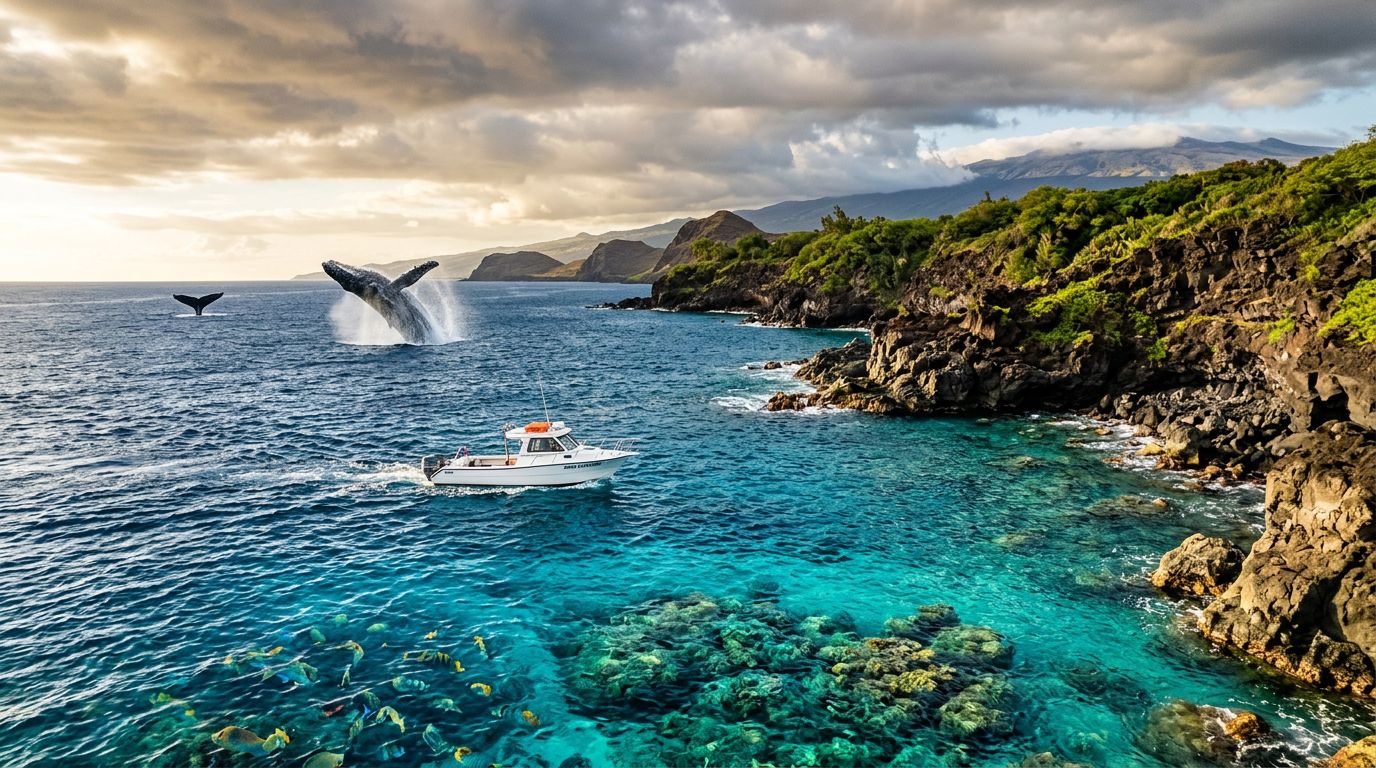
If you are planning Captain Cook snorkeling during winter, you may wonder whether whales will affect your day on the water. The short answer is yes, often in a good way. Whale season adds the chance to spot humpbacks during the boat ride, while Kealakekua Bay still offers clear water, coral habitat, and excellent fish viewing.
Kona Snorkel Trips makes this combination especially appealing because its guided trips focus on safety, small groups, and responsible wildlife viewing. You can snorkel in one of Hawaii’s best-known marine areas, then keep your eyes on the horizon as humpbacks surface offshore. To compare another operator focused on the bay, you can also visit Captain Cook Snorkeling Tours.
Key Takeaways
- Hawaii’s humpback season usually runs from December through April, with the strongest activity from January through March.
- Kealakekua Bay remains a protected, sheltered snorkeling location during whale season.
- Whales usually stay offshore, so you should view them from the boat rather than expect to swim with them.
- A guided Captain Cook trip gives you better local knowledge, safety support, and help choosing the day’s best conditions.
- Calm weather, flexible timing, reef-safe habits, and realistic expectations make the experience better.
Why Captain Cook snorkeling works during whale season
Whale season and reef snorkeling fit together because they happen in different parts of the same ocean experience. Humpback whales spend much of their time in deeper water around the Hawaiian Islands. Kealakekua Bay, by contrast, gives you access to shallow coastal habitat with coral, tropical fish, and volcanic scenery.
That separation matters. You can enjoy a productive snorkel without disturbing whales, then watch for surface activity while traveling along the Kona coast. A breach, tail slap, or plume of spray can turn the boat ride into an unexpected wildlife viewing opportunity.
Humpback whales migrate to Hawaii’s warm waters during the winter breeding season. The Hawaiian Islands Humpback Whale National Marine Sanctuary identifies the waters around the islands as important habitat for these animals. You can learn more about seasonal behavior and conservation through the Hawaiian Islands Humpback Whale National Marine Sanctuary.
Whales don’t need to appear near the snorkeling site for the trip to feel connected to the season. You might see a mother and calf traveling along the coast, a male surfacing between dives, or several adults moving through the same area. Sightings remain wildlife encounters, not scheduled performances, so every trip carries a different possibility.
The snorkeling itself also benefits from winter conditions on the leeward Kona coast. The west side of Hawaii Island often has calmer water than the windward shore. That doesn’t guarantee perfect conditions, but it can create comfortable windows for boat travel and snorkeling.
When you search for snorkeling Big Island Hawaii options, look beyond the destination name. Check whether the trip takes you to a sheltered site, how the crew handles changing conditions, and whether the schedule leaves room for wildlife viewing.
What whale season looks like on the Kona coast
Hawaii’s humpback season generally begins in late fall and lasts into spring. The most consistent period is usually December through April, with January, February, and March often bringing strong activity. Some whales arrive earlier, while others remain in Hawaiian waters into early May.
The timing works well for winter visitors. You can plan a morning reef trip, then spend the rest of the day exploring Kona. If your schedule allows, a longer boat outing may give you more time to look for whales along the coast.
Most sightings happen at the surface. Watch for the whale’s blow first, since the tall misty spout can appear before you see the body. A breach is more dramatic, but tail slaps, pectoral fin slaps, rolling backs, and repeated blows are also common signs of activity.
Calves can be easier to notice because they surface often. Adults may remain below the surface longer, then reappear several boat lengths away. You may also see a competitive group, where multiple adults gather during breeding activity. These events can change quickly, which is why a guide’s local experience helps.
The ocean still controls the schedule. Wind, swell, visibility, and marine conditions can change during the day. A good captain may adjust the route, shorten time in one area, or choose a different snorkeling location. That decision protects your comfort and keeps the encounter respectful.
You can read a practical overview of Big Island whale watching season before your trip. Keep in mind that no company can promise a whale sighting on a particular departure.
Why Kealakekua Bay remains a strong snorkeling site
Kealakekua Bay gives you a rare mix of cultural history, coastal scenery, and marine habitat. The Captain Cook Monument sits along the bay’s northern shoreline, near water known for clear visibility and abundant reef life. Once you enter the water, the view changes from steep volcanic cliffs to coral structures, rocks, and open blue water.
The bay’s geography helps create more protected snorkeling conditions than many exposed coastal sites. That shelter can be useful during whale season, when winter weather may bring larger swell or shifting wind. Your guide can assess conditions before deciding where and how long you should snorkel.
Visibility depends on weather, recent rain, currents, and water movement. Kealakekua Bay often has excellent clarity, but no location has perfect visibility every day. A knowledgeable crew knows how to read those changes and set realistic expectations.
You may encounter bright reef fish, butterflyfish, parrotfish, wrasse, and other Hawaiian marine life. Green sea turtles can also appear in Hawaiian waters, although sightings are never guaranteed. Keep your distance, avoid touching animals, and let them choose their path.
The bay is also a strong choice if your group has different swimming abilities. A guided crew can explain entry points, fit masks and fins, provide flotation support, and help you stay within a comfortable area. Confident swimmers can focus on the reef while less experienced guests receive more direct support.
For route details, equipment information, and the history connected to the monument, review the Captain Cook snorkeling tour in Kealakekua Bay.
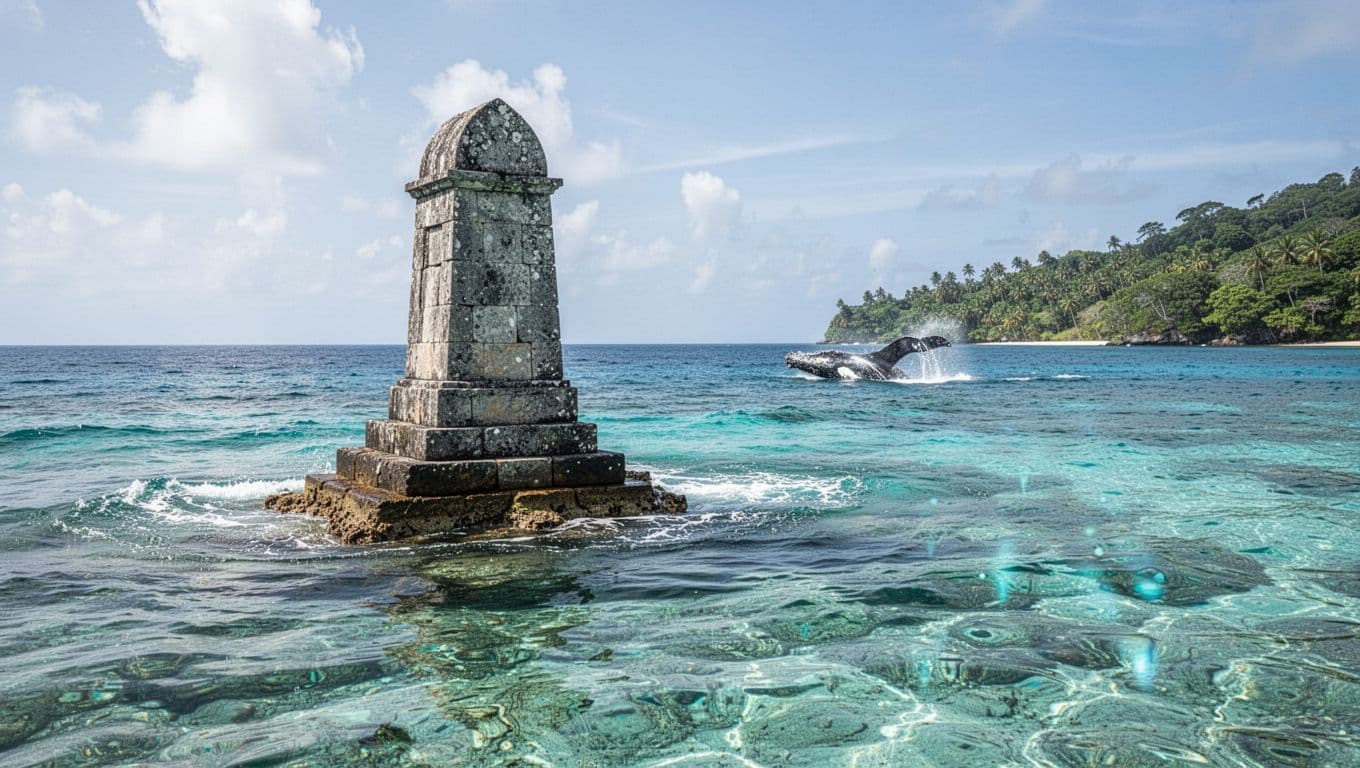
Kealakekua Bay offers clear reef water, dramatic cliffs, and occasional whale sightings offshore during winter.
If your main goal is Captain Cook snorkeling, booking ahead helps during the busy winter travel period. You can check availability for a Kealakekua Bay trip with Kona Snorkel Trips.
How a Captain Cook cruise can include whale viewing
A typical winter cruise has two separate wildlife moments. First, you travel along the Kona coast and watch the surface for humpback activity. Later, you spend time in the water at a suitable reef location such as Kealakekua Bay.
The order can vary. Captains may choose to snorkel first if conditions are calm, or they may pause for whale activity when a sighting develops nearby. The best plan depends on the ocean, the day’s wildlife activity, and the boat’s route.
You should expect whales to remain at a responsible viewing distance. Swimming with humpbacks is not part of a Captain Cook snorkeling trip, and it shouldn’t be. These are large wild animals with their own movement patterns. Viewing them from the boat protects both you and the whales.
The boat itself gives you a useful viewing platform. You can scan the horizon without a mask, fins, or saltwater in your eyes. Guides can point out blows and explain whether a whale is traveling, resting, or showing surface behavior. That context helps you understand what you see instead of waiting only for a breach.
If you want more dedicated whale time, consider a seasonal whale-watching departure rather than expecting the snorkeling portion to become a full whale tour. Kona Snorkel Trips offers winter ocean experiences that can pair whale watching with other activities. You can check availability for a Kona whale-watching trip.
This combined approach works well for couples and families. One person may care most about colorful fish, while another hopes to see a whale. A single outing can give both interests space without turning the entire day into a long offshore search.
When to book and what to bring
Morning departures often appeal to snorkelers because winds can increase later in the day. However, the ideal departure depends on the season, forecast, tides, and the captain’s local assessment. Ask the operator which time usually provides the best balance of calm water and wildlife viewing.
Winter is a popular travel period, so book early if you need a particular date. This matters even more for families, private groups, and visitors with limited time on the island. A flexible schedule gives you more options if weather affects a departure.
Pack lightly for the boat. You usually need:
- Reef-safe sunscreen and a reusable water bottle
- A swimsuit, towel, hat, and light cover-up
- Sunglasses with a secure strap
- Motion-sickness medication if you use it
- A waterproof phone case or small dry bag
Wear reef-safe sunscreen before boarding, then follow the crew’s instructions about reapplication. Mineral formulas are a practical choice, but good reef care also means keeping your hands, fins, and equipment away from coral.
A properly fitted mask makes a bigger difference than expensive personal equipment. If your mask leaks, tell the guide early. The crew can adjust the fit, replace equipment, or help you find a better option.
Cold-sensitive swimmers may want a wetsuit top during winter. The air can feel warm, but wind and repeated time in the water can lower your comfort. Ask about available exposure protection when you reserve.
If you plan to snorkel Big Island waters during a short vacation, choose the trip that fits your swimming comfort and schedule. The right departure gives you enough time to enjoy the water without rushing back to your next activity.
What makes a guided trip worth choosing
A guided boat trip gives you more than transportation to a reef. You receive support before entering the water, information about local conditions, and help identifying marine life. Those details matter when you have limited ocean experience or travel with children.
Safety should come first. Look for a crew that explains how to enter and exit the boat, where to stay in the water, how to use flotation equipment, and what to do if you feel tired. Lifeguard-certified guides can offer an added level of confidence, especially for families and first-time snorkelers.
Small groups also change the experience. You can ask questions without competing with a large crowd. Guides have more opportunity to notice when someone needs help, adjust the pace, or point out a fish hiding near the reef.
Equipment quality affects your time in the water. A clear mask, comfortable fins, and flotation support help you stay relaxed. When you aren’t fighting a leaking mask or poor-fitting gear, you can focus on the reef and the surrounding scenery.
A private trip makes sense when your group wants a custom pace. You may prefer more time at the reef, a quieter route, or space for a special celebration. Kona Snorkel Trips also offers private Kona ocean tours for guests who want more control over the day.
A public small-group trip can offer a good balance of personal service and cost. Either way, ask about group size, water time, transportation, cancellation terms, and the plan for changing conditions before you book.
How Kona Snorkel Trips approaches whale season
Kona Snorkel Trips follows a “Reef to Rays” philosophy that connects reef education with wildlife stewardship. Its trips focus on high-quality service, guest safety, and respectful encounters with Hawaii’s marine life.
The company uses small-group formats instead of crowded, impersonal outings. Lifeguard-certified guides help guests with equipment, water entry, snorkeling technique, and local marine-life information. That support can make a major difference when you have a nervous swimmer or a child in your group.
The company also takes reef care seriously. Your guide can explain why you shouldn’t stand on coral, chase turtles, touch wildlife, or leave sunscreen residue in the water. These rules protect the places you came to see.
Kona Snorkel Trips offers more than one way to spend time on the coast. You can browse its Big Island snorkeling tours to compare Captain Cook excursions, seasonal whale experiences, manta ray trips, and private outings.
Some winter visitors choose a reef trip during the day and reserve a manta ray experience for another evening. The company’s seasonal whale watch and manta option can suit travelers who want to combine two distinct wildlife experiences. Manta rays and humpback whales require different viewing conditions, so the crew treats each encounter on its own terms.
You can check availability for Kona Snorkel Trips before choosing your dates.
If you also plan a manta ray night snorkel, you can check availability for that separate evening experience.
How to set realistic expectations
Whale season improves your odds of seeing humpbacks, but it doesn’t guarantee a breach beside the boat. Wildlife follows its own schedule. You may see several whales in one outing, or you may notice only a few distant blows.
Snorkeling conditions also vary. Rain can reduce visibility near shore, while wind can create surface chop. A guide may move to another site or change the route for safety. That flexibility is part of responsible boating, not a sign that the trip has failed.
You should also separate the two goals in your mind. Captain Cook snorkeling is a reef experience with a chance for whale viewing during the boat ride. A dedicated whale-watch trip gives you more time to search offshore. Choosing between them depends on whether you want reef time, whale time, or both.
Bring patience with you. A whale may surface after you put your camera away. A turtle may appear only after you stop scanning and relax. The most rewarding encounters often happen when you follow the crew’s instructions and give the ocean time to reveal itself.
During snorkeling Big Island trips, responsible behavior protects future visitors. Keep a respectful distance from animals, never feed fish, and follow all crew directions. Your choices help preserve the bay for the next family, couple, or solo traveler.
How to plan your ideal winter ocean day
Start by choosing your main priority. If the reef is most important, book a Captain Cook trip with enough water time for your group. If whales are your focus, choose a dedicated whale-watching departure or ask whether a seasonal combination trip is available.
Next, consider your swimming ability. Families with young children may prefer a calmer morning and strong flotation support. Experienced swimmers may want a longer snorkel window or a private route. Tell the operator about your group before booking so the crew can recommend a suitable option.
Build some flexibility into your itinerary. Don’t schedule a tight dinner reservation immediately after the boat returns. Weather or wildlife activity can affect timing, and a relaxed schedule keeps the day enjoyable.
You can also pair the trip with land-based Kona activities. Explore Kailua-Kona’s waterfront, visit a coffee farm, or plan a quiet afternoon after snorkeling. Saltwater, sun, and boat travel can leave you tired even when the trip feels easy.
If your visit falls between January and March, whale activity may be especially memorable. Still, December and April can also bring good sightings. Conditions matter more than a single calendar date, so ask for current guidance when you reserve.
Those planning snorkeling Big Island adventures often try to fit too much into one day. Give your ocean excursion enough space. A slower schedule lets you enjoy the reef, watch the horizon, and appreciate the coast without checking the clock.
Conclusion
Captain Cook snorkeling works during whale season because the trip combines two experiences without forcing them into one wildlife encounter. You can explore the clear reef waters of Kealakekua Bay while humpbacks travel and surface offshore along the Kona coast.
Choose a guided trip with strong safety practices, small groups, quality equipment, and respect for marine life. With realistic expectations and a flexible schedule, whale season adds an exciting second layer to an already memorable day on the water.