
Captain Cook Snorkeling While Breastfeeding: What to Know
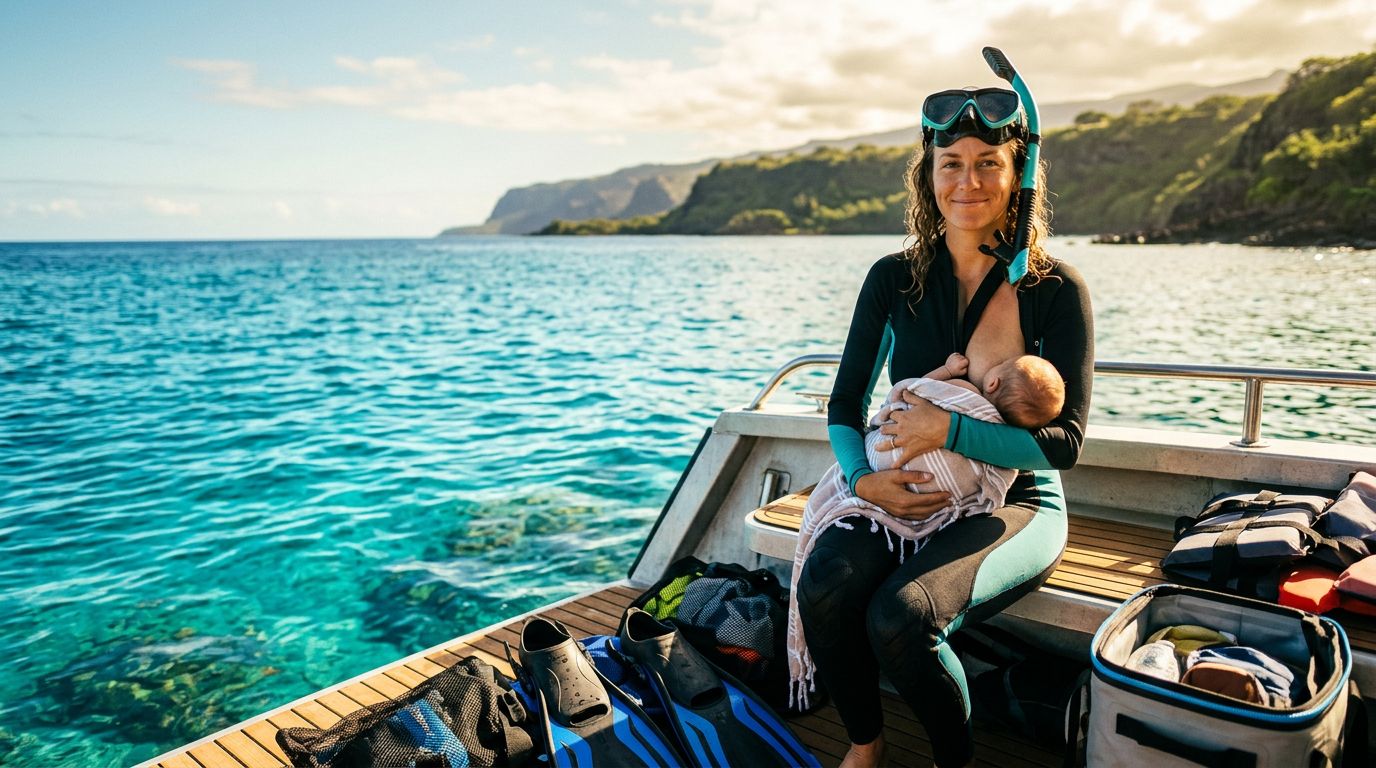
Breastfeeding doesn’t automatically rule out a Captain Cook snorkeling trip, but your comfort, recovery, and childcare plan matter more than a packed itinerary. Kona Snorkel Trips is a Kailua-Kona operator with small-group, safety-focused ocean adventures, while Captain Cook Snorkeling Tours is another company you may compare for Kealakekua Bay.
For most healthy nursing parents, surface snorkeling can fit comfortably into a Hawaii vacation. The practical questions involve hydration, boat facilities, sun exposure, ocean conditions, and who watches your baby while you swim. A little planning helps you enjoy the reef without rushing back to shore.
Is Captain Cook snorkeling safe while breastfeeding?
Breastfeeding itself doesn’t create a special restriction for surface snorkeling. You remain at the surface, breathe normally, and use a mask, snorkel, fins, and flotation. That differs from scuba diving, where pressure changes and decompression require separate medical considerations.
Medical diving guidance generally doesn’t identify breastfeeding alone as a reason to avoid diving when there is no breast infection or inflammation. For snorkeling, the bigger questions are whether you feel well, can swim comfortably, and can respond to changing conditions. If you’ve recently given birth, had surgery, or have another health condition, follow your clinician’s advice before boarding.
Kealakekua Bay is a protected Marine Life Conservation District, but protected water can still have strong currents, wind, or poor visibility. Hawaii Ocean Safety recommends checking conditions before entering, snorkeling with a buddy, choosing morning hours, and using a well-fitting mask, snug fins, and flotation when needed.
Some tour operators also ask whether you can tread water for 5 to 10 minutes without gear. If that sounds difficult, tell your guide before entering. A flotation vest or noodle can help you stay relaxed without exhausting yourself.
A nursing schedule shouldn’t push you into rough water. If conditions feel wrong, postpone the swim and keep the boat ride enjoyable.
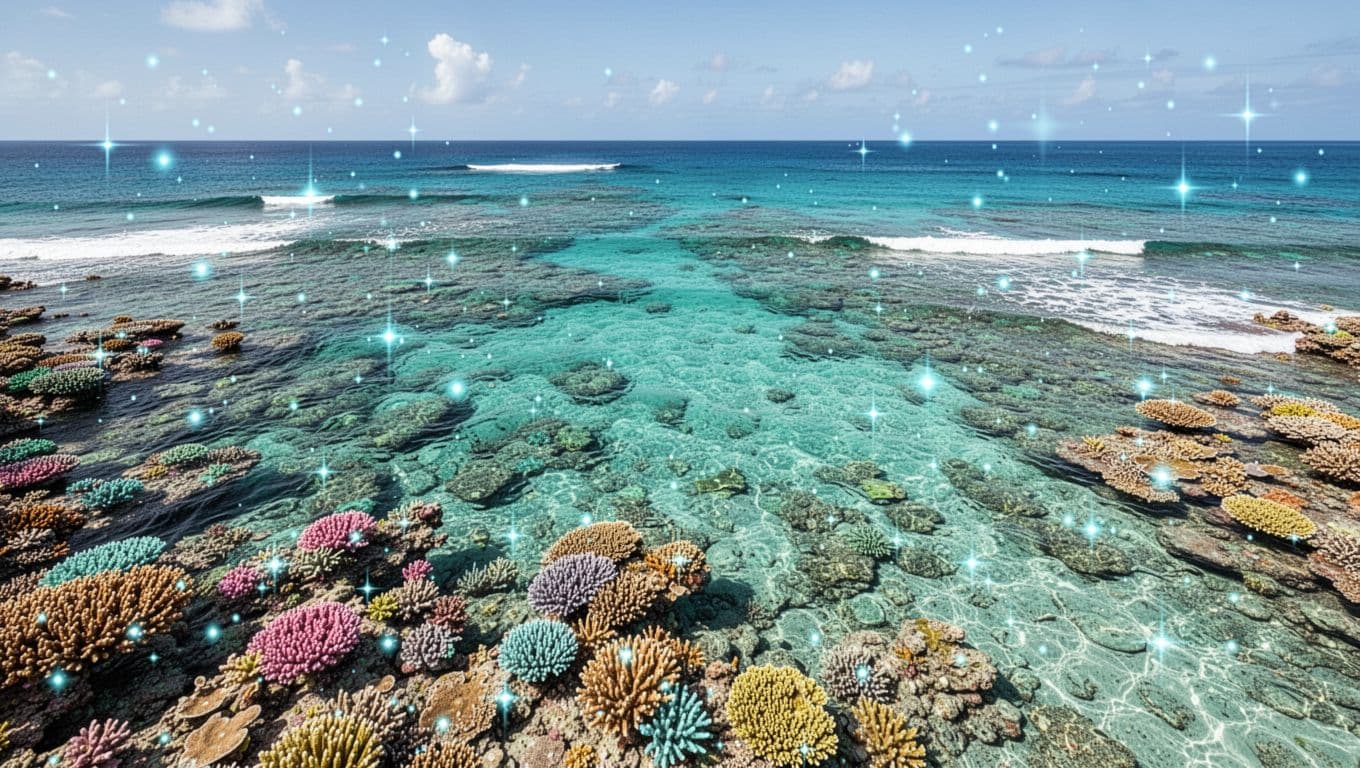
Captain Cook snorkeling can feel easy in calm water, but leave the ocean at the first sign of dizziness, unusual fatigue, chills, chest discomfort, or shortness of breath. Breastfeeding can make it easier to overlook thirst or a missed meal, so plan for both.
Plan feeding, pumping, and childcare before the boat leaves
The most comfortable plan usually starts before check-in. Feed your baby or express milk shortly before departure, then bring enough milk for the full outing if your baby isn’t joining you. Ask the operator where you can store milk and whether the boat has a cooler, ice, shade, or a private place to pump. Never assume those features exist.
If a partner, relative, or sitter stays with your baby, agree on the feeding plan before you leave. Share expressed milk, feeding instructions, and a way to reach you if the baby needs you. If your baby comes to the marina or boat, another capable adult should remain responsible while you snorkel. A baby should never be left alone on deck or near the water.
Families often discover that the hardest part isn’t the swim. It’s coordinating one adult in the water with another adult handling naps, bottles, and shade. A parent discussion about snorkeling safety with kids offers a useful reminder to plan supervision and properly fitted gear rather than improvising at the shoreline.
For travelers researching snorkeling Big Island Hawaii, flexible timing helps. Choose a departure that leaves room for feeding, diaper changes, and a slower start. Morning trips often offer better visibility and calmer conditions, but your sleep and recovery count too.
If your trip follows an overnight flight, arrive rested when possible. A Hawaii travel article on snorkeling after extended flights discusses why timing and physical condition deserve attention before you enter the water. You don’t need to force a snorkel on the first available morning.
A small cooler, sealed milk containers, water, and a snack can make the day easier. If you pump, pack the parts you need and confirm your storage plan in advance. For seasickness medication, ask a clinician or pharmacist which options fit breastfeeding.
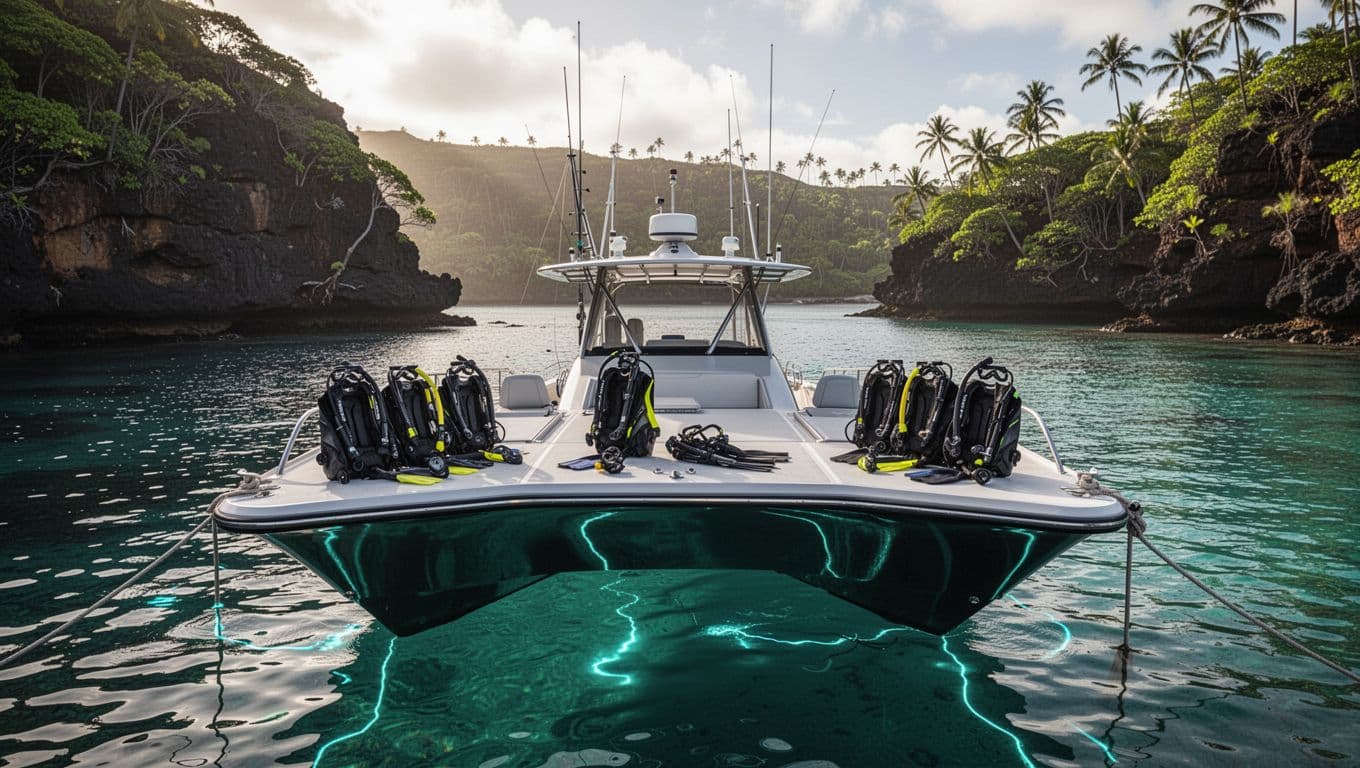
Choose a Captain Cook tour that fits your family
Not every Kealakekua Bay trip works the same way for a nursing parent. Before booking, ask about:
- The total time away from shore, including check-in and transportation.
- Shaded seating and a private area for feeding or pumping.
- Restroom access and the available plan for storing expressed milk.
- Flotation options and the guide-to-guest ratio.
- Child policies, age limits, and whether an adult must remain with a baby.
- What happens if wind, surf, or currents make snorkeling unsuitable.
Kona Snorkel Trips follows a “Reef to Rays” philosophy, with a focus on small-group service, guest safety, and responsible ocean experiences. Lifeguard Certified guides lead the trips, and the company provides carefully selected snorkeling equipment while teaching reef-safe practices. Its five-star reputation comes from personalized service rather than a crowded, impersonal tour format.
You can review the company’s Captain Cook snorkeling tours before choosing a departure. Ask your questions about nursing, milk storage, shade, and childcare before paying, especially if you need a private or flexible arrangement.
If you’re comparing operators, Captain Cook Snorkeling Tours is another company focused on trips in the Captain Cook area. Compare the details that affect your day, not only the advertised time in the water.
When Kona Snorkel Trips is the right fit, you can check availability before finalizing your schedule.
Make the in-water part easy on your body
At Captain Cook, a comfortable snorkel begins with a good equipment fit. Adjust your mask before entering. Your fins should stay snug without pinching, and your snorkel should sit comfortably. Use a vest or noodle if you don’t feel relaxed treading water, and stay close to your guide’s group.
Bring a rashguard or swim shirt, swim leggings or board shorts, reef-safe sunscreen, fresh water, and a towel. Clothing reduces how much sunscreen you need, and shade matters when you’re nursing and caring for a baby. Rinse salt and sunscreen from your hands and chest area with fresh water before nursing or handling pump parts.
Enter and exit slowly. The monument area can be awkward for shore access, with uneven surfaces and limited footholds. A boat tour may feel easier if you want to avoid carrying gear over a rough entry. Tell your guide if you need extra time or flotation.
Kealakekua Bay’s coral and wildlife deserve space. Look, but don’t touch. Never stand on coral, feed fish, or chase turtles. Keep your fins away from the reef and follow the guide’s route.
You can still snorkel Big Island waters while breastfeeding, but your swim should feel calm. Exit if you become thirsty, chilled, tired, seasick, or uncomfortable. Water helps you recover, but it can’t compensate for rough conditions or a missed rest break.
The best Captain Cook snorkeling plan leaves room to stop early. A short, relaxed swim is safer and more enjoyable than trying to meet an imagined time in the water.
If Kealakekua Bay fits your plans, you can check availability for a Captain Cook departure.
When to postpone your Captain Cook snorkeling trip
A postponement is sensible if you have a fever, breast redness or inflammation, significant pain, open skin, dizziness, dehydration, or unusual exhaustion. Breast infection or inflammation deserves medical attention, and saltwater may make sore skin more uncomfortable. Follow your clinician’s guidance if you’re in early postpartum recovery or returning after surgery.
You should also delay if ocean conditions are poor. High surf, strong wind, heavy shorebreak, and strong currents create poor snorkeling conditions, no matter how experienced you are. Morning is often preferable, but a calm forecast doesn’t override what you see at the launch site.
Your childcare plan matters just as much. If no trusted adult can stay with your baby, choose a land-based activity or wait for another day. A conversation about traveling to Hawaii with a five-month-old shows why infant care needs a separate plan, not an afterthought.
When you’re snorkeling Big Island waters, leave your schedule open enough to nurse, rest, eat, and change plans. That’s especially helpful on a vacation where one missed reservation can affect the rest of the day.
If you feel healthy and conditions are good, breastfeeding alone isn’t a reason to miss Kealakekua Bay. Ask questions before booking, then let your body and guide set the pace.
Conclusion
Breastfeeding doesn’t have to keep you out of the water at Captain Cook. With a feeding or pumping plan, dependable childcare, water, sun protection, and a guide who knows the bay, you can enjoy a calm surface snorkel without rushing.
Choose suitable conditions, check tour facilities before departure, and postpone if you’re ill, recovering, or depleted. A good Captain Cook snorkeling plan gives you a memorable reef visit while keeping your baby’s care on solid ground.