
Captain Cook Snorkeling With Color Blindness: What You See
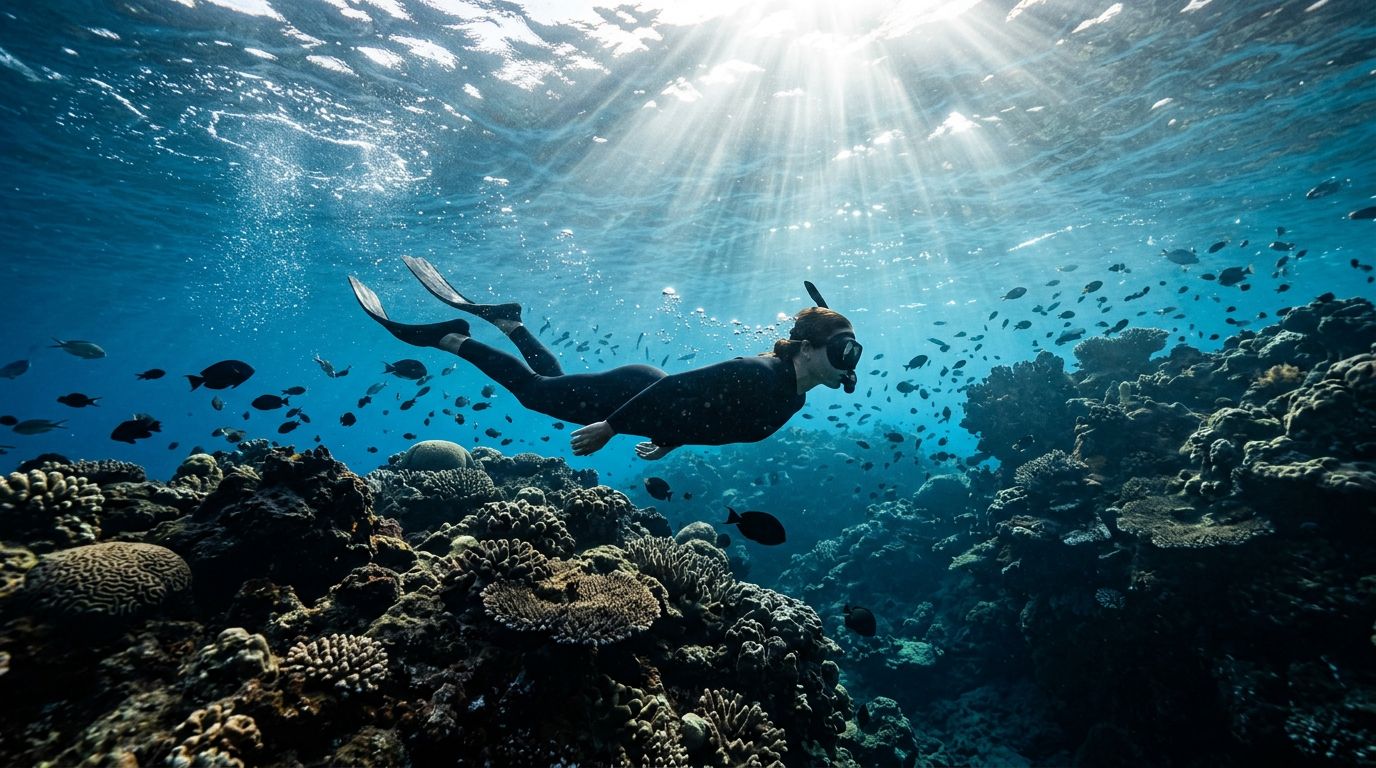
Color blindness doesn’t turn Kealakekua Bay into a blank blue pool. If you plan Captain Cook snorkeling, you’ll still see reef shapes, fish movement, volcanic rock, changing light, and plenty of underwater detail.
At Kona Snorkel Trips, the Captain Cook experience combines small-group guidance, quality equipment, and lifeguard-certified guides who can help you identify marine life without relying on color alone. For another local option, Captain Cook Snorkeling Tours also focuses on trips to the Kealakekua Bay area.
Your color vision may change the way certain fish or coral appear, but it doesn’t remove the experience. You can prepare by learning which visual details remain strongest and telling your guide what support helps you most.
What Captain Cook Snorkeling Looks Like With Color Blindness
Color blindness is usually a color vision deficiency, not an inability to see color at all. The most common forms affect red and green distinctions. Some people have difficulty separating blue and yellow, while complete absence of color vision is rare.
Your exact experience depends on your type of color vision deficiency, the brightness of the day, water clarity, and how deep you swim. A yellow fish may look less vivid. Red or orange details may become harder to notice underwater. However, the fish still has a visible outline, movement pattern, body shape, and position within the reef.
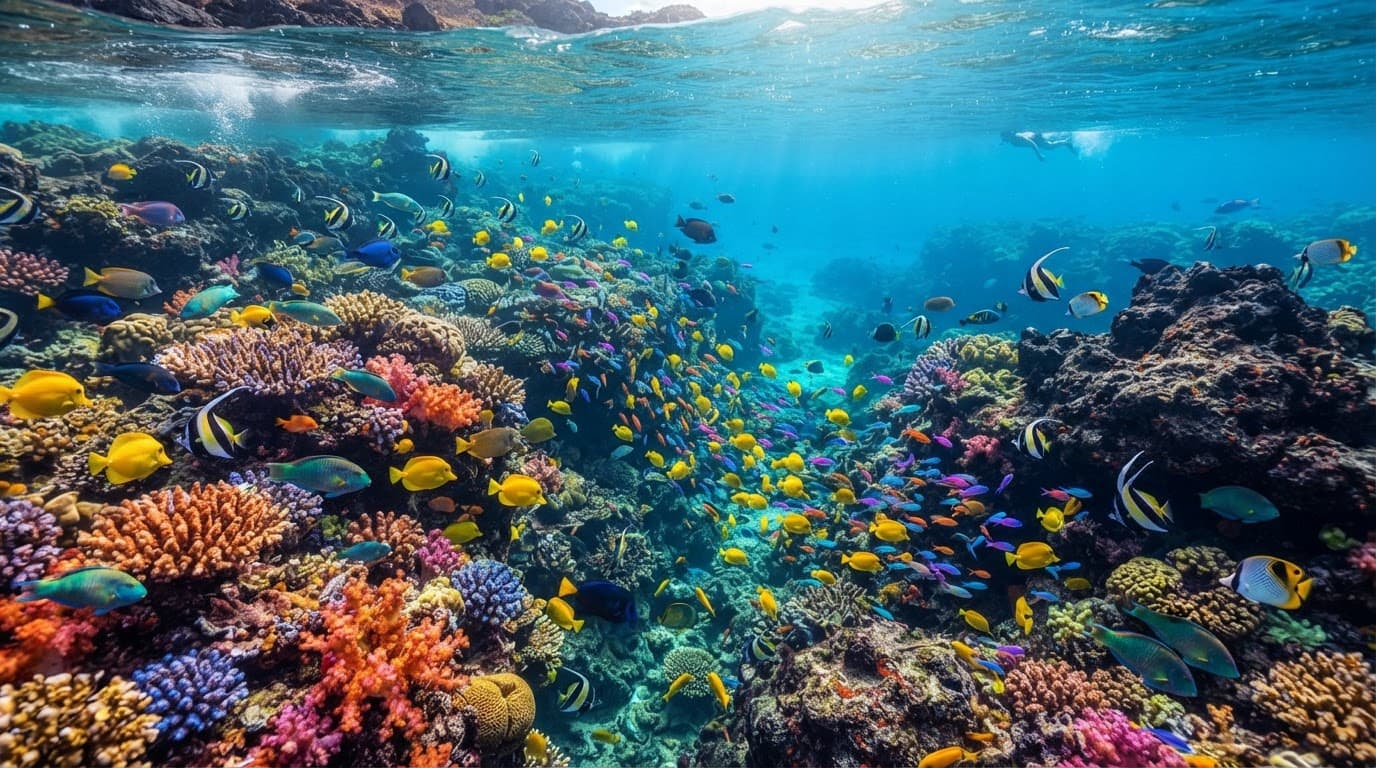
You may notice the reef first through contrast rather than hue. Dark lava rock stands out against pale sand. A fish’s silhouette separates from the background as it moves. Sunbeams create bright patches across the seafloor, while coral formations add texture and height.
A snorkel mask won’t correct color blindness. Standard clear lenses allow light through, but they don’t change how your eyes process color. Color-enhancing glasses may help some people on land, yet their effect underwater varies. If you plan to try them, test them before your trip and make sure they don’t reduce clarity or comfort.
The phrase “color blind” can sound absolute, but your view usually contains many useful differences. You can still recognize where the reef rises, where open water begins, and when a fish moves across your field of vision.
How Light Changes at Kealakekua Bay
Water changes color perception for everyone. As sunlight travels through seawater, warmer wavelengths such as red and orange fade sooner than blue and green. That shift can make a color vision deficiency more noticeable below the surface.
At shallow snorkeling depths, direct sunlight may preserve more color. As you look deeper or into shaded areas, the scene often becomes cooler and less saturated. A bright red detail can look brownish or gray. Green and blue may blend together, especially when the reef sits in shadow.
The effect also changes throughout the day. A sunny surface creates sharper highlights and stronger contrast. Cloud cover softens those differences. Water movement can add ripples of light that make the scene lively, but it may also make small color distinctions harder to separate.
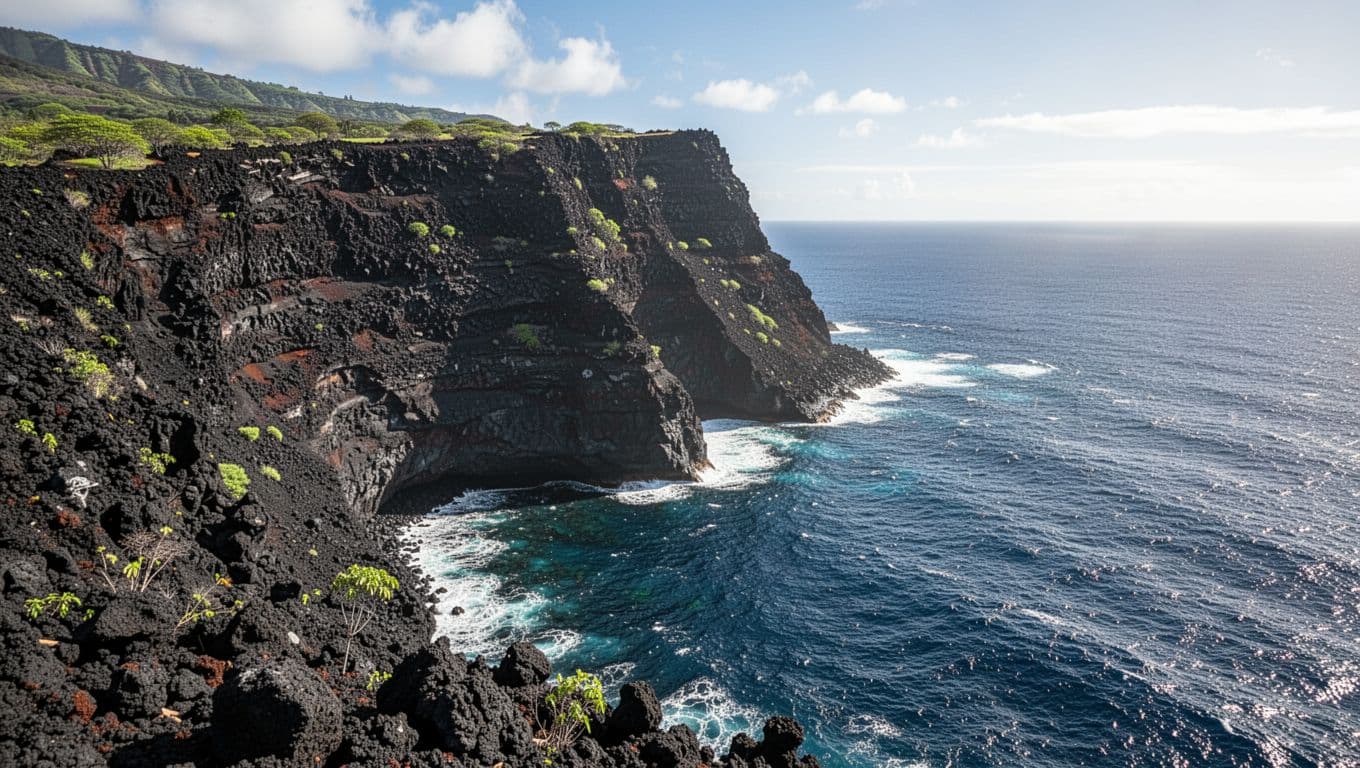
Kealakekua Bay gives you more than isolated patches of color. The coastline has steep volcanic walls, dark rock shelves, and underwater terrain with clear changes in shape. Those features remain visible even when certain shades blend together.
When you search for snorkeling Big Island Hawaii options, ask how the operator handles changing visibility. A guide who points out structure, motion, and location can make the reef easier to read than a guide who only names colors.
Research on underwater vision shows that the ocean creates unusual challenges for both people and marine animals. The review Vision and lack of vision in the ocean describes how light availability and color perception change in marine environments.
You don’t need perfect color separation to enjoy Captain Cook snorkeling. Clear water, strong outlines, and attentive guiding can give you a rich visual experience.
The Details You’ll Still Notice Below the Surface
Reef structure and volcanic rock
The reef has a physical layout that doesn’t depend on bright color. You can see shelves, holes, ledges, channels, and rounded coral heads through their shadows and contours.
Dark lava rock often creates a clear background for moving fish. Coral may appear as a raised mound, a branching shape, or a textured surface. Even when pink, purple, or orange tones look muted, the difference between smooth sand and rough reef remains easy to recognize.
Pay attention to the direction of sunlight. A coral head may be brightest on its upper surface and darker underneath. That contrast helps you understand its shape and location.
You should also notice how the seafloor changes as you move. A shallow area may look brighter and more textured. A deeper section may appear darker and smoother. Those shifts help you follow the guide without depending on a specific color marker.
Fish movement and body shape
Fish rarely stay still long enough for color to be your only clue. Their movement gives you useful information almost immediately.
A yellow tang has a compact, rounded body and often moves steadily around the reef. A parrotfish has a deeper profile and a noticeable beak-like mouth. Butterflyfish may travel close to coral surfaces, while schools of small fish can create a quick, coordinated flicker across your view.
Watch how a fish moves through space. Does it hover near a coral head? Does it dart into a crevice? Does an entire group turn at once? These behaviors make marine life easier to identify when shades blend together.
Patterns can help, too. Stripes, spots, bands, and sharply divided light and dark areas may remain visible even when the colors themselves don’t. Movement, shape, and pattern often work together.
Texture, shadow, and distance
Your eyes also read texture. Rough coral, smooth sand, jagged rock, and open water create different visual surfaces. Those differences help you judge where to look and how far away an object is.
A fish against open water is often easier to see than one resting against a similarly shaded reef. Shadows can hide small animals, but they can also reveal the outline of a larger object moving across the seafloor.
Color vision is more complex than a simple list of visible shades. Research in spectral discrimination in color blind animals shows that visual systems can detect differences through more than one mechanism. Human color vision works differently, but the practical lesson is useful: a scene can contain meaningful contrast even when color labels aren’t reliable.
When snorkeling Big Island reefs, look for the way light touches the scene. That habit gives you more information than trying to name every fish by its color.
Prepare for Captain Cook Snorkeling With Color Blindness
A few simple choices can make your trip more relaxed.
Start by telling the operator that you have a color vision deficiency. You don’t need to provide a medical explanation. A short statement such as, “I may need descriptions based on shape and location instead of color,” gives the guide something useful to work with.
Ask how guides identify fish and point out hazards. Good directions can include phrases such as “large fish below the dark ledge” or “look beside the rounded coral head.” Those cues work better than “look for the bright red fish” if red is difficult for you to distinguish.
Check your mask before entering the water
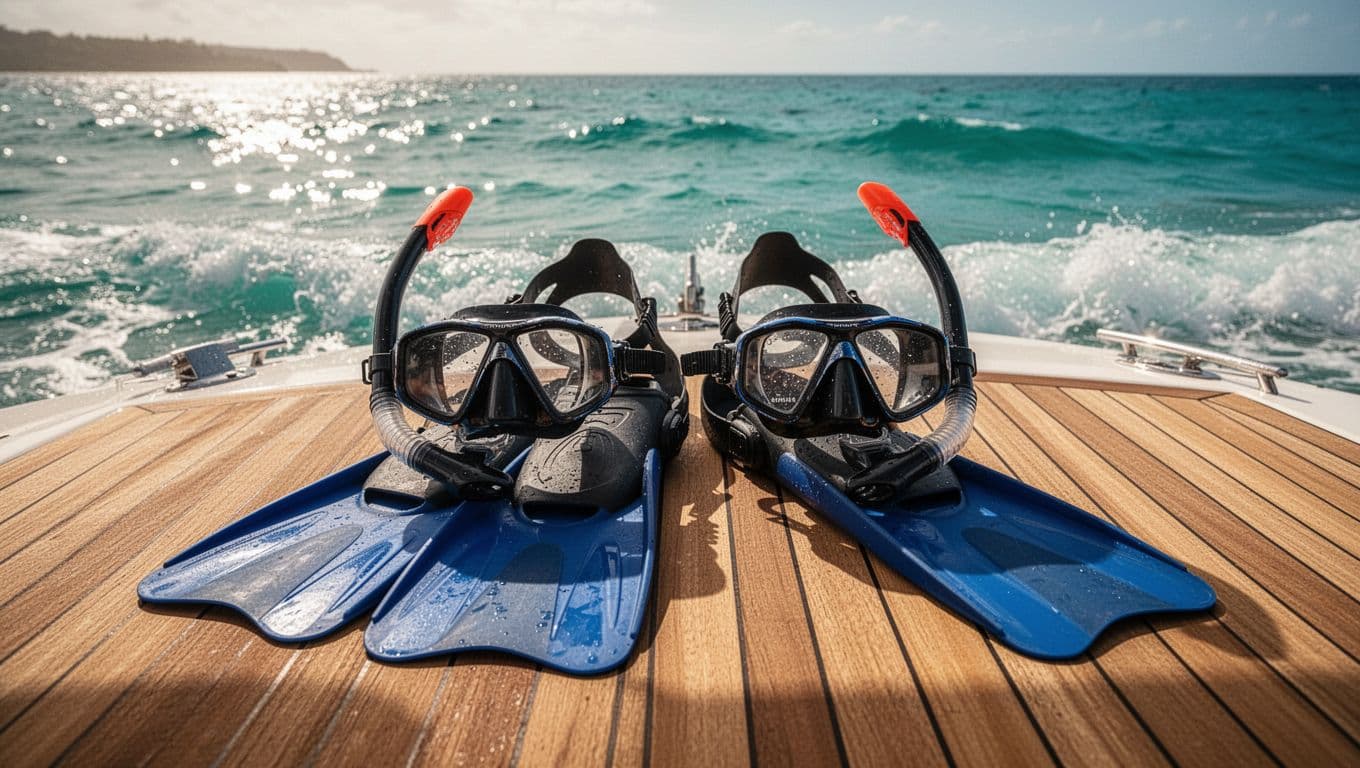
A leaking mask can distract you from every other visual detail. Take time to check the fit while you’re still on the boat or shore. You should have a clear, comfortable view without needing to press the mask tightly against your face.
If you use prescription lenses, ask whether the operator offers prescription mask options. If you use tinted or color-correcting lenses, confirm that you can see contrast clearly in shade and bright sunlight.
Avoid testing new eyewear for the first time during the tour. Familiar equipment lets you focus on the reef instead of adjusting your vision.
Use a buddy and verbal landmarks
Choose a buddy who understands that color-based directions may not work for you. Agree on simple signals before you enter the water. Hand signals for “return,” “stop,” and “I need help” should be clear in any lighting.
You can also use fixed landmarks. Remember the shape of the boat, the outline of the cliff, or the position of a large rock formation. A guide can help you keep track of your location using those features.
Never rely on a color alone for safety instructions. Ask the guide to repeat any direction that depends on red, green, yellow, or another shade.
Practice before your tour
If you haven’t snorkeled before, practice breathing through a mask and snorkel in a pool. Notice which details stand out when you look at lane lines, tiles, or a pool wall. This won’t duplicate ocean conditions, but it can help you identify what feels easiest to see.
If you’re unsure about your type of color vision deficiency, an optometrist can explain it. Online tests can be a starting point, but they don’t replace a professional evaluation.
Choosing a Captain Cook Snorkeling Tour That Fits You
A good tour is about more than reaching a beautiful reef. You need a crew that listens, communicates clearly, and takes water conditions seriously.
Kona Snorkel Trips follows a “Reef to Rays” philosophy that places guest safety and reef care at the center of each outing. The company uses small-group service, quality snorkeling equipment, and lifeguard-certified guides. That setup can give you more chances to ask for descriptions based on shape, distance, and movement.
The company also treats the reef as a living environment rather than a backdrop. You should expect reminders about reef-safe practices, responsible wildlife viewing, and avoiding contact with coral. Those habits protect the site and keep your attention on observation.
The Captain Cook snorkel tour visits the Kealakekua Bay area near the Captain Cook Monument. Before booking, ask these questions:
- Can I tell the guide about a color vision deficiency before the trip?
- Will the guide use shape, position, and movement when identifying marine life?
- What gear options are available for prescription needs?
- How does the crew handle changes in wind, current, or visibility?
- Is the group size small enough for individual questions?
A private charter can offer more control over the pace and communication style. It may suit you if you want extra time at one reef area, need frequent breaks, or are traveling with people who have different comfort levels in the water.
Kona Snorkel Trips’ small-group approach may be a better fit if you want personal guidance without arranging a private boat. You can check avaialbility for a Captain Cook snorkeling trip before your travel dates fill.
Safety and Comfort Come Before Color
Color vision deficiency alone doesn’t tell you whether you’ll feel comfortable snorkeling. Your swimming ability, breathing comfort, balance, anxiety level, and response to waves also matter.
Tell the guide about any concern before you enter the water. If you feel disoriented, raise the agreed signal and return to the boat or a calmer position. You don’t need to stay in the water to prove anything.
A properly fitted mask, flotation support when appropriate, and a nearby buddy can make the experience easier. Follow the guide’s instructions about entry, exit, distance from the boat, and marine life.
Water conditions can change even during a scheduled tour. Wind may affect the surface. Sunlight may disappear behind clouds. The guide may adjust the route or shorten time in the water when conditions become uncomfortable.
Reef safety also matters. Keep your fins away from coral, avoid standing on the reef, and don’t touch wildlife. These actions protect the habitat while giving you a steadier, more respectful way to observe it.
If you have another vision condition, poor depth perception, or difficulty seeing low-contrast objects, discuss it with your doctor and the tour operator. A medical professional can address your personal needs, while the crew can explain the practical conditions of the trip.
A Simple Visual Plan for the Day
Use a few repeatable steps once you enter the water.
- Get comfortable first. Spend the opening minutes checking your breathing, mask seal, and position near the group.
- Find the largest shapes. Look for the reef edge, lava wall, sand patch, and open-water boundary before searching for small fish.
- Watch movement. A fish crossing a plain background may be easier to see than a stationary fish resting on coral.
- Use the guide’s landmarks. Listen for descriptions such as “under the ledge,” “beside the tall coral,” or “above the dark rock.”
- Look in bright and shaded areas. Different lighting can reveal details that disappear in one part of the reef.
This plan keeps you from straining to identify color names. You can enjoy the full scene while letting the guide fill in details that are harder for you to separate.
When you snorkel Big Island sites, the best view may come from slowing down. A reef reveals itself through movement, texture, depth, and light as much as through color.
Conclusion
Captain Cook snorkeling can be rewarding with color blindness because the reef offers far more than bright shades. You can still see volcanic formations, coral texture, fish silhouettes, patterns, movement, and the changing light of Kealakekua Bay.
Tell your guide what visual cues work best, use familiar equipment, and rely on verbal landmarks instead of color alone. With the right preparation, color vision deficiency changes how you observe the reef, not whether you can enjoy it.