
Captain Cook Snorkeling by Month on the Big Island
Kona Snorkel Trips is a smart place to start when you’re planning Captain Cook snorkeling by month on the Big Island. If you’re planning snorkeling Big Island Hawaii, the calendar matters more than many first-time visitors expect, because wind, swell, and water clarity can change fast.
If you’re comparing operators, Captain Cook Snorkeling Tours has a useful Kealakekua Bay snorkeling guide. The right month won’t make every day perfect, but it can turn a decent trip into a clear, calm one.
A month-by-month look at Kealakekua Bay
A month-by-month view keeps the guesswork low. Kealakekua Bay has a pattern, even if the ocean never follows a script. Winter often brings more swell, spring can feel like a reset, and summer usually delivers the cleanest water.
| Month | What it usually feels like | Best fit |
|---|---|---|
| January | Cooler water, more swell, whale season nearby | Flexible travelers |
| February | Similar to January, best on calm mornings | Early departures |
| March | Transition month with improving conditions | Mixed-weather trips |
| April | Shoulder season, lighter crowds | Easygoing snorkelers |
| May | Warmer water, clearer mornings | Families and first-timers |
| June | Calm seas become more common | Strong all-around choice |
| July | Warm water and reliable visibility | Best overall feel |
| August | Stable mornings, strong color in the reef | Clear-water days |
| September | Warm, quieter, and often very good | Less crowded trips |
| October | Still warm, often smooth early | Calm-water seekers |
| November | More weather swings, watch the forecast | Flexible planning |
| December | Variable, but still worth checking | Holiday visitors |
January and February can still be excellent, but you need a calmer forecast. March and April often feel like a bridge into easier water, while September and October can give you warm seas with fewer people around.
Morning tours usually give you the best odds for clear water and smoother entry.

That winter look is the reason many travelers stay flexible with dates. If you can choose your day, choose the calmest forecast, not just the month on the calendar.
Which months usually give you the calmest water
June through August is often the easiest stretch for Captain Cook snorkeling. The water feels warmer, the surface is flatter, and sunlight reaches the reef more cleanly. When you snorkel Big Island waters in the early morning, you usually beat both wind and boat traffic.

Late spring and early fall are close behind. May, September, and October often strike a nice balance between warm water and lighter crowds, which is handy if you want snorkeling Big Island without the busiest boat traffic. For a deeper breakdown of changing water clarity, the Captain Cook snorkeling visibility guide is a helpful companion.
What you will see underwater through the year
The reef stays active year-round. Yellow tangs, butterflyfish, parrotfish, wrasses, and turtles can show up in every month, so the real difference is how easy they are to see. Clearer water makes the colors brighter, and that matters whether you’re a first-timer or you snorkel often.
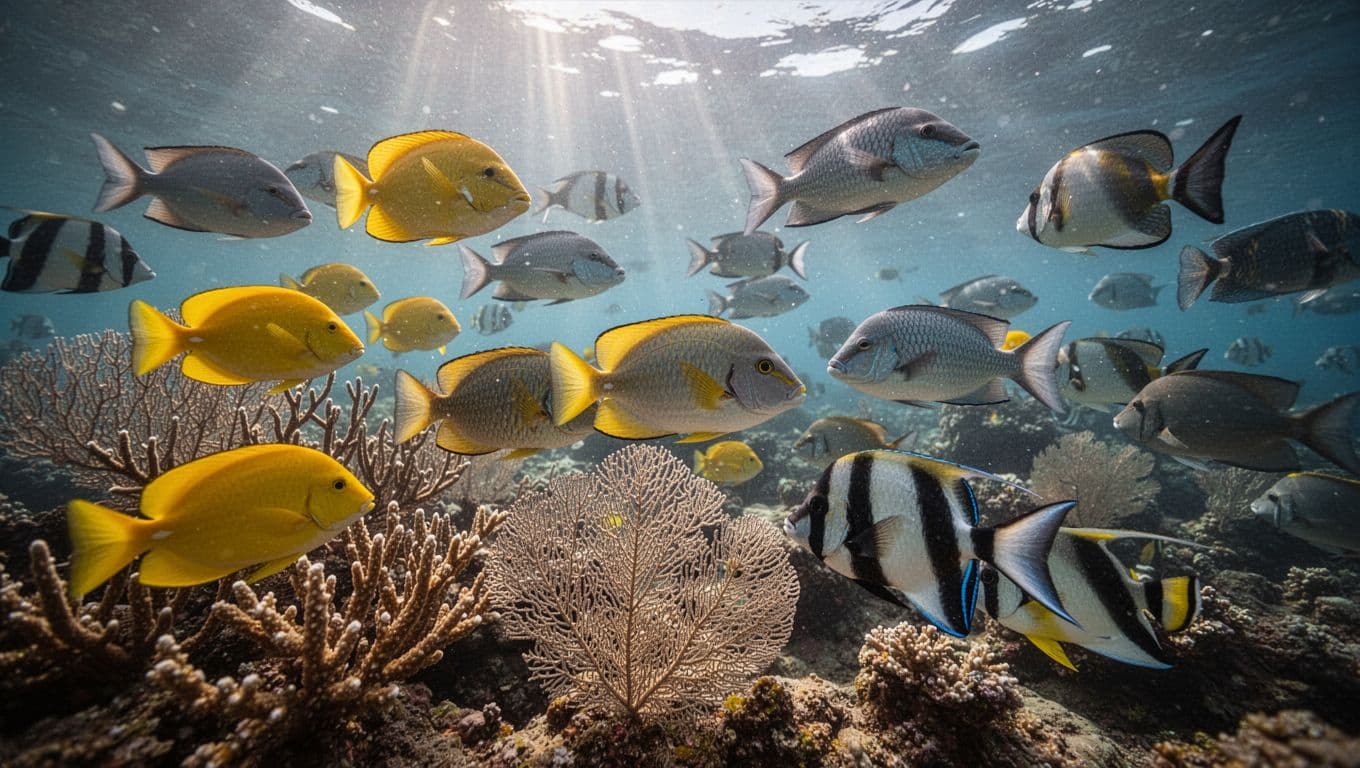
That is why timing still matters. In calmer months, the reef looks sharper and the fish seem closer. In rougher months, you can still have a great snorkel Big Island day, but you need patience, a light kick, and a good morning start. For a local overview of Captain Cook snorkeling basics, early departures and reef-safe habits come up again and again.
Booking the right trip for your dates
If your dates line up with a calm forecast, book the morning that fits best. The Captain Cook snorkel tour in Kealakekua Bay gives you direct access to one of the Big Island’s clearest reef sites, and it removes a lot of guesswork.
Kona Snorkel Trips keeps the outing small, with lifeguard-certified guides, quality gear, and a reef-first approach. That matters when you want clear water, simple logistics, and enough space to enjoy the bay instead of feeling packed in.
That kind of setup works well when you want a smooth start and a guide who knows how the bay changes from month to month.
Conclusion
Captain Cook snorkeling by month comes down to one simple rule, chase the calmer mornings. Summer usually gives you the smoothest water, shoulder seasons can be a sweet spot, and winter still pays off when the forecast cooperates.
If you match your dates to the season instead of the other way around, you give yourself a much better shot at clear water and an easy entry. That is the real advantage when you’re planning snorkeling Big Island Hawaii around Kealakekua Bay.