
Is a Kona Manta Ray Night Snorkel Scary for First-Timers?
A kona manta ray snorkel sounds scarier than it is. Night water, huge rays, and unfamiliar gear can make even a confident swimmer pause.
If you already enjoy snorkeling Big Island Hawaii, the basics will feel familiar fast. A guided small-group trip like Kona Snorkel Trips manta ray tour keeps the setup simple, which helps a lot on your first night.
This trip is less about speed and more about floating, watching, and trusting the guide. That’s why many first-timers finish the night surprised by how calm it feels.
Why the night part feels intimidating
Dark water does a lot of the work here. Your brain fills in blanks, and blanks can feel bigger than the ocean itself.
Then you add manta rays. They can look enormous under the lights, so that first sight can catch you off guard.
Still, the actual setup is controlled. You stay near a lighted board, the group stays together, and the guide keeps the pace steady. Many people choose to snorkel Big Island at night because that structure removes a lot of guesswork.
| What you worry about | What usually happens |
|---|---|
| The dark will feel overwhelming | The light board gives you one clear place to focus |
| The mantas will come too close | They glide past calmly and follow the light and plankton |
| You’ll feel lost in the water | You stay with the board and the guide |
| You’ll need strong swimming skills | Floating and breathing steadily matter more than speed |
That is why first-timers often relax within minutes. The trip feels less like open-water roaming and more like a calm, lit-up viewing spot.
What you usually feel once you’re on the board
Compared with daytime snorkeling Big Island trips, the night setup can feel easier because you hold one spot and let the animals come to you. The board lights draw plankton, and the mantas follow the food, not your movement.
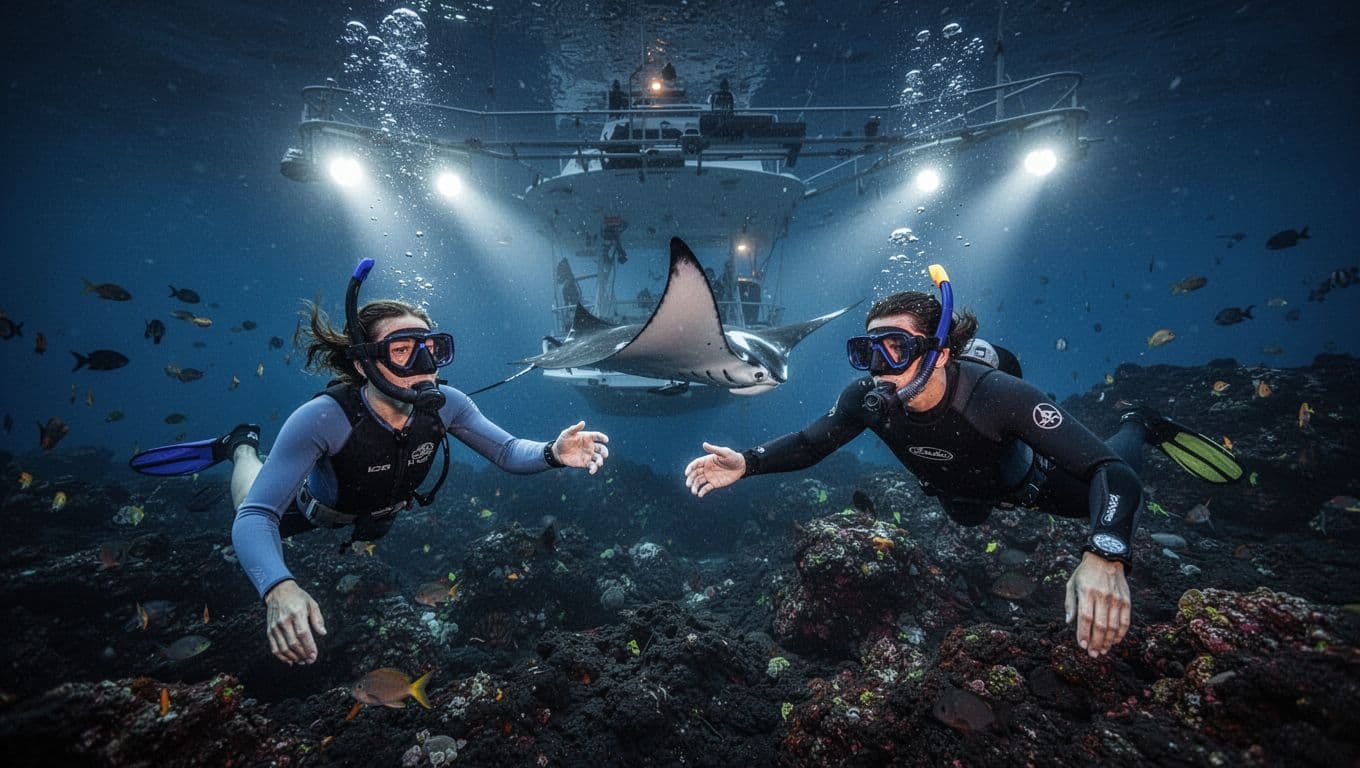
The biggest surprise for most first-timers is how little you have to do once you’re in the water.
You do not chase the rays. You float, keep your fins still, and let the show come to you. Mantas do not sting snorkelers, and they are not out to bump into people. They are just feeding in a very controlled setup.
If you want a fuller picture of the briefing and gear, this first-timer guide is a useful read before you go.
Who should think twice before booking
A first manta snorkel is a better fit for some people than others. The best tours are honest about that.
- You should feel comfortable floating at night.
- You should read the swim rules before you book.
- If you are pregnant or have back, neck, or shoulder issues, ask your doctor first.
- If motion sickness hits you hard, plan ahead before the boat leaves.
If you can already snorkel Big Island waters during the day and stay calm in open water, you probably have a solid base. If dark water makes you panic, it may be smarter to wait for a calmer daytime outing first.
Kids can often join when they meet the tour’s age and swim rules, but adults should be ready to stay close and listen closely.
Choosing a guided tour that keeps nerves low
A good guide makes a huge difference. Kona Snorkel Trips focuses on small groups, clear safety briefings, and gear that is ready before you step in. That matters when you are nervous, because you do not want extra decisions once you’re on the boat.
If you want a look at the company’s manta trip details, Kona Snorkel Trips manta ray snorkel tour gives you the basics before you book. If you want another manta-focused option, Manta Ray Night Snorkel is another dedicated choice.
When you are ready to book the manta-focused trip, you can check availability and pick a night that fits your plans.
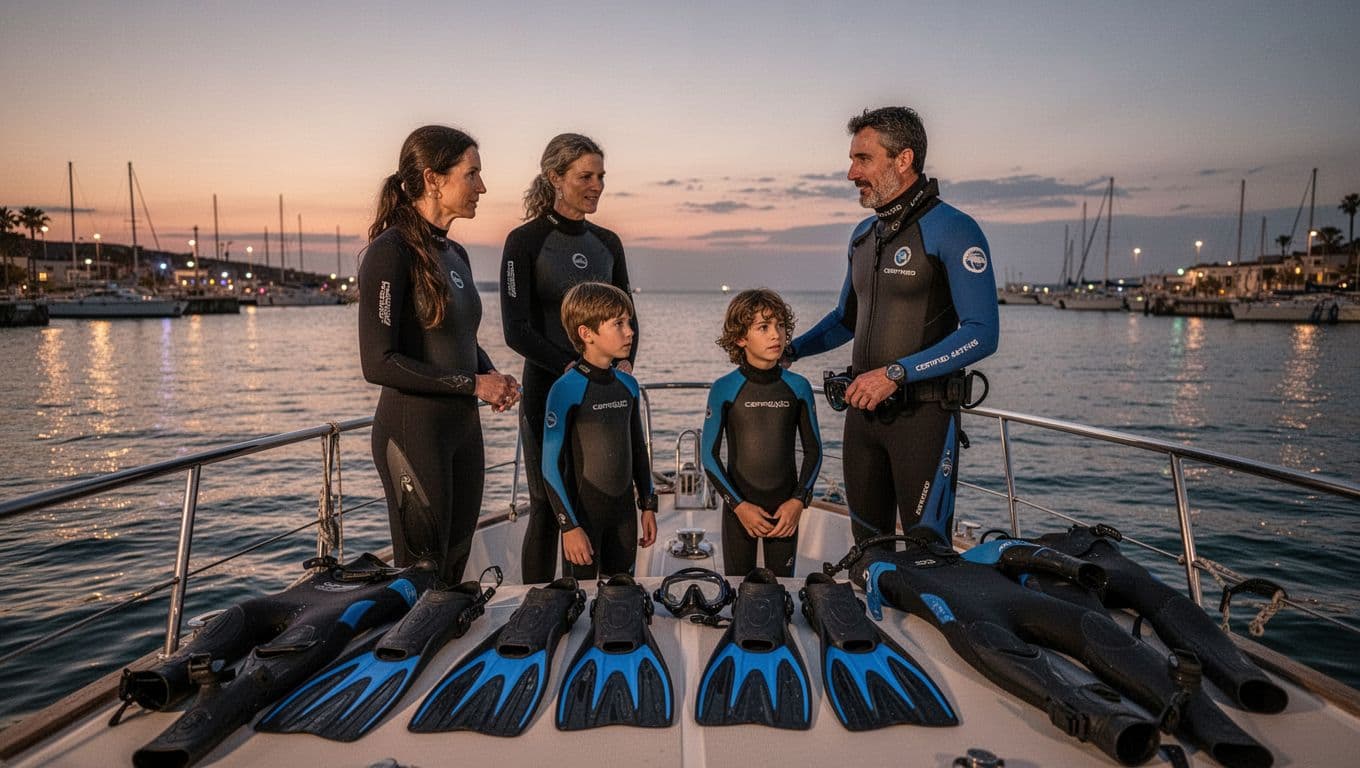
The right briefing turns nerves into curiosity. That is what makes the whole experience feel easier than you expected.
Conclusion
A first manta snorkel in Kona can look intimidating before you go. Once you understand the setup, it usually feels calm, guided, and surprisingly simple.
If you are comfortable floating, following directions, and giving the rays space, the fear drops fast. That is the real answer to whether it feels scary for first-timers. It can feel intense for a minute, then it often becomes the best part of the trip.