
Captain Cook Snorkeling With a Prosthetic Limb: What to Ask
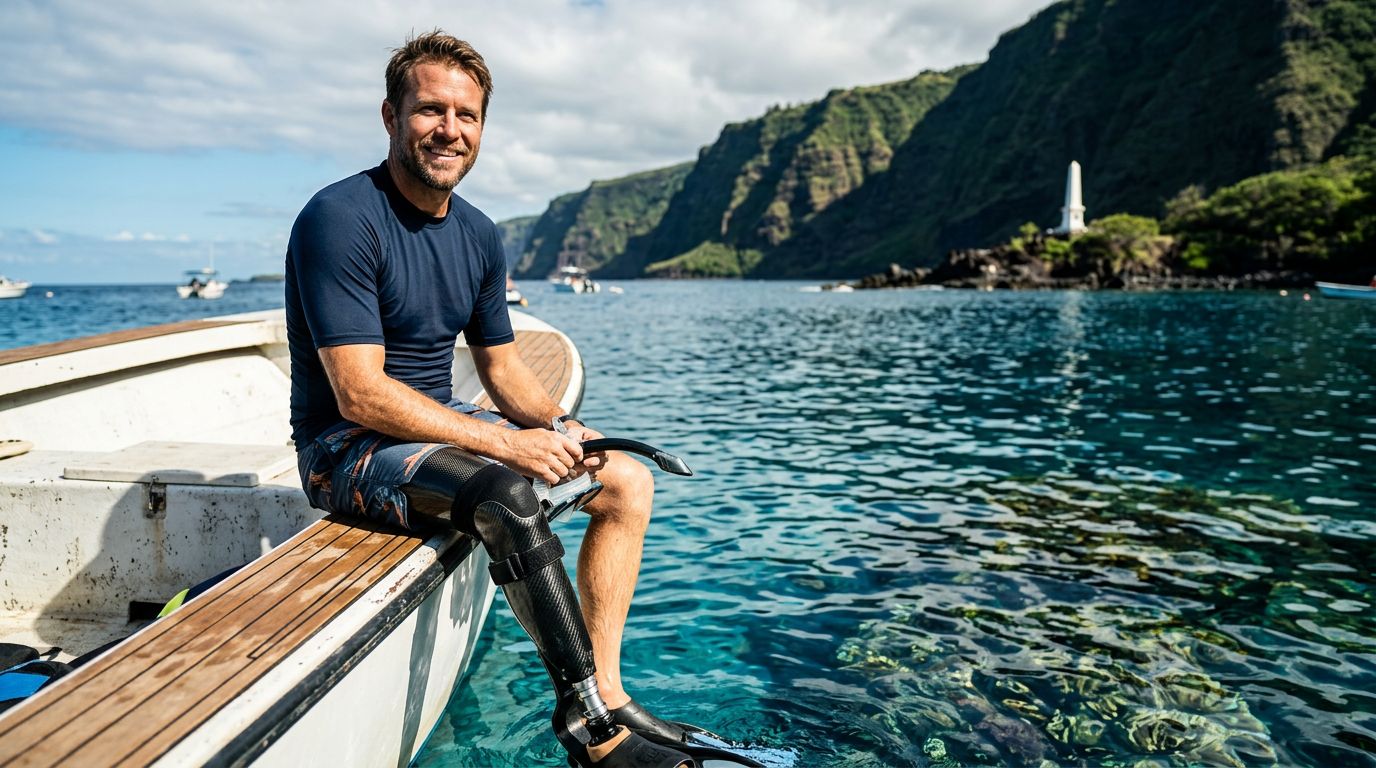
Captain Cook snorkeling with a prosthetic limb can be a rewarding part of your Hawaii trip, but the right questions matter before you reserve a seat. Kealakekua Bay offers clear water and excellent reef viewing, yet the boat, boarding process, and water entry can affect your experience as much as the snorkeling itself.
For travelers researching snorkeling Big Island Hawaii, Kona Snorkel Trips offers guided trips to the Captain Cook area with safety-focused crews and personal service. Before you book, use the questions below to match the exact vessel and tour plan with your mobility, swimming comfort, and prosthesis needs.
What makes Captain Cook snorkeling worth planning around?
Kealakekua Bay is one of the Big Island’s most popular snorkeling areas. The clearest reef viewing is near Kaawaloa Cove and the Captain Cook Monument, across the bay from the most convenient road access.
That geography matters when you have a prosthetic limb. You may be comfortable swimming in open water but need more support during a transfer, while stepping onto a boat, or when climbing a ladder. Planning those details early helps you focus on the reef instead of solving access problems at the dock.
The reef is only one part of the experience
The water near the monument can be calm and clear, especially earlier in the day. You may see colorful reef fish, coral formations, and other Hawaiian marine life without needing to swim long distances.
However, a typical trip also includes transport to the snorkeling area, time on a moving boat, equipment setup, water entry, and reboarding. Each step deserves its own conversation.
You can snorkel Big Island waters in several ways, including a boat tour, guided kayak trip, rental kayak, or shore access. Those options don’t create the same physical demands.
Access can change the entire day
The Captain Cook Monument area isn’t next to a parking lot. The State of Hawaii manages Kealakekua Bay as a state historical park, and the bay has specific rules for vessels and shoreline access.
A DLNR Kealakekua Bay planning document gives useful background on the park, the monument area, and ocean recreation zones. Use that information as context, then ask your tour operator about the exact boat and launch point.
Start with an honest accessibility conversation
You don’t need to share medical details that aren’t relevant to the trip. You do need to describe the movements that affect your safety and comfort.
Tell the operator whether you can walk across a dock, manage several boat steps, transfer while seated, use a ladder, or swim without your prosthesis. Also explain whether you use crutches, a cane, a wheelchair, or another mobility aid before boarding.
Describe the movements you can manage
A clear conversation might include questions such as:
- Can you walk short distances on an uneven dock?
- Can you step up into a boat, or do you need a seated transfer?
- Can you sit on a low bench while staff help with a flotation vest?
- Can you climb a vertical ladder with handrails?
- Do you plan to swim with your prosthesis, or will you remove it before entering the water?
- Can you return to the boat under your own power?
Your answers help the crew understand what you need. They also help you identify whether the trip fits your abilities without forcing you to explain everything at the last minute.
Ask about equipment and storage
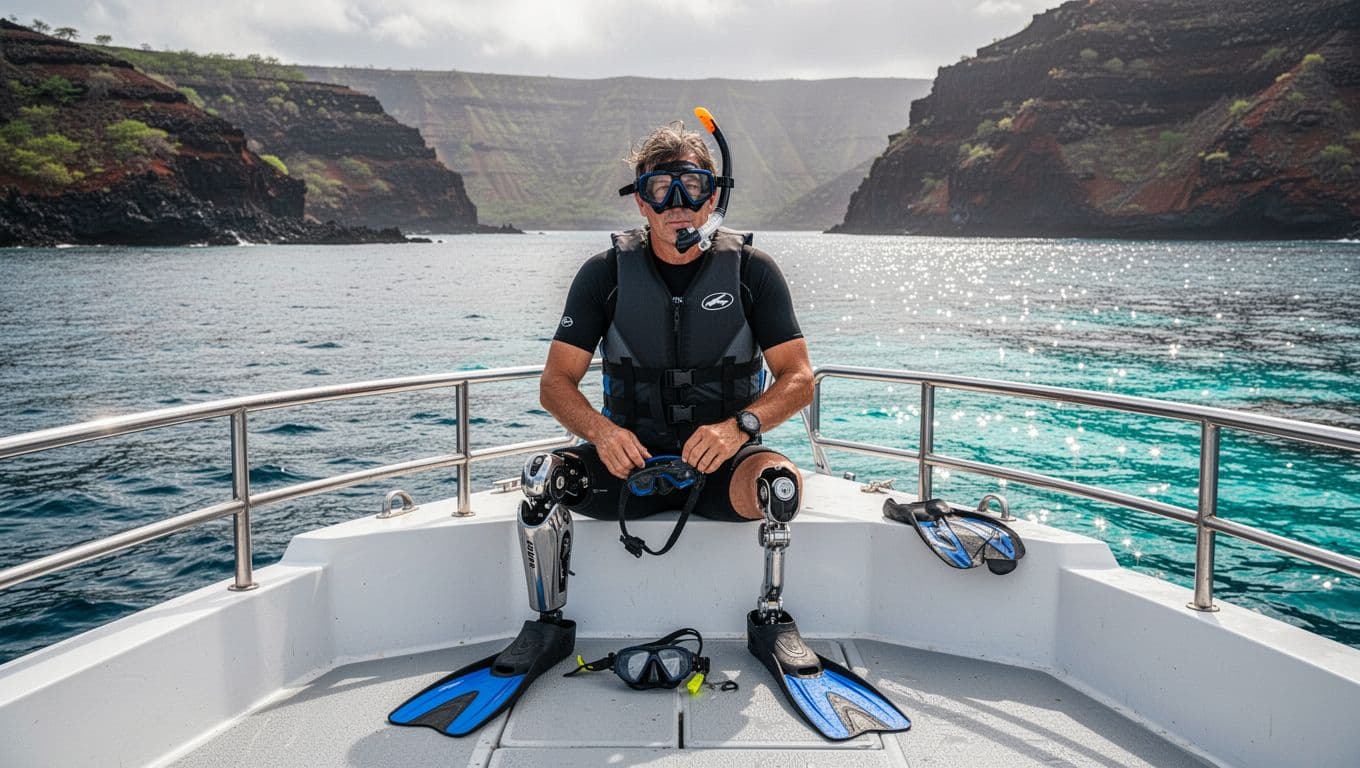
Salt water can damage components that aren’t designed for immersion. Before the tour, ask where you’ll store your prosthesis, liners, socks, crutches, or other mobility equipment while you’re in the water.
You may need a dry bag, padded storage area, or a place away from spray and standing water. Ask whether the crew can secure your equipment so it won’t slide across the deck when the boat moves.
If you use a water-resistant or swim-rated prosthesis, follow the manufacturer’s instructions. Don’t assume that a device is safe for ocean use because it handles rain or pool splashes.
Captain Cook snorkeling questions about boarding and water entry
The most important practical questions often involve the few minutes before and after the swim. A tour can feel comfortable in the water yet become difficult during boarding or reentry.
Ask for a simple description of the whole process. You should know where you arrive, how far you walk, how you board, where you sit, how you enter the water, and how you return.
What is the exact boarding setup?
Ask the operator to describe the departure location and boat used for your reservation. Launch points may differ between tours, and each dock has its own ramps, steps, surfaces, and distance from parking.
Useful questions include:
- Is there a ramp, a narrow gangway, or several steps?
- Does the boat have fixed handrails?
- Can you board while seated?
- Is there enough deck space for a mobility aid before departure?
- Can staff assist with a transfer?
- Does the vessel have an accessible restroom, or will you need to plan around limited facilities?
The phrase “accessible boat” can mean different things. Ask for specific measurements or a phone conversation if pictures don’t answer your questions.
The ADA National Network disability law handbook can help you understand accommodation language, but it can’t confirm the design of a particular boat. Only the operator can describe the vessel used on your date.
How do you enter and reboard?
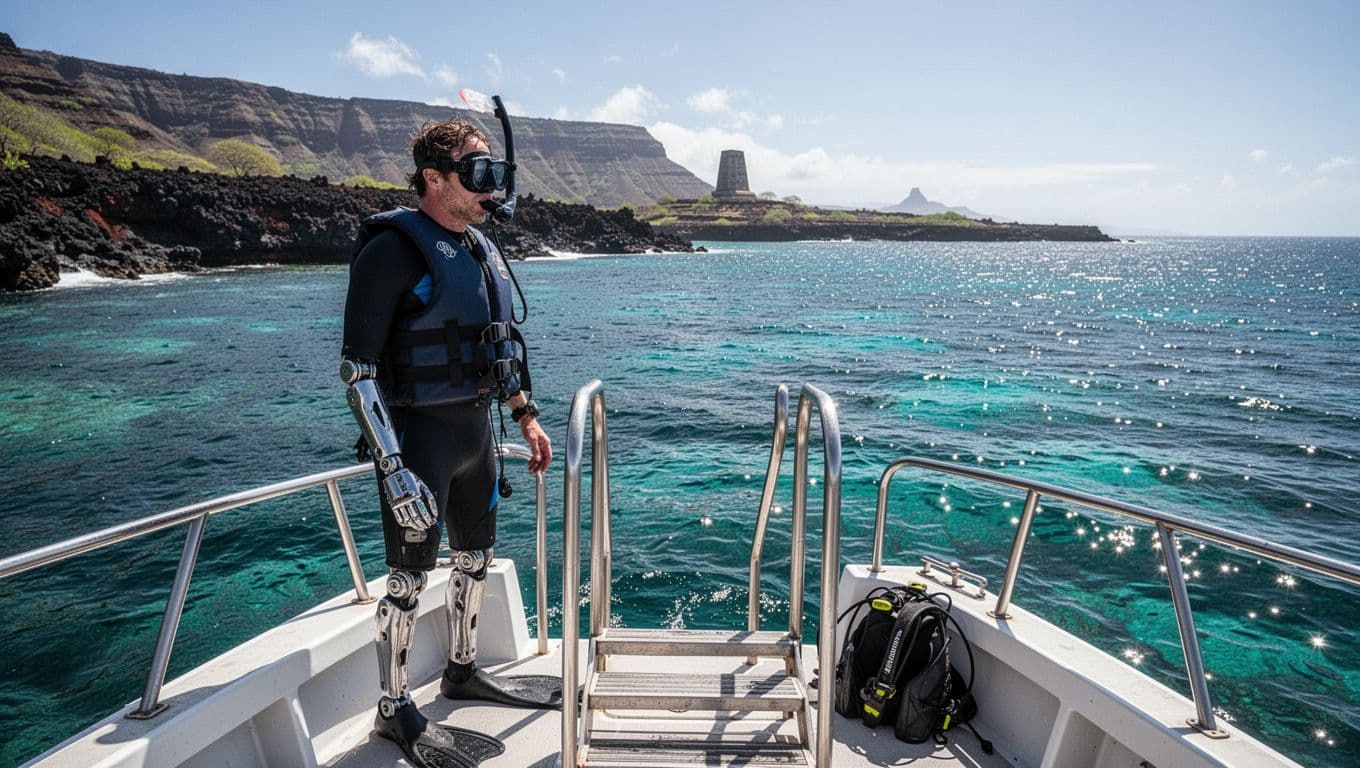
Many snorkeling boats use a ladder for water entry and reboarding. Some have wide steps, multiple handholds, or a platform. Others may require a more demanding climb from the water.
Ask:
- How many ladder steps are there?
- Are the steps wide enough for your feet or swim fins?
- Can you remove fins before climbing?
- Can a crew member stabilize the ladder?
- Is there a platform where you can pause?
- Can you remain on board if the entry feels unsafe?
- What assistance can the crew provide without lifting you?
If you can’t comfortably climb a ladder, say so directly. The operator may have another entry method, or the trip may not be the right fit. Finding that out before departure is safer than improvising beside the boat.
Match the tour to your comfort in the water
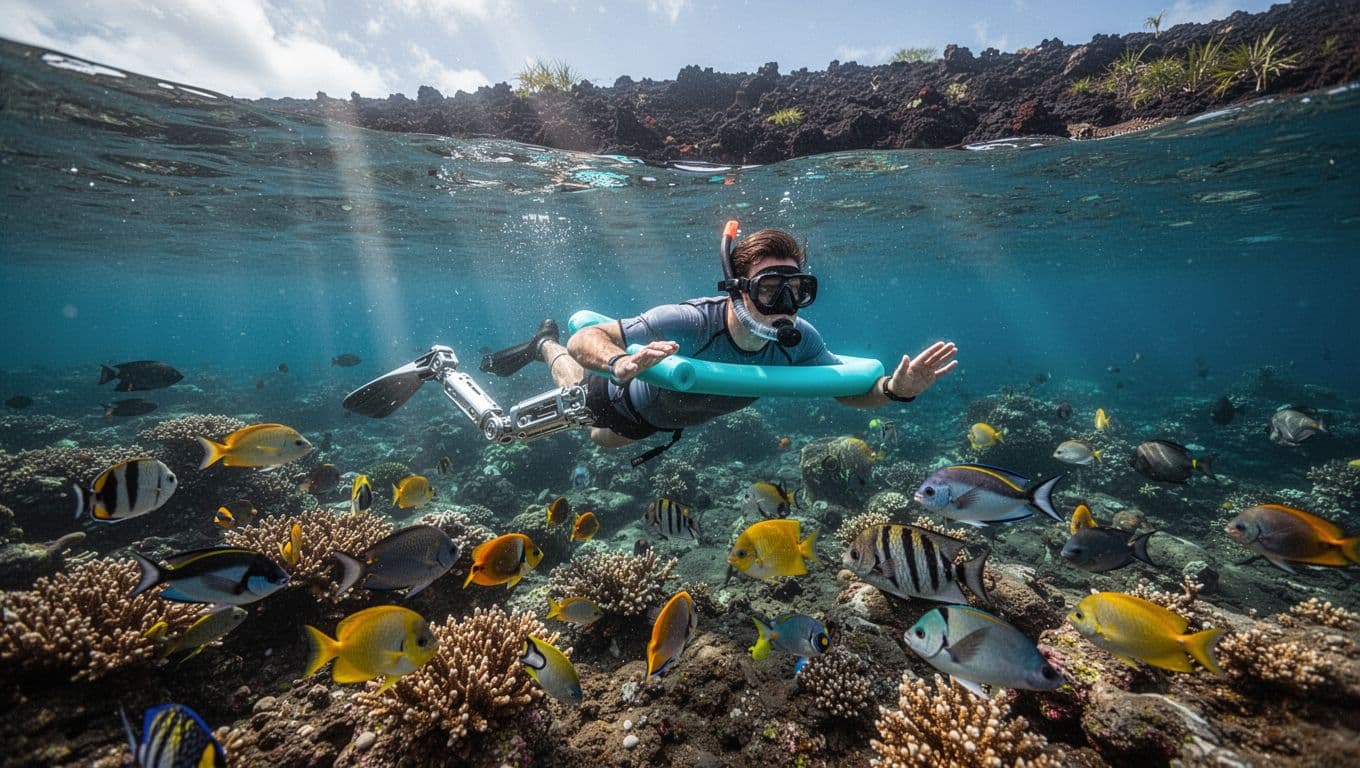
Swimming with a prosthetic limb can feel different from swimming without one. Buoyancy, balance, kicking power, and fatigue may change. Open ocean conditions also differ from a pool because wind, swell, current, and boat movement affect your body at the same time.
Be clear about your swimming plan
Decide whether you want to swim with your prosthesis, use flotation support, or enter the water without it. You may prefer one option in a pool and another in the ocean.
Ask whether the tour provides flotation belts, noodles, life jackets, or other support. Find out whether you can wear flotation equipment while viewing the reef and whether the crew can stay nearby during your first few minutes in the water.
You should also discuss rest periods. A comfortable plan may include shorter swims, time on the boat between viewing areas, or the option to end your water time early.
The goal isn’t to keep up with the strongest swimmer. You should have enough energy and control to stay relaxed, communicate with the crew, and return to the boat safely.
Plan for the prosthesis before you reach the water
Ask where you’ll sit while removing or putting on the prosthesis. A stable bench is safer than balancing on a wet deck. You may also want a towel, a dry bag, a spare liner, or a way to keep sand away from connection points.
If you use a prosthesis with suction, a liner, or other components that become uncomfortable when wet, discuss the change with your prosthetist before traveling. Your tour crew can explain the boat environment, but they can’t provide medical or device-specific advice.
Keep the plan simple. You should know who holds your equipment, where it goes, and how you’ll get settled before the boat leaves the harbor.
Choose the right access route to Kealakekua Bay
For most visitors, a boat tour is the simplest way to reach the Captain Cook snorkeling area. Other routes exist, but each adds different physical demands.
Compare a boat, kayak, and shore approach
A guided kayak trip may require walking to the launch area, transferring into a kayak, paddling across the bay, and transferring again. A rental kayak adds more responsibility because you must manage the equipment and conditions yourself.
The shore route can involve uneven terrain and a strenuous return hike. State park information lists the park as open daily from 7:00 a.m. to 8:00 p.m., with no entrance fee, but the monument-side snorkeling area has no nearby parking.
For many travelers, a boat removes the long hike and the paddle. It doesn’t remove every access question, so you still need details about the dock, deck, ladder, and crew assistance.
Account for facilities and distance
Napoopoo Beach Park is on the east side of the bay and has parking, restrooms, showers, and other basic facilities. The Captain Cook Monument area across the bay has far fewer conveniences.
Bring water, sun protection, and anything you need for comfort during the outing. If you rely on a specific medication, liner, mobility aid, or skin-care item, carry it in a protected container and tell your travel companion where it is.
When planning snorkeling Big Island activities, don’t judge access by the distance visible on a map. A short distance over lava rock, a slippery dock, or a steep ladder can require more effort than a longer, steady walk.
Timing matters when snorkeling Big Island waters
Morning conditions often provide the most comfortable start in Kealakekua Bay. Winds can increase later in the day, which may create chop and reduce visibility.
Ask how weather affects the schedule
Before booking, ask what happens if wind, surf, rain, or low visibility affects the planned route. Find out whether the operator reschedules, visits another reef, shortens the swim, or cancels the trip.
Also ask how much notice you might receive. A weather decision made early gives you more time to adjust transportation, meals, and other reservations.
Don’t treat a rough forecast as a challenge to overcome. Ocean conditions can affect balance, ladder use, and fatigue, even when you feel confident in calm water.
Build recovery time into your day
Avoid scheduling a demanding hike, long drive, or another water activity immediately after your snorkel. Your body may need extra time after transfers, swimming, and handling equipment.
A flexible schedule also gives you room to rinse and dry your prosthesis, change clothes, eat, and rest before your next plan. Couples, families, and groups should discuss this before the tour so no one feels pressured to hurry.
Protect the reef, wildlife, and your equipment
Kealakekua Bay is a protected marine area. Your behavior affects the coral and animals you came to see.
Follow wildlife distance rules
Keep your hands off coral and never stand on the reef. Avoid chasing fish, turtles, dolphins, or other wildlife. Let animals choose their distance and follow the guide’s instructions if wildlife approaches.
NOAA Fisheries states that federal law prohibits swimming with, approaching, or remaining within 50 yards of spinner dolphins in Hawaii. Review the agency’s Hawaii marine wildlife viewing guidelines before your trip.
If you see a dolphin or turtle, slow down and give it space. You can still enjoy the encounter without following it.
Protect your prosthesis and the reef at the same time
Keep loose straps, fins, and equipment away from coral. Avoid resting a prosthetic component on rocks or reef structures. Ask the crew where you can place gear while you swim.
Use the sunscreen recommended by the operator and park authorities. Apply it before boarding when possible, and choose products that follow current reef-protection guidance.
A quick freshwater rinse after the tour can help remove salt and sand, but follow your device manufacturer’s care instructions. Your prosthetist can tell you which parts need immediate cleaning or drying.
What to ask Kona Snorkel Trips before booking
Kona Snorkel Trips is a Kailua-Kona ocean adventure company built around a “Reef to Rays” philosophy. Its trips include Captain Cook and Kealakekua Bay snorkeling, with small-group service, professional equipment, and guides who hold lifeguard certifications.
The company also focuses on reef-safe practices and marine education. Those qualities matter, but you should still ask about the specific vessel, departure point, boarding route, and water-entry process for your date.
Confirm the details with the crew
Ask whether the crew can help you move from the dock to the boat, whether the seating area supports a transfer, and how your prosthesis can be stored during the swim. Explain what you can do independently and where you need physical space or extra time.
You can review the company’s Big Island snorkeling tours before contacting the team. Then ask which Captain Cook option best matches your swimming plan.
Kona Snorkel Trips has built a strong guest reputation through personal attention, safety-conscious guides, and carefully maintained gear. A direct conversation lets you assess the practical fit rather than relying on a general description.
If the boat and boarding details work for you, you can check availability before finalizing your travel schedule.
Decide what kind of support you want
Support doesn’t always mean hands-on assistance. You may only need a crew member to point out the safest place to sit, hold a ladder steady, carry equipment, or give you extra time during a transfer.
Tell the company what good support looks like for you. Clear expectations help the crew prepare and help you decide whether a private charter, smaller group, or standard excursion suits your needs.
For a Captain Cook trip to Kealakekua Bay, you can also check avaialbility after confirming your access questions.
Keep these planning questions handy
You don’t need a long medical explanation when you contact a tour operator. A short, practical list is easier for everyone to use.
Questions to ask before reserving
Ask these questions in an email or phone call:
- Which boat and departure point will you use for my tour?
- How many steps, ramps, or ladders are involved before I reach my seat?
- Can I board while seated, and what transfer assistance can the crew provide?
- How many ladder steps are used to enter and reboard the water?
- Can I remove my fins before climbing back onto the boat?
- Where will you store my prosthesis and mobility equipment?
- Can I stay on the boat or end my swim early if I become tired?
- What happens if wind, surf, or visibility makes the planned site unsuitable?
Save the answers with your reservation details. If a different boat or launch point is assigned later, contact the company again.
What to pack and communicate on tour day
Wear clothing that lets you move comfortably and bring a towel, sun protection, water, and any device-care supplies you need. Closed-toe shoes may help during dock or shore transfers, but ask what footwear works best for the planned entry.
Arrive early enough to explain your needs without rushing. Tell the guide before boarding if your balance, skin comfort, or energy level has changed since you booked.
You remain the best judge of your body. If a transfer, ladder, or water entry feels unsafe, pause and ask for another option. A successful Captain Cook snorkeling day is one where you can enjoy the reef while staying in control of your decisions.
Conclusion
Captain Cook snorkeling with a prosthetic limb becomes easier to plan when you separate the trip into clear steps: arrival, boarding, equipment storage, water entry, swimming support, and reboarding. Kealakekua Bay’s distance from road access makes those questions especially important.
Contact Kona Snorkel Trips before booking and ask about the exact boat, crew assistance, flotation options, and cancellation plan. With the right answers, you can choose a snorkeling experience that respects your comfort, protects your equipment, and gives you time to enjoy Hawaii’s reef.